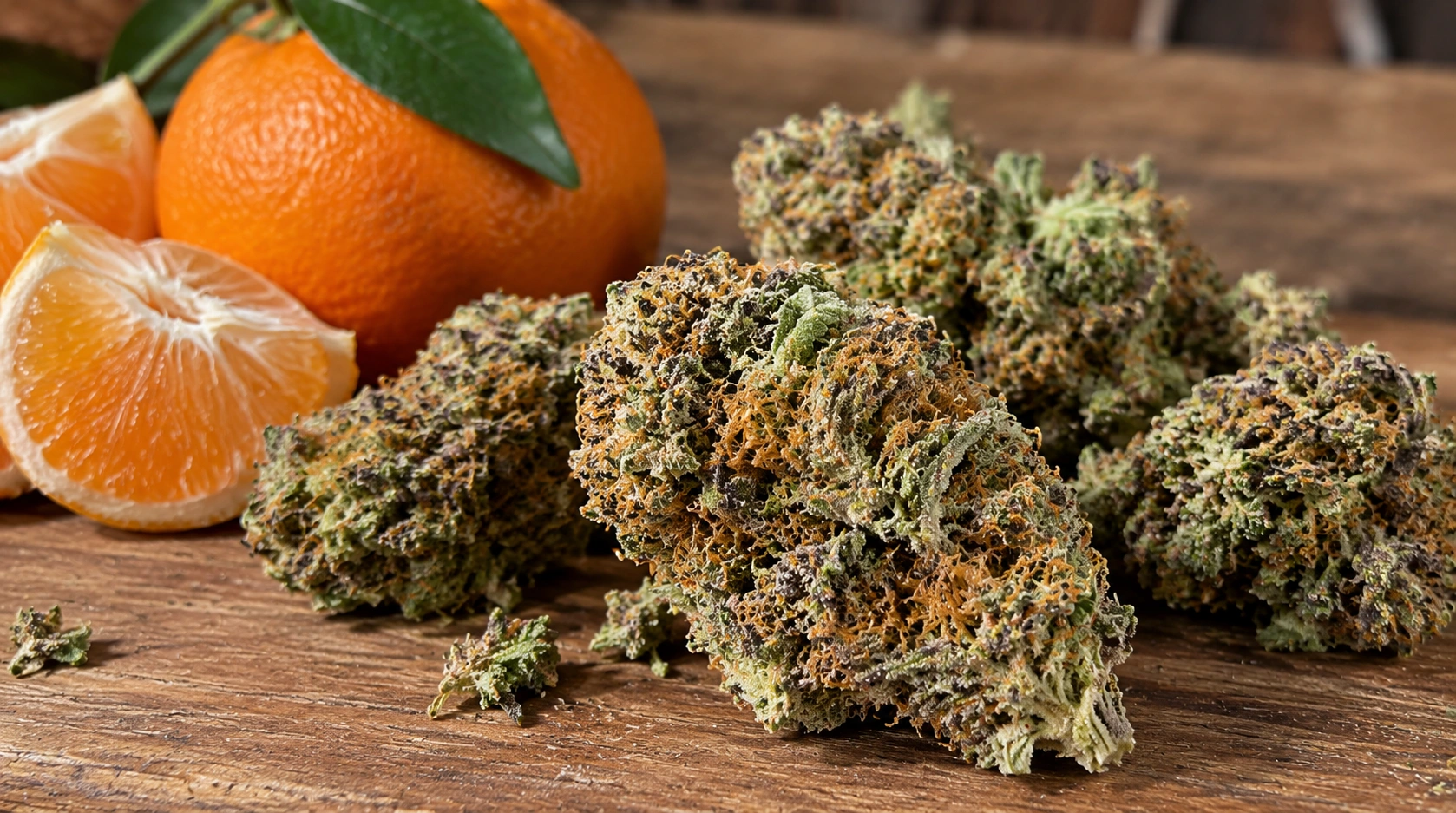
This is what makes the Sour Tangie strain so interesting. It has existed for over a decade already, and pretty much every page dedicated to it says the same thing, four identical sentences. We decided to check out the facts ourselves by analyzing the lab results and found that the sources don’t even agree with each other.

This is why this will be a pure Sour Tangie strain review: its genetics, the Sour Tangie strain effects real people report, and price per pound.
The Sour Tangie strain is a sativa-dominant hybrid bred by DNA Genetics as part of the Reserva Privada range. It comes from crossing East Coast Sour Diesel with Tangie and is said to be 80% sativa / 20% indica, maturing in nine to ten weeks.
This is the basic information on the strain. However, if you’re buying the Sour Tangie weed strain in bulk, things get more complicated.
The name doesn’t point to one plant anymore. At least five different things get sold as Sour Tangie:
Why should you care? Because two pounds with identical labels can come off totally different seed lines. The name isn’t a spec sheet. The terpene panel on the COA is, which is why every lot in our bulk THCA flower program ships with its own batch documentation.
The cross runs only one way. East Coast Sour Diesel is the mother plant. Tangie is the pollen donor plant. The breeder text of Reserva Privada tells us that much, and the seed bank history confirms it. To correctly answer what strain is Sour Tangie, though, one must go even further back in history.
Tangie is California Orange crossed with some Skunk line. Skunk #1 appears everywhere, but the breeder once said it is Skunk plus something of a trade secret, so its exact genetics remain unknown outside the breeding room. Tangie did take the first prize for sativa at the 2013 Amsterdam Cannabis Cup.
It is a clone-only variety from the Sour Diesel and Chemdawg lineage. Its ancestry is truly debated, and no breeder source resolves the mystery.
Unknown. There is no date provided by any breeder source, so sites suggesting 2011 simply guess. The Sour Tangie strain likely appeared in the early to mid-2010s, which places it among the older names in our full strain catalog.
Sativa dominant. The breeder gives it as 80% sativa, 20% indica, and all the major strain databases and seed providers use this exact number.
Here are two facts to get straight:
There’s some scientific literature on this issue, by the way. A 2022 PLOS ONE article studied 89,923 commercial samples and showed that indica and sativa labeling does not correspond to chemical composition.
Thus, the Sour Tangie strain indica or sativa dilemma has a nice answer on paper and a messy one in the jar. Want to know how much it will actually feel? Read the terpenes, and compare it against the rest of our sativa THCA strains.
Let me share a little-known fact. The Sour Tangie strain was not properly stabilized, and the breeder even acknowledged that at the beginning of its existence. Reserva Privada said to expect two phenotypes of the strain, and the seed catalogs still call the strain partially stable.
This is important on a shelf, because both act in a completely different way.
This phenotype is more gassy, louder, denser, with a higher percentage of caryophyllene content. Sour Diesel and Chemdawg lovers would like it.
This is a brighter and sweeter smell, closer to tangerine peel, terpinolene dominant, with a light, hazy structure.
Check the top ten articles on the strain. None of them says how to identify one from another, which is ridiculous, because it’s the most useful information about the strain. When you buy the Sour Tangie weed strain, just ask which phenotype it is. The same question is worth asking across any of our hybrid strain lineup.
There isn’t any sort of established terpene profile for the Sour Tangie strain. Period. If anyone claims there is one, they’ve simply regurgitated information from some other page and not actually read an official lab report.
Therefore, we gathered all of the available sets of terpene numbers for this cross and compared them side by side. The result did not produce a single profile with a little variation.
It was four sources telling three different stories:
| Where the data comes from | Type of data | Dominant terpenes |
| Aggregated dispensary testing | Pooled lab data, no figures published | Myrcene, then caryophyllene, then limonene |
| Independent 2017 flower test | Single lab result | Terpinolene 6.47 mg/g, myrcene 2.93, limonene 1.16 |
| Current hemp batch COA | Single batch panel | Caryophyllene 4.06, limonene 2.37, bisabolol 1.66 |
| Commercial aroma profiling | Analytical model | Terpinolene dominant, high gas |
Four sources. Three distinct dominant terpenes. That’s not bad research. It’s what happens when a single line carries two distinct phenotypes, grown by two growers with two different cures.
Terpinolene evaporates quickly. Dry it too hot, and it’s gone. The same genetics can return as terpinolene-rich in one grow room but caryophyllene-rich in another, which is exactly why the Sour Tangie strain indica or sativa debate matters far less than the panel in your hand. We cover how to read those panels in our third-party lab testing FAQ.
Published THC numbers for this cross are all over the place:
Regarding the hemp, the advertised THCA level of the Sour Tangie strain usually ranges from 20% to 26%. According to the COA of one seller, the THCA levels were 25.64% versus 0.264% Delta-9.
However, that’s not really what you should focus on, because the current regulation refers to the following formula: Delta-9 + 0.877 × THCA = total THC. You need that on your purchase list, and it’s worth checking against every SKU in our lab-tested bulk inventory.
There is one more component not discussed anywhere: minor cannabinoids. For instance, the same lab reported that CBGA was 1.822%, CBCA 0.423%, and THCVA 0.138%. CBD is close to zero in all reputable sources. Thus, that 1.0% CBD reported by one database must be just a typo.
Across 774 published user ratings, the Sour Tangie strain effects people report most are energetic, focused, and uplifted. It gets described as a daytime smoke, usually for creative or social settings rather than the end of the night.
The downsides matter just as much if you’re stocking it. The most frequently reported are:
The data sets even contradict each other directly. One database describes a warm buzz in the body that leaves you feeling lethargic. Another states the exact opposite and calls it invigorating. A dispensary website takes the middle road, motivational initially, followed by a sense of sleepiness.
Two phenotypes, two different experiences. Treat every one of these Sour Tangie strain effects as user-reported and variable. There is no medical data here at all, and nothing was evaluated by the FDA. For customers who want the opposite end of the spectrum, point them toward indica strains instead.
At last, something you can count on. Sour oranges and tangerines at first, followed by diesel and gasoline, ending in an earthy and peppery scent. Citrus first, fuel second.
That very smell is the most sensitive feature of the Sour Tangie strain. The terpinolene is the first one to go. Fresh supply, cool temperatures, sealed jars. That scent is what your consumer is buying, and it’s the single biggest reason aromatic flower often performs better as THCA disposables than as jarred product sitting on a shelf.
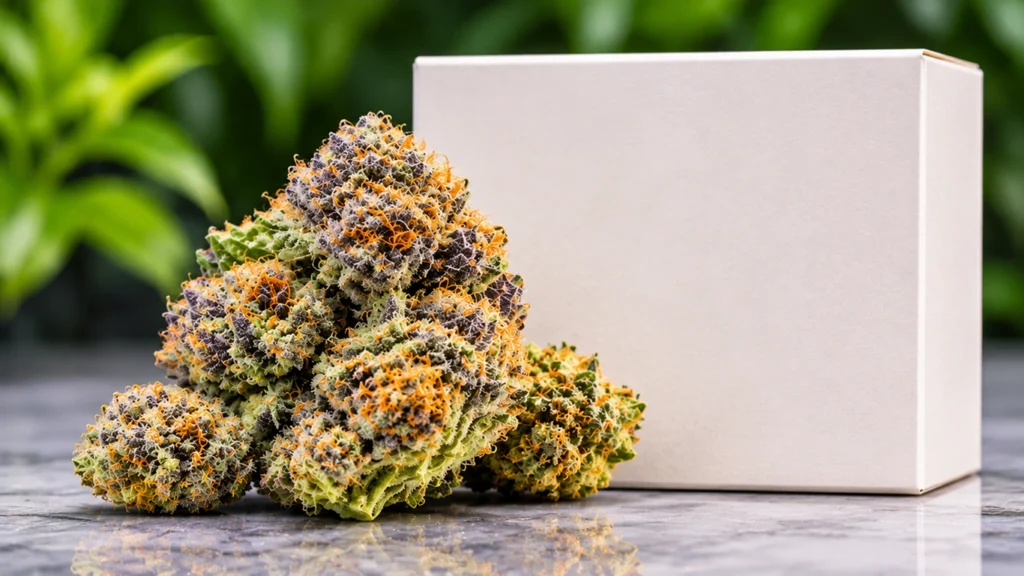
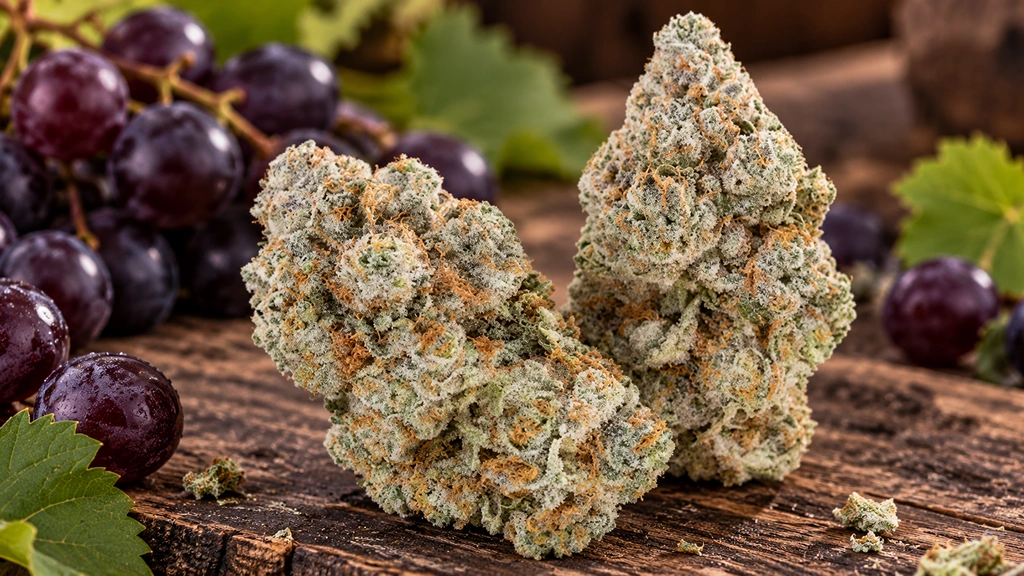
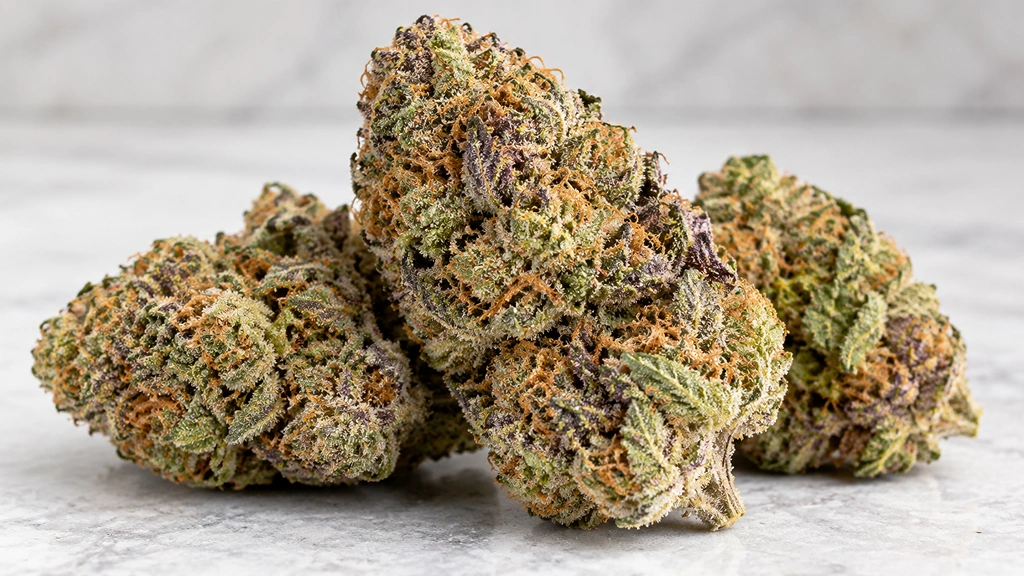
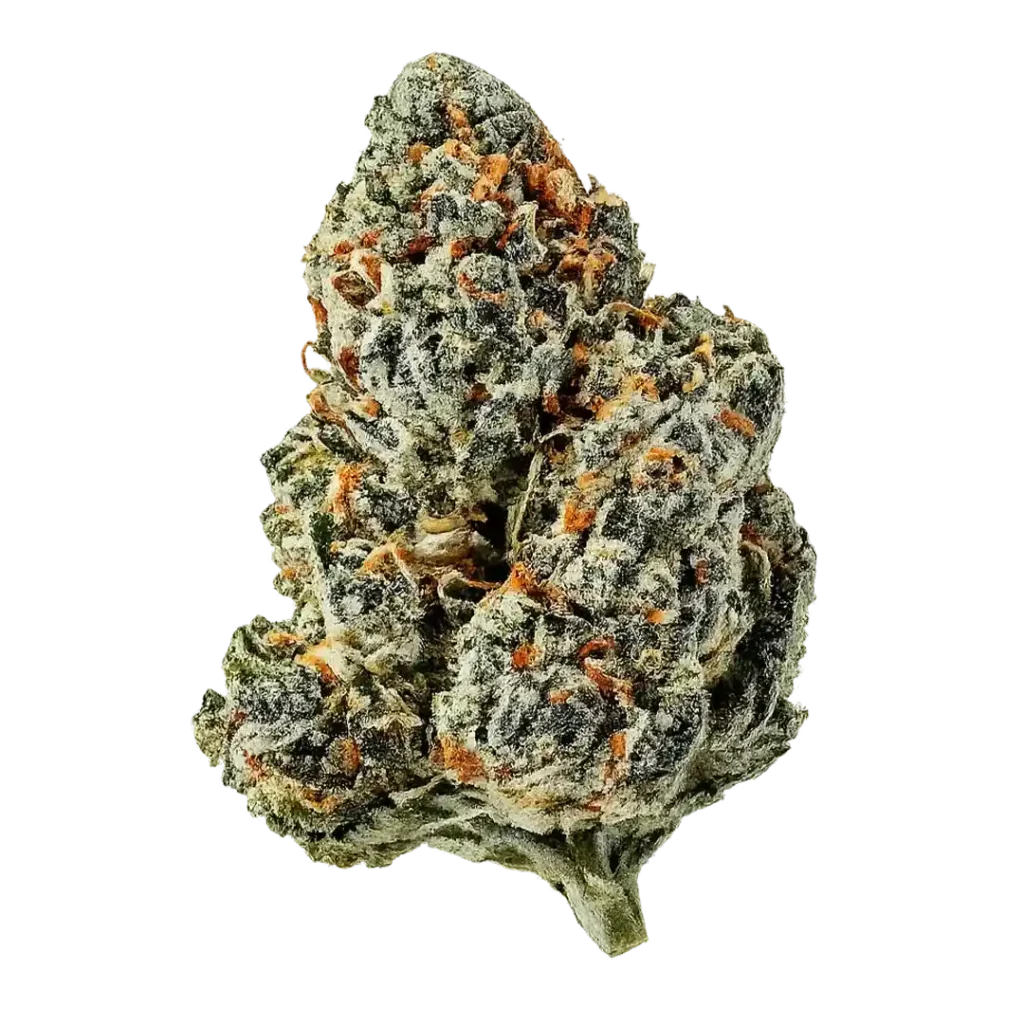
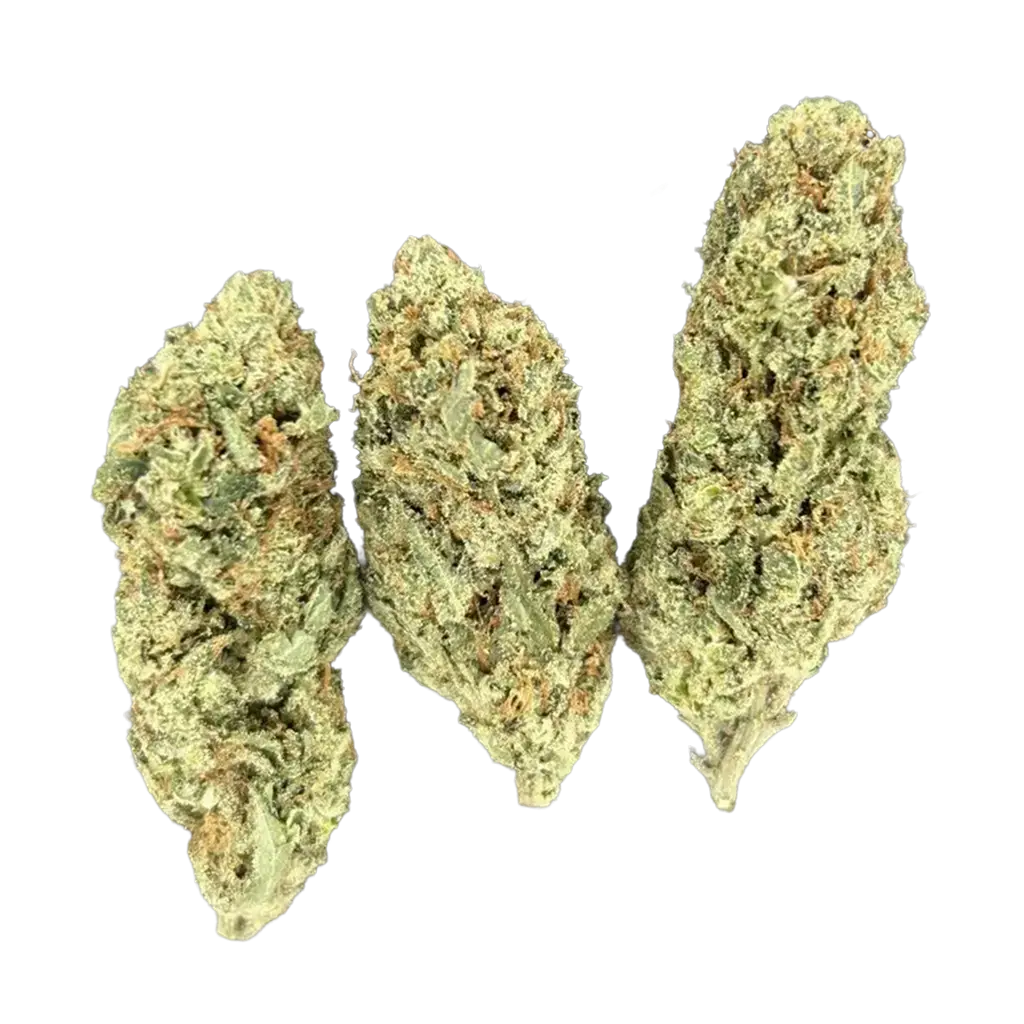
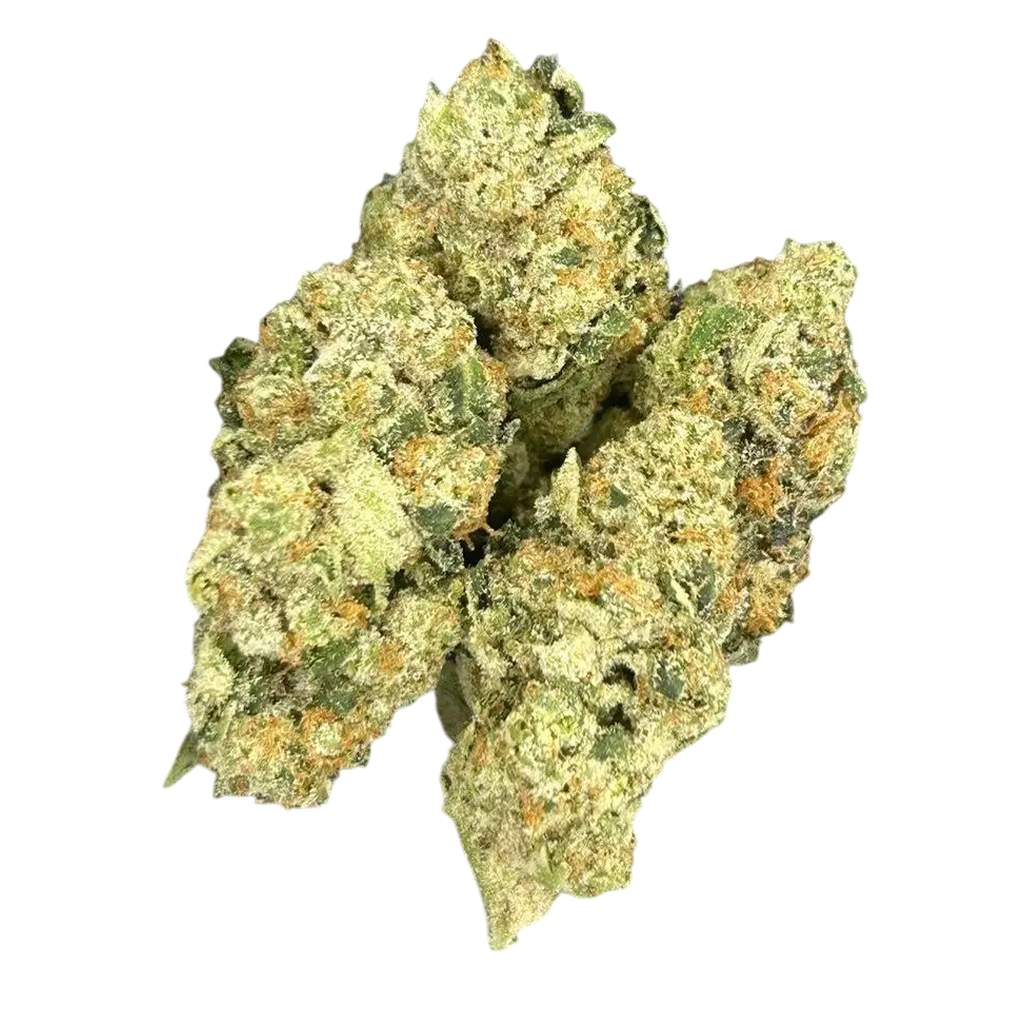
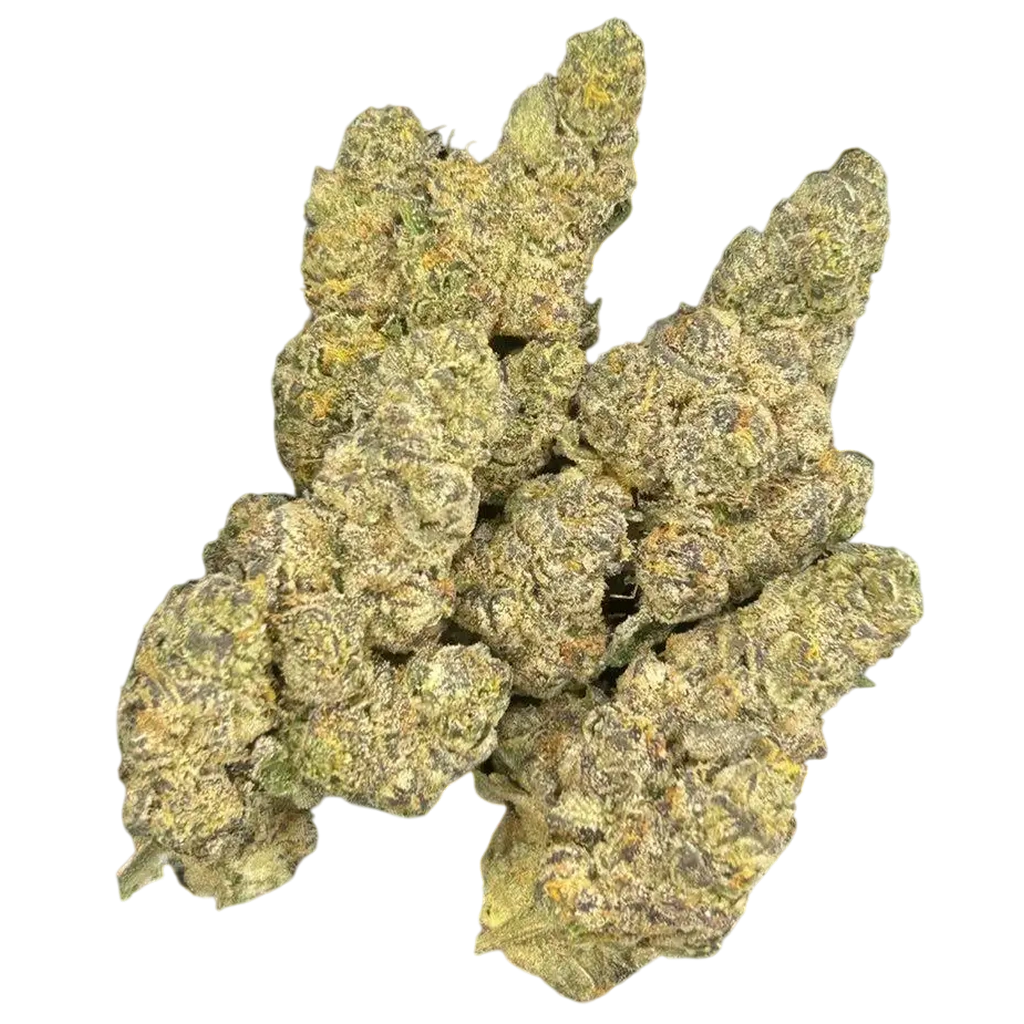
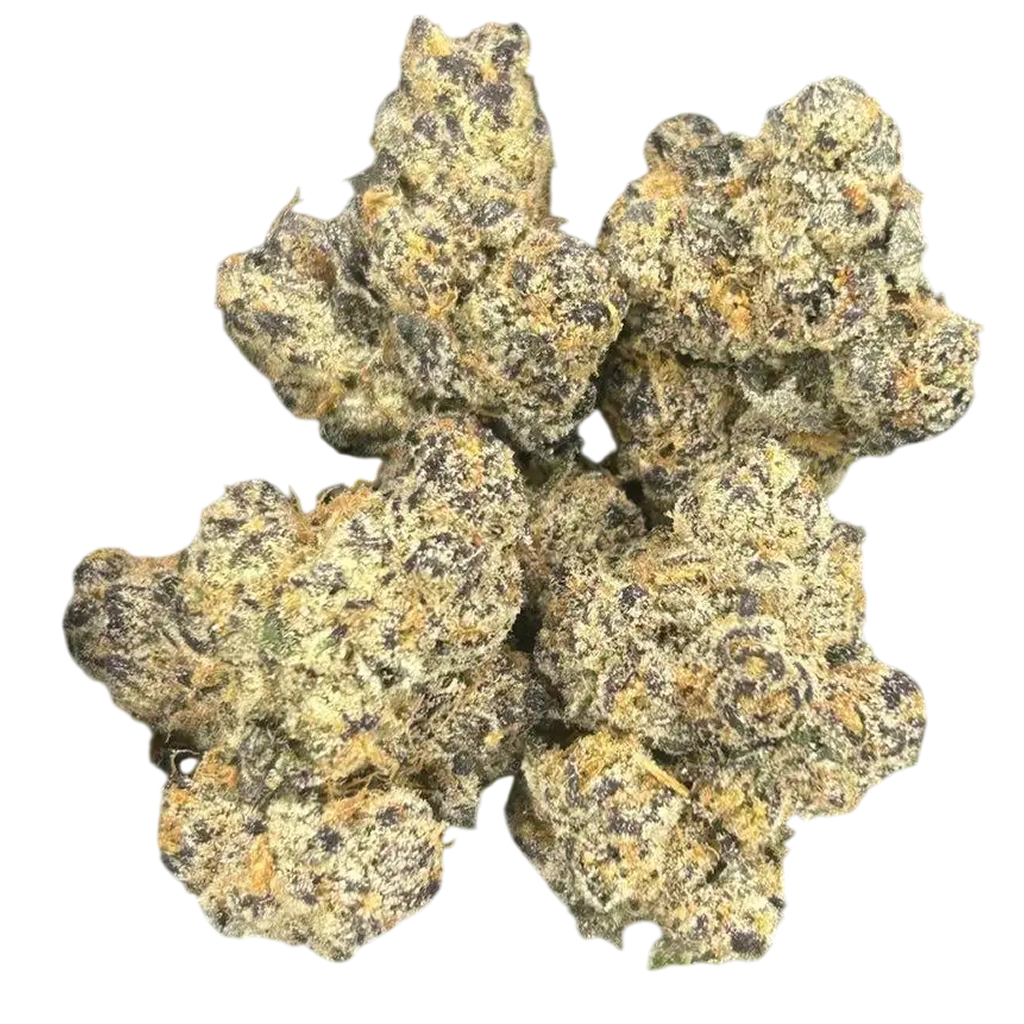
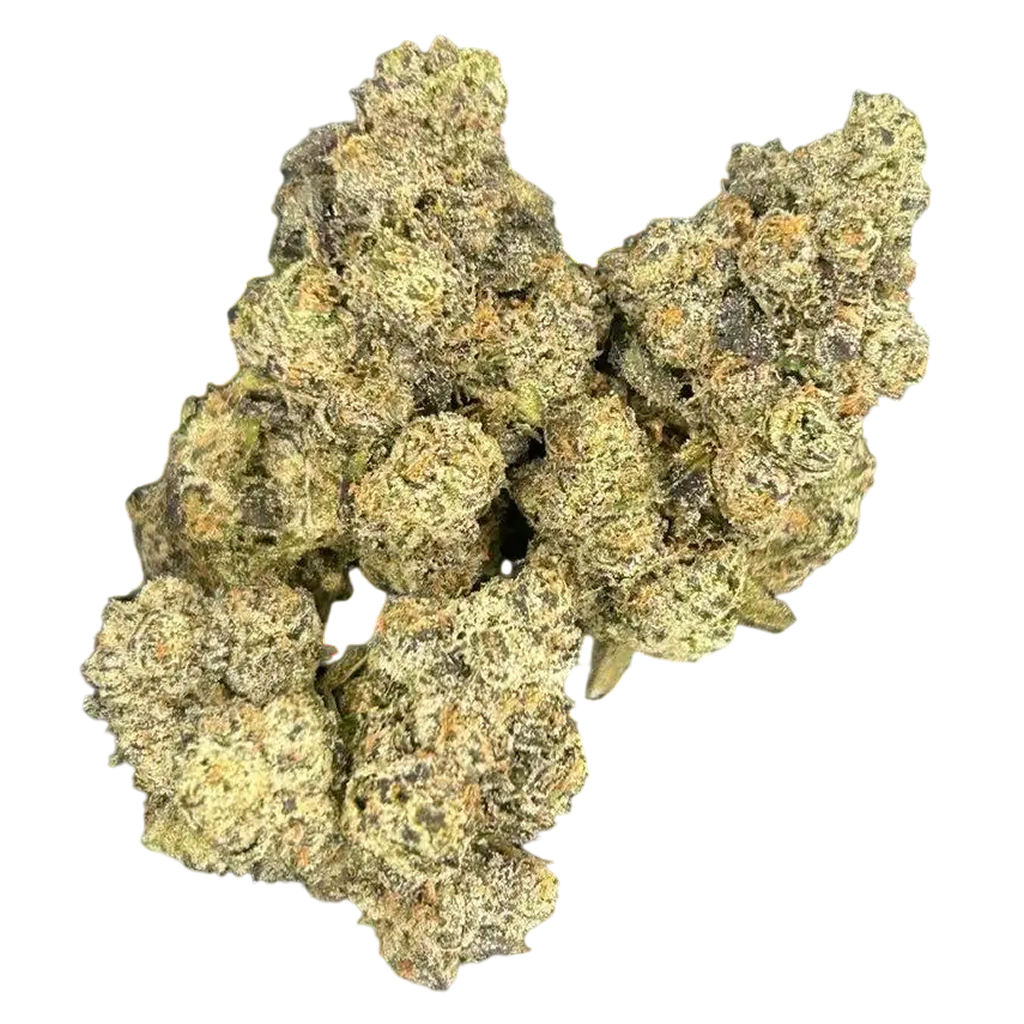
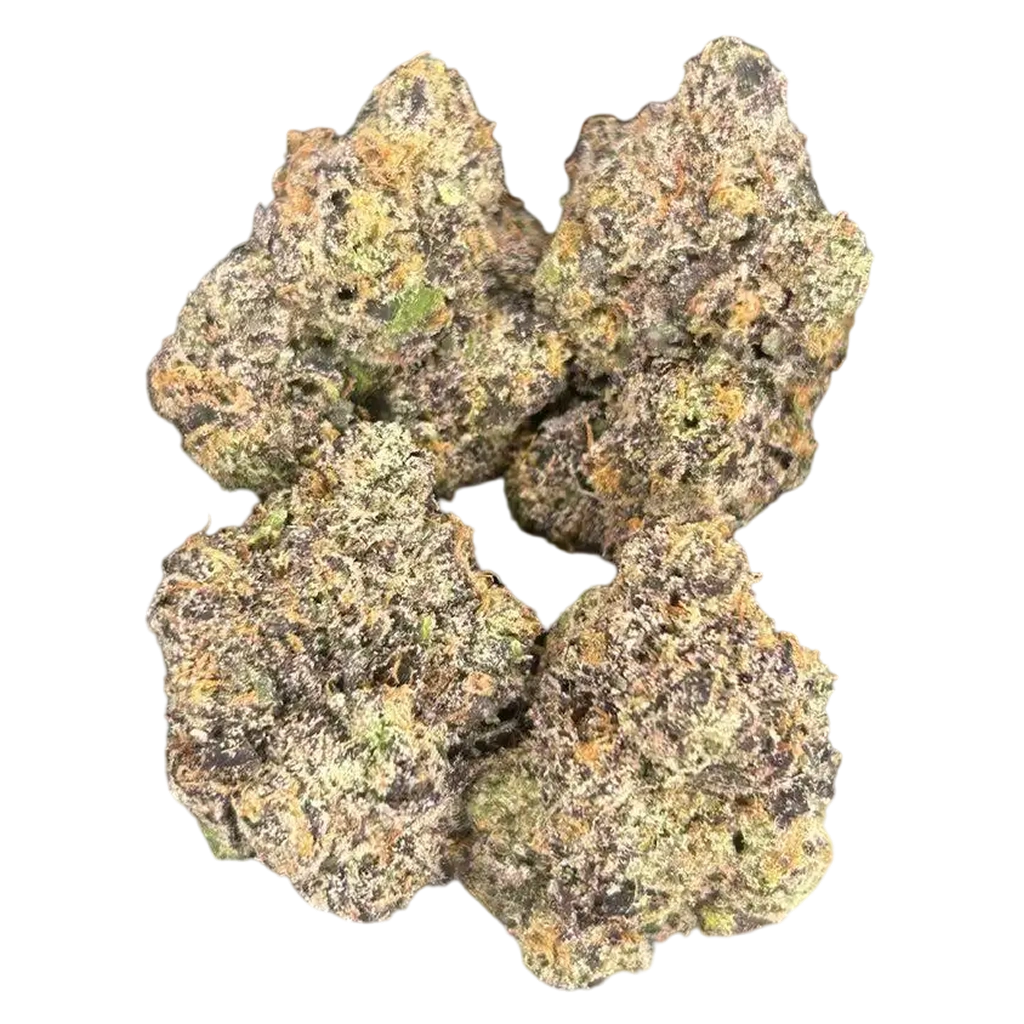
Here is where it gets confusing, and where the Sour Tangie weed strain might disappoint the consumer after reading the marketing. This is a tall and lanky sativa, so the buds will be long and spear-like, not round and chunky. The growing reports include descriptions of purple leaves and orange hairs, as well as mentions of a purple fade inherited from Tangie.
The Sour Tangie strain looks great in pictures. It just won’t weigh out like an indica. Let your budtenders know if your shelf is used to golf balls.
By now you know what strain is Sour Tangie. But can it even compete for a place on the menu? Here is the Sour Tangie strain review which no other page will give you, because they want to sell the eighth in front of them.
The strain brings together two entirely different groups of customers, gas and citrus fans. It doesn’t hurt that the name gets free marketing, as the parents are both extremely popular strains. Market research proves that the more familiar the name, the better it sells.
Daytime sativas with a terpinolene profile are niche products. That study in PLOS ONE proved that terpinolene-myrcene chemotypes constitute only a small portion of all the strains available. Additionally, pre-roll sales data suggest that indica-heavy pre-rolls beat out sativa ones in sales.
So the truth about the Sour Tangie strain review: a perfect strain for anchoring your menu, a not-so-good strain for driving sales. If volume is what you’re after, our roundup of the best sativa strains covers the faster movers.
Most people file grow specs under hobbyist trivia. If you buy by the pound, it’s a product spec:
This leads to three points. First, a long bloom period and mid-yield indicate that this hybrid is expensive to grow indoors. Second, the height of the plant is responsible for spear-shaped buds. Third, an unstable lineage suggests that two shipments may vary, but neither is skimping on anything.
A company capable of naming the phenotype, the room, and the cure tells you a lot more than just a strain name. That’s the standard we hold ourselves to, and you can read how we source on our About page.
If you have one space to accommodate a sativa with a citrus profile, you’ve got roughly six options to choose from, many of which cross paths with each other in more ways than one.
Here’s how they fare when it comes to the things that actually make them sellable: genetics, chemistry, aroma, and who buys them.
| Strain | Lineage | Type | Dominant terpenes | Nose | Shelf role |
| Sour Tangie | ECSD × Tangie | 80/20 sativa | Contested: myrcene, terpinolene, or caryophyllene | Tangerine peel plus diesel | Bridges gas and citrus buyers |
| Tangie | Cali Orange × Skunk line | 70/30 sativa | Citrus-led | Sweet peeled tangerine | Pure citrus, less funk |
| Sour Diesel | Diesel/Chemdawg family | Sativa-dominant | Caryophyllene, myrcene, limonene | Fuel and sour | Gas loyalists |
| Super Lemon Haze | Lemon Skunk × Super Silver Haze | 80/20 sativa | Terpinolene-led | Lemon candy and haze | Haze specialists |
| Durban Poison | South African landrace | Sativa | Terpinolene, myrcene, ocimene | Sweet pine and anise | Purist wake-and-bake |
| Agent Orange | Orange Velvet × Jack the Ripper | Hybrid | Myrcene, terpinolene | Orange | Softer citrus option |
Look down that list. Only one of them gives you diesel and citrus in the same jar. That’s the whole commercial case for carrying it. We break down the rest of these head-to-head in our strain guides.
Yes, but as a positioning piece, not a volume play.
That recognition is worth real money, and a brand-new cross can’t buy it.
Terpinolene-forward sativas can come across racy, and reviewers say so without being asked.
Think of it as three slots: one gas SKU, one dessert indica, and the Sour Tangie weed strain sitting between them as the citrus-gas crossover. This covers the middle of the day without stepping on your other SKUs.
Also, keep this in mind. Aroma-heavy sativas like this usually perform better as bulk THCA pre-rolls or vaporizers than in jarred form.
None of the other authors covering this strain does the math, so we will do it. Wholesale THCA flower costs around $400 to $2,200 per pound, with one 2026 price survey placing the median indoor price close to $662. Premium indoor strains come in above this.
A pound is about 453 grams; call it 129 eighths before trim loss. So:
Scale that up and a $1,200 pound at a $35 eighth returns somewhere near $3,300 gross.
Pre-rolls shift things again. At one gram each, a pound gives you roughly 400 units after loss, which is honestly where a Sour Tangie strain review for retailers should start. Our guide to the best THCA pre-rolls runs the same numbers across the category.
1. “Also called Sunva.”
Many pages have this. Trace it back to its source, and it turns out to be a single strain-database description with the first sentence being about Tangie, not this cross. Everyone mistakenly copied the nickname into the wrong plant’s entry. No proof exists that Sunva is a nickname for the Sour Tangie strain.
2. The 70/30 percentage
Pertains to Tangie. All breeders claim this cross as an 80/20. At some point, the Sour Tangie strain indica or sativa figure got swapped with its parents.
3. One percent CBD
Only one database claims this. Most databases say 0%, while the breeder says below 0.1%, and tests revealed 0.12%.
4. Cannabis Cup victories
Tangie is the winner. This cross doesn’t have any. The only award we could verify is the 2018 Canadian Cannabis Awards finalist listing. Still wondering what strain is Sour Tangie? These awards belong to its parents.
This is information, not legal advice, and it’s accurate as of October 2, 2026.
The relevant federal law was amended as recently as November 2025. Specifically, Public Law 119-37 provided that THC in hemp is defined based on the total amount of THC, Delta-9 plus 0.877 times THCA, and the total amount of THC in the finished product cannot exceed 0.4 mg per package. Next, the passage of a stopgap funding bill enacted on September 2, 2026, has delayed the effective date from November 12 to December 11, 2026.
After this amendment comes into force, any high-THCA flower is no longer classified as federally legal hemp. Therefore, a web page saying that the Sour Tangie strain is “fully federally compliant” due to less than 0.3% Delta-9 testing is referring to an obsolete regulation.
There are also state-specific laws regulating hemp. For example, Texas, Tennessee, Georgia, Idaho, and Arkansas have specific limitations in this respect, some of which are currently under litigation.
Make sure you check the status of current regulations in this area before buying, selling, or shipping anything.
The Sour Tangie strain has been bred correctly, but the internet documentation of its genetics and properties is lacking. Genetics, solid. Chemistry, all over the place. The phenotype split is true, and the published potency and terpene numbers contradict each other because they describe different phenotypes.
And this is the thing you may find useful. If you came here asking what strain is Sour Tangie, the honest answer is that the COA is the specification, not the name. The name is just the starting point. Inquire about the phenotype you get.
Sour Tangie strain effects are high energy, citrus, and daytime, and these can be used as the basis of your selling argument. Carry the Sour Tangie weed strain in your inventory as the crossover sativa, priced according to the numbers above.
That’s the kind of sourcing detail TerpSourced was built to provide. We supply bulk THCA flower, pre-rolls, edibles, and disposables to smoke shops, distributors, and emerging brands, every batch backed by third-party lab documentation and phenotype-level transparency, so you always know exactly what you’re putting on your shelf.
It is a sativa-dominant strain created by DNA Genetics under the Reserva Privada range. The strain involves the breeding of East Coast Sour Diesel as the female parent and Tangie as the male. Seed catalogs list it at 80% sativa, flowering in nine to ten weeks.
This is a sativa-dominant strain with an 80/20 ratio as per its breeder. The 70/30 ratio that you will find on the internet is that of Tangie, which is one of its parents. Remember that these ratios are not about the actual chemical composition but rather the lineage of the strain.
People tend to feel energized, alert, and uplifted, generally in the morning. Commonly reported negatives include anxiety, dry mouth, and headache. All these are just experiences reported by users and have not been evaluated by the FDA.
Official statistics range from 11% to 28% THC, which is much too broad to be of value. Most hemp THCA flower will market itself as having 20% to 26% THCA content. Always look at the COA for the total THC figure.
Sour orange and tangerine peel over diesel and fuel, finishing earthy and peppery. It is the one thing that all sources agree about. The citrus comes first, followed by the gasoline underneath. Terpenes disappear quickly, so fresh material is definitely more fragrant.
Reports conflict. Many view it as invigorating and daytime friendly, but others have experienced feeling relaxed and lethargic. This could be because of the two-phenotype effect. The effects differ depending on the batch, individual, and dosage.
No. Tangie is the parent plant, California Orange, bred with a Skunk lineage. The Sour Tangie strain is the result of crossing Tangie with East Coast Sour Diesel, hence the diesel. Most of the confusion online, including the name Sunva, stems from sites confusing the two strains.
Effects are not enough. Phenotype, terpene profile, THC content, bud structure, and per-pound economics matter as well. A good Sour Tangie strain review provides information about its targeted customers, its place on the menu, and the profit from one pound.
The new federal law comes into effect on December 11, 2026, with a new total THC standard that ends high-THCA flower qualifying as hemp. The product is already restricted in several states. Verify your state and federal laws before purchasing or shipping anywhere.