Wholesale cannabis buyers now compare indoor and greenhouse cultivation based on flower consistency, terpene retention, production costs, and inventory scalability. The comparison between light dep vs indoor production continues growing as dispensaries and distributors evaluate operational efficiency alongside flower quality.
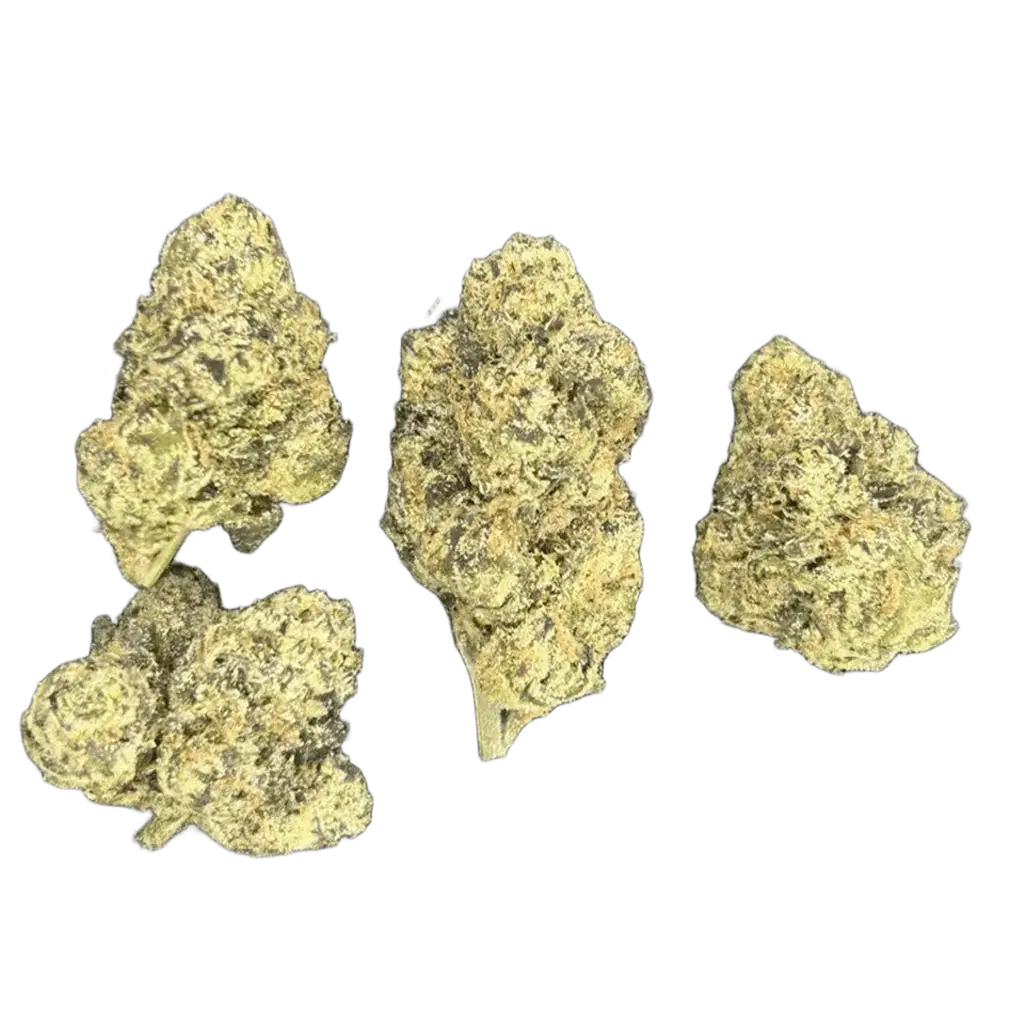
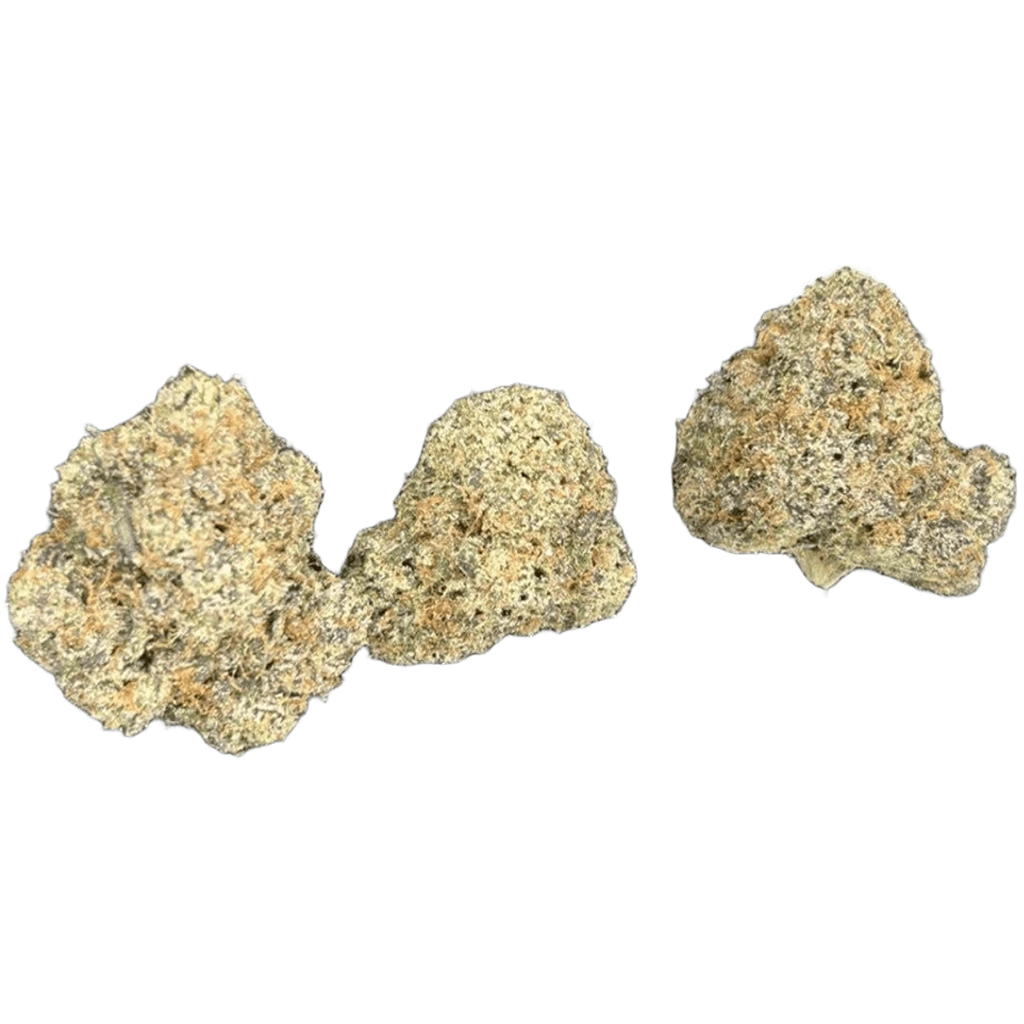
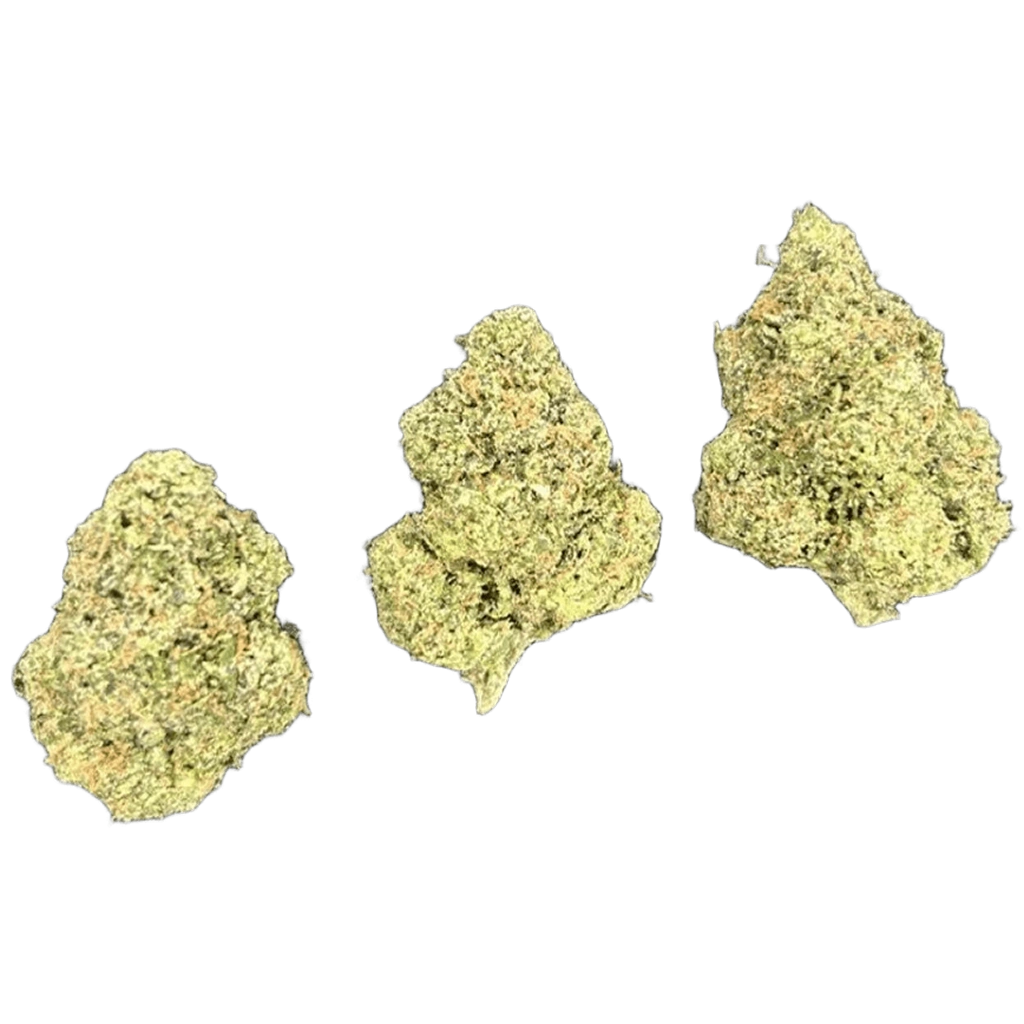
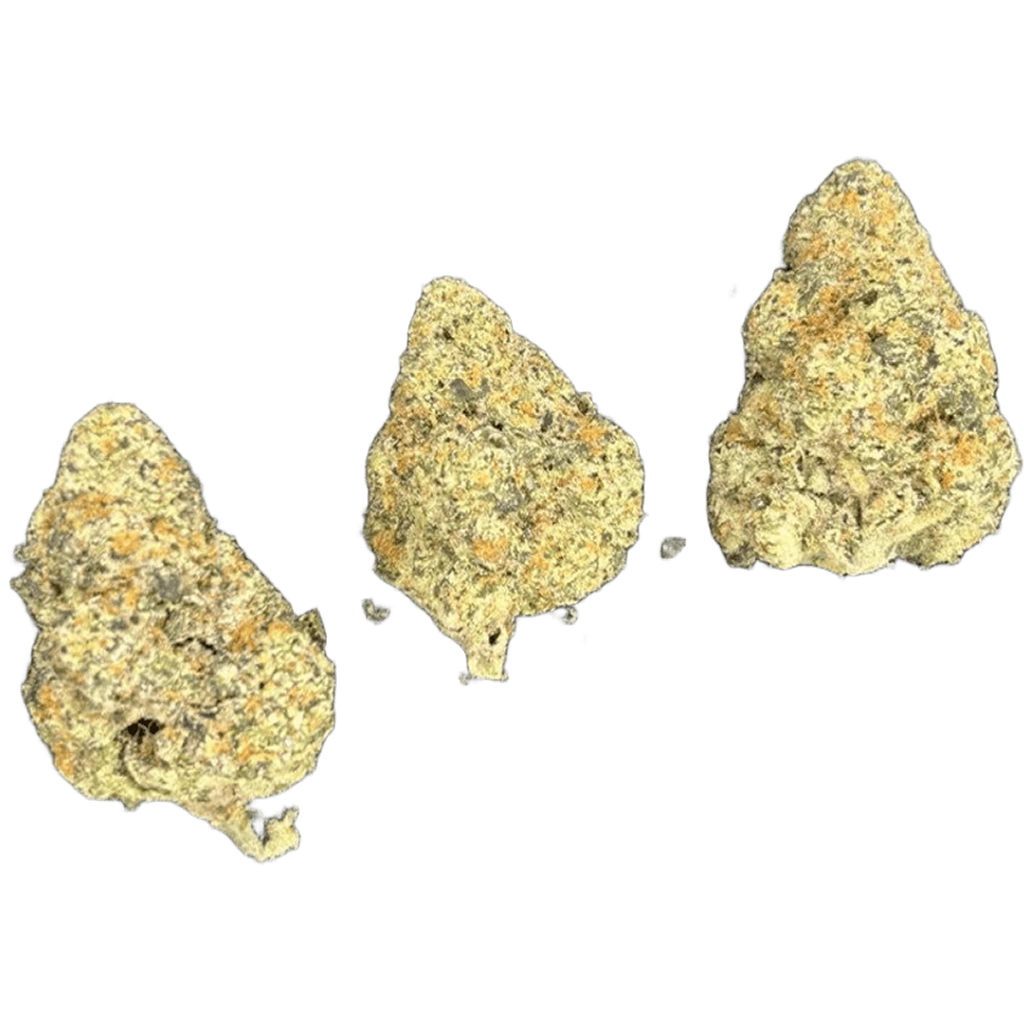
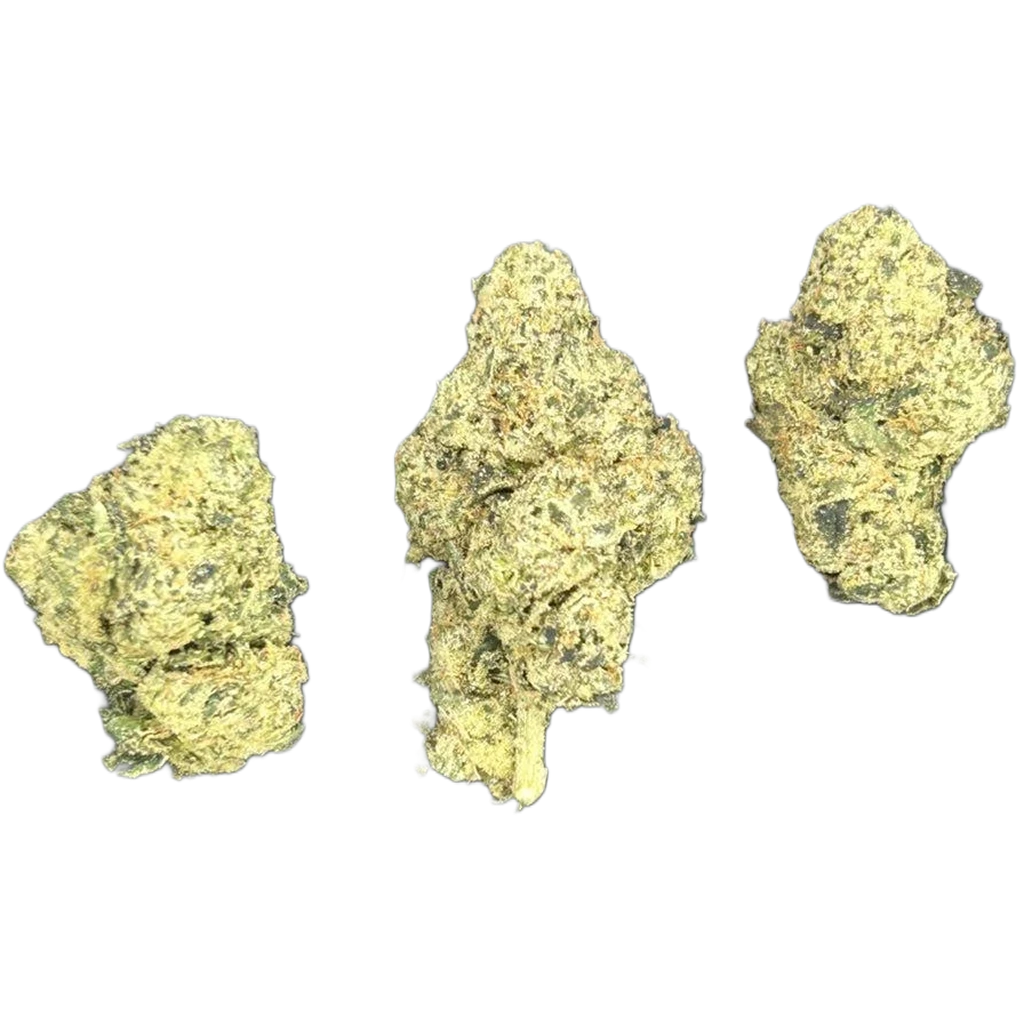
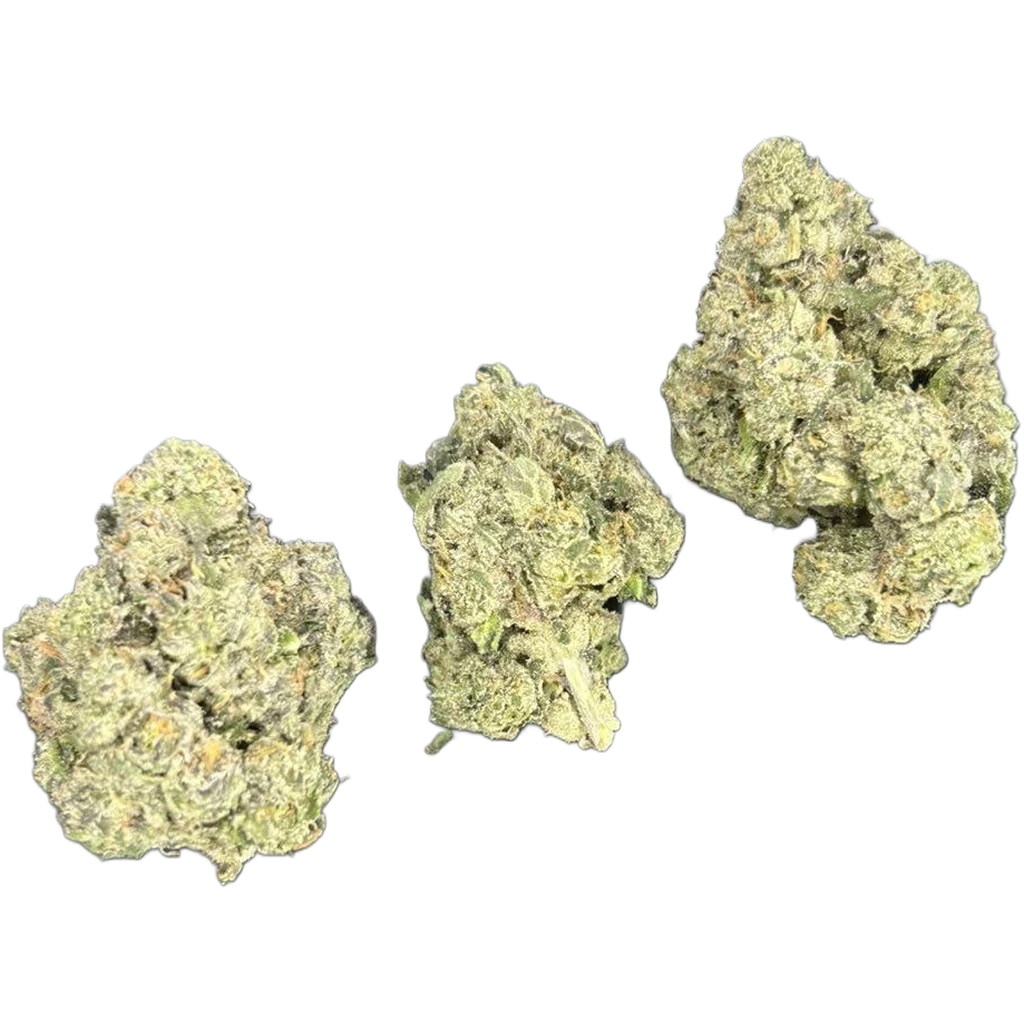
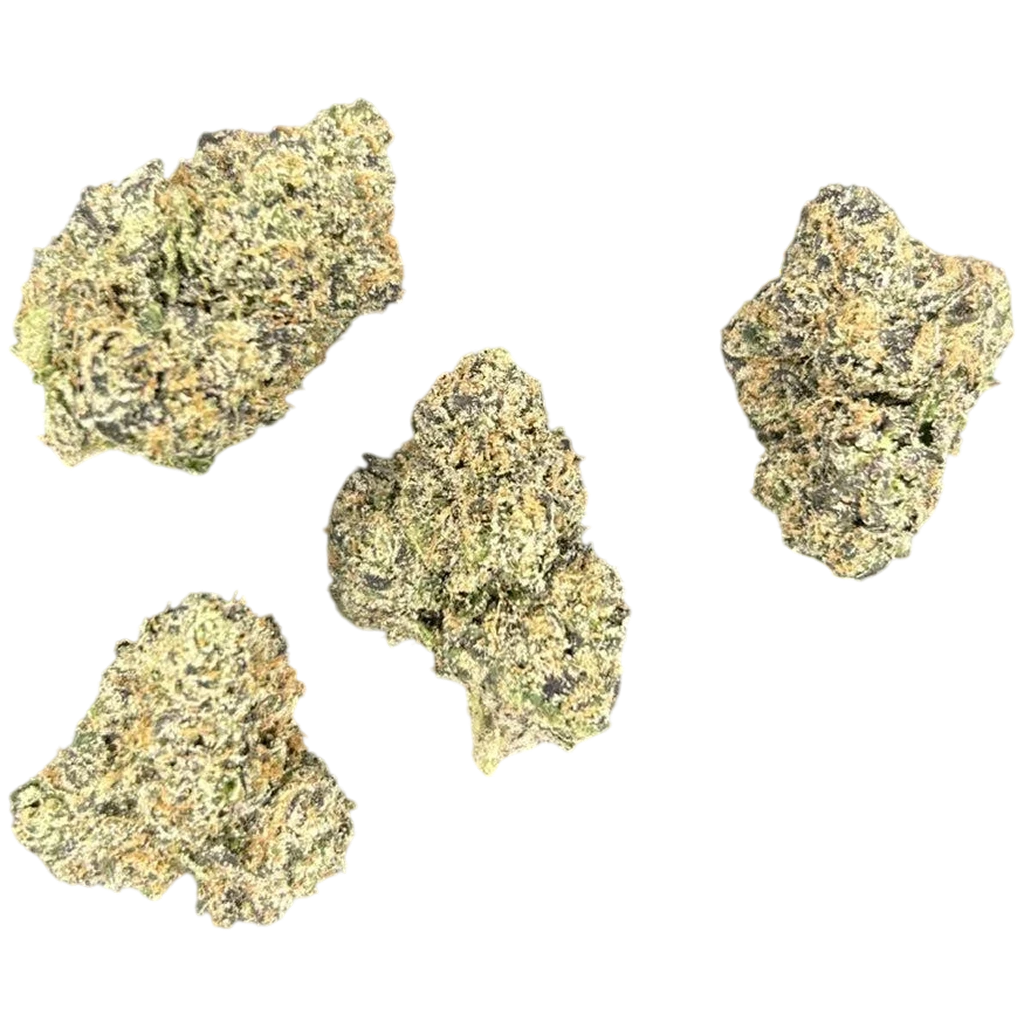
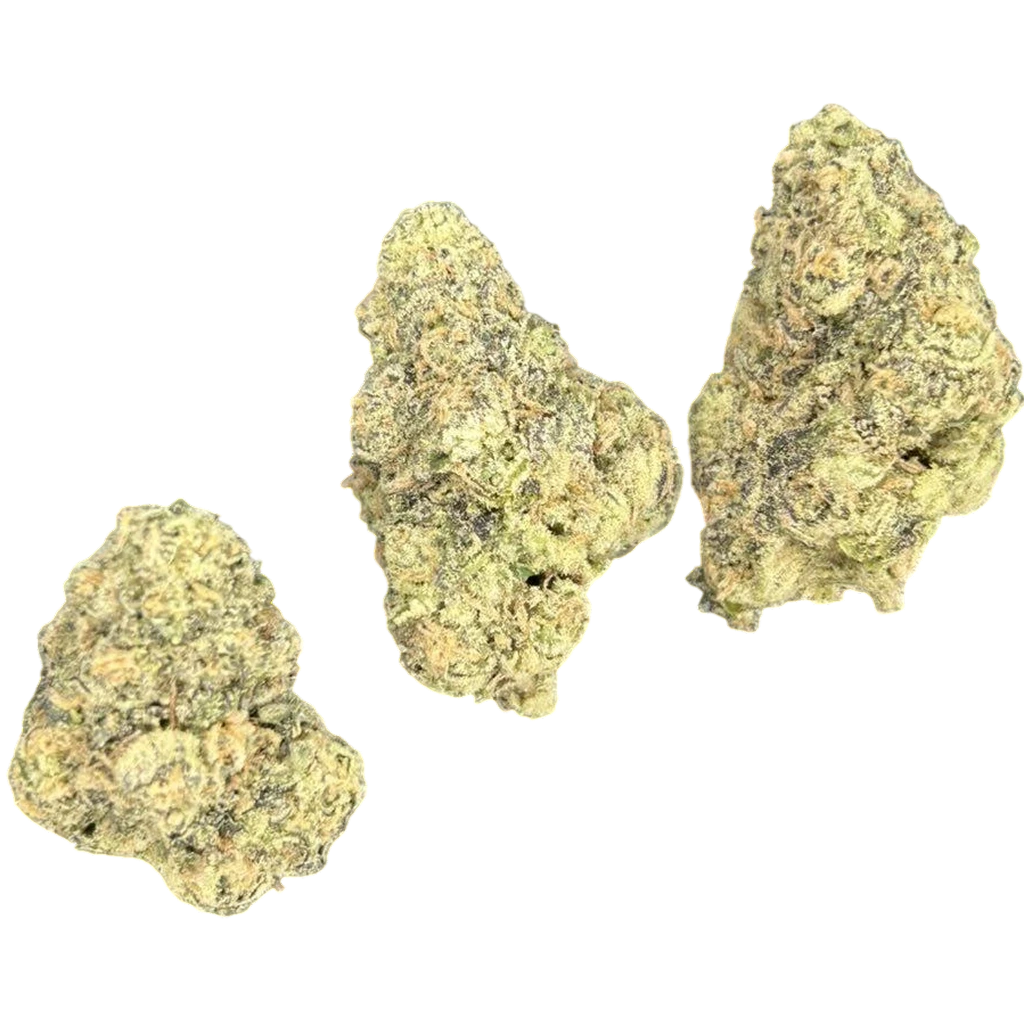
While indoor THCA flower still dominates many premium shelf categories, greenhouse cultivation remains highly competitive because operators can scale harvest output without dramatically increasing infrastructure costs. Wholesale buyers usually compare both cultivation methods based on production costs, flower consistency, and inventory output.
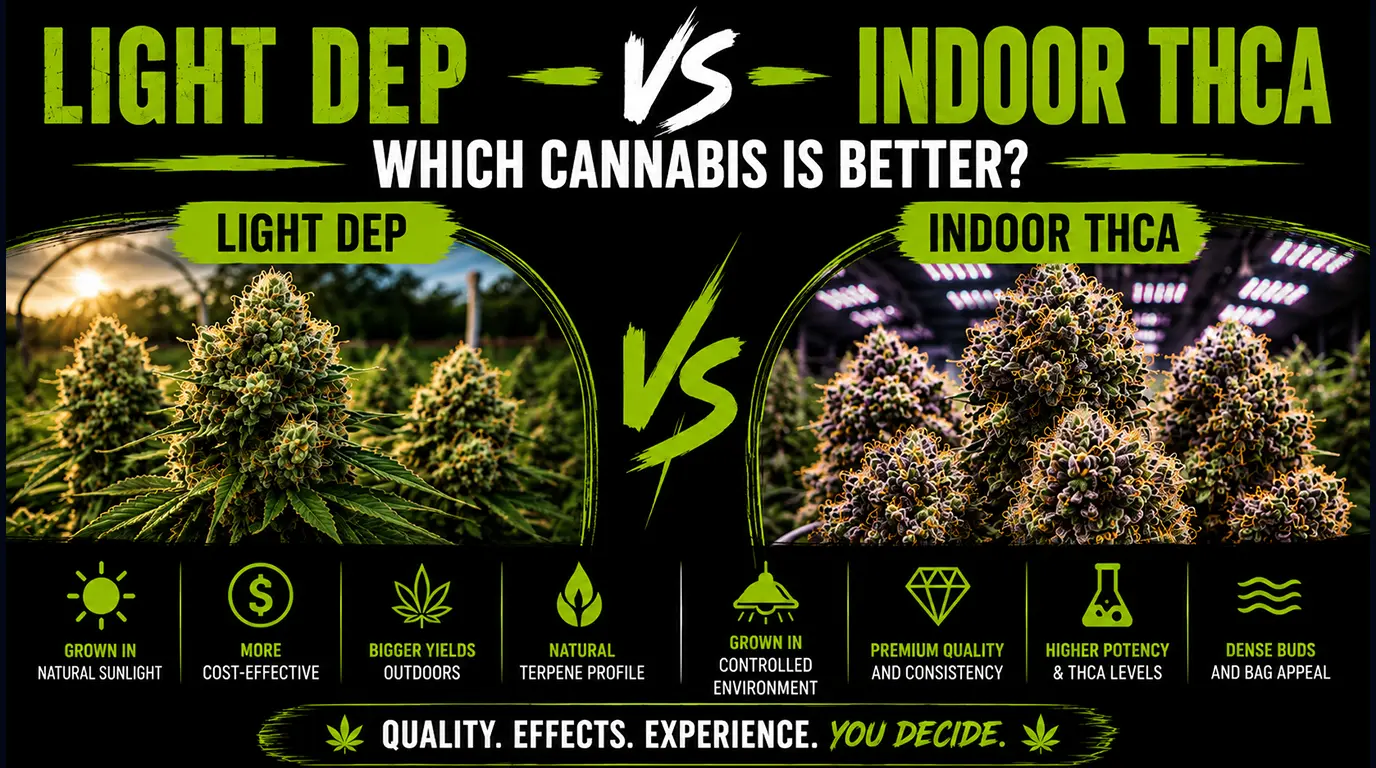
The main difference between light dep vs indoor cultivation comes down to environmental control and production strategy. Indoor cannabis is cultivated inside sealed facilities using LED lighting, HVAC systems, dehumidifiers, and controlled airflow equipment. Light deprivation cultivation uses greenhouse sunlight and automated blackout tarps to regulate flowering cycles and harvest timing.
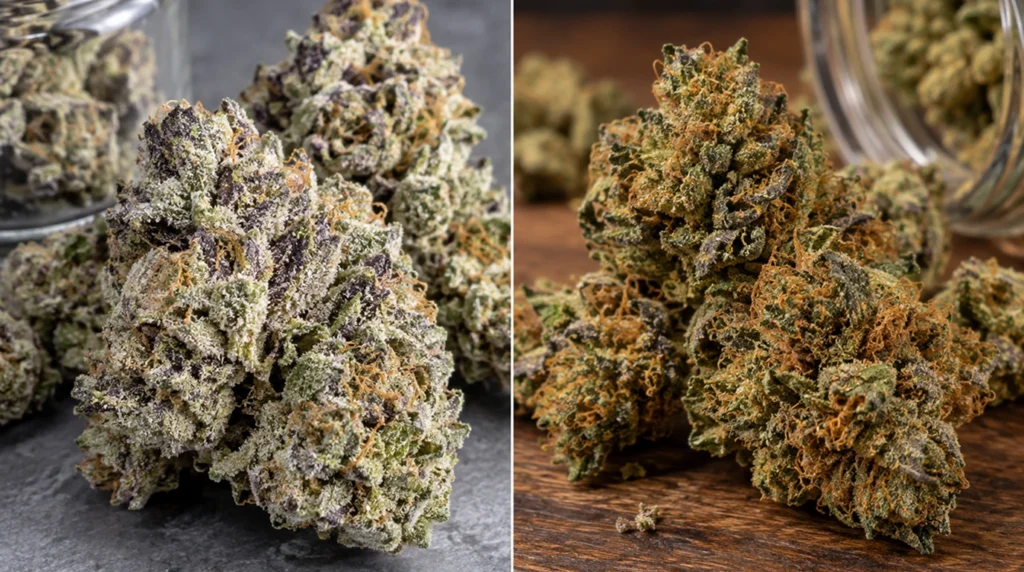
Indoor facilities allow growers to maintain tighter control over temperature, humidity, airflow, and CO₂ levels throughout flowering. This controlled environment often supports denser flower structure, stronger retail presentation, and more consistent trichome coverage across premium cannabis batches.
Greenhouse cultivation takes a different operational approach. Instead of relying completely on artificial lighting systems, commercial greenhouse operators use sunlight-assisted vegetative growth and blackout systems to regulate flowering schedules while reducing electricity dependency. Many wholesale cultivators use greenhouse systems because they support larger canopy expansion and more scalable flower production without dramatically increasing operating costs.
Many premium cultivars listed under the Hybrid Strains category are now cultivated using both indoor and greenhouse systems, depending on pricing strategy, retail positioning, and inventory demand.
Retail distributors and dispensary sourcing teams often prioritize indoor THCA flower because indoor cultivation facilities generally produce more consistent visual presentation, dense flower structure, and more controlled post-harvest quality. Retail dispensaries commonly place indoor flower within premium Exotic THCA Flower categories where aroma retention, cured flower appearance, and packaging presentation directly affect retail pricing.
Indoor cultivation facilities maintain tightly controlled flowering environments using sealed grow rooms, HVAC infrastructure, automated climate systems, and high-output LED lighting. During late-stage flowering, commercial indoor growers commonly maintain humidity closer to 45%–50% to reduce mold pressure and protect dense flower sites from excess moisture buildup.
Wholesale buyers commonly evaluate:
Bulk flower distributors comparing light dep vs indoor thca flower often continue prioritizing indoor cannabis for boutique inventory because premium indoor flower usually supports stronger retail valuation and more consistent post-cure presentation across dispensary shelves.
Greenhouse cultivation continues expanding because some commercial cultivators believe greenhouse sunlight may help preserve more stable aroma retention during flowering. As wholesale cannabis markets become increasingly quality-focused, terpene stability now plays a much larger role in flower grading and inventory selection across premium THCA Concentrates categories.
Commercial greenhouse facilities rely heavily on airflow stabilization, blackout scheduling, canopy spacing, and humidity management throughout flowering. During late-stage flower, operators commonly reduce humidity closer to 45%–50% during blackout periods to reduce moisture buildup risks under tarps and protect flower consistency across larger harvest batches.
Post-harvest handling also plays a major role in terpene quality. Wholesale buyers comparing indoor cannabis vs greenhouse cannabis production often evaluate curing performance, aroma stability, smoke consistency, and long-term shelf retention before selecting flower inventory.
While indoor flower still dominates many ultra-premium retail categories, greenhouse flower continues gaining traction because modern light deprivation systems now support competitive cannabinoid percentages and terpene quality at commercial scale.
Greenhouse cultivation generally offers more scalable production capacity than indoor cannabis because operators can expand canopy size without dramatically increasing infrastructure and electricity costs. For most wholesale cannabis operators, the comparison between light dep vs indoor cultivation comes down to balancing flower quality with inventory output and long-term operating expenses.
Indoor cultivation facilities require substantial investment in HVAC infrastructure, environmental monitoring systems, sealed cultivation rooms, and high-output lighting systems. These operational requirements make large-scale expansion significantly more expensive compared to greenhouse production environments.
| Metric | Premium Indoor Facility | Automated Light Dep Greenhouse |
| Avg Production Cost (per lb) | $400–$800 | $200–$350 |
| Average Testing Cannabinoids (THCA) | 26%–32%+ | 20%–26% |
| Annual Harvest Cycles | 5–6 continuous | 3–4 staggered |
| Main Risk Factors | HVAC failure / high fixed energy costs | Light leaks/microclimate humidity spikes |
| Primary Market | Boutique / Ultra-Premium Shelf | High-Volume Retail / Prerolls / Extraction |
Large-scale cannabis operators now use greenhouse systems to support THCA Prerolls, extraction inventory, and wholesale flower distribution while still producing commercially competitive flower quality.
Indoor cannabis production generally costs more because indoor facilities rely completely on artificial environmental systems throughout cultivation and post-harvest processing. Commercial indoor growers continuously operate HVAC systems, LED lighting arrays, dehumidifiers, and airflow equipment to maintain stable flowering conditions during every production cycle.
Indoor cultivation also requires higher labor involvement, constant environmental monitoring, sealed airflow management, and climate stabilization systems capable of supporting premium flower production throughout the year. These operational requirements significantly increase long-term production costs compared to greenhouse cultivation.
Greenhouse systems producing light dep thca flower, similar to cultivation methods discussed in Hybrid vs Indica, reduce many of these expenses by utilizing greenhouse sunlight during vegetative growth and flowering stages instead of depending entirely on artificial lighting systems.
As commercial cannabis energy costs continue rising, wholesale distributors increasingly favor greenhouse flower categories capable of balancing affordability with competitive terpene quality and cannabinoid consistency across larger inventory volumes.
Post-harvest quality between indoor and greenhouse flowers largely depends on curing precision, drying stability, moisture control, and terpene preservation after harvest. Wholesale buyers comparing indoor THCA flower and greenhouse inventory often prioritize post-cure consistency because shelf stability directly affects packaging quality, flower grading, and long-term inventory retention.
Indoor cultivation facilities usually maintain tighter drying environments because sealed rooms allow operators to stabilize airflow, humidity, and temperature more consistently throughout curing cycles.
Commercial greenhouse facilities now use climate-controlled curing rooms and automated humidity systems to improve moisture consistency across larger harvest volumes.
Wholesale buyers comparing light dep vs indoor thca flower often evaluate aroma stability, smoke quality, and terpene preservation after curing and packaging.
Post-cure consistency directly affects shelf appearance, moisture retention, and long-term wholesale flower grading across commercial cannabis inventory.
As cannabis markets become more quality-focused, post-harvest precision now plays a much larger role in wholesale cannabis valuation.
Wholesale cannabis buyers usually compare indoor and greenhouse cultivation based on flower quality, operating costs, and inventory demand. There is no universal winner because different cannabis categories require different production strategies depending on retail positioning, production volume, and wholesale pricing goals.
Many dispensaries still prioritize indoor THCA flower for boutique retail categories because indoor flower generally delivers stronger shelf presentation, denser flower structure, stable post-harvest consistency, and more uniform batch quality across premium cannabis inventory.
Greenhouse facilities producing light dep thca flower continue expanding across wholesale cannabis markets because greenhouse systems support larger harvest output, lower infrastructure costs, faster inventory turnover, and more scalable production models for commercial distribution.
As commercial cannabis distribution continues growing, many operators now combine indoor flower production with greenhouse cultivation strategies to supply broader wholesale inventory demand across multiple cannabis categories.
Indoor and greenhouse cultivation both remain important within modern cannabis production because each model supports different wholesale market needs. Indoor cultivation continues dominating premium retail flower categories where shelf appeal, dense structure, and post-harvest consistency directly affect retail pricing.
Meanwhile, greenhouse cultivation using light dep thca flower systems allows operators to scale production more efficiently while lowering infrastructure and energy costs. As commercial cannabis distribution continues growing, both indoor and greenhouse production remain critical supply channels for flower inventory, preroll manufacturing, extraction markets, and large-scale wholesale cannabis distribution.
Indoor cannabis is cultivated inside sealed facilities using artificial lighting systems, while light-deprived cannabis is grown in greenhouses using blackout systems to control flowering cycles.
Many dispensaries prioritize indoor THCA flower because it usually offers denser flower structure, stronger shelf appeal, and more consistent post-harvest quality.
Yes. Some commercial cultivators believe light dep thca flower can maintain strong aroma retention because greenhouse-grown plants receive sunlight exposure during cultivation.
Indoor cultivation facilities require continuous HVAC systems, artificial lighting, climate controls, and environmental monitoring throughout production and post-harvest processing.
Greenhouse facilities usually support larger canopy expansion without dramatically increasing infrastructure and energy costs.
Wholesale buyers comparing light dep vs indoor thca flower often evaluate shelf appeal, terpene retention, aroma stability, moisture consistency, and post-cure quality.
Yes. Modern greenhouse facilities now use blackout systems, airflow stabilization, and climate-controlled curing rooms to improve terpene preservation and flower consistency.
Light dep thca flower is commonly used in prerolls, extraction inventory, bulk flower distribution, and disposable vape manufacturing.
Not always. Many commercial operators combine indoor and greenhouse cultivation depending on pricing strategy, inventory demand, and retail positioning.