You may have seen THCA flowers appearing in dispensaries and online stores, often marketed as federally compliant hemp. But is it actually legal in California?
THCA, or tetrahydrocannabinolic acid, is the natural precursor to THC found in raw cannabis. On its own, it is non psychoactive. Once heated through smoking, vaping, or cooking, it converts into THC and produces intoxicating effects. California allows both medical and recreational cannabis, yet hemp derived THCA exists in a complex legal gray area shaped by federal and state regulations.
Whether you are a consumer, retailer, or hemp brand, understanding legality, compliance, and risks is essential before buying or selling. Let’s break it down clearly and confidently today right now.
THCA is essentially THC in its earliest, most natural form. When the cannabis plant grows, it does not produce THC directly. Instead, it produces THCA, the acidic precursor that eventually becomes THC once heat enters the picture. In its raw state, THCA does not bind effectively to the brain’s CB1 receptors, which is why consuming raw cannabis flower or fresh juice from the plant produces zero psychoactive effects.
The conversion process, known as decarboxylation, happens quickly and naturally through:
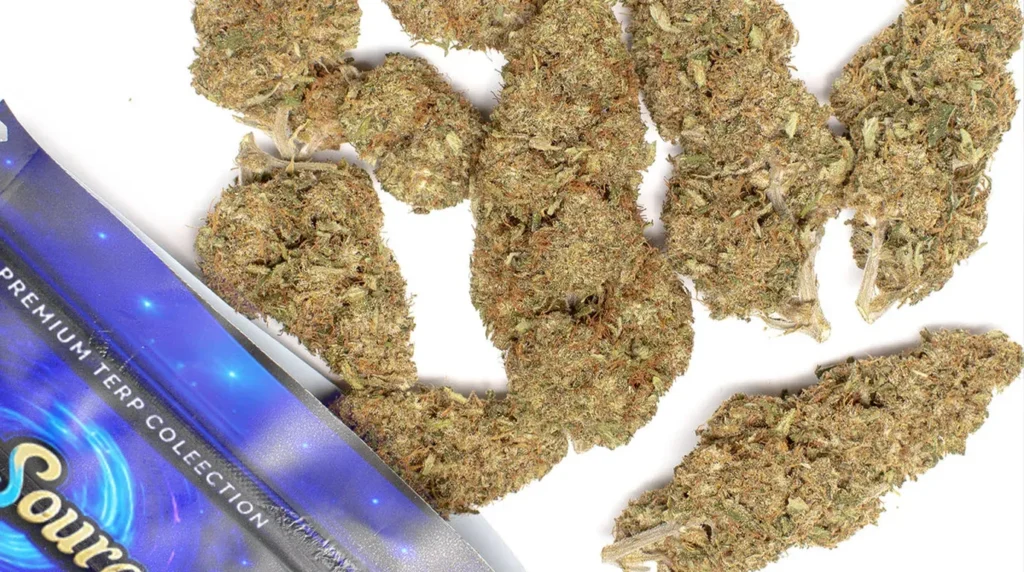
This is what makes THCA flower so fascinating from both a consumer and regulatory standpoint. It looks, smells, and is structured exactly like traditional cannabis, but technically qualifies as hemp if the total THC content stays within legal thresholds before any heat is applied.
Beyond the chemistry, THCA has been gaining real traction in the wellness space for some compelling reasons:
As demand for THCA products continues to climb, understanding exactly where it stands under California law becomes not just helpful but genuinely important for anyone buying or selling it.
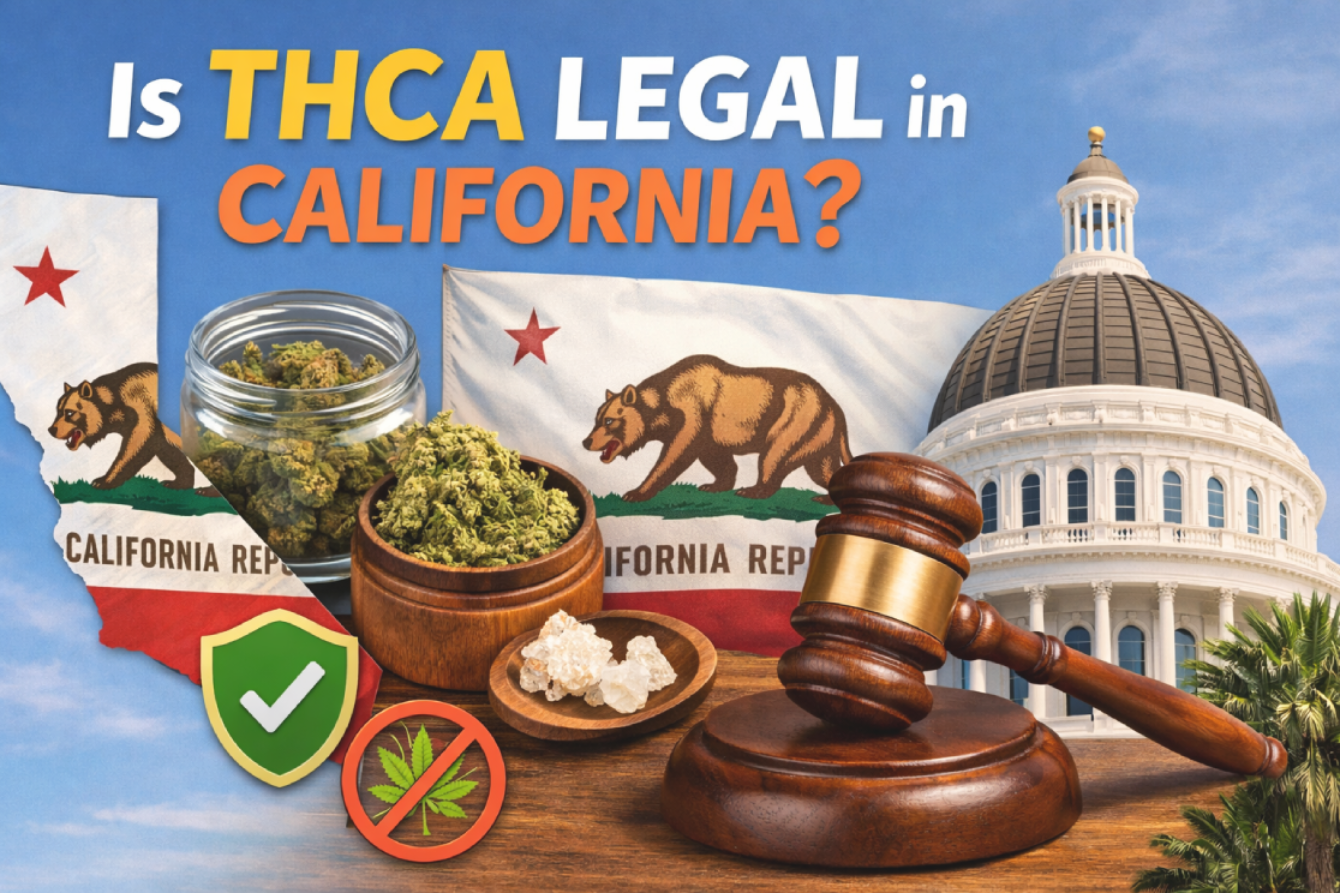
“Yes”, THCA is legal in California, but the full picture is a bit more layered than that. California operates under both its own state cannabis regulations and the federal 2018 Farm Bill, and understanding how those two frameworks interact is key to knowing exactly where THCA sits legally.
Under the 2018 Farm Bill, hemp is federally legal as long as the plant contains no more than 0.3% delta-9 THC on a dry weight basis. California has largely aligned its hemp program with this federal definition, which means hemp-derived THCA products that meet that threshold are generally considered legal to sell and purchase within the state. Here is where it gets nuanced though.
California has long been at the forefront of cannabis reform in the United States, and its legal framework reflects decades of evolving policy. To understand where THCA fits, it helps to first get a solid grasp of how California structures its cannabis and hemp laws overall.
California’s hemp program operates in alignment with the federal 2018 Farm Bill, which legalized hemp and hemp-derived products at the national level. Under this framework, any cannabis plant containing 0.3% or less delta-9 THC on a dry weight basis is classified as hemp and is legal to cultivate, process, and sell. California adopted this definition through its own state hemp cultivation program, overseen by the California Department of Food and Agriculture.
In 2016, California voters passed Proposition 64, the Adult Use of Marijuana Act, making California one of the first states to fully legalize recreational cannabis for adults 21 and older. Here is what that legalization covers:
This recreational framework created a fully regulated commercial cannabis market, separate from but running parallel to the hemp market that operates under the Farm Bill.
California’s dual market structure for flowers actually creates a relatively accommodating environment for THCA compared to many other states. The challenge, as always, lies in maintaining compliance and ensuring products are properly tested, labeled, and sourced from reputable suppliers.
Here is something worth knowing about THCA that often gets lost in the legal conversation: this cannabinoid has a genuinely compelling wellness profile that goes well beyond just being a legal workaround for THC. Researchers, healthcare professionals, and everyday consumers have been paying close attention to what THCA brings to the table on its own terms, and the findings so far are pretty exciting.
THCA is not psychoactive, but that does not mean it is inactive. Quite the opposite. Early research and anecdotal evidence from the wellness community suggest that THCA interacts with the body in ways that could make it a genuinely useful therapeutic compound. Here is what is currently generating the most interest:
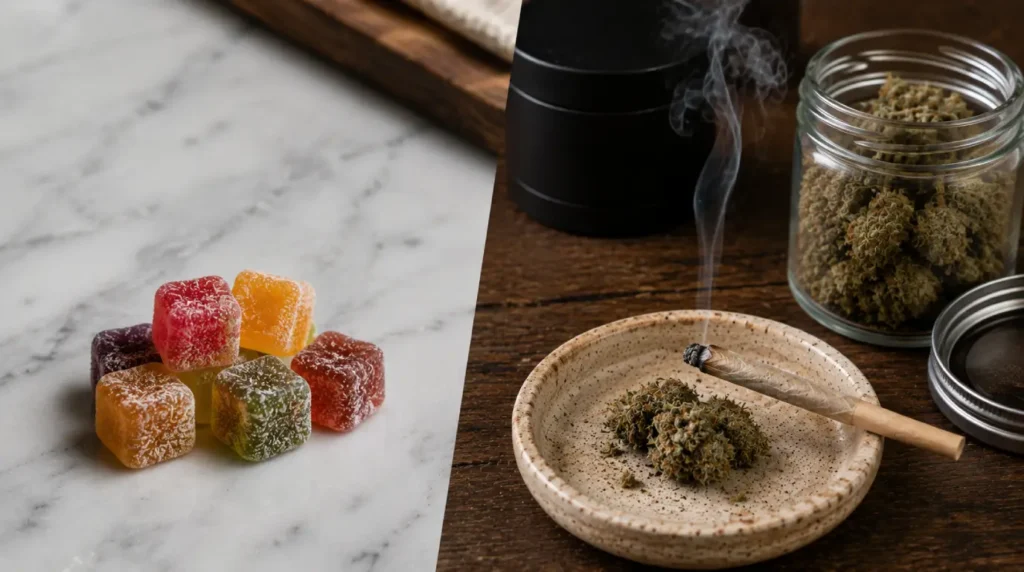
The way consumers are incorporating THCA into their daily routines has expanded significantly over the past couple of years. It is no longer just about smoking THCA flower, though that remains popular. The product landscape has grown into something much more diverse:
Here is something worth appreciating: California is not just reacting to national cannabis trends, it is actively setting them. The state accounts for roughly $5.4 billion in annual legal cannabis sales, making it the largest regulated cannabis market in the world.
California has both the opportunity and the responsibility to build a THCA regulatory framework that actually makes sense, one that protects consumers, supports compliant businesses, and stops leaving flower operators guessing about whether their best-selling flower strain will be legal next quarter.
The honest reality is that regulatory clarity around THCA in California is coming, but it is not fully here yet. For consumers and businesses operating in this space today, the smartest moves are:
The THCA market in California is not going anywhere. If anything, it is about to get bigger, better regulated, and more mainstream than ever. The brands and consumers who stay informed and stay compliant are the ones who will come out ahead no matter what regulatory changes land next.
Is THCA legal under California hemp laws?
Yes, hemp-derived THCA is legal in California as long as the product contains no more than 0.3% delta-9 THC on a dry weight basis and complies with California’s total THC testing standards. Products must be properly lab-tested and labeled to be considered compliant under state hemp regulations.
Is THCA legal in California in 2026?
As of 2026, hemp-derived THCA remains legal in California under both the federal Farm Bill and California’s state hemp program. However, regulations are actively evolving, particularly around total THC thresholds and labeling requirements, so staying updated with the California Department of Food and Agriculture is strongly recommended.
Can THCA be used in California’s recreational cannabis market?
Yes. Marijuana-derived THCA is fully legal within California’s recreational cannabis market and can be purchased by adults 21 and older from any state-licensed dispensary. Hemp-derived THCA, on the other hand, is accessible through general retail and online channels without requiring a dispensary visit.
Are there restrictions on THCA sales in California?
Yes. THCA products sold outside of licensed dispensaries must meet California’s hemp compliance standards, including third-party lab testing, proper labeling, and packaging requirements. High-THCA products that exceed compliant total THC thresholds after the decarboxylation calculation can face legal and regulatory challenges.
What are the benefits of THCA?
THCA is being actively studied for its potential anti-inflammatory, neuroprotective, and antiemetic properties. Unlike THC, it does not produce psychoactive effects in its raw form, making it an appealing option for consumers seeking the potential therapeutic benefits of cannabis without intoxication.
How can California residents stay compliant with THCA laws?
California residents can stay compliant by purchasing THCA products only from reputable brands that provide a valid Certificate of Analysis, confirming both delta-9 THC and total THC levels fall within legal limits. Staying informed about updates from the California Department of Food and Agriculture and the Department of Cannabis Control is equally important as regulations continue to develop through 2026.
The cannabis landscape in California has transformed rapidly, and THCA is part of that ongoing evolution. California continues to shape how flowers are accessed and regulated. Its dual system creates opportunity, but also requires greater awareness and responsibility. THCA’s legal position may continue to evolve, but understanding the rules today helps you stay compliant and confident. After all, the smartest consumers are the ones who always know exactly where they stand.
Walk into enough smoke shops, and you’ll notice the same...
As a person enters the dispensary, there is a possibility...
Most of the cannabis users pay attention to getting the...



Sign up for exclusive wholesale offers, new product alerts, bulk pricing updates and more.

No spam. Unsubscribe anytime. ❤️