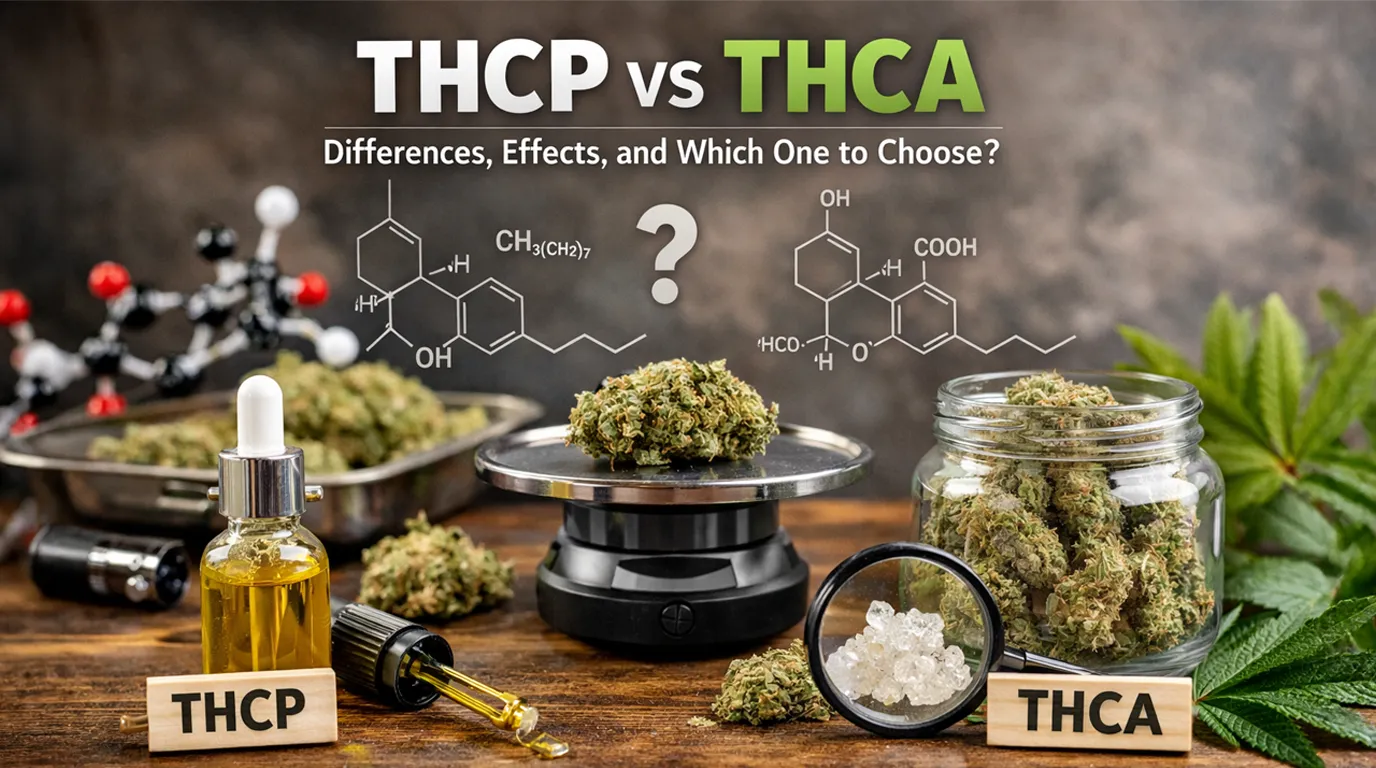
A few years ago, most cannabis shoppers were choosing between THC, CBD, and maybe a handful of familiar products. Today, the cannabinoid market looks very different. Alongside traditional THC options, cannabinoids like THCA and THCP are becoming increasingly common across flower, vapes, concentrates, and infused products. Although their names are similar, they serve very different roles in the cannabis market.
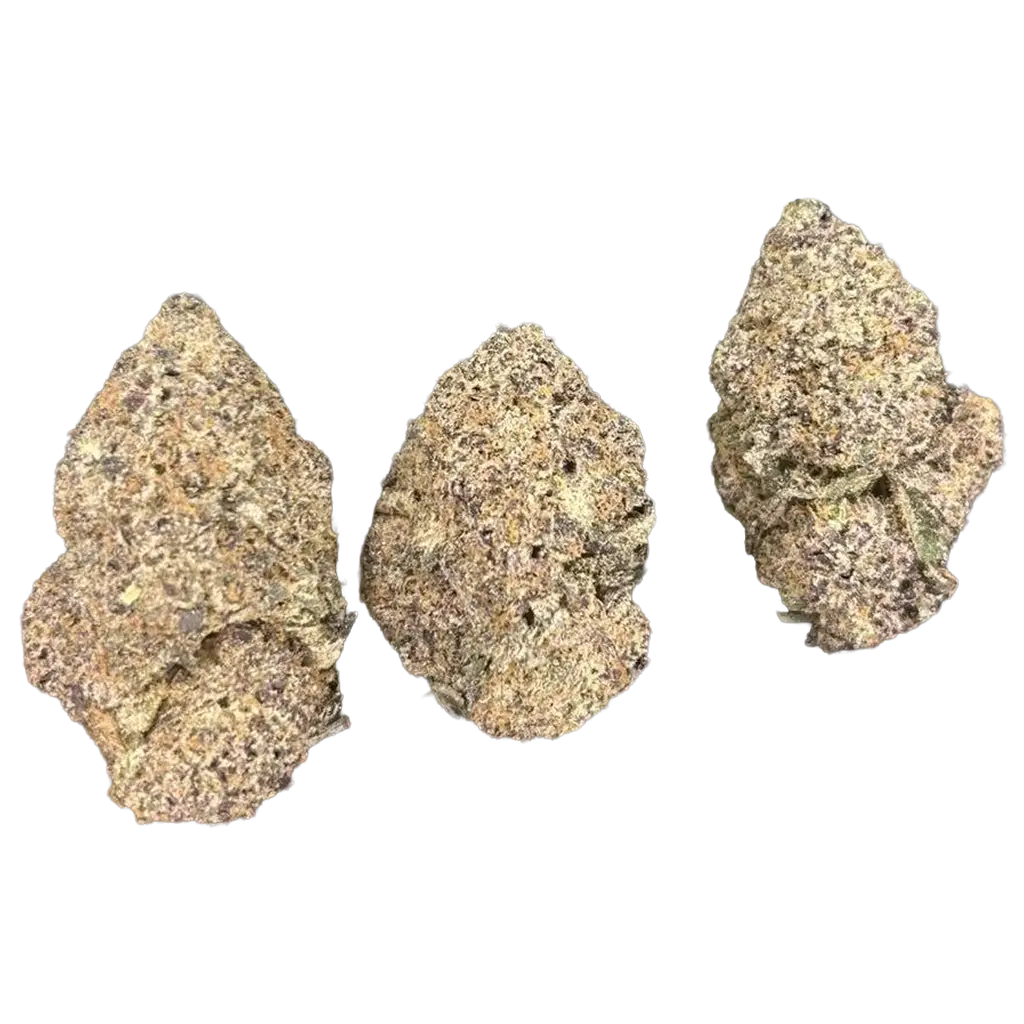
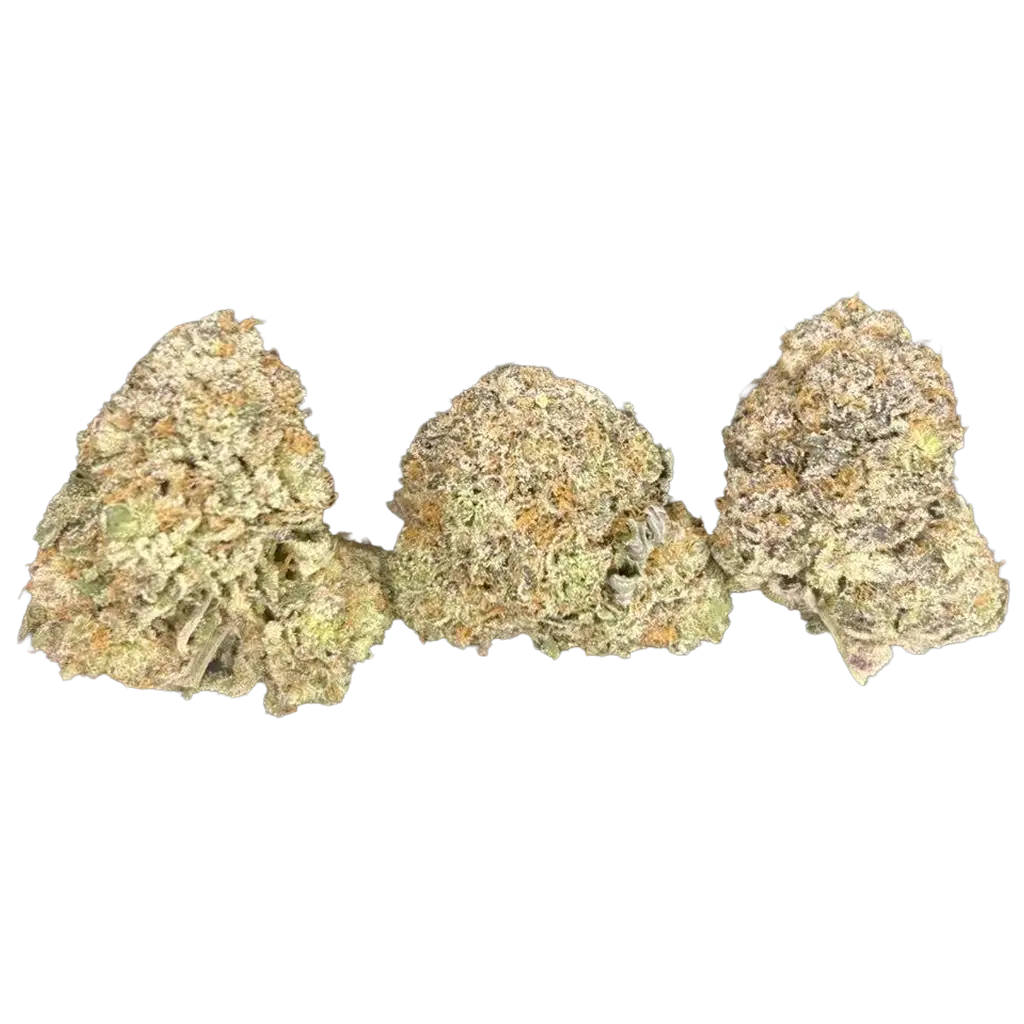
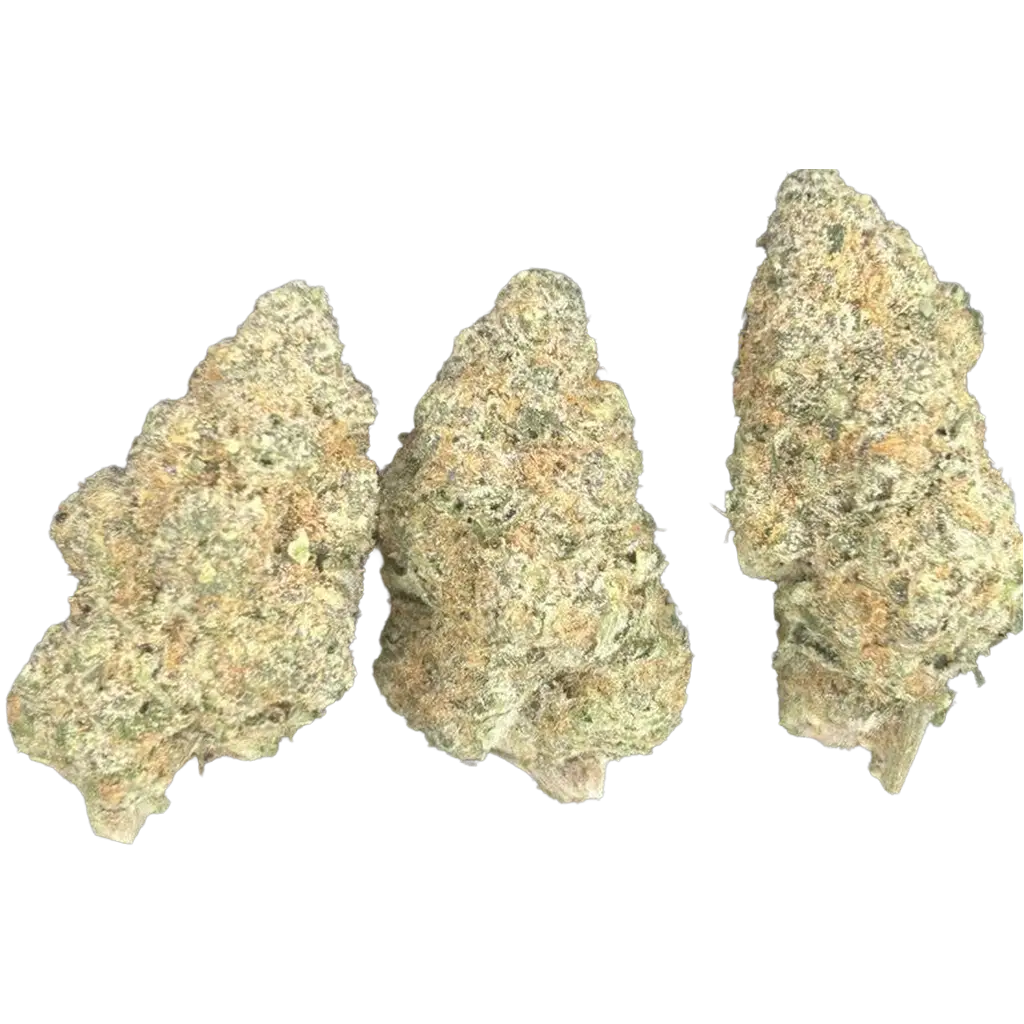
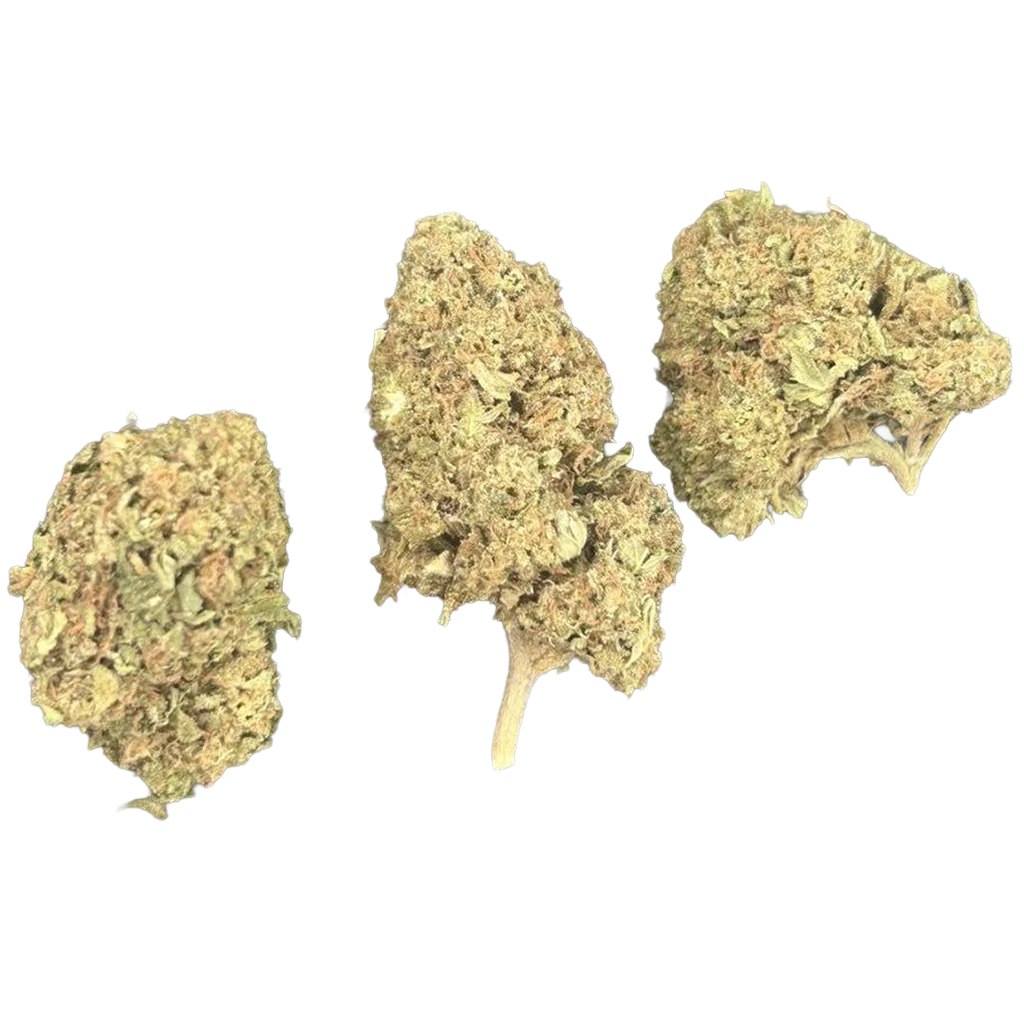
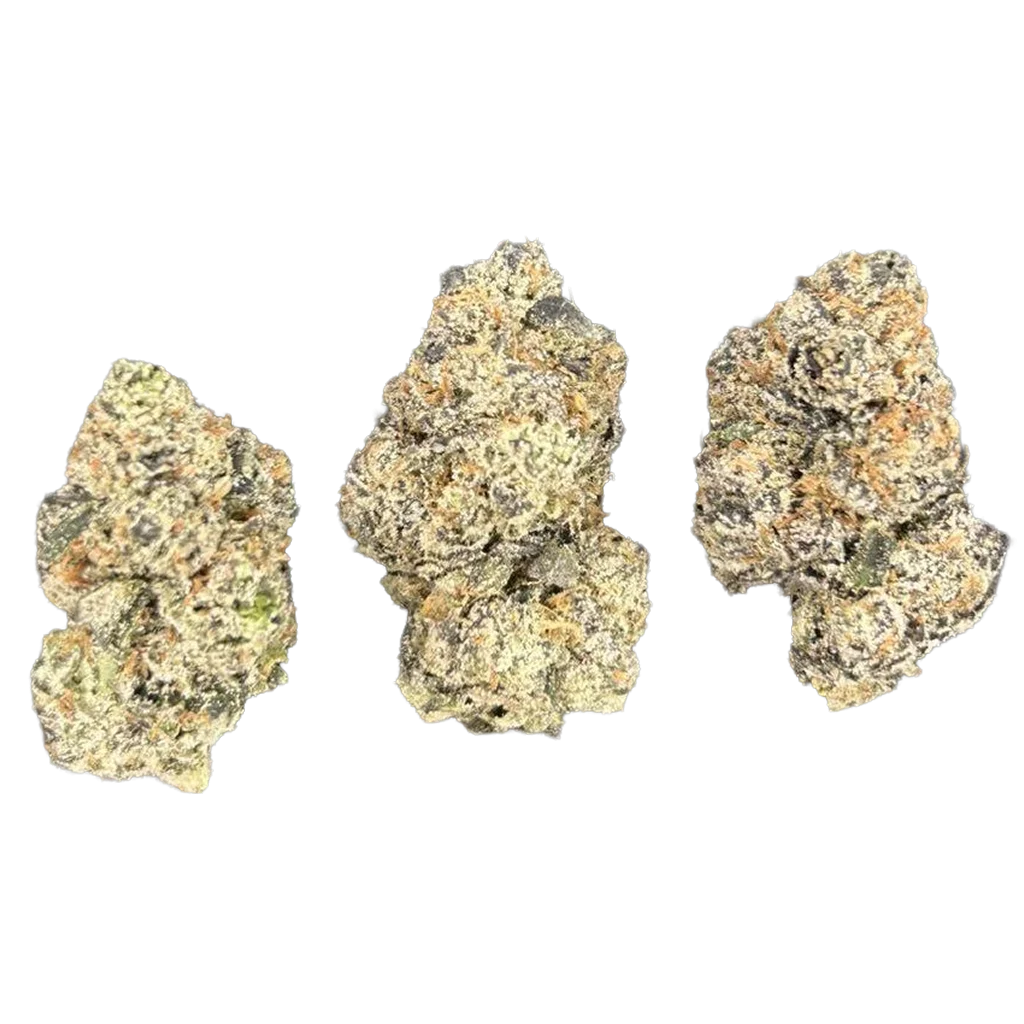
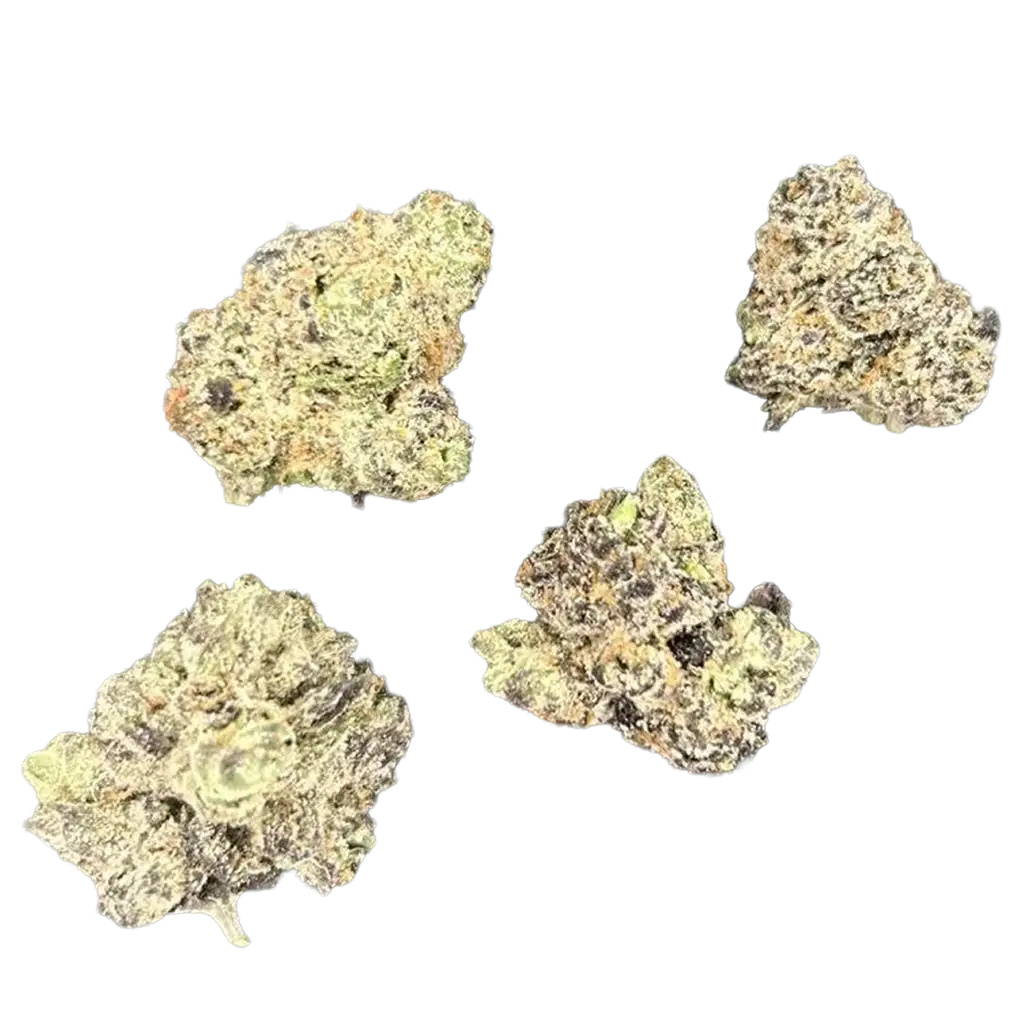
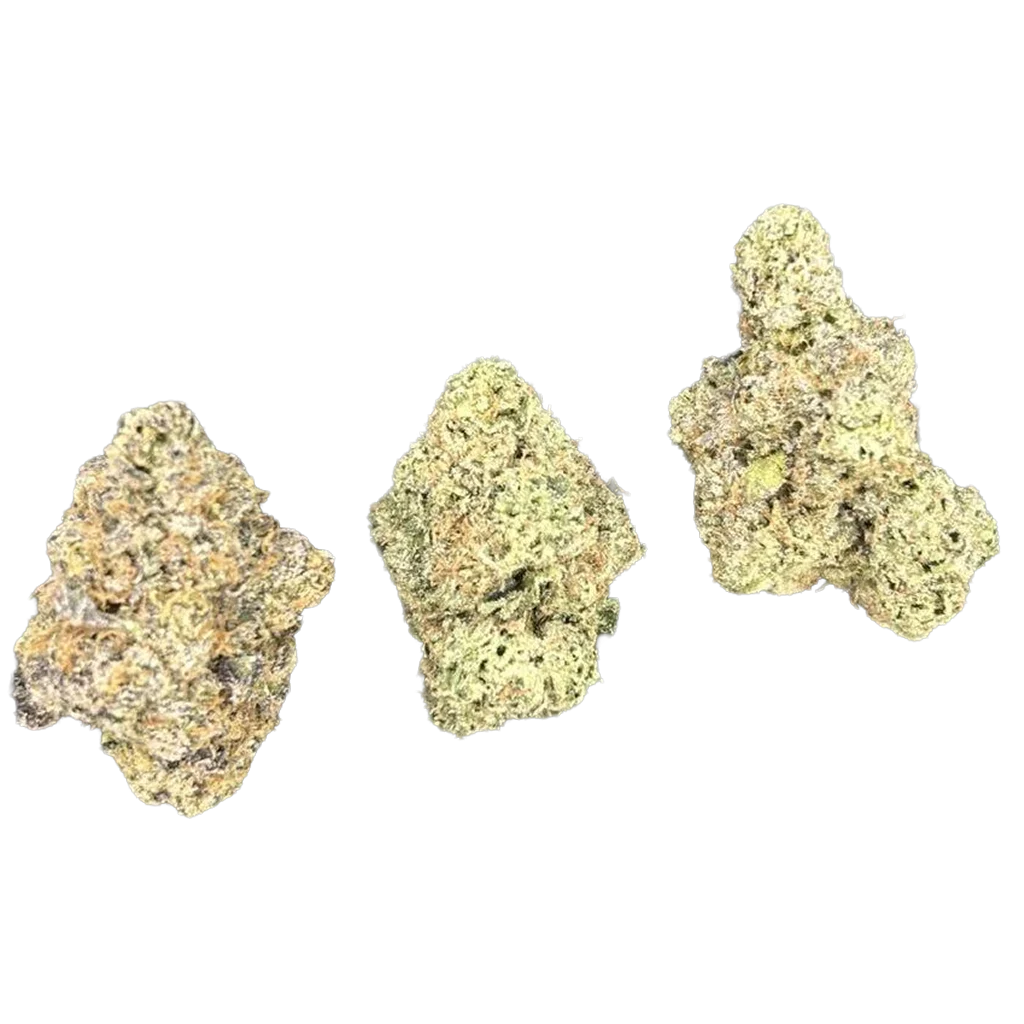
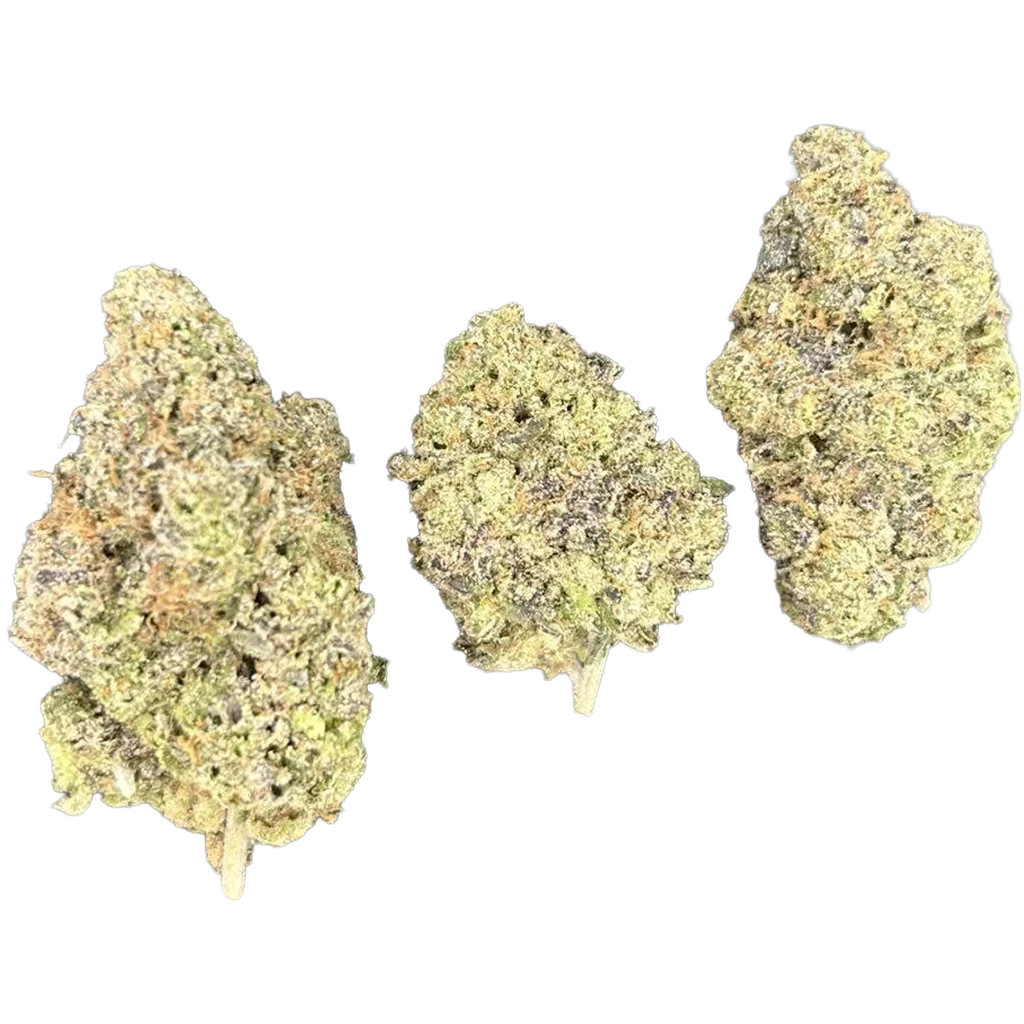
While THCA and THCP sound similar on a label, they usually appear in very different types of cannabis products. Understanding where each cannabinoid is commonly found can make shopping much easier, especially as newer cannabinoid options continue entering the market.
At first glance, THCA and THCP sound almost identical. In reality, they show up in very different products and occupy very different corners of the cannabis market. THCA, short for tetrahydrocannabinolic acid, is one of the primary cannabinoids naturally produced by the cannabis plant. Before cannabis is heated, most of the cannabinoid content exists in the form of THCA rather than THC.
That’s why THCA percentages appear on so many flower labels and dispensary menus today. When consumers shop for premium THCA flower, prerolls, or concentrates, they’re often looking at THCA percentages because those numbers help indicate the cannabinoid content present in the product before consumption.
THCP is a much different story. It occurs naturally in cannabis as well, but only in very small amounts. Most consumers didn’t even hear about THCP until researchers began identifying and studying lesser-known cannabinoids found within the plant.
Because natural THCP levels are extremely low, most shoppers encounter it far less often than THCA. Instead of dominating flower shelves like THCA, THCP is more commonly associated with specialty products aimed at consumers interested in exploring newer cannabinoid categories.
On the surface, THCA and THCP may look similar because both belong to the cannabinoid family. However, their chemical structures are different, which is one reason they’re treated differently throughout the cannabis industry.
THCA contains an additional carboxylic acid group attached to its molecular frame, which makes it entirely non-intoxicating in its raw state. It serves as the natural precursor found in freshly harvested flowers. Only when thermal heat is applied – via smoking, vaporization, or cooking – does the molecule undergo decarboxylation, dropping the acid group to transform into active Delta-9 THC.
Conversely, THCP (tetrahydrocannabiphorol) is an active, fully formed cannabinoid featuring an elongated 7-carbon alkyl side chain. While traditional THC possesses a 5-carbon chain, researchers discovered that this extended molecular tail allows THCP to bind to human CB1 receptors significantly more effectively than standard THC. Because of this structural affinity boost, THCP delivers incredibly intense psychoactive effects even when introduced in trace amounts.
For consumers, the difference isn’t just about packaging – it dictates the raw strength of the experience. Sourcing a THCA product delivers standard, predictable cannabis effects upon heating. Sourcing a THCP formulation introduces an ultra-potent minor compound built specifically for elevated tolerance levels and specialty experimentation.
For a quick overview, the table below breaks down some of the biggest differences between THCA and THCP across product categories, availability, and market positioning.
| Feature | THCA | THCP |
| Natural Availability | Common in cannabis flower | Rare cannabinoid |
| Product Categories | Flower, prerolls, concentrates | Vapes, infused products |
| Market Presence | Mainstream cannabis category | Specialty cannabinoid category |
| Consumer Familiarity | High | Growing |
| Production Scale | Widely available | Limited natural supply |
| Retail Positioning | Traditional cannabis products | Alternative cannabinoid products |
Availability is often the first difference shoppers notice. THCA-rich flower is widely available, while THCP products tend to be limited to specific brands and product lines.
Walk into most dispensaries today, and you’ll usually find dozens of THCA-rich flower options before you find a dedicated THCP product. This difference in availability often influences purchasing decisions just as much as the cannabinoids themselves.
The easiest way to understand these cannabinoids is by looking at where they actually show up in the market.
THCA remains heavily connected to traditional cannabis categories. Consumers who prefer flower-based products are far more likely to encounter THCA-rich products during their search.
In practice, most people choose a product before they choose a cannabinoid. A flower enthusiast may never look at THCP products, while someone who prefers disposable vapes may encounter THCP far more frequently than THCA flower.
One of the most common questions shoppers ask is whether THCA and THCP belong in the same category of cannabis products. While their names are similar, they’re often sold in completely different formats.
THCA is most commonly connected to traditional cannabis products such as flower, prerolls, and concentrates. Because of this, consumers who prefer classic cannabis formats often spend more time exploring THCA-rich products. THCA is one of the cannabinoids consumers see most often when shopping for flower.
THCP is more commonly found in products such as disposable vapes, infused concentrates, and cannabinoid blends. Consumers interested in newer cannabinoid options often encounter THCP while exploring products outside traditional flower categories.
For many shoppers, the comparison is less about choosing a better cannabinoid and more about choosing the type of cannabis experience and product category that best matches their preferences.
It’s easy to focus on cannabinoid names when comparing products, but the product itself often has a bigger influence on the buying decision. Someone looking for top-shelf flower is usually evaluating aroma, terpene content, appearance, and cultivation quality. Someone shopping for a disposable vape is often looking at completely different factors. That’s why THCA and THCP comparisons can sometimes be less useful than comparing the actual products being considered.
THCP products operate in a different segment. Most are sold as part of vape formulations, infused products, or cannabinoid blends. Consumers exploring these products are often looking for something different from the traditional flower experience.
This is why comparing cannabinoids without considering the product can create an incomplete picture, similar to discussions around thcv vs thca. In many cases, the decision isn’t really THCA versus THCP. It’s flower versus vape, traditional cannabis versus specialty formulations, or familiar products versus newer cannabinoid categories.
There isn’t a single answer because different consumers approach cannabis products with different goals.
Flower enthusiasts often gravitate toward THCA-rich products because those cannabinoids naturally dominate premium flower categories. These categories remain the foundation of the cannabis market and continue attracting shoppers who prefer conventional cannabis products.
Shoppers who prefer vapes and infused cannabinoid products are much more likely to come across THCP formulations during their search. These consumers often explore emerging cannabinoid categories as new products enter the market.
Some consumers actively explore emerging cannabinoid categories as new products enter the market. Rather than choosing one cannabinoid and sticking with it, they explore multiple categories depending on availability, product quality, and personal preference.
When evaluating thca vs thcp, most purchasing decisions ultimately come down to product type, availability, and individual preference rather than the cannabinoid name alone.
There isn’t a simple answer when comparing THCP vs THCA because the better option often depends on the type of product you’re actually looking for. It’s easy to get caught up comparing cannabinoid names, but most shoppers end up making decisions based on product type, availability, and familiarity.
If you enjoy traditional cannabis products such as flower, prerolls, and concentrates, THCA-rich products will likely feel more familiar. THCA remains one of the most common cannabinoids found in premium flower, which is why it continues to dominate dispensary shelves and wholesale cannabis inventories. Consumers who appreciate terpene-rich flower and traditional cultivation methods often find themselves gravitating toward THCA products, much like shoppers comparing hybrid vs indica cultivars.
THCP tends to appeal to consumers who are interested in exploring newer cannabinoid categories. It’s commonly found in specialty products such as disposable vapes, infused concentrates, and cannabinoid blends. For many shoppers, the choice isn’t really about which cannabinoid is better. It’s about which product category fits their preferences, budget, and overall cannabis experience.
In many dispensaries, a shopper could spend several minutes browsing flower without seeing a single THCP product. On the other hand, someone exploring vape brands may encounter THCP regularly because those products are often marketed toward consumers interested in alternative cannabinoids.
As cannabinoid options continue expanding, shoppers are seeing more labels, more product formats, and more cannabinoid names than ever before. While THCA remains one of the most recognizable cannabinoids in premium flower, prerolls, and concentrates, THCP has carved out a place within specialty cannabinoid products and alternative formulations.
For most people, the decision isn’t really THCA versus THCP. It’s flower versus vape, traditional cannabis versus newer cannabinoid products, or familiarity versus experimentation. Understanding where each cannabinoid is commonly found can make it much easier to choose a product that matches your preferences.
The main difference is that THCA is a non-psychoactive acid precursor that requires heat to convert into standard THC, whereas THCP is a fully active minor cannabinoid whose unique molecular structure makes it significantly more potent than traditional THC.
Yes. THCA is one of the most abundant cannabinoids naturally produced by the cannabis plant and dominates raw flower shelves. THCP occurs naturally only in trace, microscopic amounts and is primarily restricted to specialty formulations.
They can. Some manufacturers create cannabinoid blends that include multiple compounds in a single formulation. Depending on the product, consumers may find THCA, THCP, and other cannabinoids combined together as part of a broader cannabinoid profile.
THCP is most commonly found in disposable vapes, infused concentrates, hemp-derived formulations, and specialty cannabinoid products. Compared to THCA, it is much less likely to appear in traditional flower categories and is often marketed toward consumers exploring newer cannabinoid options.
Most cannabis flower naturally contains THCA before heat is applied. Because of that, brands and dispensaries frequently display THCA percentages on product labels to help consumers understand the cannabinoid content present within the flower before consumption.
Yes, but it occurs in very small amounts compared to cannabinoids like THCA and THC.
For the most part, yes. Flower, prerolls, and concentrates remain the most common categories where consumers encounter THCA-rich products.
As more cannabinoids enter the market, consumers naturally want to understand how they differ. Many comparisons come from shoppers trying to decide between traditional cannabis products and newer cannabinoid formulations before making a purchase.
Neither cannabinoid is automatically better. The right choice depends on whether you’re looking for flower, concentrates, vapes, or other cannabinoid products.