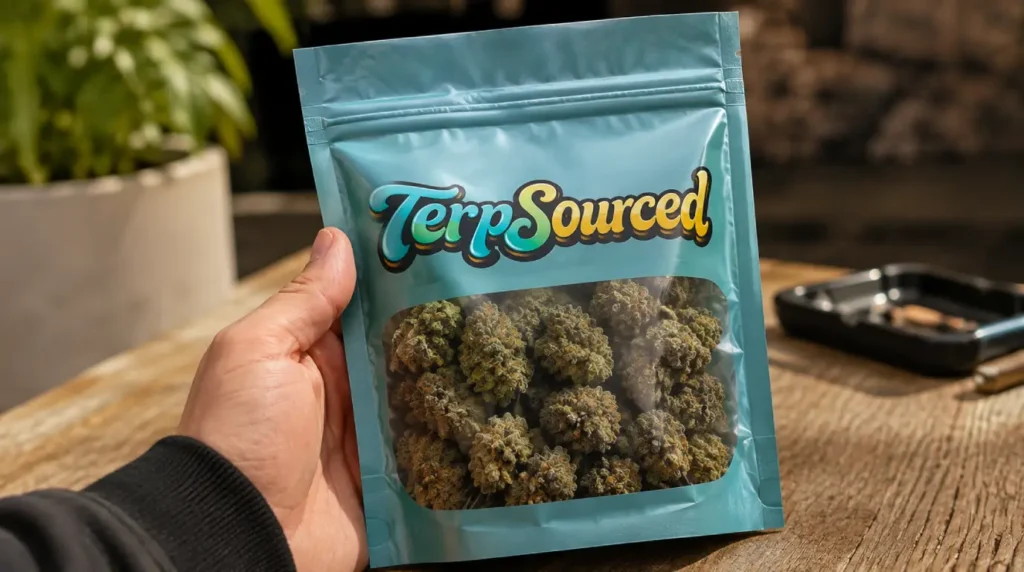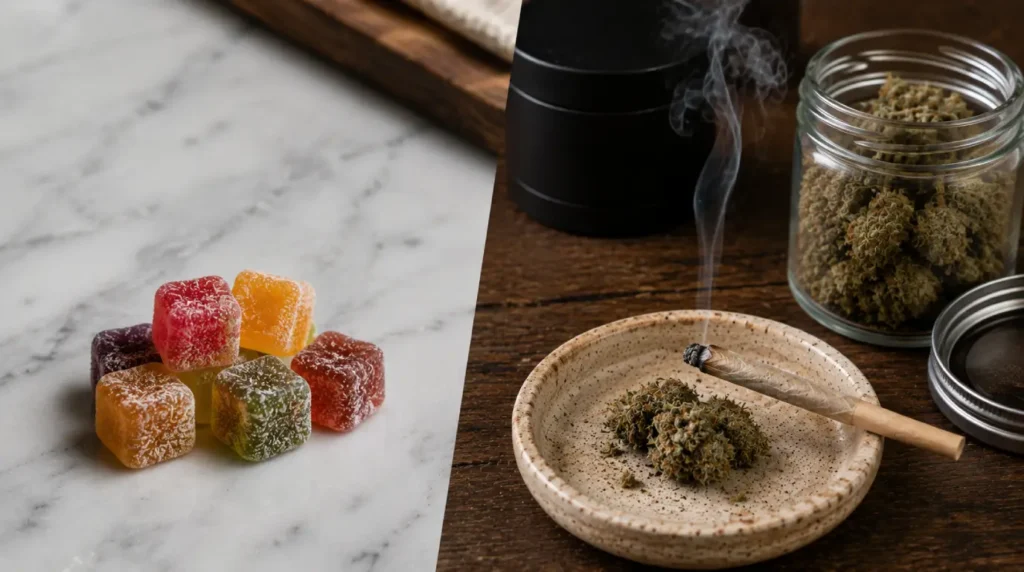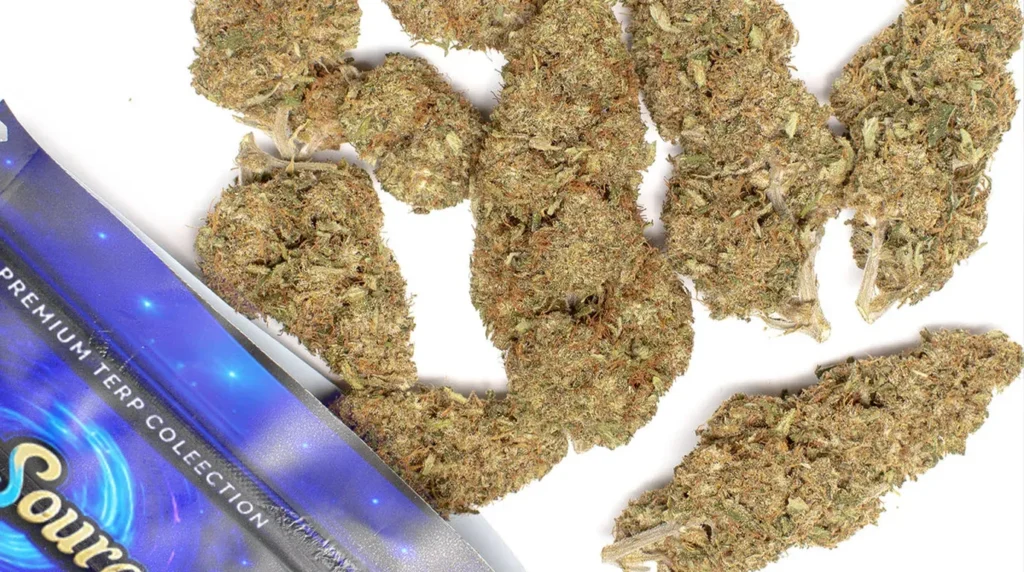
Yes. If you are wondering, is THCA Legal in Los Angeles? It’s a green flag for you as it’s legal in California. As Los Angeles sits inside California’s fully legalized cannabis system, built on Proposition 64, which means THCA already has a clear green flag, but only when it moves through licensed channels. If some random headline has made it sound sketchy, that’s just a noise, and not reality. On top of that, hemp-derived THCA still exists under the 2018 Farm Bill as long as delta-9 THC stays under 0.3% on a dry weight basis—two lanes, one compound, both active in LA’s ecosystem.
So whether you’re moving bulk, filling menus, or just trying to avoid getting stuck with sprayed garbage, this guide breaks down what’s actually legal in Los Angeles, what’s risky, and what’s straight hype.
Los Angeles didn’t create its own cannabis rules; it enforces California law, and that starts with Proposition 64, passed in 2016. This law built the legal framework that allows adult-use cannabis sales only through recognised licensed channels, which is where THCA fits cleanly when it’s handled properly. If it’s grown, tested, and sold through the state system, it’s legit. No guessing.
Now layer in the federal side. The 2018 Farm Bill opened the door for hemp-derived cannabinoids, including THCA, as long as delta-9 THC stays below 0.3% on a dry weight basis. That’s where the second lane originates and also where the epicenter of confusion starts. On paper, it looks like a free pass. In reality, it’s where “exotic on paper, mid in practice” products flood the market, especially in cities like LA, where demand never sleeps.
But, over time, here’s what changed. Regulators are no longer looking at THCA like it exists in a vacuum. They’re factoring in conversion. Heat it, and it turns into THC instantly. That means compliance isn’t just about what’s printed on the label. It’s about what the product becomes when it’s actually used.
Los Angeles has been stepping up enforcement, especially against unlicensed hemp-derived products being sold outside the regulated system. Smoke shop inventory and mystery online drops are under increasing scrutiny. That whole lane? It’s rapidly getting squeezed.
Meanwhile, every ounce of licensed cannabis stays protected. Real indoor from a real licensed grow moves through testing, tracking, and distribution systems that keep everything above board. That’s the difference between “premium promise, average performance” and a product that actually holds weight legally and experientially.
If you really want to understand how THCA ended up in this weird “legal but watched” position in Los Angeles, you need to follow the timeline—not the hype. Because this didn’t happen overnight. It evolved step by step, and every phase opened doors while quietly setting traps for people who weren’t paying attention. Here’s the real breakdown, clean and unfiltered:
This timeline is a warning and a strategy guide at the same time. One lane is built for longevity, compliance, and consistent quality. The other? It gave people fast access, but now it’s facing real pressure.
Los Angeles is running on two parallel THCA lanes, and pretending they’re equal is how people end up with “premium promise, average performance” both legally and operationally. Same compound, completely different rulebooks. One is built on compliance, testing, and traceability. The other rides the edge of federal interpretation and shrinking loopholes.
The Dispensary Lane: Built for Stability
This is a proven fact that the regulation-backed Proposition 64 system still sets the standard for the dispensaries. Licensed cultivation, tracked distribution, verified testing, everything under this system was built through a controlled pipeline that regulators actually recognize and protect.
This is where real indoor from a real licensed grow lives. It might cost more, but it holds weight, legally and in the session.
Now we’re talking about the Farm Bill side. Hemp-derived THCA exists because delta-9 THC is capped at 0.3%, but that doesn’t mean regulators ignore what happens after heat. This is the lane where things get messy and where most of the “designer jar, discount experience” products come from.
This is where you see “nose says fire, lungs say fraud.” It smells right, looks right, but doesn’t hold up when it actually matters.
Dispensary THCA is already inside the system. Hemp-derived THCA is still trying to stay ahead of it. That’s why enforcement in Los Angeles is leaning harder on unregulated products. Smoke shops, gas stations, and questionable online sources are getting more attention, not less. The gap between these two lanes is widening every quarter.
If it’s coming from a licensed dispensary, it’s structured, tested, and legally protected. If it’s coming from the hemp side, you need to look twice—because what looks compliant today might not hold tomorrow. In Los Angeles, this isn’t just about what you smoke or sell—it’s about how long you can keep doing it without getting shut down.
Yes, but only if you’re reading the law the way the hemp industry wants you to read it. The 2018 Farm Bill legalized hemp, not psychoactive cannabis, and it did that by focusing strictly on delta-9 THC levels. If delta-9 stays under 0.3% on a dry weight basis, the product qualifies as hemp. That’s the opening THCA slipped through.
Here’s the trick most people miss. THCA itself isn’t psychoactive, but when the second heat hits it, it converts into THC instantly. That means the law is measuring only one aspect, while the real-world effect delivers something else entirely. This gap is exactly why THCA exploded in popularity, and why regulators are now circling back to tighten it.
The Farm Bill didn’t “legalize THCA.” It legalized hemp based on a narrow definition that left room for interpretation.
That’s how you ended up with shelves full of products that look like cannabis, smell like cannabis, and feel like cannabis, but sit under hemp labeling.
This is where reality starts catching up. Regulators are no longer ignoring conversion potential, and the shift toward total THC is already happening across policy discussions.
Translation? What worked in 2020 doesn’t hold the same weight in 2026. The game and ground have changed now.
Even though federal law sets the baseline, Los Angeles doesn’t operate on loopholes—it operates on enforcement. And right now, enforcement is leaning away from unregulated hemp-derived THCA. This is why you’re seeing a clear divide in the market. Licensed cannabis stays stable, while the hemp side feels like “hyped on the shelf, humbled in the session”—and sometimes humbled by regulators too.
If you’re dealing with a product that only makes sense because of a technicality, you’re already in a risky lane. In Los Angeles, the smartest move isn’t chasing loopholes—it’s aligning with systems that are built to last. Because when the rules tighten—and they will—the difference between compliant and questionable becomes very real, very quickly.
What you can buy in Los Angeles and what you should buy are two completely different conversations. The market is flooded right now. Some of it is clean, compliant, and built to last. The rest? “Gold wrapping, bronze smoke.” Looks premium, burns like a mistake, and sometimes carries legal baggage you don’t see coming.
Los Angeles gives you access to both lanes—licensed cannabis and hemp-derived THCA—but they don’t carry the same weight. If you’re not paying attention, you’ll end up with something that’s “hyped on the shelf, humbled in the session.”
You’ll see a wide range of THCA products across the city, but they fall into clear categories depending on where they come from and how they’re regulated.
Here’s where most people mess up. They focus on the product type instead of where it came from. Same label, completely different reality. Dispensary products go through testing, compliance checks, and supply chain tracking. Hemp-derived products? Not always. That’s how you end up with “first whiff wins, every puff loses.”
If it’s not backed by real lab data and a verifiable source, you’re trusting packaging more than product—and that’s never a smart move in this market.
Los Angeles has opportunities, but it also has traps. And most of them look good at first glance.
That’s where “designer jar, discount experience” lives. And once you’ve been burned once, you start spotting it instantly.
California is the engine behind most of the THCA flower moving across the country. There is no debate in this. The climate dials in the grow, the regulations pressure-test every batch, and the infrastructure moves volume without breaking flow. If you’re sourcing from outside California while operating in Los Angeles, then you’re taking unnecessary risks and calling it a real deal.
This market doesn’t run on hype—it runs on weights. The real players aren’t browsing menus; they’re locking in volume, building consistency, and making sure every batch holds up beyond the first impression. Because in this game, “looks loud, lands quiet” isn’t just a bad product—it’s lost trust.
The buying side is sharp. You’ve got storefront operators restocking shelves, out-of-state players pulling compliant California product, and catalog builders stacking inventory that actually moves. Nobody is serious about gambling on an unknown supply when California has already solved the quality equation.
About Pricing? It’s tiered, and it tells you everything about the product before you even open the bag.
We’ve seen the spread land anywhere from $800 to $2,200 per unit, depending on strain, cultivation quality, and how deep you’re buying. But here’s the part most people learn the hard way. Cheap only works if it sells again. If you’re sourcing from licensed channels or trusted platforms like TerpSourced, you’re building something stable. If you’re chasing cheap or chasing hype, you’re stacking risk.
Because “exotic name, everyday smoke” doesn’t survive long in Los Angeles. And once your shelf gets that reputation, it’s hard to shake. So yeah, California dominates for a reason. The real question isn’t why source from here—it’s why anyone serious would look anywhere else.
Finding a THCA supplier in California isn’t hard. Finding one that won’t wreck your operation is where most people fail. Everyone talks about compliance, but not everyone lives it. And in this market, “craft vibes, commercial quality” is everywhere, sounds premium, performs average, and collapses under pressure.
First thing you need to understand is the two-lane system again. Hemp-derived THCA and state-licensed cannabis don’t move the same way, and mixing them up is how people get caught slipping.
Hemp-derived THCA operates under the 2018 Farm Bill. If delta-9 THC stays below 0.3%, it can legally move across state lines (at least on paper). That’s the entire model behind online THCA sellers. Source from a legal state like California, then ship into markets where hemp is still allowed as a simple structure. But simple alone doesn’t mean safe.
Now flipping the other chapter. State-licensed cannabis, including the Prop 64 system, is restricted inside California. Period. It doesn’t matter if the destination state also has legal cannabis. The second that product crosses state lines, it becomes federally illegal. No workaround. No loophole.
Then comes the part most buyers ignore. The destination rules! Just because something ships legally from California doesn’t mean it lands legally where you are. You must check these too
That’s why “exotic on paper, mid in practice” isn’t just about product quality anymore—it’s about legal assumptions that don’t hold up.
Actually, you’re not just buying a product; you’re buying reliability, consistency, and protection from bad decisions.
Because the truth is simple, anyone can ship a product. Not everyone can ship a product that holds up legally and experientially.
So, is THCA Legal in Los Angeles? Yes, but only when it aligns with state compliance, total THC evaluation, and licensed distribution channels. Questions like Is THCA legal in California, THCA laws California 2026, and Is THCA federally legal all point to one reality—this market rewards clarity, not shortcuts.
This is where Platforms like TerpSourced help you avoid “gold wrapping, bronze smoke” by connecting you with verified, high-quality supplies that meet real compliance standards. In a space full of noise, that’s how you stay ahead. And above all, stay legit!
Legal Disclaimer: This article is for informational purposes only and does not provide legal, medical, or therapeutic advice. All product information relates to hemp-derived material tested to verify delta-9 THC levels ≤ 0.3% (dry weight), consistent with the 2018 Farm Bill. Businesses are responsible for ensuring compliance with applicable federal, state, and local regulations.
Yes, but only when it follows California cannabis laws, including licensing, testing, and labeling requirements. Products outside regulated channels may exist, but they introduce legal risks. Compliance depends on total THC potential, not just raw THCA levels, which is where many misunderstandings begin for new buyers and operators.
Yes, once heat is applied, THCA converts into THC, which produces psychoactive effects. That’s why regulators evaluate conversion potential during compliance testing. Many people assume THCA is harmless, but that belief ignores how quickly it transforms during real-world consumption.
Because not everything labeled THCA is premium. Some products rely on looks rather than performance—“good in pictures, bad in rotation.” Poor cultivation, artificial enhancement, or improper curing can all impact the final experience, even if the product looks top-shelf initially.
It depends on the source. If the seller operates within legal frameworks and provides verified lab testing, it’s safer. However, many online products bypass compliance standards, which creates both legal and quality risks. Always verify documentation before making any purchasing decisions.
Yes, regulations are evolving as authorities close loopholes and refine enforcement around total THC potential. The market is shifting toward stricter compliance, which means relying on gray areas is becoming less sustainable over time for anyone operating seriously in this space.
Walk into enough smoke shops, and you’ll notice the same...
As a person enters the dispensary, there is a possibility...
Most of the cannabis users pay attention to getting the...



Sign up for exclusive wholesale offers, new product alerts, bulk pricing updates and more.

No spam. Unsubscribe anytime. ❤️