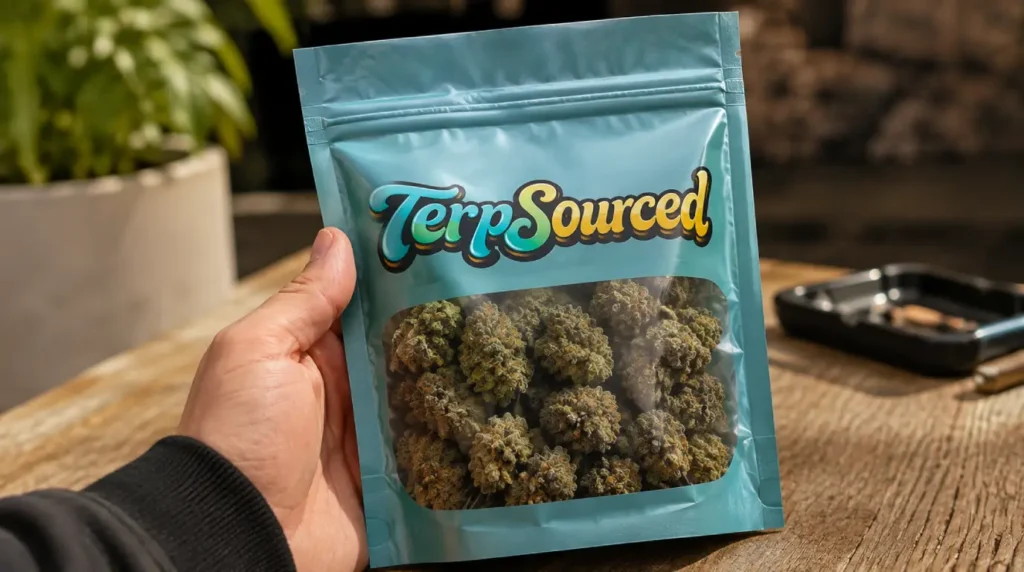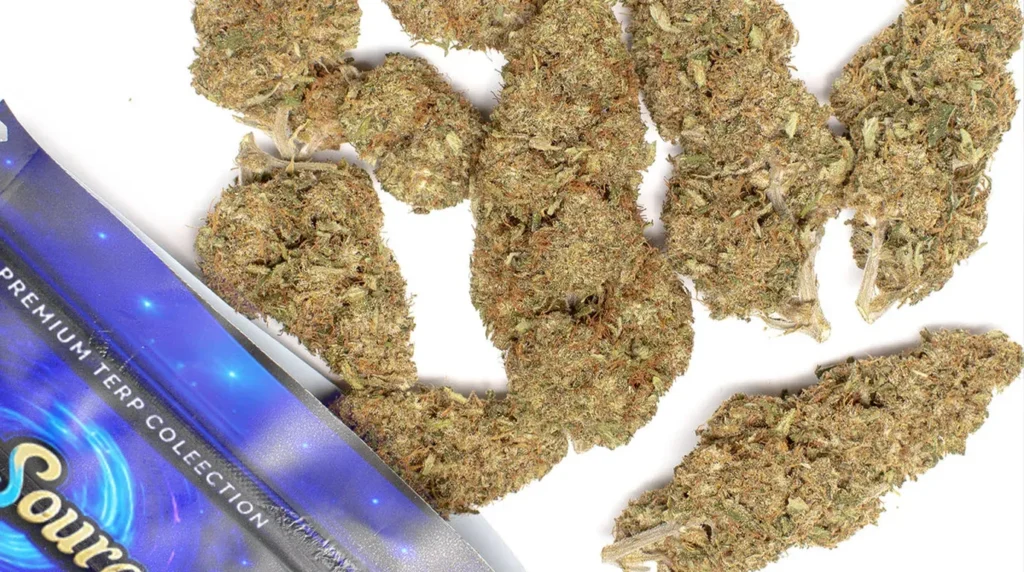

Candy-forward cultivars have become increasingly visible across premium cannabis shelves as buyers continue seeking flower with strong aroma retention, dense trichome coverage, and distinctive terpene expression. Known for combining sweet candy-forward notes with fuel-heavy undertones, the cultivar remains highly competitive across boutique flower shelves and premium THCA flower inventory.
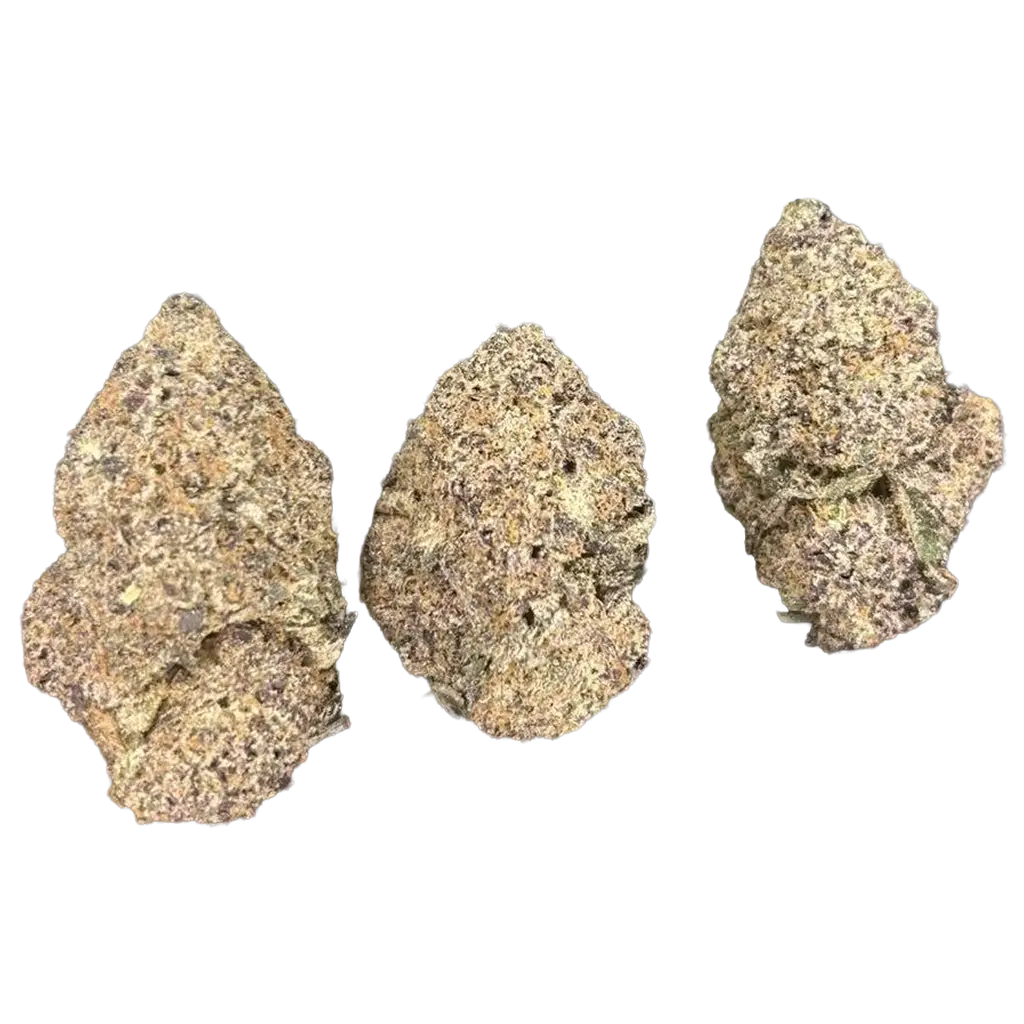
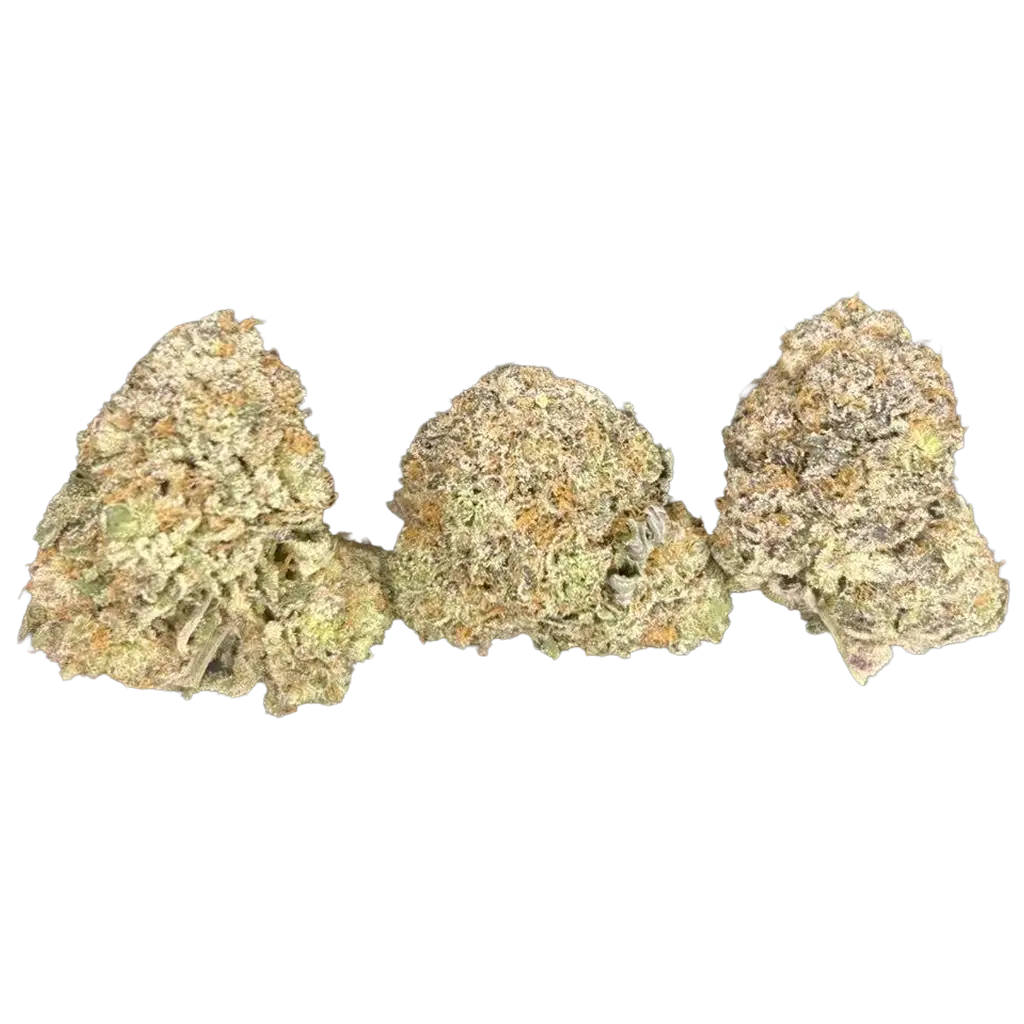
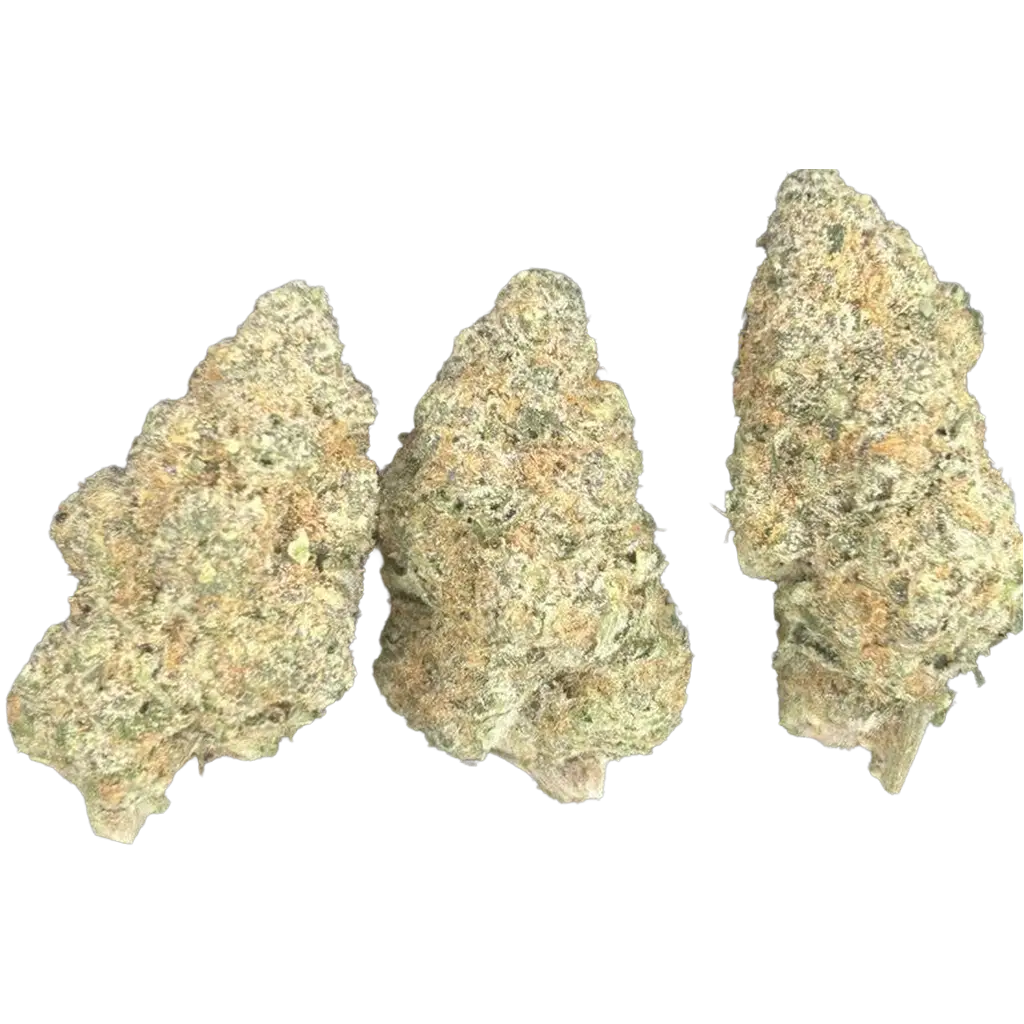
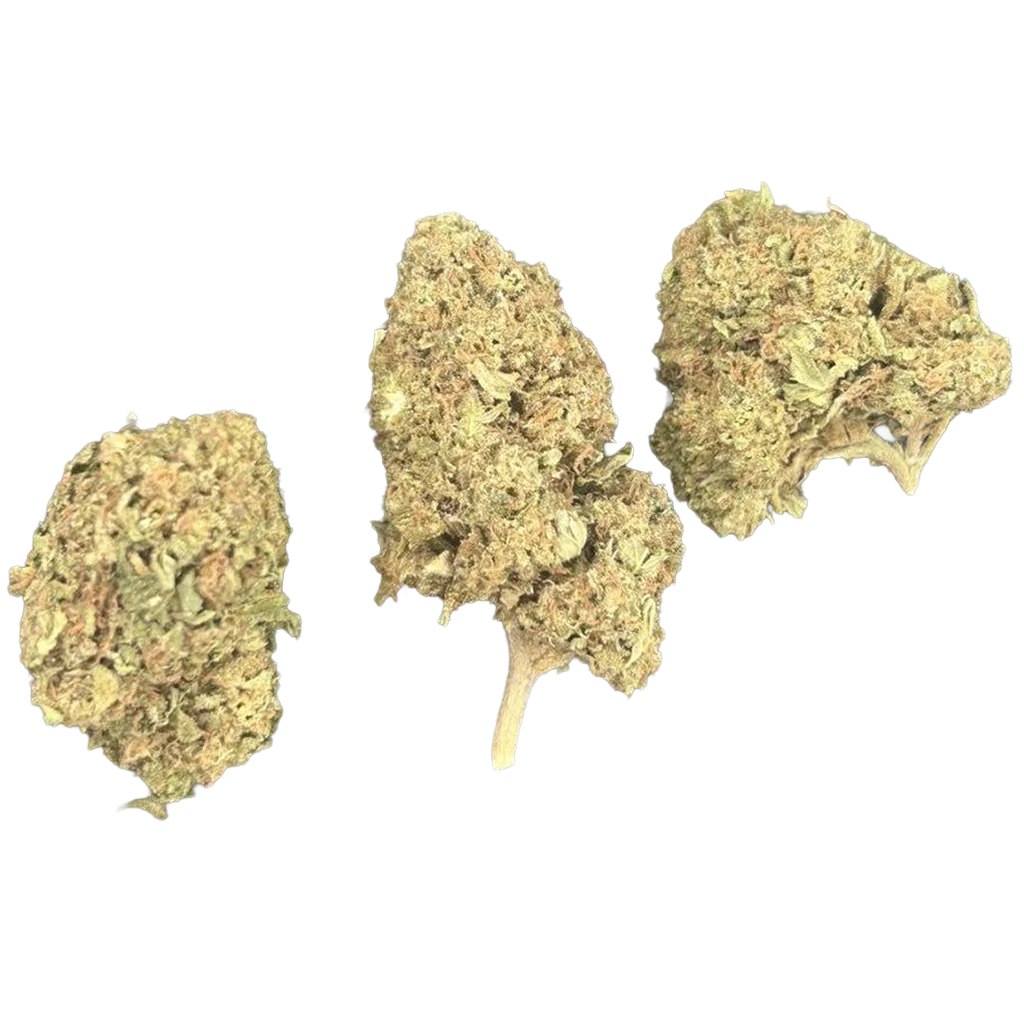
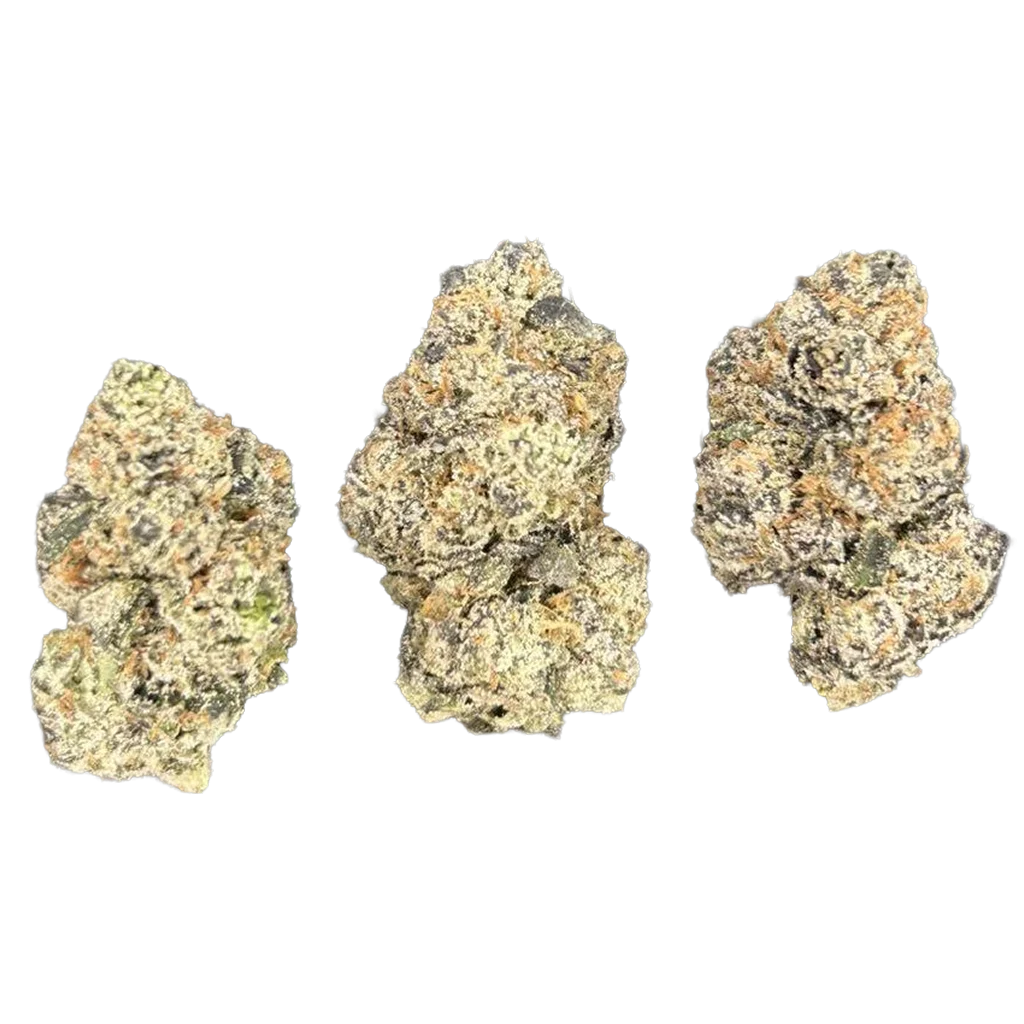
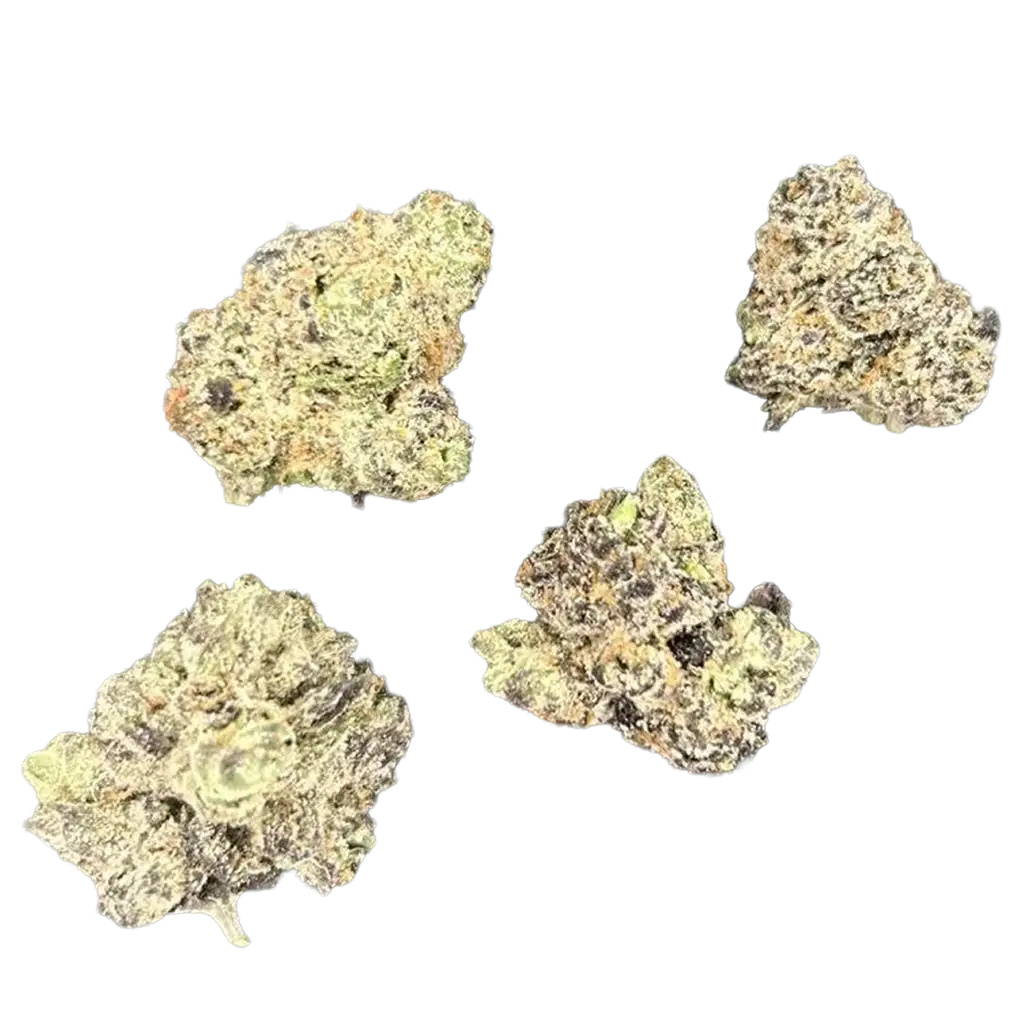
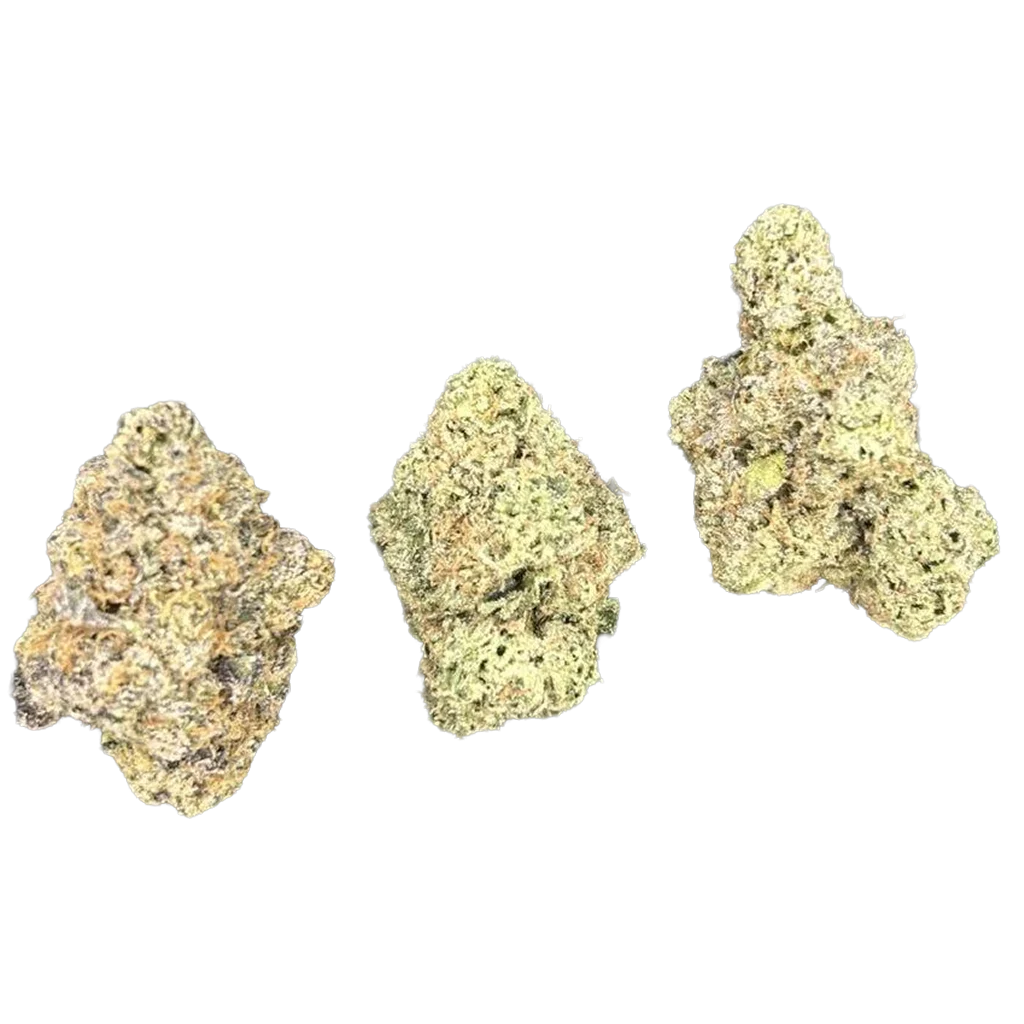
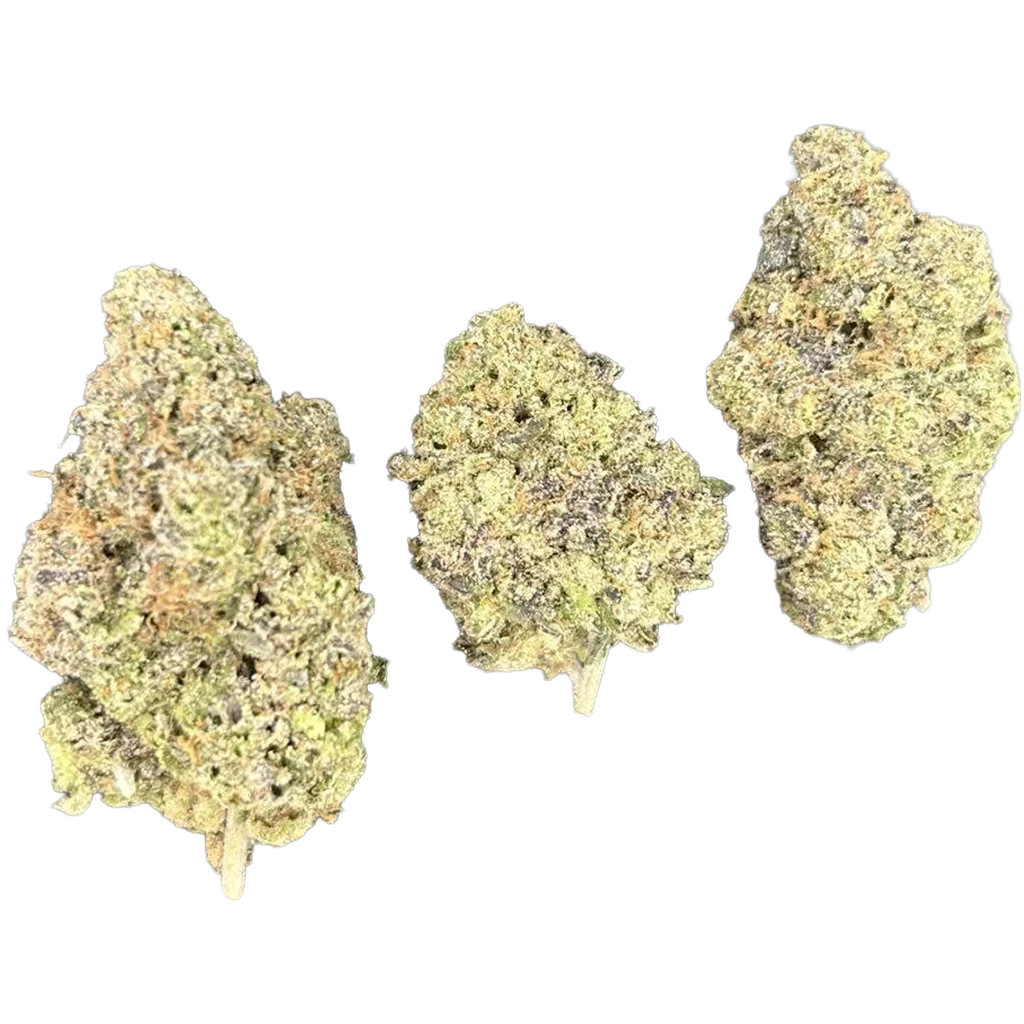
Many growers prefer producing Candy Gas indoors because stable temperatures and humidity make it easier to preserve the cultivar’s sweet candy aroma and fuel-heavy terpene profile through harvest and cure.
Rather than referring to a single cultivar, Candy Gas is often used to describe a flower that combines sweet candy-like aromas with a noticeable fuel-forward finish. In most commercial cannabis markets, the profile is recognized for balancing sugary candy notes with sharp diesel undertones that remain noticeable throughout grinding, curing, and smoke production.
When grown well, Candy Gas tends to develop dense buds coated in resin, giving it the frosty appearance many cannabis enthusiasts look for in exotic flowers. These characteristics make the cultivar highly competitive across premium retail flower categories where shelf appeal and aroma retention heavily influence purchasing behavior.
Over the last few years, terpene-heavy flower categories have become much more competitive across boutique cannabis shelves. Strains carrying candy-forward sweetness alongside fuel-heavy aroma profiles continue performing well across boutique dispensary shelves and THCA prerolls inventory.
Most Candy Gas cultivars trace their flavor profile back to modern dessert-inspired genetics that draw influence from Gelato, Runtz, and fuel-forward cannabis families, similar to terpene-forward cultivars discussed in Lemon Cherry Gelato Strain. Because the profile is flavor-driven rather than tied to one exact cultivar, different breeders often develop their own Candy Gas selections using similar genetic foundations.
Prominent commercial examples of the candy gas profile include:
Not every Candy Gas cut shares the same lineage. In many cases, breeders use the name to describe a terpene profile rather than a fully standardized genetic line.
Breeders often favor Candy Gas phenotypes that consistently produce dense flowers, strong resin coverage, and a loud aroma throughout multiple harvests. Many breeders also evaluate how consistently a cultivar expresses dominant terpenes such as Caryophyllene, Limonene, and Myrcene across multiple harvest cycles. Since boutique flower shelves rely heavily on aroma quality and visual presentation, lineage selection continues playing a major role in cultivation planning and inventory positioning.
Different phenotypes can vary noticeably in aroma, resin production, and overall flower quality, which is why breeders and buyers often compare multiple selections before choosing a keeper cut.
Below is a general overview of common commercial characteristics associated with candy-forward gas cultivars.
| Trait | Typical Expression |
| Flower Structure | Dense and resin-heavy |
| Dominant Aromas | Sweet candy/diesel fuel |
| Trichome Production | High |
| Retail Positioning | Boutique exotic flower |
| Preferred Cultivation | Indoor or controlled greenhouse |
Lab testing helps confirm terpene content and cannabinoid levels, making it easier to compare different Candy Gas phenotypes objectively.
Flavor is one of the main reasons Candy Gas has developed a loyal following among cannabis consumers. Most phenotypes combine sugary sweetness with creamy dessert-like notes and fuel-heavy undertones that remain noticeable throughout inhale and exhale cycles.
On the first inhale, Candy Gas often presents sweet fruit and candy-like notes before the heavier aromas begin to emerge. Depending on phenotype and curing quality, some cuts may also carry subtle vanilla or berry-forward aroma layers throughout the inhale.
After the initial sweetness fades, the flavor profile often transitions into heavier diesel notes, earthy spice, and pepper-like herbal undertones commonly associated with hybrid strains. The gas-forward finish is usually more noticeable during exhale and aftertaste retention.
A proper cure plays a major role in how Candy Gas smells and tastes. If buds dry too quickly, the sweeter candy notes can become muted, and the overall aroma may feel less complex.
Candy Gas cultivars are frequently marketed within high-potency flower categories because many modern breeders’ cuts produce dense resin coverage and strong cannabinoid levels.
These genetics are often selected because they combine strong cannabinoid production with the resin-rich appearance many consumers associate with top-shelf flower.
Cannabinoid percentages vary depending on cultivation conditions, phenotype selection, and post-harvest handling, although many commercial batches commonly test within upper-tier THC ranges compared to standard hybrid flower categories.
Potency is one of the reasons these cultivars often appear on premium dispensary menus, particularly within exotic flower selections. Dense trichome development and terpene-rich resin production also contribute heavily to the cultivar’s premium market positioning.
Growers often pay close attention to humidity and drying conditions since poor environmental control can reduce both potency and aroma quality.
Indoor cultivation remains a popular choice for Candy Gas production because growers can control environmental conditions more precisely throughout flowering and curing. Indoor cultivation also supports more stable post-harvest presentation across premium cannabis inventory categories.
Greenhouse production can also produce competitive flowers, particularly when operators focus on balancing production efficiency with quality control. However, many wholesale buyers still prioritize indoor-grown flower for boutique cannabis shelves where trichome coverage and dense visual presentation strongly influence flower valuation.
Both indoor and greenhouse cultivation can produce quality flowers, but each approach offers different advantages in terms of consistency, cost, and terpene preservation, as discussed in Hybrid vs Indica.
The comparison below highlights how indoor and greenhouse cultivation environments differ across exotic hybrid cannabis production.
| Factor | Indoor Cultivation | Greenhouse Cultivation |
| Terpene Preservation | Higher control | Environment dependent |
| Production Costs | Higher | Lower |
| Shelf Appeal | Premium boutique quality | Mid-to-premium quality |
| Scalability | Moderate | Higher |
| Environmental Stability | Very high | Variable |
Consumer preferences shift quickly within premium cannabis markets, but candy-forward cultivars have maintained strong demand for several years. The candy gas profile remains highly competitive because it perfectly bridges the gap between two major consumer demographics: legacy users who demand a pungent, fuel-heavy exhale, and modern buyers chasing sweet, dessert-like terps.
One reason for that popularity is the way Candy Gas combines sweet aromas with a fuel-heavy finish, appealing to different types of cannabis consumers. The combination of sweet candy aromas and a sharp diesel finish appeals to a wide range of cannabis consumers, helping these cultivars remain popular year after year:
As exotic cannabis markets continue evolving, candy gas strain cultivars remain highly relevant because retail categories increasingly prioritize aroma complexity, post-cure presentation, and terpene preservation alongside cannabinoid percentages and visual flower quality.
Buyers rarely evaluate premium flowers on appearance alone. Aroma retention, curing quality, and post-harvest consistency often play an equally important role. Because exotic cannabis categories rely heavily on shelf presentation and terpene performance, post-harvest consistency plays a major role in overall flower valuation.
Well-produced Candy Gas flower usually shows dense bud formation, visible trichomes, stable moisture levels, and strong aroma retention after packaging. Many commercial buyers also evaluate how well the cultivar maintains terpene complexity after grinding because aroma degradation can reduce perceived flower quality during retail handling.
One trait many enthusiasts look for is what growers sometimes call a “second nose.” After grinding, quality Candy Gas often releases a stronger wave of fuel, spice, and sweetness than what is detected from the jar alone.
When evaluating boutique flower inventory, sourcing teams should look past basic visual aesthetics and focus on highly actionable quality-assurance checks:
Consistency matters because a flower that maintains its aroma, moisture level, and visual appeal over time is more likely to satisfy both retailers and consumers.
Candy Gas remains one of the more recognizable flavor profiles within modern exotic cannabis markets because it combines sweet terpene expression with a fuel-forward finish. Many consumers continue seeking out Candy Gas because it offers a combination of sweetness, fuel, and visual appeal that remains highly recognizable in today’s cannabis market.
From cultivation to retail, Candy Gas continues to hold a strong position across premium flower categories due to its aroma profile, visual appeal, and market familiarity. As terpene-focused cannabis markets continue evolving, candy-forward gas cultivars remain highly relevant across modern wholesale and retail cannabis distribution.
Candy gas is an exotic hybrid cannabis profile known for combining sweet candy-like terpene notes with pungent diesel and earthy undertones. Many premium cannabis markets position the cultivar within boutique flower categories because of its strong aroma retention and dense trichome-rich presentation.
It is considered premium because its genetic lineage typically yields exceptionally dense flower structure, heavy trichome production, and superior aroma retention after curing.
Most candy gas weed strain phenotypes combine sugary candy sweetness with creamy dessert-like notes, diesel fuel undertones, earthy spice, and subtle citrus characteristics. The flavor profile usually becomes more gas-forward during exhale and aftertaste retention after smoking or vaporization.
Most gas candy strain phenotypes are commonly categorized as balanced hybrid cultivars.
Wholesale distributors often prioritize terpene-rich flowers because aroma retention and shelf presentation heavily influence premium cannabis sales. Premium cannabis categories continue shifting toward cultivars capable of maintaining stable aroma retention and visual consistency throughout packaging and long-term inventory storage.
Many commercial cultivators prefer indoor environments for candy gas strain production because sealed cultivation facilities allow tighter control over humidity, airflow, terpene retention, and flower consistency throughout flowering and post-harvest processing cycles.
Greenhouse cultivation can still produce competitive flower quality, although environmental consistency often plays a larger role in terpene preservation and visual presentation.
Many candy gas weed strain phenotypes are commonly positioned within high-potency hybrid categories because dense trichome production and elevated cannabinoid percentages often support stronger smoke presentation and premium retail pricing across exotic cannabis shelves.
The candy gas profile remains highly popular because it combines sweet terpene complexity, dense flower structure, strong aroma retention, and fuel-forward characteristics that continue performing well across boutique flower shelves and premium cannabis inventory categories.