Walk into two dispensaries, and you’ll often find flower with similar THCA percentages but completely different customer demand. One batch sells quickly, while the other sits on the shelf for weeks. The difference usually isn’t potency alone-it’s the quality standards behind the purchase.
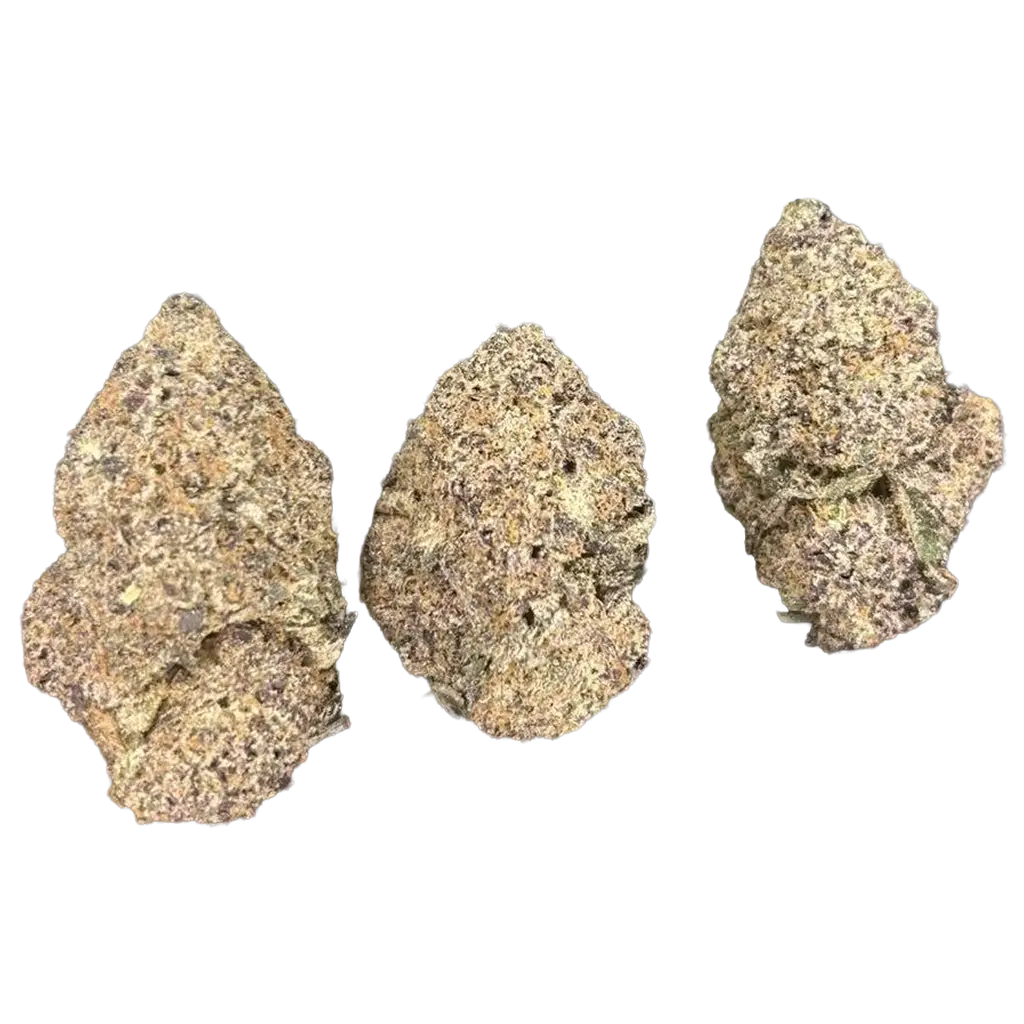
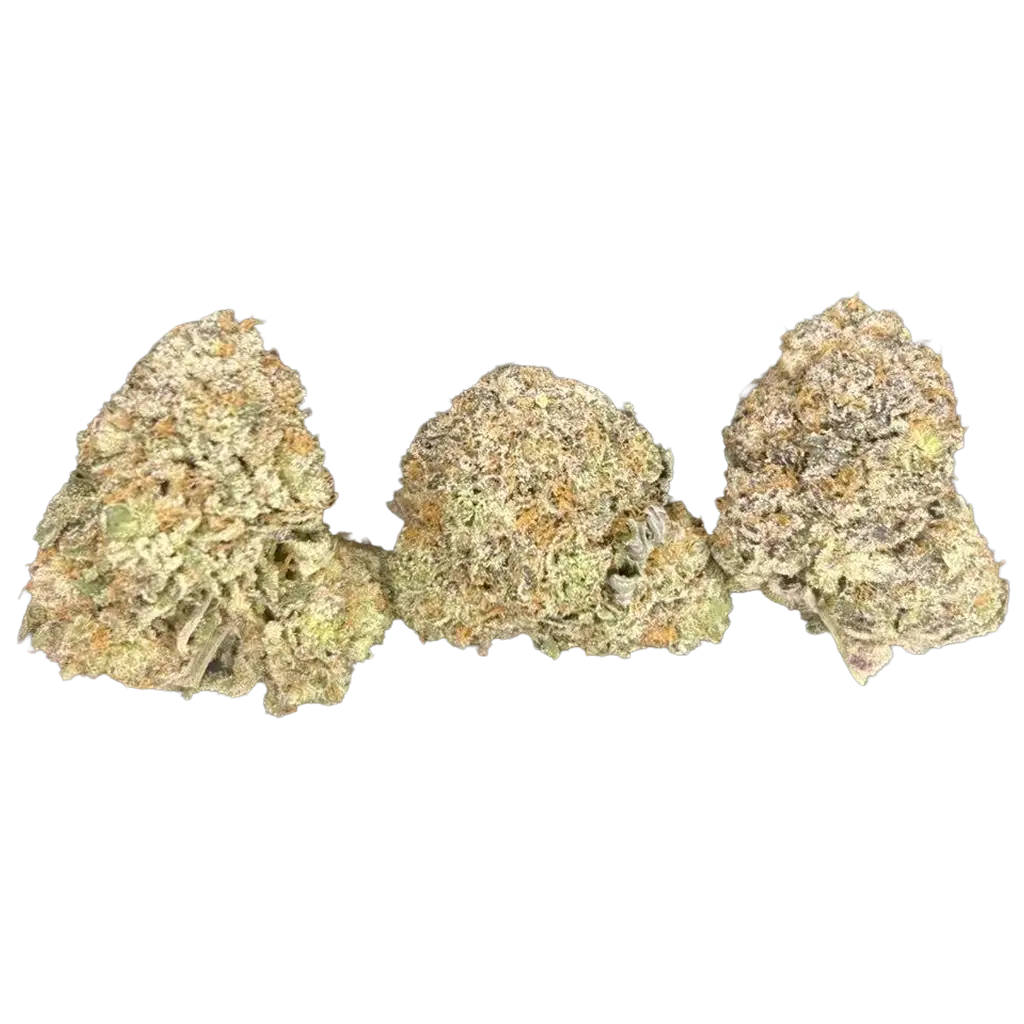
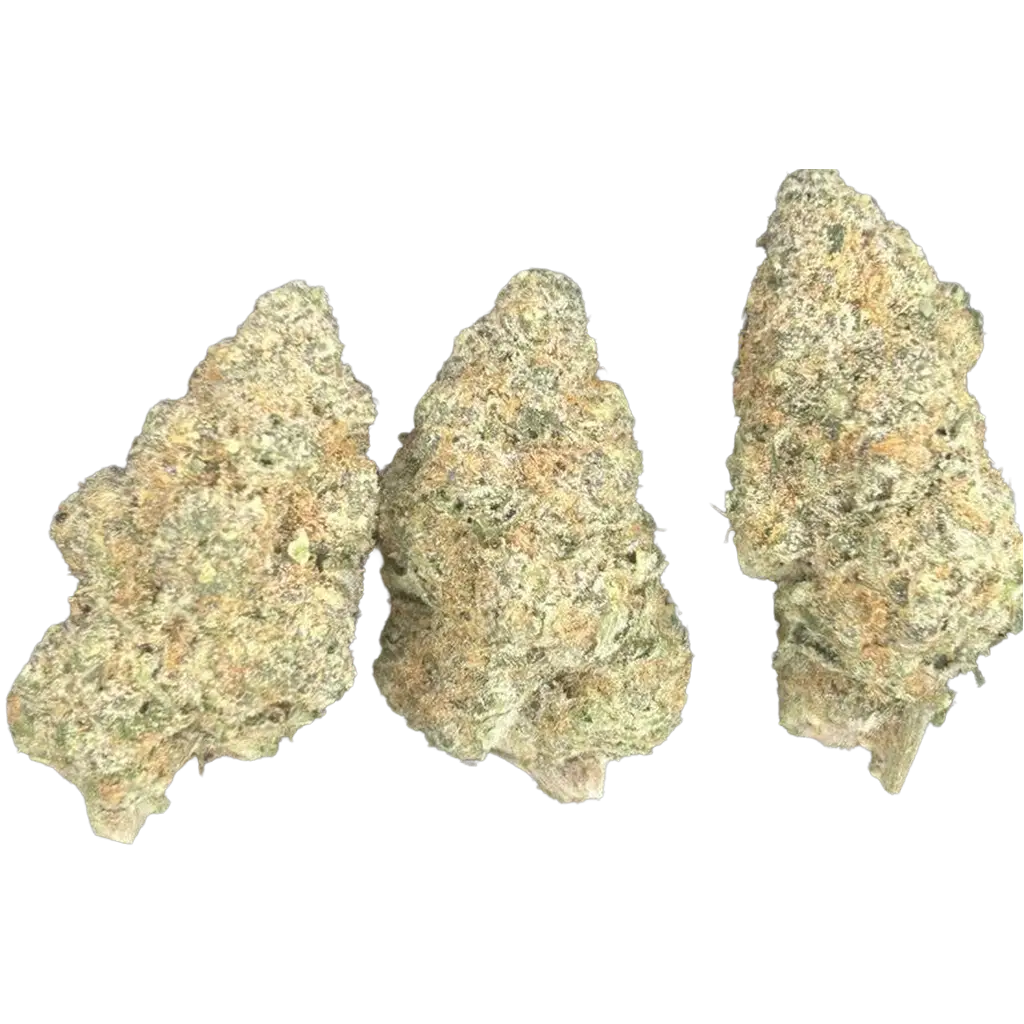
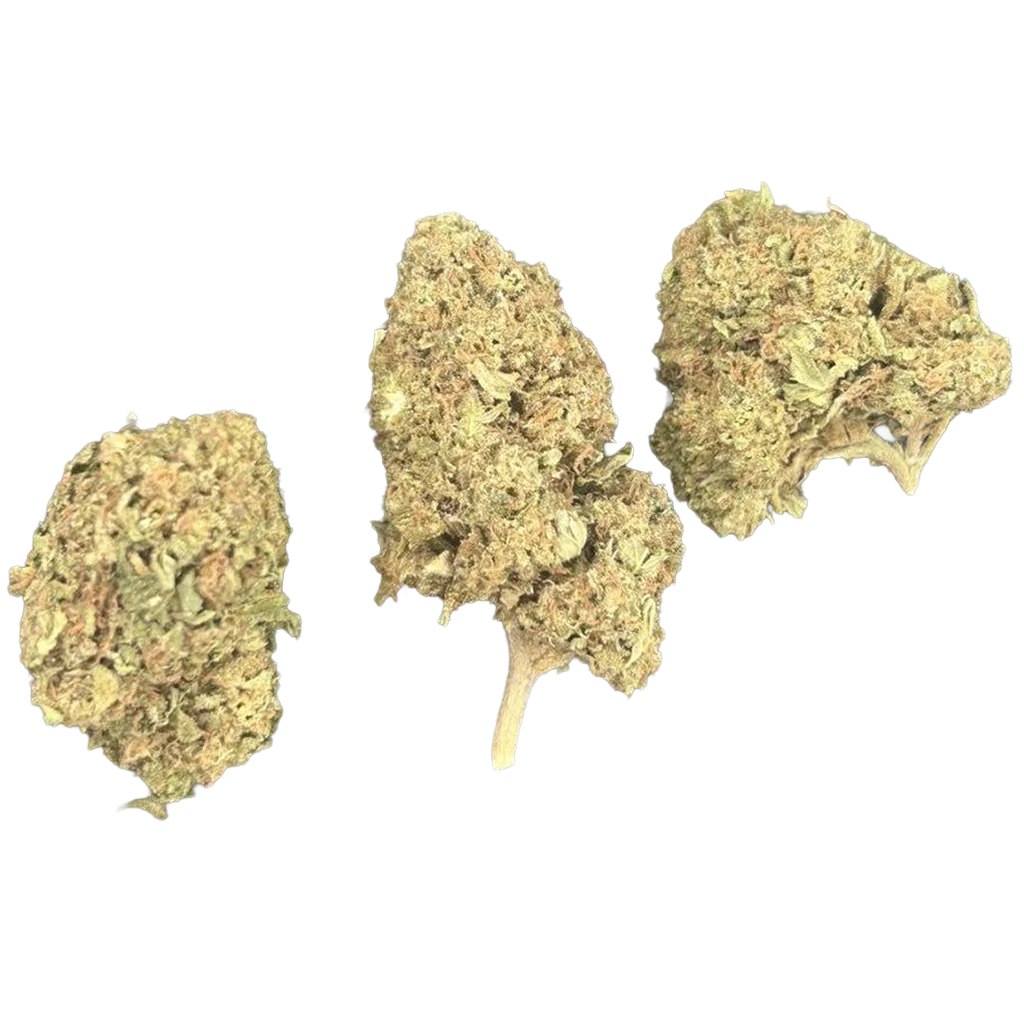
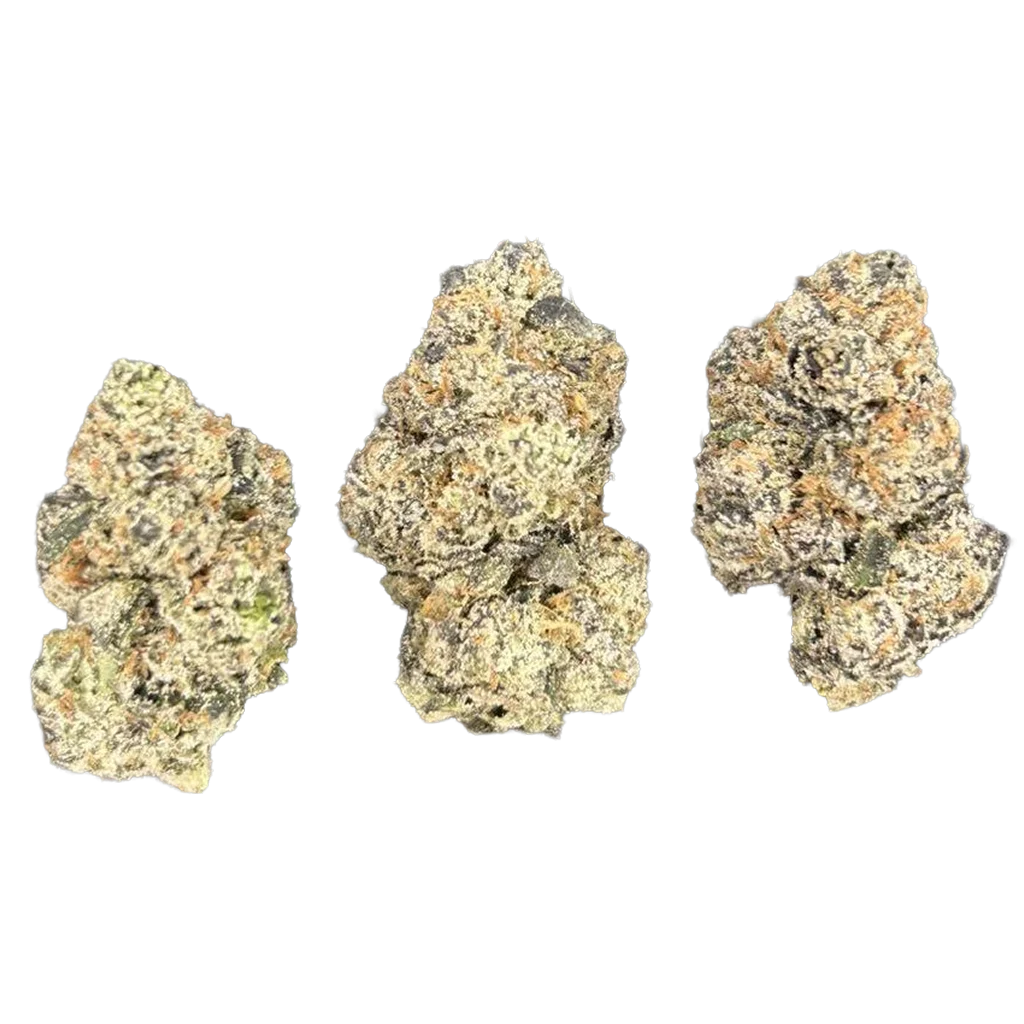
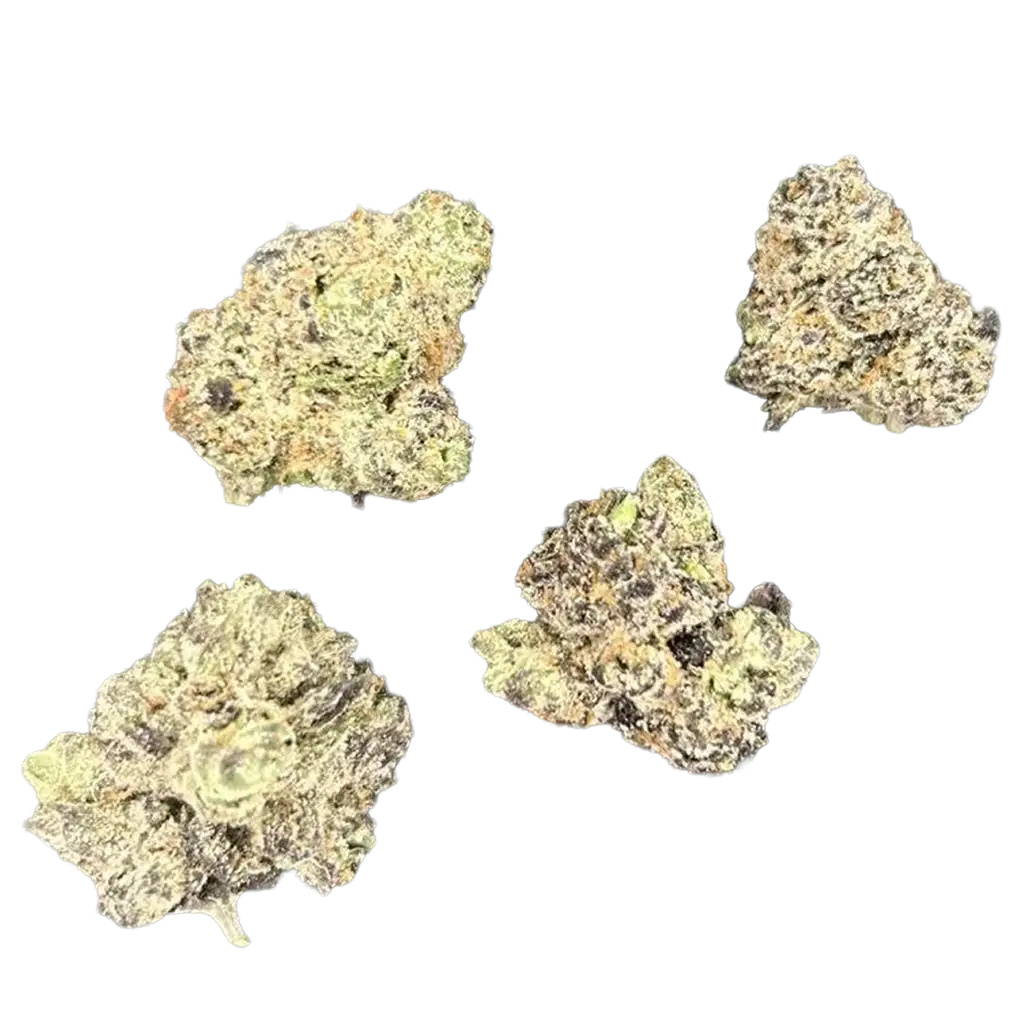
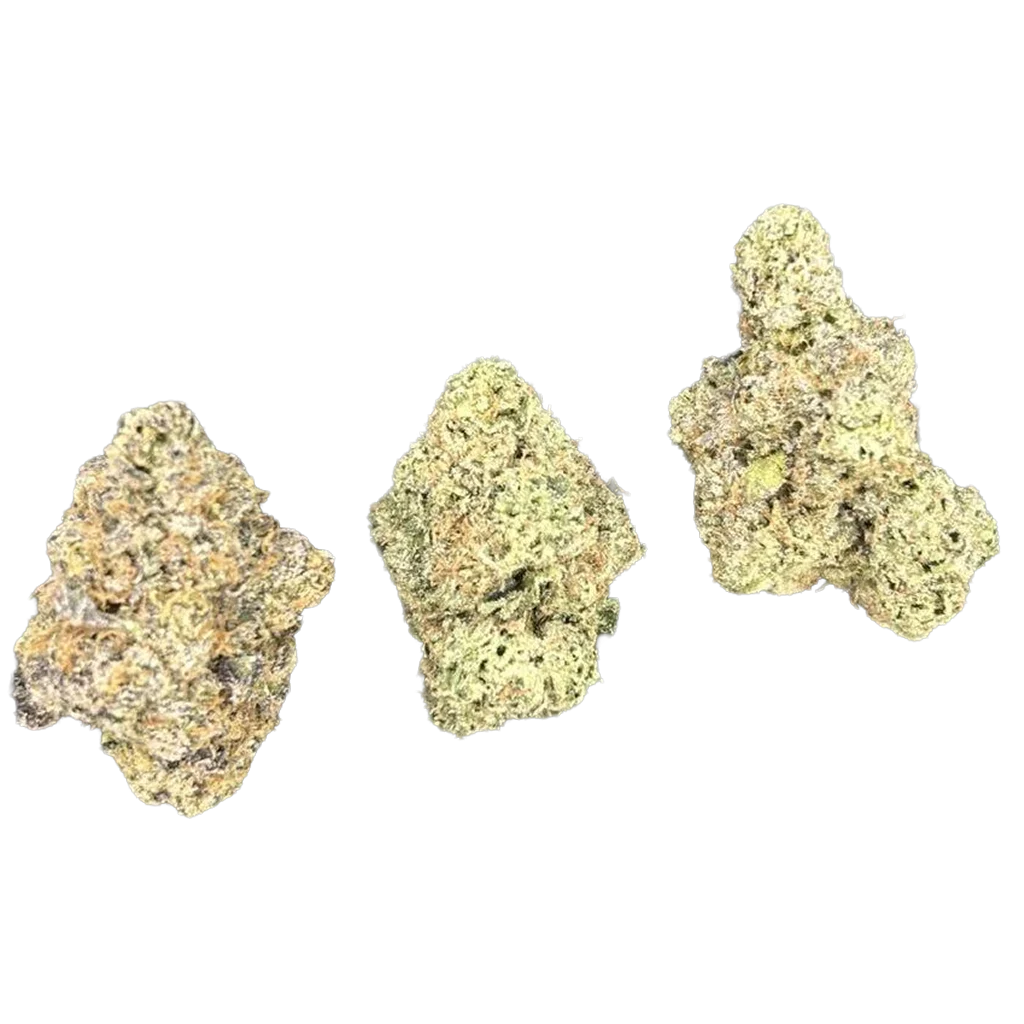
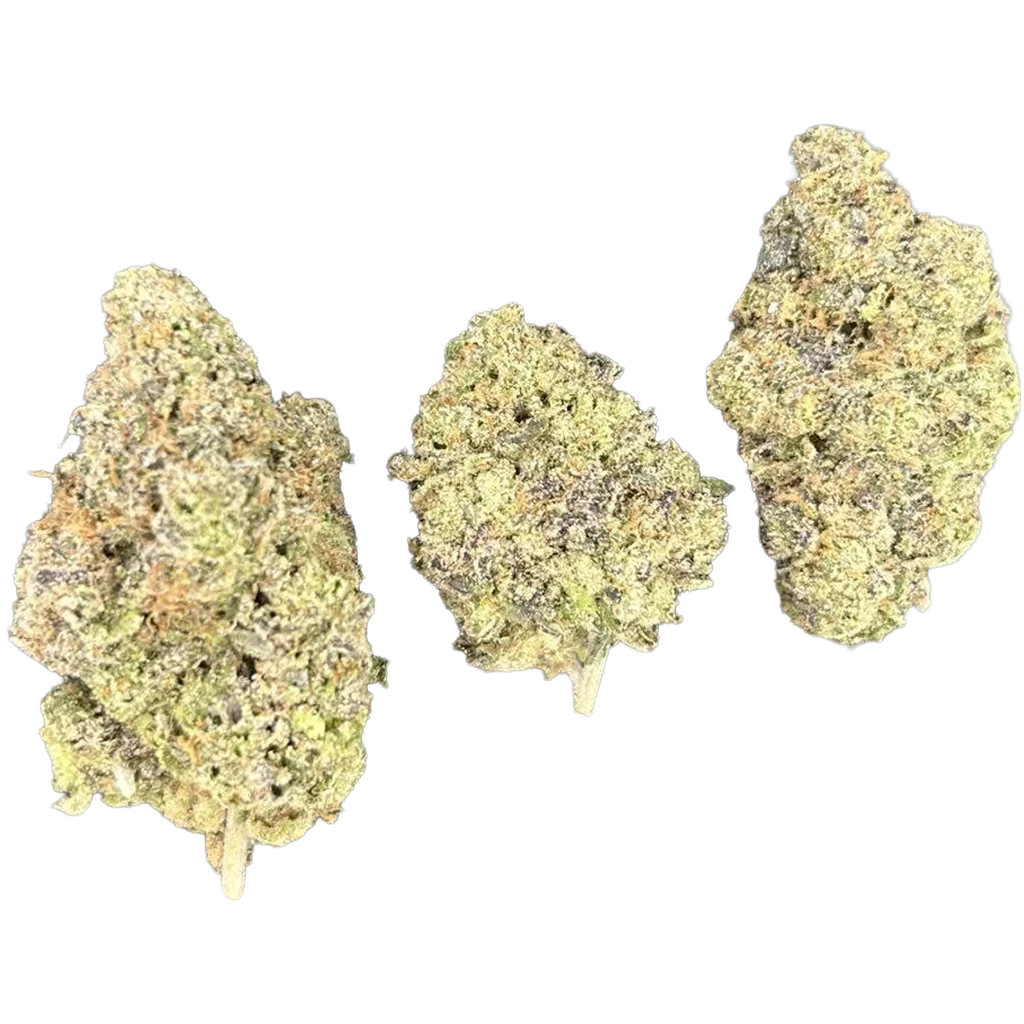
Finding a dependable supplier of premium THCA flower starts with looking beyond laboratory potency. Retailers comparing THCA flower near me or THCA flower wholesale near me often evaluate consistency just as closely as cannabinoid percentages. Understanding what makes flower dispensary grade helps improve customer satisfaction, reduce inventory risk, and build long-term supplier relationships.
Dispensary-grade THCA flower isn’t simply a marketing label. It refers to a flower that consistently meets commercial quality standards from cultivation through post-harvest handling. Experienced retailers evaluate appearance, aroma, curing quality, laboratory testing, and batch consistency before deciding whether a product belongs on premium shelves.
While potency attracts attention, it rarely tells the complete story, especially when evaluating Hybrid Strains for long-term retail consistency. A flower testing at 25% THCA with excellent terpene preservation and proper moisture levels often delivers a better customer experience than a poorly cured batch testing above 30%. In practice, consistent quality keeps customers coming back far more often than one exceptionally high-potency batch.
Many dispensaries eventually stay with suppliers that deliver the same quality harvest after harvest, regardless of whether they’re sourcing cultivars commonly discussed in Hybrid vs Indica. Reliable inventory helps retailers maintain customer trust while reducing complaints, returns, and unnecessary purchasing risks.
Retailers that use these checkpoints during purchasing decisions often build stronger product reputations and improve long-term inventory performance.
Many first-time buyers assume that the flower with the highest THCA percentage is automatically the best choice. In reality, commercial purchasing decisions are much more balanced. Experienced retailers evaluate the complete cannabinoid profile alongside terpene content, curing quality, moisture stability, and laboratory consistency before placing wholesale orders.
Premium flower commonly tests between 22% and 30% THCA, although retailers also compare premium THCA Concentrates when evaluating overall cannabinoid offerings. Once potency reaches competitive commercial levels, factors such as aroma retention, visual appeal, and curing precision often become far more important. Most repeat customers remember the overall experience long after they’ve forgotten the percentage on the package.
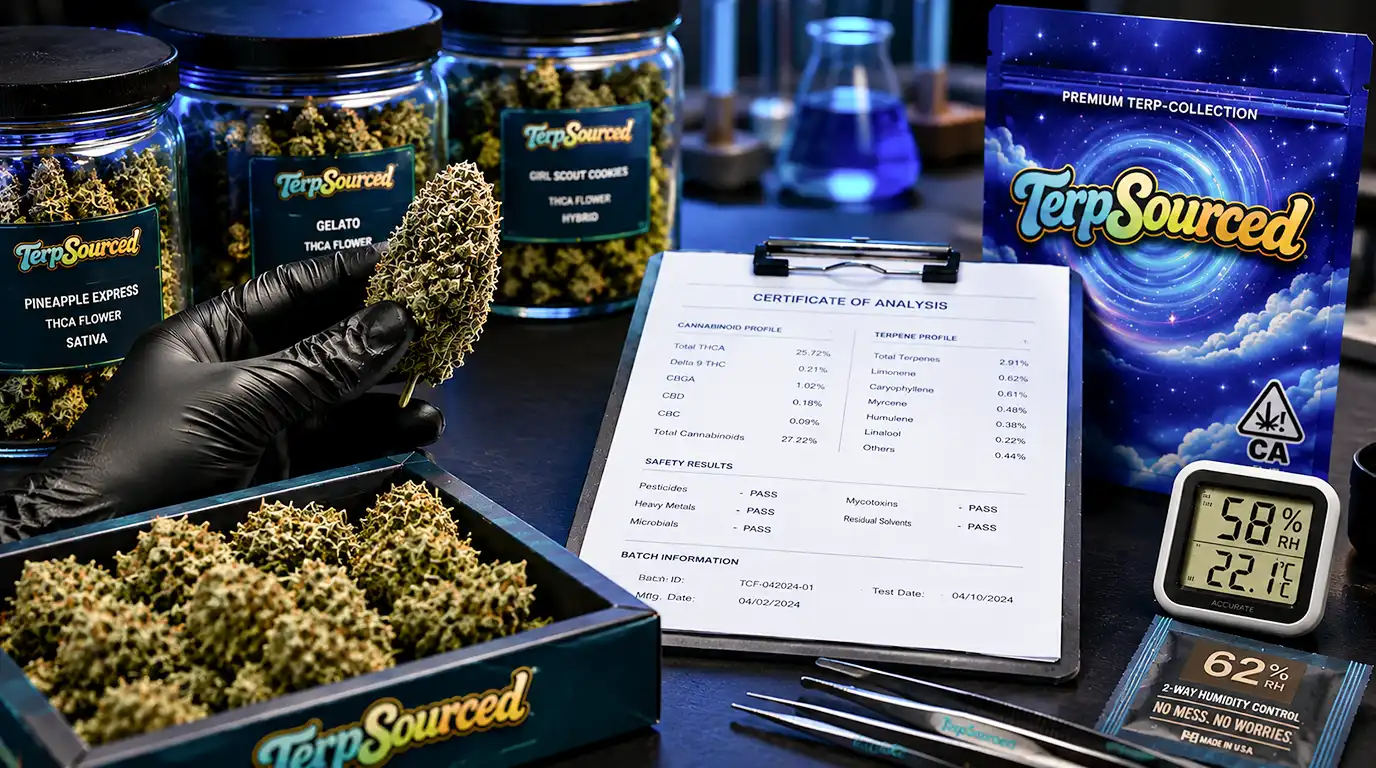
Retailers searching for THCA flower for sale near me should also review Certificates of Analysis carefully. A reliable COA verifies cannabinoid content while confirming that the flower has passed screening for pesticides, heavy metals, microbial contamination, and other safety standards. Those reports provide much greater confidence than potency claims alone.
Before approving a new supplier, commercial buyers typically review:
Looking at the entire quality profile rather than a single percentage helps retailers make more informed purchasing decisions.
The first thing most customers react to isn’t the laboratory report-it’s the aroma. Opening a fresh container immediately reveals whether a flower has been cultivated, dried, and cured correctly. Strong aroma often reflects better terpene preservation, a characteristic frequently highlighted when comparing cultivars in Best Exotic THCA Flowers Strains.
Premium dispensary flower generally contains total terpene levels between 2% and 4%, although some cultivars naturally produce higher concentrations. More importantly, those terpenes should remain stable from one production batch to another. Inconsistent aroma may indicate differences in cultivation practices, drying conditions, or post-harvest storage.
Retailers evaluating THCA hemp flower near me often compare multiple batches before choosing a supplier, especially when stocking Premium Prerolls alongside flower inventory. Consistent citrus, gas, floral, earthy, or sweet aromas usually indicate careful handling throughout production, while dull or grassy smells often suggest terpene degradation during drying or storage.
The table below highlights several commercial benchmarks retailers commonly use when evaluating dispensary-grade flower before making wholesale purchasing decisions.
| Quality Factor | Commercial Benchmark | Why It Matters |
| THCA Content | 22-30% | Supports premium retail demand |
| Total Terpenes | 2-4% | Improves aroma and customer experience |
| Moisture Content | 10-12% | Helps maintain shelf stability |
| Water Activity | 0.55-0.65 Aw | Reduces mold risk during storage |
| Trim Quality | Clean and uniform | Creates better shelf presentation |
| COA | Third-party verified | Confirms safety and compliance |
Retailers searching for THCA flower wholesale near me often use these benchmarks to compare suppliers objectively instead of relying solely on potency or appearance.
A Certificate of Analysis (COA) is more than a compliance document-it’s one of the strongest indicators of whether a supplier follows consistent quality standards. Before investing in wholesale inventory, retailers should review every COA instead of relying on a single report shared months earlier. Each production batch can vary slightly, and updated laboratory testing helps confirm that the product being delivered matches the advertised specifications.
A complete COA should verify cannabinoid content while also reporting terpene profile, pesticide screening, heavy metals, microbial contamination, mycotoxins, and residual solvents. Reviewing these results protects retailers from stocking products that could create compliance issues or customer complaints.
Experienced buyers usually ask a different question: ‘Is there a recent COA for this exact batch?
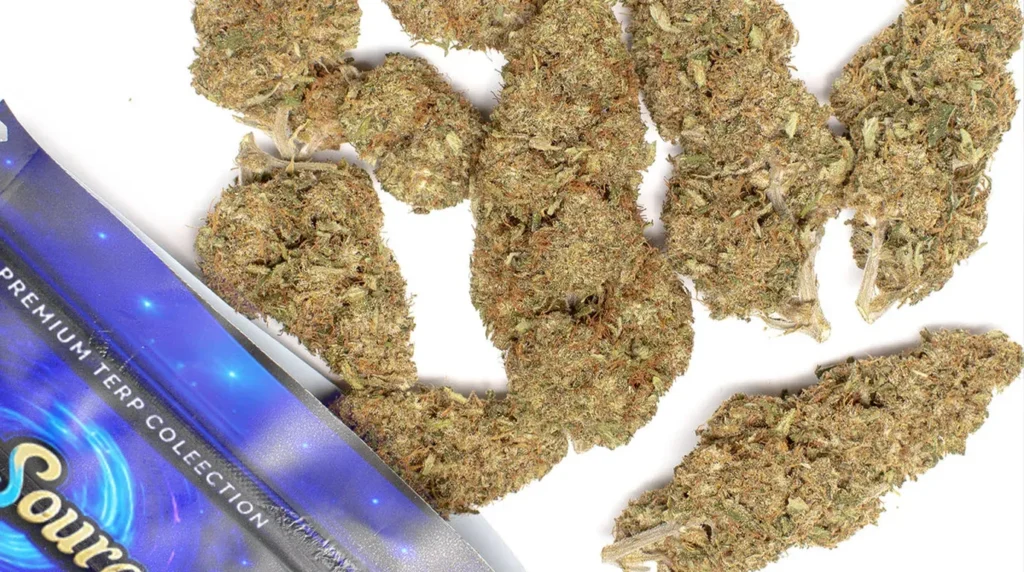
Before reading a laboratory report, most experienced buyers inspect the flower itself. Appearance doesn’t confirm quality on its own, but it often reveals how carefully the product was cultivated and handled after harvest.
A quick visual inspection often tells an experienced buyer whether the flower has been handled properly after harvest. They should feel slightly sticky rather than overly dry or damp. Excessive stems, faded coloration, or loose bud formation usually suggest inconsistent cultivation or poor curing practices.
The comparison below summarizes several visual indicators retailers commonly evaluate before accepting wholesale inventory.
| Inspection Point | Premium Flower | Lower-Quality Flower |
| Bud Density | Dense and compact | Loose or airy |
| Trichome Coverage | Heavy resin production | Sparse crystal formation |
| Trim Quality | Clean finish | Excess sugar leaves |
| Moisture | Slightly sticky | Dry or damp |
| Aroma | Fresh and pronounced | Flat or grassy |
| Color | Vibrant green with healthy accents | Brown or faded tones |
Although visual presentation influences first impressions, it should always be supported by laboratory testing and proper curing.
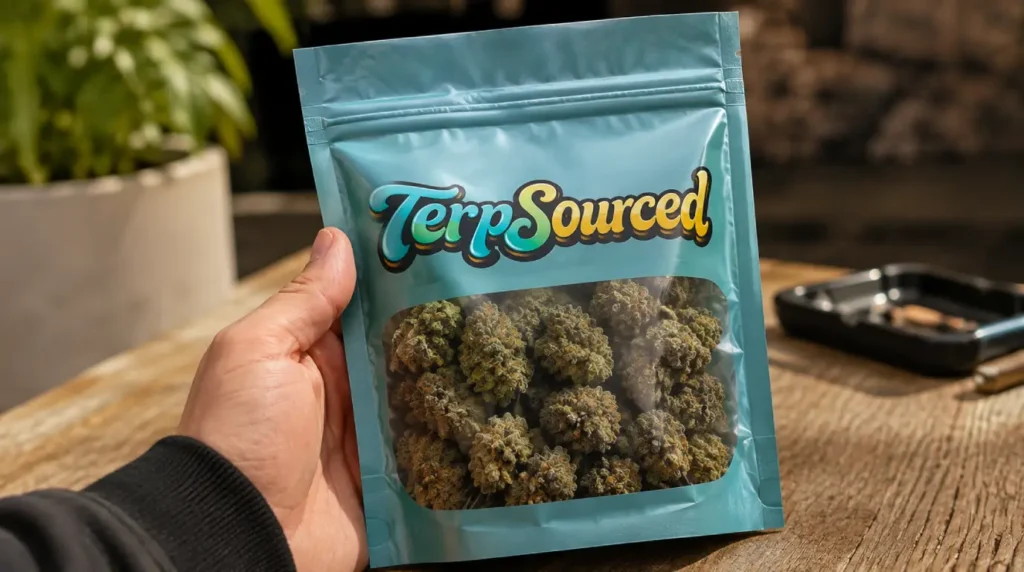
A well-grown flower can lose much of its value if it’s packaged incorrectly. Exposure to oxygen, excessive light, fluctuating humidity, or high temperatures gradually reduces terpene content and affects the overall customer experience. Proper packaging helps preserve aroma, moisture balance, and shelf appeal from the cultivation facility to the retail counter.
Commercial suppliers often use airtight, UV-resistant containers to protect flowers from light exposure during storage and transportation. Many also include humidity-control packs to help maintain moisture levels between 58% and 62% relative humidity, reducing the risk of overly dry flowers or excess moisture that could affect shelf stability. Resealable packaging further helps preserve freshness after the product reaches dispensaries, especially for inventory that may be opened multiple times before sale.
Retail buyers should also compare packaging dates with harvest dates rather than relying solely on laboratory reports. Even a properly cured flower can lose aroma and terpene intensity if it remains in storage for extended periods under poor environmental conditions. Many distributors recommend storing packaged flowers in cool, dark environments at approximately 60-70°F (15-21°C) to help maintain product quality throughout its shelf life.
Price is only one part of a wholesale decision. Retailers comparing suppliers should follow a consistent evaluation process that looks beyond discounts and promotional offers.
Before committing to a long-term partnership, ask the supplier:
A structured buying process often leads to better supplier relationships, more reliable inventory, and fewer customer complaints over time.
Dispensary-grade THCA flower is defined by consistency rather than potency alone. Successful retailers evaluate cultivation practices, curing quality, terpene preservation, laboratory verification, packaging, and batch stability before adding products to their shelves. Retailers that build purchasing decisions around verified quality instead of headline potency usually develop stronger inventory performance over time.
Whether you’re sourcing THCA flower wholesale near me for an established dispensary or expanding your supplier network, focusing on verified quality instead of marketing claims leads to smarter buying decisions. As competition continues growing, retailers that prioritize dependable inventory, transparent suppliers, and consistent product performance are better positioned to earn customer trust, encourage repeat business, and strengthen long-term profitability.
Dispensary-grade flower consistently meets commercial standards for cultivation, curing, laboratory testing, moisture content, terpene preservation, and batch consistency. Retailers evaluate all of these factors before approving products for their shelves.
Most premium flower typically tests between 22% and 30% THCA. However, retailers usually consider terpene content, curing quality, moisture levels, and consistency just as important as cannabinoid potency.
A COA confirms cannabinoid content while verifying that the flower has passed testing for pesticides, heavy metals, microbial contamination, and other safety standards before entering the retail market.
Terpenes influence aroma, flavor, and customer satisfaction. Consistent terpene profiles usually indicate careful cultivation, proper curing, and better overall product quality across multiple harvests.
Most commercial buyers prefer moisture levels around 10-12% with water activity between 0.55 and 0.65 Aw, helping preserve freshness while reducing storage risks.
Not necessarily. Experienced buyers evaluate potency alongside terpene preservation, visual quality, curing, moisture balance, and laboratory verification before making purchasing decisions.
Every production batch should include its own recent COA. Batch-specific reports provide retailers with greater confidence in product consistency and regulatory compliance.
Yes. Airtight packaging and controlled humidity help preserve terpene content, aroma, and moisture while protecting the flower during transportation and long-term storage.
Retailers should compare laboratory reports, terpene profiles, batch consistency, packaging quality, curing practices, inventory reliability, and supplier transparency before establishing a long-term wholesale relationship.