Does THCA vape get you high? Yes – and knowing precisely why can be important if you’re the one stocking these products. THCA (tetrahydrocannabinolic acid) is psychoactively inert by itself, but the process of heating it up to vape it creates Delta-9 THC through a process called decarboxylation.
As a wholesaler, this information determines how you talk about the product to customers, your regulatory paperwork, and how the changing laws regarding hemp and THC affect your store shelves. Here’s everything you should know about the science and the regulations before ordering again.
THCA is the acid form of THC, the active compound in the cannabis plant, before to any heat is applied to it. It has one more carboxyl group (COOH) than THC, which prevents THCA from activating the body’s cannabinoid receptors in the same way that THC does. THCA can be seen as THC in its inactive form. For years, federal hemp laws have determined compliance based on Delta-9 THC content only, meaning raw THCA flower or vape extracts would still test as “hemp” at even very high levels of THCA.
The two compounds have very similar molecular structures, although that single point of difference makes all the difference between how they work within the body and their legal status. Let’s look at them side-by-side.
| Factor | THCA | THC |
| Psychoactivity | Non-intoxicating on its own | Produces the high |
| Molecular structure | An extra carboxyl (COOH) group blocks receptor binding | No carboxyl group; binds CB1/CB2 receptors |
| Legal measurement | Not counted toward the 0.3% Delta-9 hemp threshold | The compound federal law currently measures |
| Conversion trigger | Converts into THC via heat, light, or time | Already the active, converted form |
Yes, a THCA vape gets you high. As soon as the product is heated, the THCA will turn into Delta-9 THC, which is identical to the psychoactive component in regular cannabis. The raw form of THCA is not able to bind to CB1 receptors in the body; thus, the user will not get any buzz from THCA alone.
However, a heating coil of the vaping device solves this problem and turns the THCA into another form, making it possible for users to enjoy the effect of THCA in just seconds. When comparing the effects of THCA vapes and Delta-9 THC vapes, there is really no distinction; even experienced users cannot distinguish the two products in a blind test.
This is the main reason why THCA vapes are becoming one of the most popular products in the hemp industry – users receive the same effect of marijuana without the use of non-compliant marijuana under current federal regulations.
Decarboxylation is the chemical process by which the carboxyl group is removed from THCA to produce THC Delta-9. The process starts when the temperature is around 220 degrees Fahrenheit and happens very quickly as the temperature rises, happening instantaneously when the vape coils are activated.
Studies done using chromatography have found that the process can be up to 95 percent efficient under appropriate heating circumstances, so practically no THCA is left behind during a vaping session, although some may be left over depending on the design of the vaping device. For the consumer, this is why the labeling of potency on the THCA vape package is almost identical to what they are consuming.
The effects come on quickly within minutes, normally lasting between one and three hours. Since vaporizing is an act of inhaling, it’s way faster compared to eating, which takes 30 minutes to two hours for effects to set in, since it passes through digestion. You get all the expected high from THC, including the feeling of euphoria, relaxation, alteration in senses, and mood elevation. How potent the effects will be will depend on two factors that consumers need to know.
High-quality equipment with even coil temperatures will create more consistent effects, and this is just as important for repeat sales as it is for the effect itself. “20% THCA products” will provide different experiences depending on where your materials were sourced from.
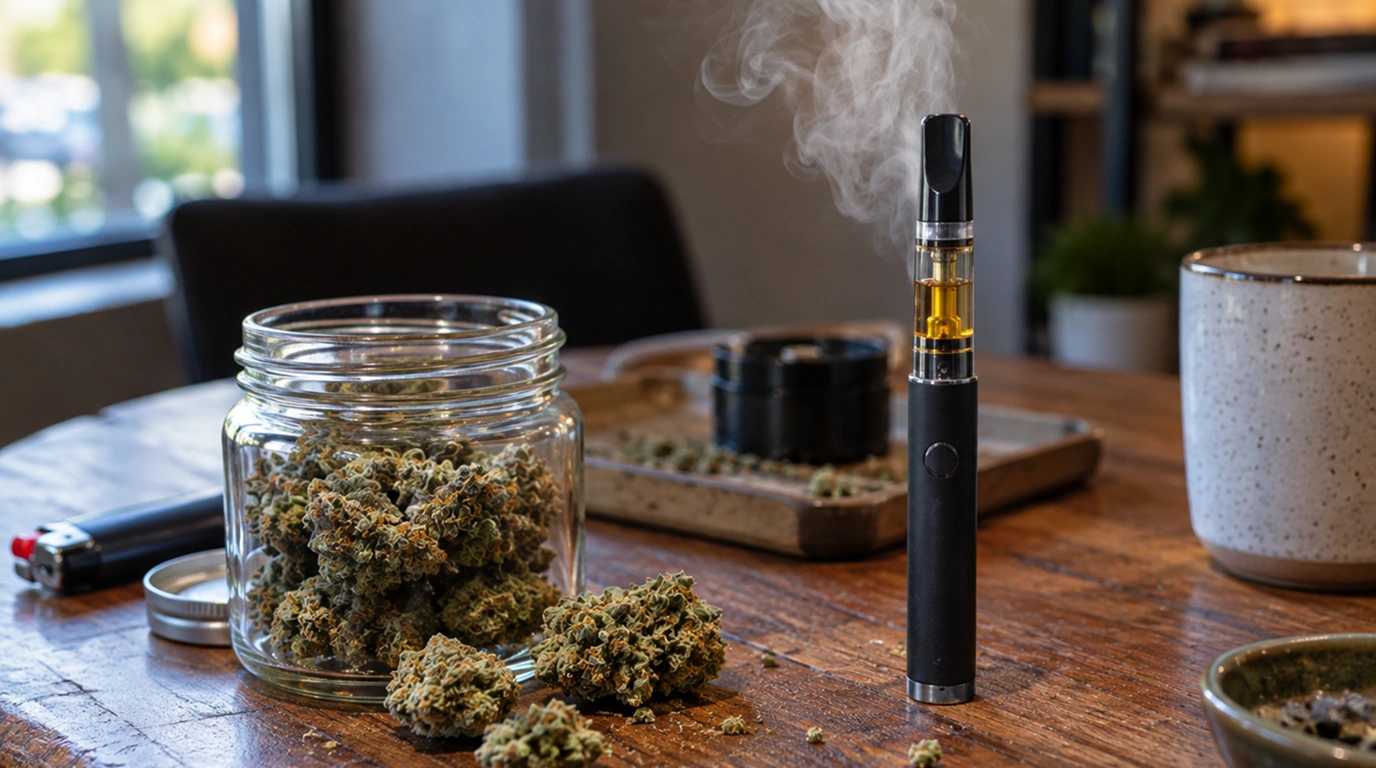
The fundamental chemistry remains the same for any way of consumption – the THCA must be heated in order to transform to psychoactive THC, which can cause effects. What changes is the way it’s done, and each way has its pros and cons that need to be known.
Provides immediate and precise heat, yet produces combustion products such as tar and others that are wanted to be avoided by some clients.
Uses more regulated and lower heat, which usually helps to preserve terpenes and taste while reaching close to complete decarboxylation of available THCA per inhalation.
Require intentional decarboxylation prior to infusion – the raw bud heated in the oven without preliminary decarboxylation won’t necessarily decarb, which is a frequent issue behind bad effects from homemade edibles. This fact is really helpful in retail: customers changing the format of use will experience roughly the same effects, only with substantially different times.
Yes, but not for long. The federal legality of THCA extracted from hemp since the passage of the 2018 Farm Bill, which legally defined hemp using only a Delta-9 THC threshold of 0.3 percent dry weight, and the loophole that allowed the high-THCA products to be considered compliant hemp – will come to an end soon.
Suppliers who can talk specifically about their reformulation plans are always going to be more reliable long-term suppliers compared to those who only speak about their being compliant.
Even before the federal change takes place, many states have already moved on their own, and momentum has gathered during 2026. Some state restrictions have taken place through legislation, while others have occurred as a result of court decisions or regulatory changes, making the route to a restriction as varied as the restriction itself.
To wholesalers, this is a situation where “federally compliant” and “legal to sell in my state” will no longer mean the same thing. The new norm in the industry is checking your state’s stance before each order rather than operating based on what you learned during the last quarter, and it is less expensive than finding out after the products have shipped.
From a practical standpoint, this evolving landscape puts more burden on the consumer than was even true just last year. It is no longer acceptable to assume that something is in compliance simply because it met regulations at shipping time.
It is better to be transparent up front since any returned orders, disputes, or investigations can cost significantly more money. Being transparent also builds trust, and this will keep your partners coming back again and again.
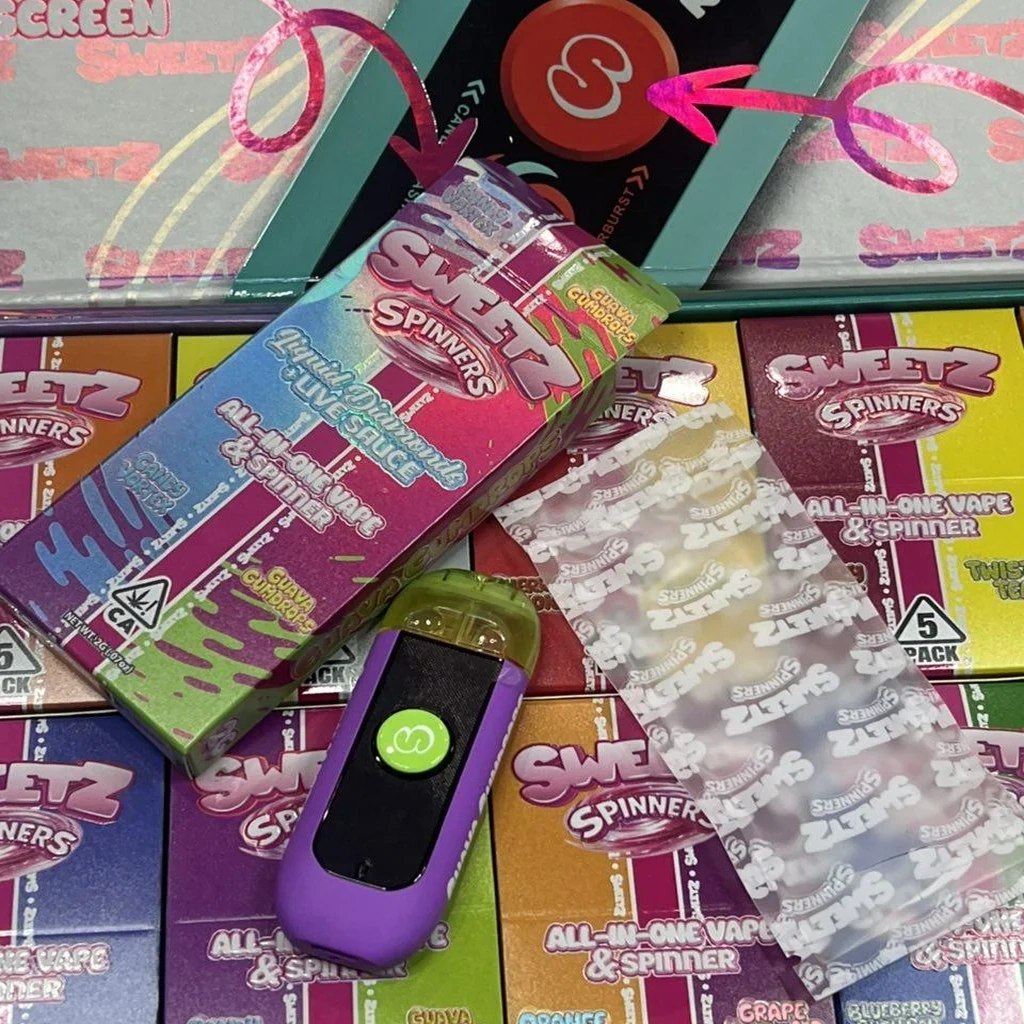
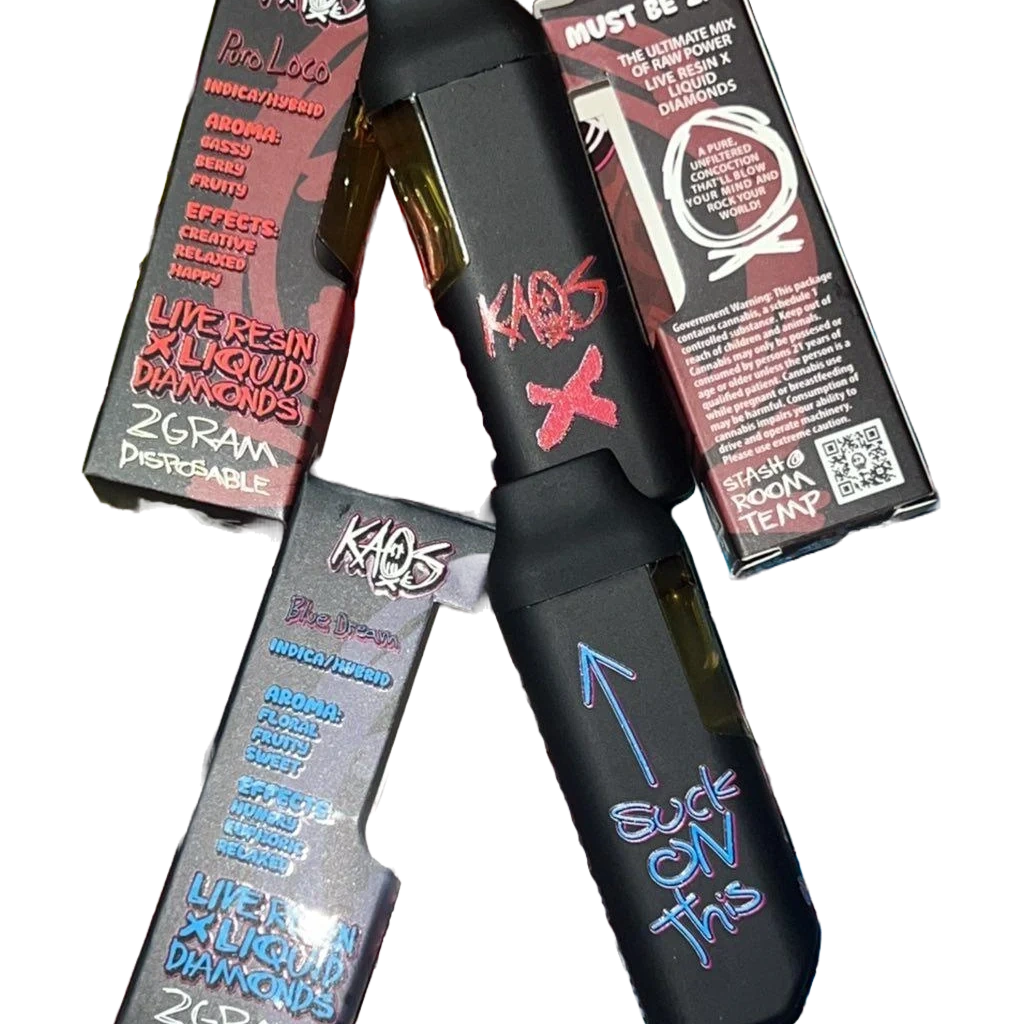
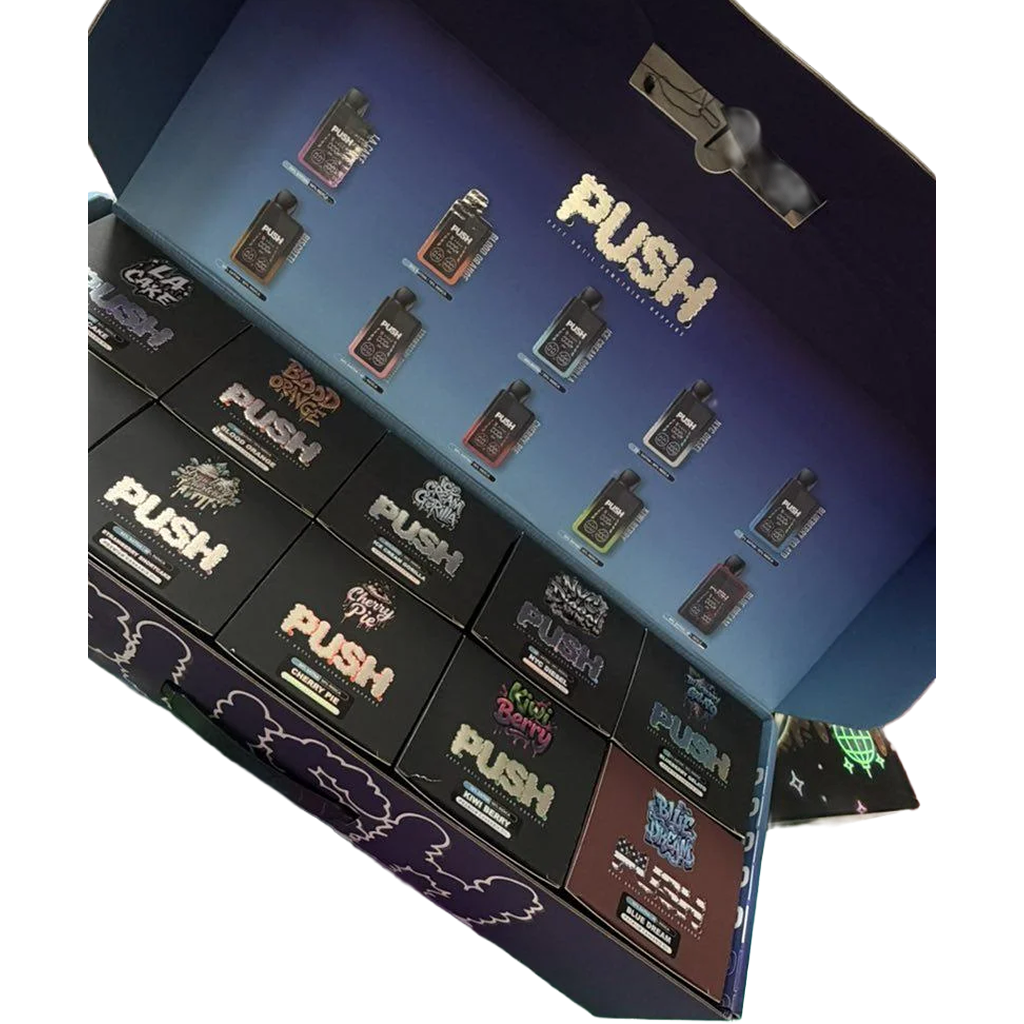
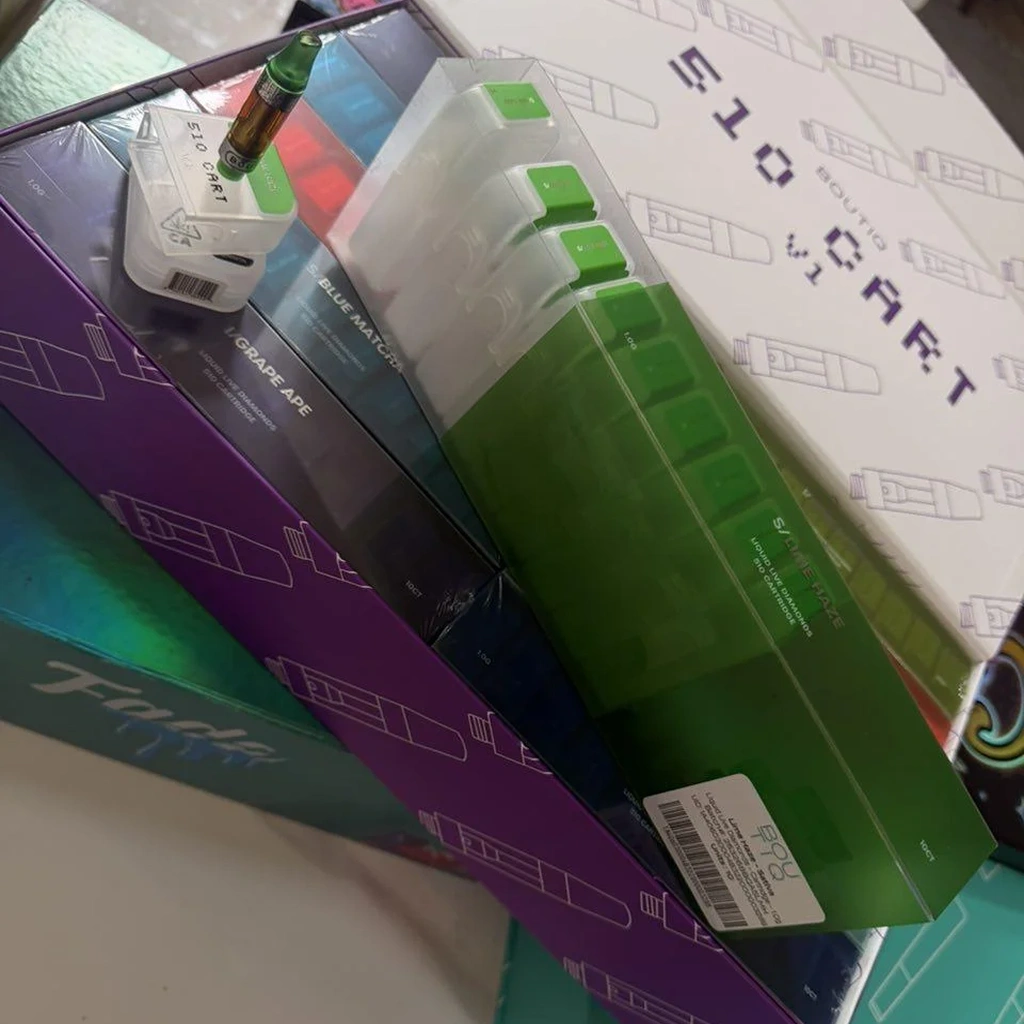
Our disposable vapes that contain THC include the THCA disposable vapes, which are available at wholesale levels together with other items such as flower, pre-rolls, edibles, and concentrates. Our products are available in bulk form, whereby we have different prices for small orders to large volumes, so that you can first try out your product.
Like any bulk purchase of THCA vapes, we would advise you to ensure the COAs have the percentages for both Delta-9 and THCA, know the state regulations, and ask us about how we are addressing the impending total THC limit, as disposables are one of the most impacted products by the 0.4 milligram limit.
Not all THCA vapes that you find listed by a particular supplier necessarily need to be stocked. The first thing to consider when you start stocking products from any supplier would be disposables and cartridges that come with clear batch-specific COAs showing not only the THCA percentage but also the percentage of Delta-9.
A smaller and more thoroughly researched stock will generally serve better than a large and undocumented selection in terms of compliance and follow-on sales, and it certainly makes life easier when explaining your procurement choices to regulators and customers.
Selecting the appropriate THCA vapes for your shelf is definitely not something that can be figured out by yourself when it comes to ever-changing federal and state legislation. We deal with retailers and distributors on an everyday basis, helping to answer all those tricky questions on the topic of potency, compliance documents, MOQ calculation, and suitable formats for particular states. That way, you won’t have to decipher laboratory results or regulatory changes on your own.
We can offer our professional, hands-on experience in THCA wholesale sourcing, laboratory documentation, and selection of products. It will help you to receive definite information instead of vague assumptions. If you need to place your first order, solve some compliance issues, or reconsider your line of products before the total THC regulation comes into effect, contact us directly.
So, does a THCA vape get you high? Yes – THCA becomes Delta-9 THC the instant heat is applied to it when it is inhaled, thus giving off effects similar to those produced by normal THC vaping products. That’s one scientific fact that has made these products incredibly popular among users and at the same time become a regulatory battleground.
In the case of wholesale buyers, knowing the science is not enough. This is because the definition of hemp according to federal law is changing; state laws are changing even faster, and the products you are selling now might soon require COA, reformulation, or be taken off your shelf entirely due to the change in total-THC standard. TerpSourced is here to help you stay ahead of both the chemistry and the compliance calendar.
No. THCA in its natural state is inactive and does not have the capability to bind to the CB1 receptors of our body, thus it has no psychoactive properties on its own. This compound requires heating, whether by vaping, smoking, or cooking, before it transforms into Delta-9 THC.
The effects usually last between one and three hours, just like in the case of any other inhalable form of THC products. The onset of effects occurs quite quickly due to the fact that inhalation ensures that cannabinoids enter the bloodstream immediately.
Functionally, yes. THCA transforms into Delta-9 THC once the decarboxylation process takes place while vaping. This means that the vapor the consumer inhales will contain the same effective substance as in the Delta-9 vape, which makes their experiences quite similar.
Federal law has measured hemp using only Delta-9 THC content, not total THC. Raw THCA doesn’t count toward that Delta-9 threshold, so high-THCA flower and vapes could test as compliant hemp even though heating converts them into a psychoactive product.
The federal government is moving to regulate cannabis products based on total THC, which takes THCA into account, along with setting a limit of milligrams per container. Many of the THCA vape products currently on the market will not be able to satisfy this new regulation.
No. Many states have been quicker off the mark than the federal government in putting laws into place, either by only allowing THCA to be sold at dispensaries, banning the sale of smokable hemp entirely, or restricting how it can be shipped directly to customers.
An accurate Certificate of Analysis must include information on Delta-9 THC percentage, THCA percentage, batch/lot number, testing date, and laboratory name. Both are important because the forthcoming total THC regulations base their calculation of compliance on both percentages.
While vaping is known not to generate smoke byproducts due to the relatively low heat involved in the process, being “safer than smoking” is different from being “completely safe.” There can be great differences between products in terms of quality, safety, and absence of additives.
Yes. Marketing THCA vapes as “non-psychoactive” is misleading when heat is added to the equation, as it leads to problems with compliance risk as well as customer trust. Proper, accurate marketing will protect you as well as set proper expectations for customers.