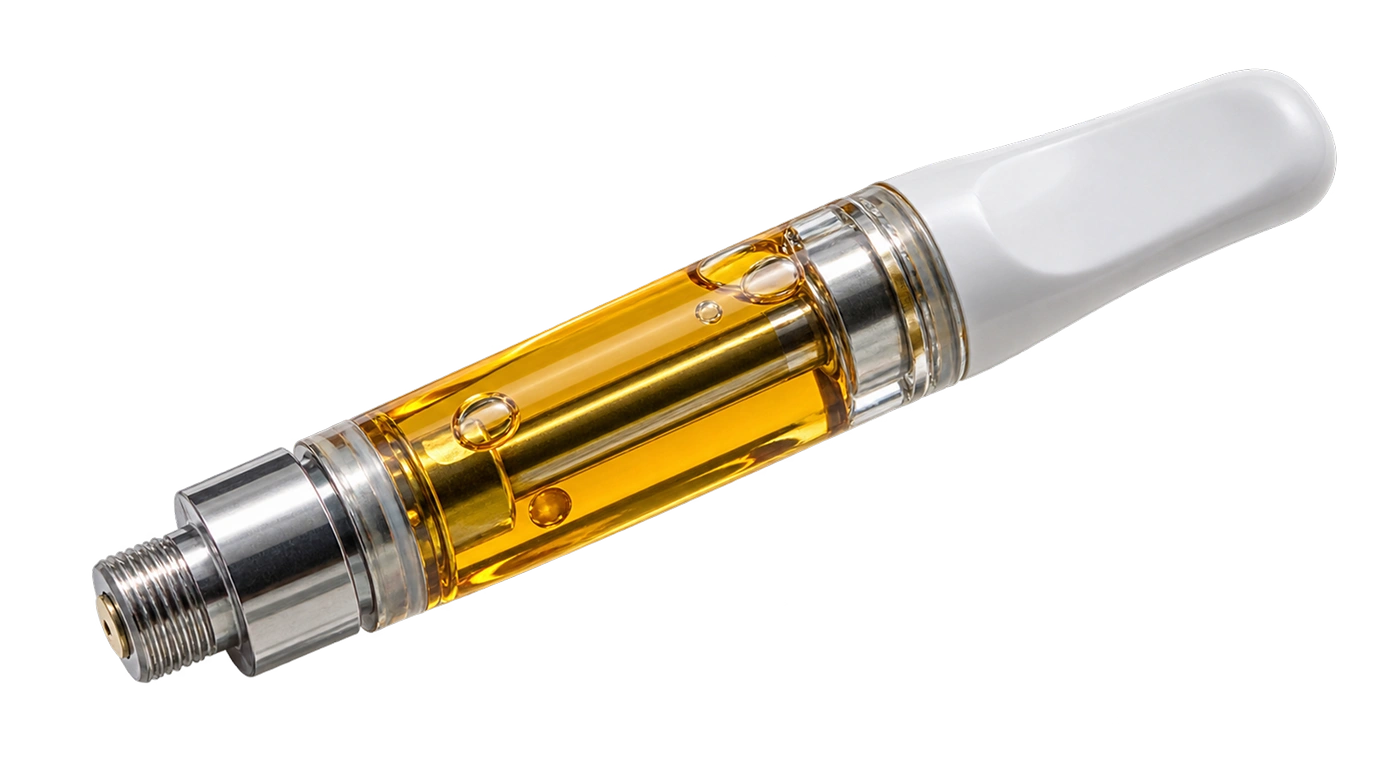
A typical vape cartridge comes in 0.5 grams, 1 gram, or 2 grams of THCA oil. This is the complete list of sizes to consider right now. It doesn’t involve flower size since cartridges don’t contain flower, but only highly concentrated oil.
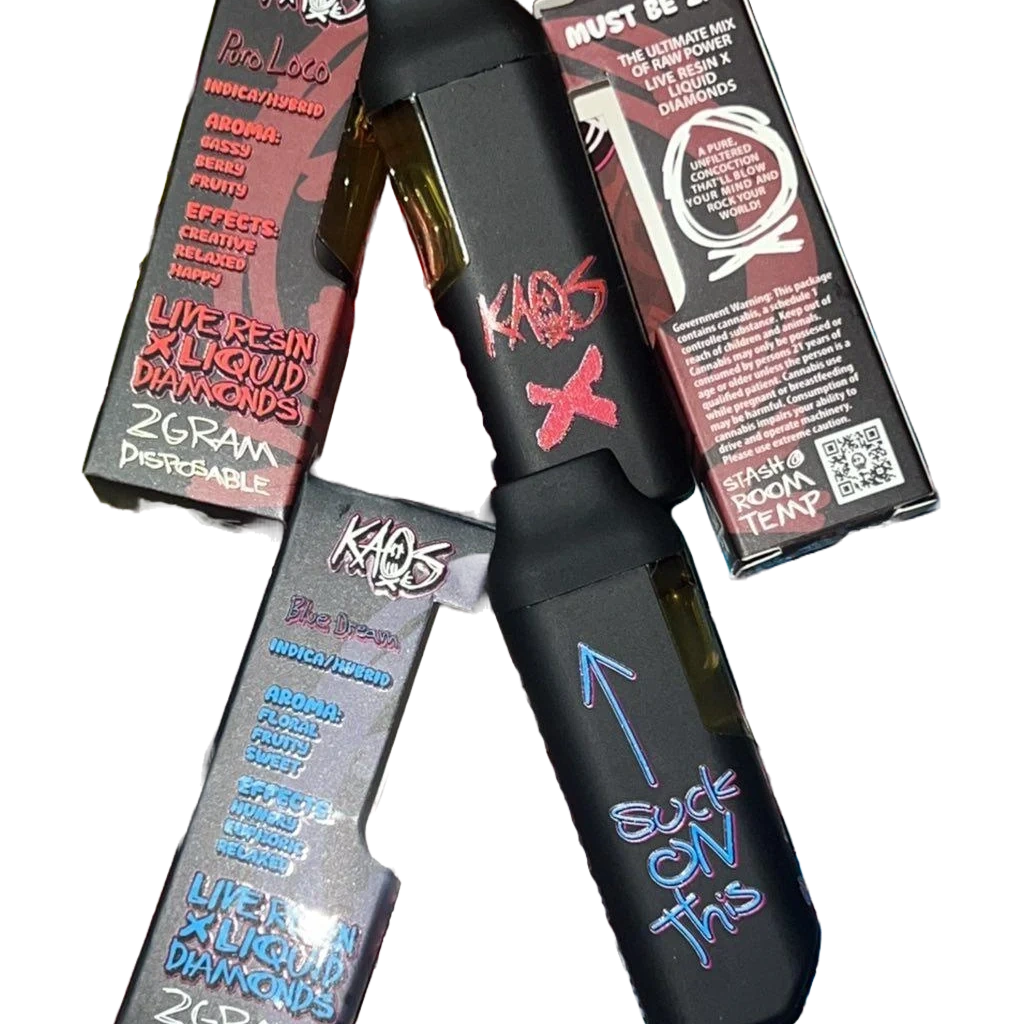
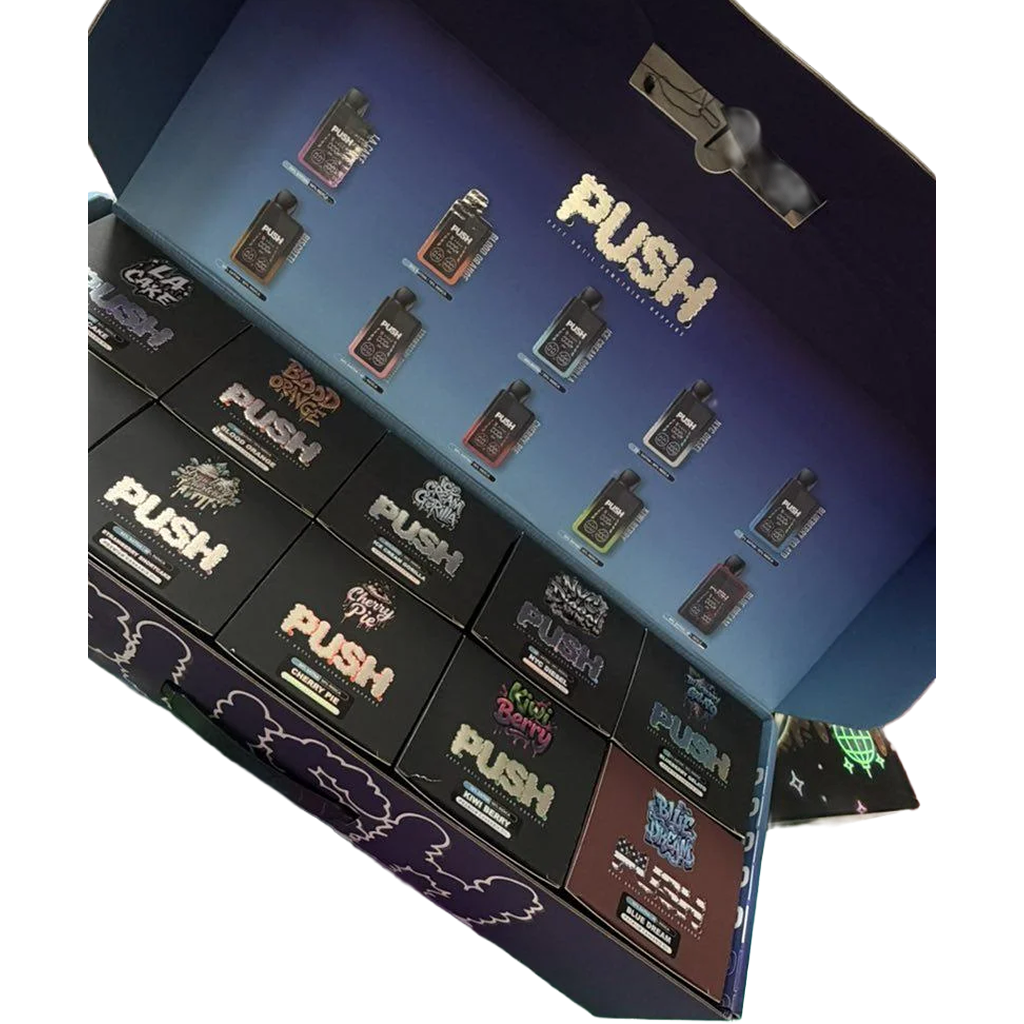
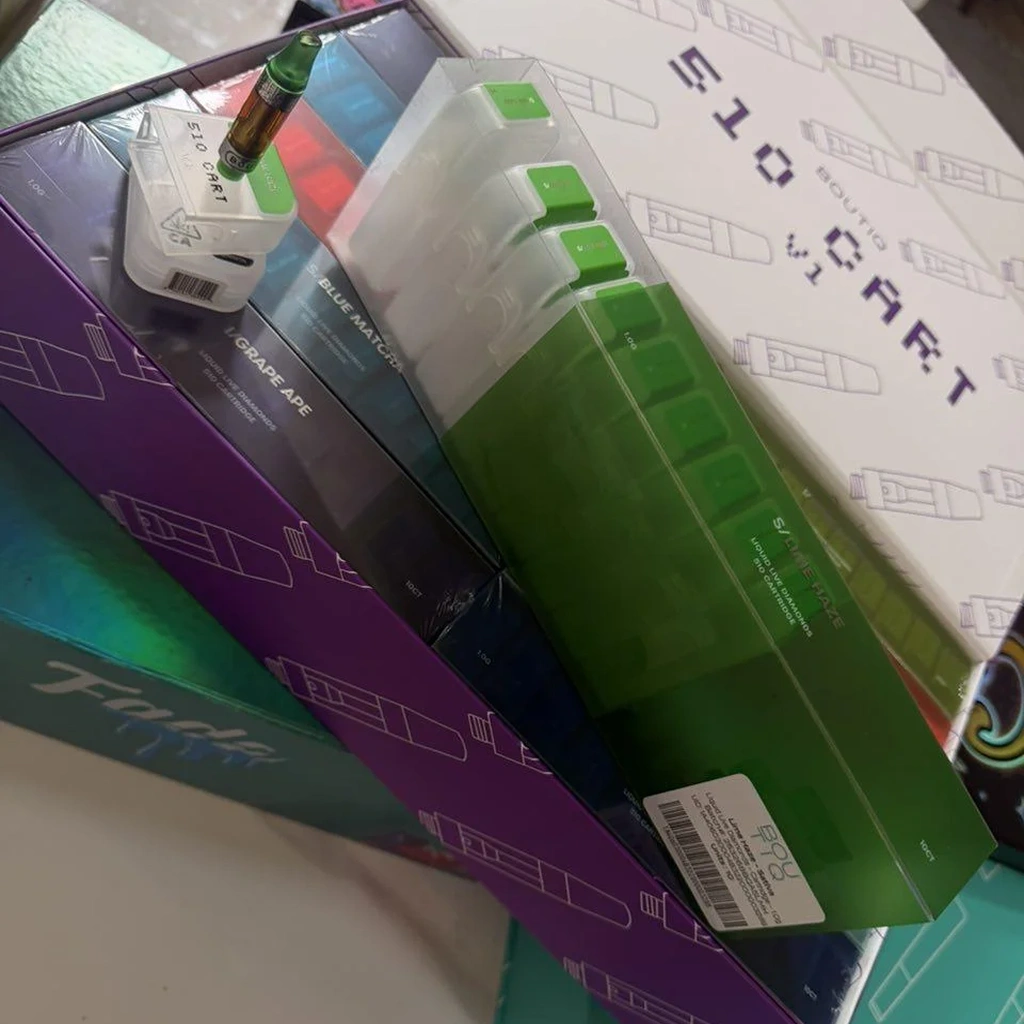
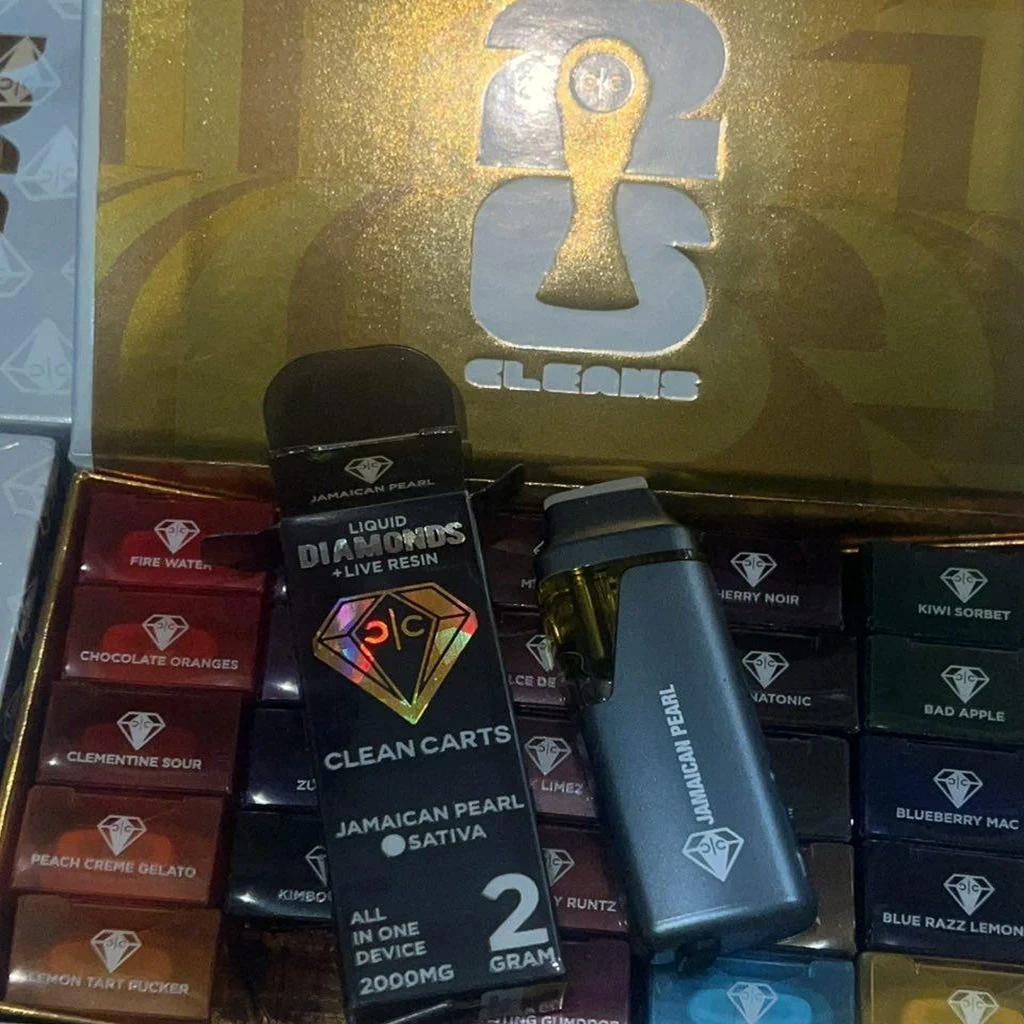
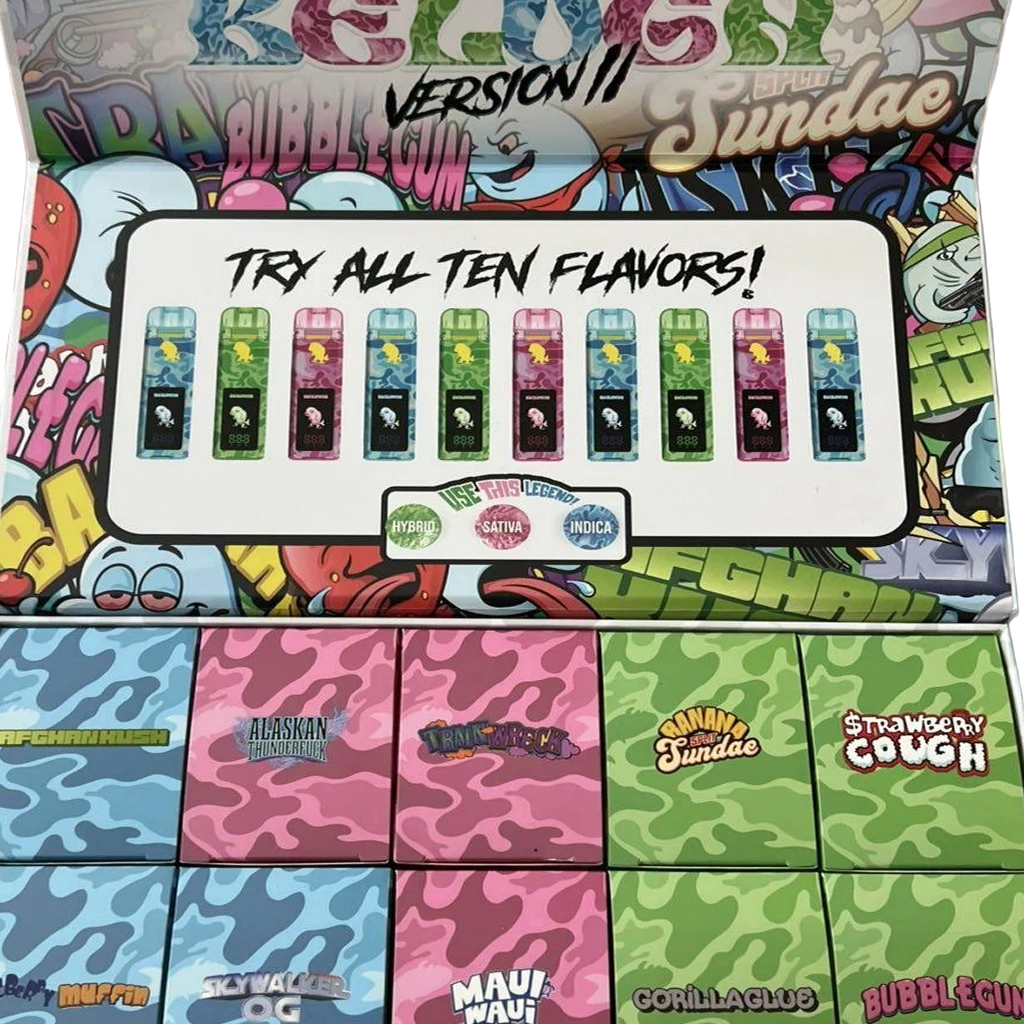
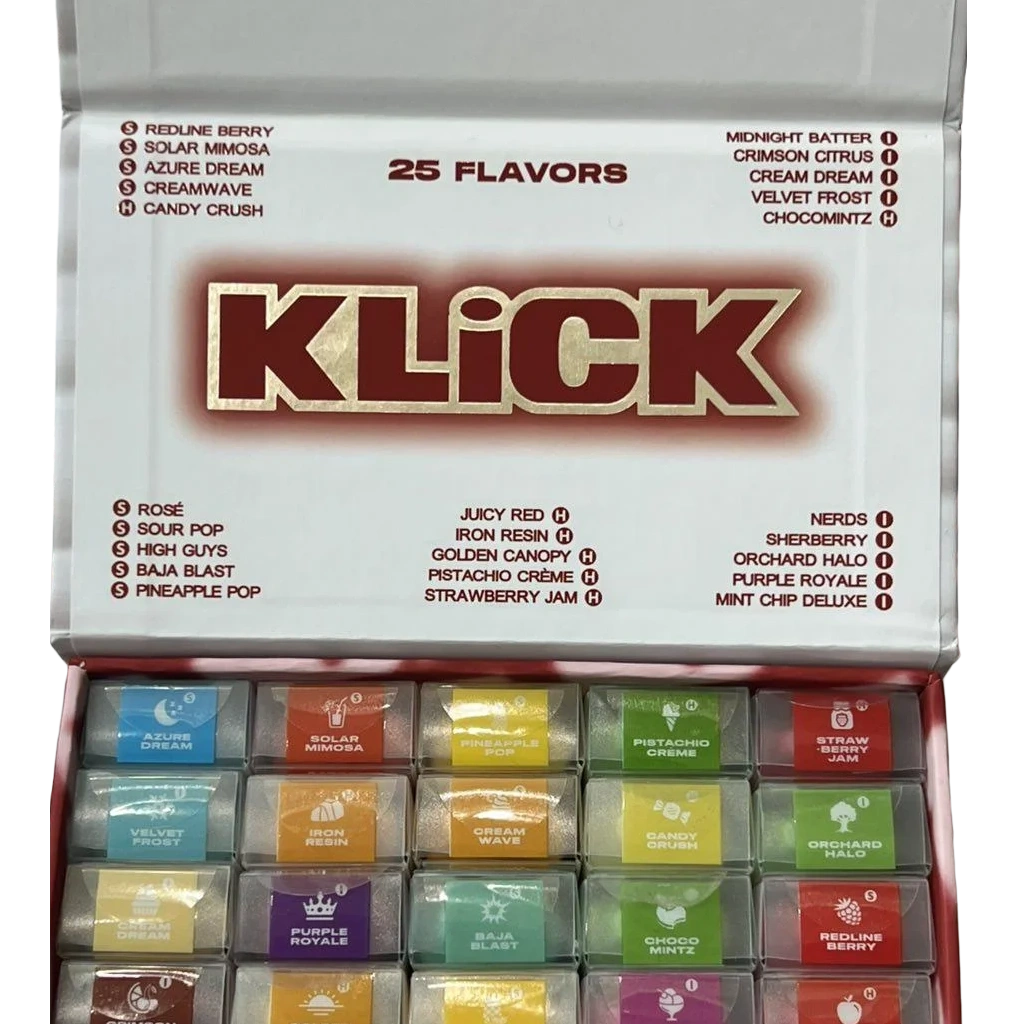
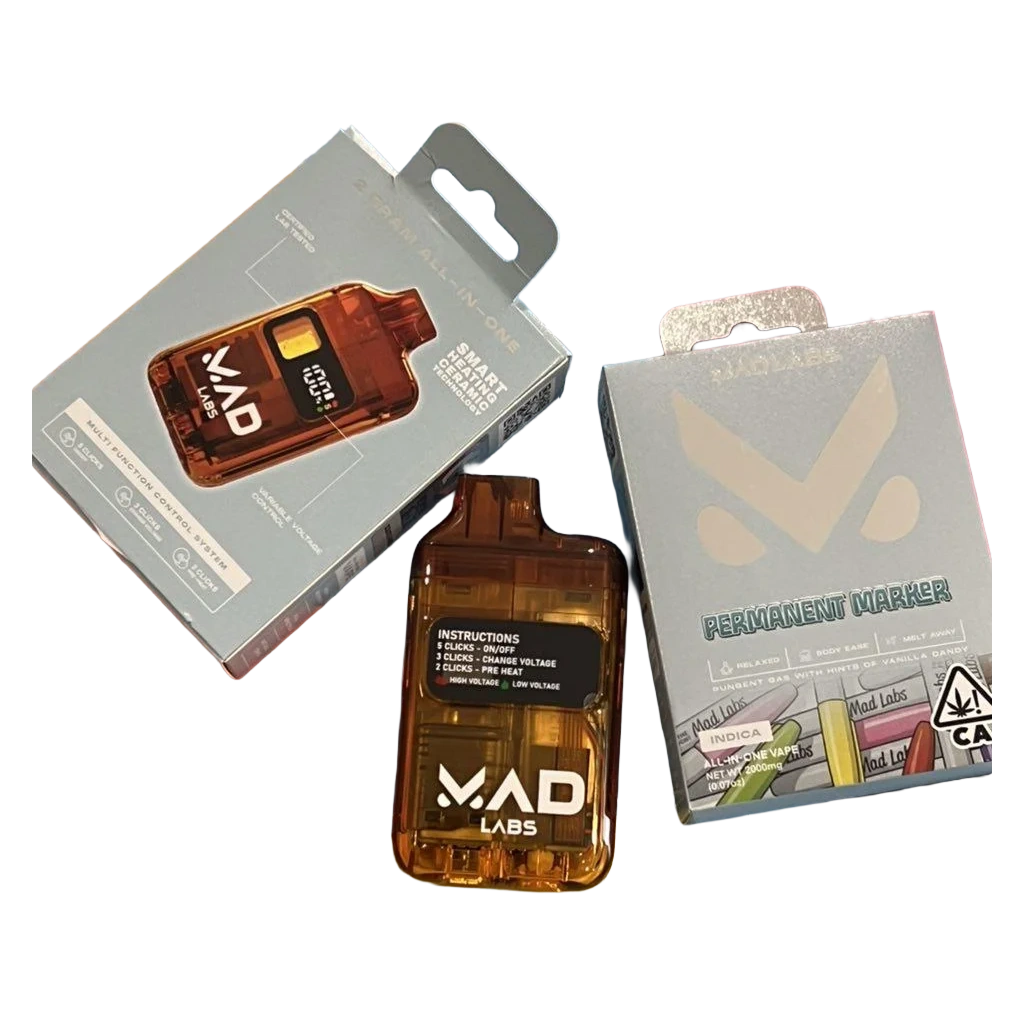
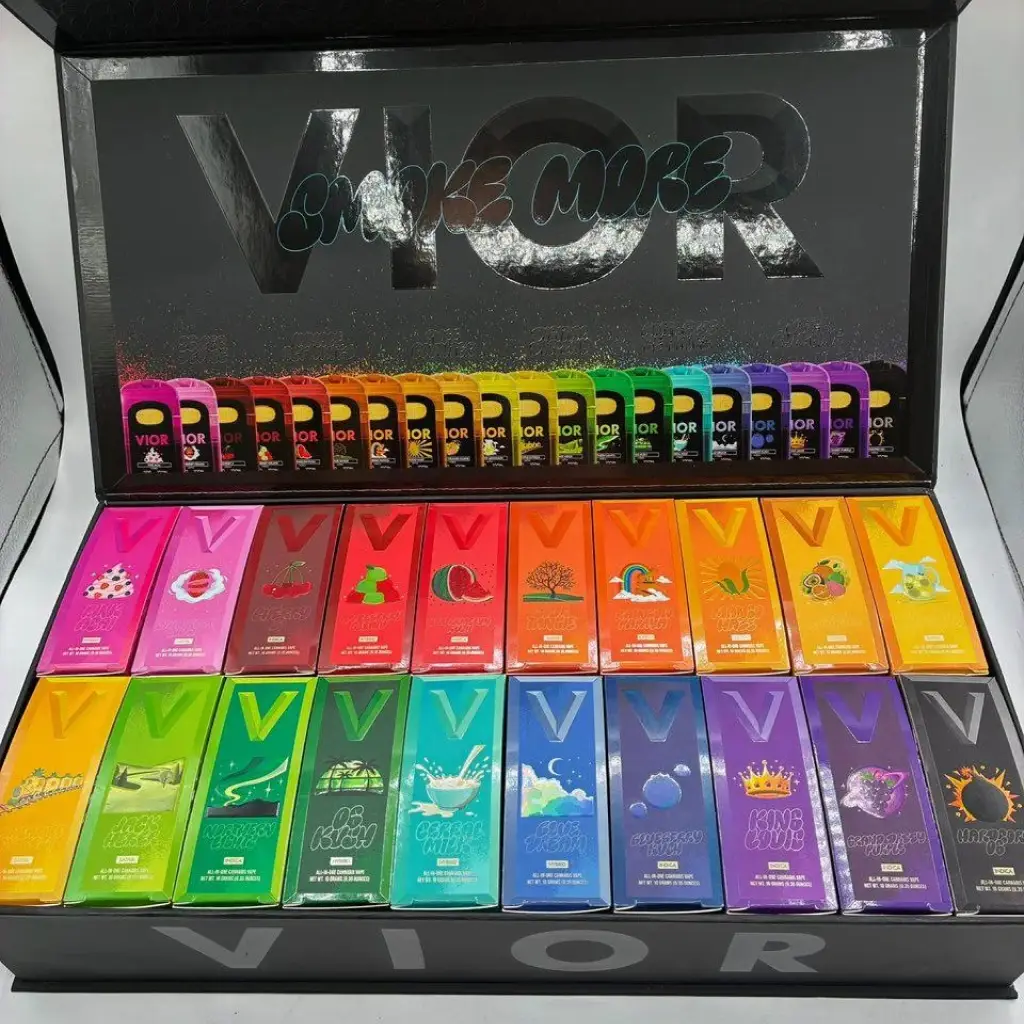
When one says, “How many grams of weed are in a vape cart?”, what he actually wants to know is how many grams of oil go into the cart and how potent it is. Cartridges don’t have flowers, but THCA oil, which is a highly concentrated substance obtained from the THCA flower, is turned into a viscous solution to be vaporized in a heating element. And here’s a complete guide on everything related to cart sizes.
Cartridges and disposables are essentially identical at their most basic level. Oil chamber, coil, and mouthpiece. The difference lies in the mechanics, not the ingredients. Cartridges use normal 510 threading batteries, which, though technically refillable, aren’t usually refilled by anyone who knows what they’re doing. Disposables integrate the battery and throw away the whole thing when the device dies. Wholesale THCA vaporizers include both kinds.
There are two figures that are often conflated, but which you need to keep separate. One is the weight of the oil within the cartridge, measured by how much is inside the cartridge itself, which is what the “1g” and “2g” figures on the side refer to. The second is the percentage of THCA within the oil. Large cartridges don’t have to be potent.
The 1-gram cart contains 1 gram of THCA oil, which is equivalent to about 1,000mg of liquid. Typically in the industry, THCA vape oil has a potency that ranges from 60% – 90% of THCA.
The actual potency depends on the specific COA. 1 gram has been the standard industry practice for many years now, especially with 510-thread cartridges. Cheaper up front. Lower cost to start with. This is important when considering products to keep in retail stores where customers will purchase them on impulse. It’s the type of product that sells itself because of its lower cost and availability at the checkout line.
The 2g cart will contain double the amount of oil in a 1g cart, which is about 2,000mg. That means you should be having about 1,200mg to 1,800mg of cannabinoid matter. The same principle applies. Just verify with the COA for the product; do not make assumptions based on the quantity written on the box.
This is the more common specification of the product in the market, especially when it comes to disposables. It could not get any further. TerpSourced’s disposable carts tend to come more in 2g than anything else, and there is only one 3g in circulation currently.
Not really related to the gram count, yet these issues keep getting entangled. Let us split the two. Cartridges require a separate 510-thread battery owned by the customer or purchased in conjunction with it. This is friction at the point of sale, but it is also repeat business, as the customer keeps coming back for oil without the necessity to purchase new equipment each time. Disposables eliminate all that friction. The battery comes inside, and the customer just opens the package and uses it. No additional accessories are required, and no explanations of the threading process are needed for someone who has never tried.
Disposables win hands down when it comes to simplicity of use, in case you have many one-time or occasional buyers. No need to explain anything, and no returns due to “It does not fit my battery.” Cartridges work better for those stores that serve mostly regular cartridge users, especially those that already sell 510 batteries.
Shelf space plays into this, too, and it’s easy to overlook.
| Format | Cross-Sell & Shelf Behavior |
| Disposable | Complete purchase on its own, needs zero cross-selling |
| Cartridge | Creates a natural second sale – customer needs a compatible battery, either from your shelf or somewhere else |
Almost all businesses will end up operating both. It all comes down to who visits their store. Places that rely more on new customers tend towards disposables. Meanwhile, places where loyalty plays a greater role among their customers tend towards cartridges.
Gram weight and cannabidiol concentration are equally important in both cases.
Converting cart size to actual dose comes down to two numbers. Total oil weight and THCA potency percentage. That’s it.
So a higher-potency 1g cart can carry more active cannabinoid than a lower-potency 2g cart. Size alone doesn’t tell the whole story, and it never will.
This is precisely why the percentage on the label counts just as much as the gram weight when it comes to comparing two competing products, whether that means pricing from a retailer’s standpoint or ordering from the distributor’s side.
Puff count varies depending on the vaporizer hardware, draw time, voltage, and viscosity of the oil used. There isn’t a single figure that works for all carts available on the market. This never happened before. This is an estimate, applicable industry-wide, and not a figure for any particular device and oil composition. The quality and the design of the hardware make a difference here, sometimes quite a big one.
Now, there is something that remains the same no matter the actual number of puffs – the 2g cart contains twice as much oil as the 1g cart, thus providing twice as much time for use. That’s the real ratio that shops can give to people asking, “How long will this last me?”
All sizes available on the market disassemble identically after understanding which components to look for. Oil capacity determines its longevity, puff range offers an approximate real-life estimation of how many puffs can be made, while format will show whether it is a cartridge or disposable device. Here is the complete list.
| Cart Size | Oil Volume | Est. Puff Range | Typical Use Case | Common Format |
| 0.5g | ~500mg | 80-150 puffs | Lower-cost entry point | Cartridge |
| 1g | ~1,000mg | 150-300 puffs | Industry standard, budget-friendly | Cartridge |
| 2g | ~2,000mg | 300-600 puffs | Longer-lasting, higher upfront cost | Disposable (most common now) |
| 3g | ~3,000mg | 450-900 puffs | Extended-use, premium shelf tier | Disposable |
Not every cart on the market is what its label says it is. Worth knowing before you’re the one explaining it to a customer.
Confirm the real volume level of the oil versus what’s on the box. “2g” carts that visually have less capacity than a 1g cart sitting beside them on the shelf are a warning sign you pull before they ever make it to the front-facing display cases. Batch-level paperwork links the lab-tested cannabinoids percentage and weight to that exact batch, not a generic form used for a dozen other SKUs. Without that link, there’s no way to know if that label is right.
This becomes even more relevant as cart sizes change in the market.
An inexpensive 2g cart isn’t always necessarily a bargain. It may actually be an oil that’s been watered down to stretch into a larger tank, thereby reducing its potency accordingly. All TerpSourced products feature third-party testing along with a corresponding COA, so what you see on the label is precisely what’s inside and not an inflated estimate meant to push the product.
It’s also important to keep the hardware in mind, not just the oil itself. A seemingly loaded cart that produces feeble, airy vapor that doesn’t draw well may actually have a blocked coil, which needs to be ruled out first.
Real oil of the proper viscosity would drag equally through the cart throughout its lifetime and not just for the first few hits, with subsequent ones being weak. Such a drop-off can be an important thing to mention to the distributor of the oils you use. Let me help you figure it out if you have such problems:
The market dynamic has changed. The one-gram-dominated market is no more and is mostly dominated by two grams on the disposable end of the market, and the current stock keeping unit listing of TerpSourced is a reflection of this reality. Two grams is the new norm and there is almost no mention of 1g in today’s disposable SKUs. If your shop pricing model and shelf tag pricing are still based on 1g dynamics, then it needs an audit according to the new dynamics.
This change in the market dynamic affects consumer calculations as well. A two-gram disposable, which is twice the cost of a one-gram cartridge, isn’t necessarily less value for money. The effective cost-per-mg may be pretty similar when accounting for potency, but the sticker price appears much more expensive. Shops that account for this math in their sales process are much better at selling two-gram products than those that don’t.
When comparing a 1g cart at 85% THCA to a 2g cart at 65% THCA, it is clear that a comparison is being made between two distinctly different dosages, despite the fact that the latter might appear to have more product in it. This is something for which employees can be trained explicitly:
In terms of stores looking to expand their offerings outside of flower and into vape products, the disposables and THCA flower product offerings are both currently priced and come with batch information. Wholesalers can access current inventory and pricing tier information instantly.
The retail-facing gram count is another matter entirely. Your actual wholesale cost and how that factors into your margin need to be discussed before making the purchase commitment. Bigger carts are naturally going to cost more wholesale than smaller carts, but the margins don’t always scale in line with expectations. Wholesale prices on a 2g disposable are usually higher than those on a 1g cart, but that disposable can also command a higher price at retail and have better margins, per unit, after considering the cost structure.
That’s partially why the industry started trending towards 2g in the first place.
A couple of additional wholesale considerations to keep in mind before you place your next order:
Certainly needs to be addressed since it is brought up all the time at the counter and even on wholesale calls. Much of the misconception seems to come from people applying their knowledge of flower consumption to the mathematics of vaping. The person who purchases their cannabis by the eighth or quarter, thinking that more grams means more product and, in turn, more bang for their buck. This is certainly true, but it ignores one crucial factor that gets overlooked when comparing two ounces of flower. It ignores potency.
There is also an issue of labeling in the larger market that is not specific to TerpSourced products. For some brands, the gram weight appears in bold letters on the front while the THC-A percentage figure is found on the back in smaller letters or not shown on the front at all, and is only available on the COA. It works counterintuitively for those making a comparative assessment. The percentage shows how potent each pull is. Consumers need both figures upfront, and retailers who explain that to customers at the counter earn more consumer trust than those who rely on the larger figure on the box.
Cart weight and cart strength are not one and the same thing; confusing them results in losses on both sides. The loss for the customer is an opportunity to make an informed decision. The loss for retailers is the trust in their ability to provide a better experience with a larger cart. Be informed about the gram content. Be informed about the percentage. Double-check both with a genuine COA before putting it up for sale, not when the customer requests it.
It’s pretty much the entire task in question. We at TerpSourced recommend that, whether it’s 0.5g, 1g, 2g, or 3g, the size just indicates the duration. The percentage on the label shows the effectiveness. Retailers who take time to explain this distinction at the point of sale generate loyal customers. Those who do not simply sell a bigger box. Partner With Us if you are prepared to sell cart sizes with real batch documentation.
Most carts contain either 0.5g, 1g, or 2g of oil, with the 1g and 2g being the most popular options on the market currently. This gram count is measured in concentrated form and not in flowers, and the amount of cannabinoids available is determined by the percent of THCA in the oil.
The 2g cartridge has a capacity of about 2,000mg of oil THCa. The amount is usually between 60-90% THCA, making the effective amount of 1,200mg to 1,800mg of cannabinoid content. This is now the dominant type in disposables, lasting 300-600 hits.
This is based on the number printed on the label, which could be 0.5g, 1g, or 2g. In this case, the container contains oil concentrate of THCA instead of the flower. The actual potency will depend on the THCA percentage in that particular batch.
A 1g cart contains about 1,000 mg of THC-A oil. With a concentration ranging from 60-90% THC-A, it translates to about 600 mg to 900 mg of cannabinoids, certified by the batch’s COA. It has been the standard capacity for years, especially for 510-thread carts.
Exactly the same answer for any other 1g cart as well; a total of about 1,000mg of oil, with actual cannabinoid potency of the oil being in the range of 600mg to 900mg based on the percentage of THCA in that particular batch of oil.
The amount of oil in most carts is either 0.5g, 1g, or 2g. Of these three, the two that dominate the market right now are the 1g and 2g carts. It should be noted here that the gram number represents only the concentrated THCA oil and not the flower.
No, not flower. It’s a cart of THCA oil, which is an extract of the flower and not ground buds. When you measure your grams, you’re measuring oil and not the plant material, whether you choose cartridges or disposables; it’s all the same.
The industry standard estimate for the number of puffs in a 1g cart is between 150 and 300, although this number depends on the draw time, voltage, and device. The shorter and lighter puffs increase the number, while long and strong puffs reduce the number significantly.
While for flower, 7 grams (one quarter of an ounce) represents a significant quantity for retail, for cart oil, 7 grams will be distributed among several 1 gram or 2 grams carts, which means that they are not comparable quantities.