Many new strains come out every year; however, there are very few that are able to get themselves recognized and listed among the most famous strains. This is the case with Jealousy strain, which is one of the strains able to achieve such recognition, thanks to the title of the Strain of the Year 2022 from the company Leafly.
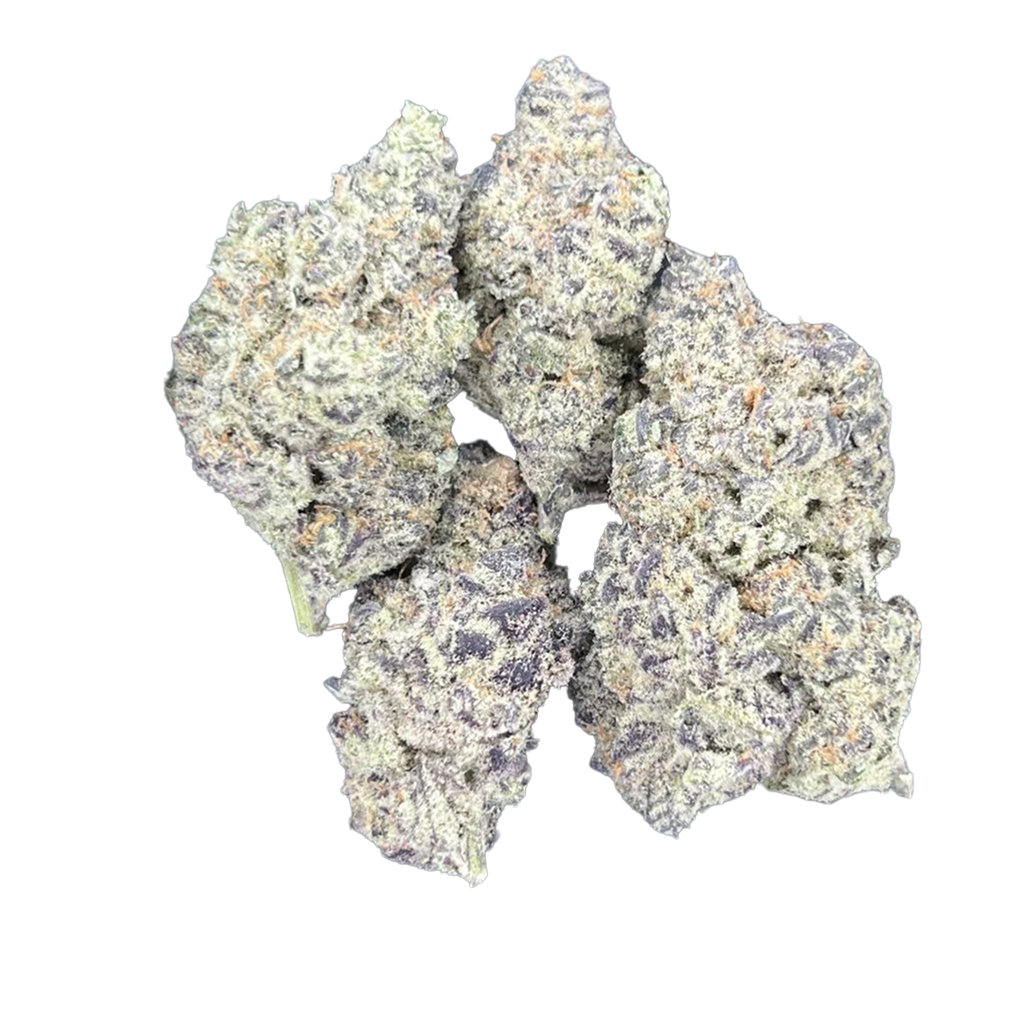
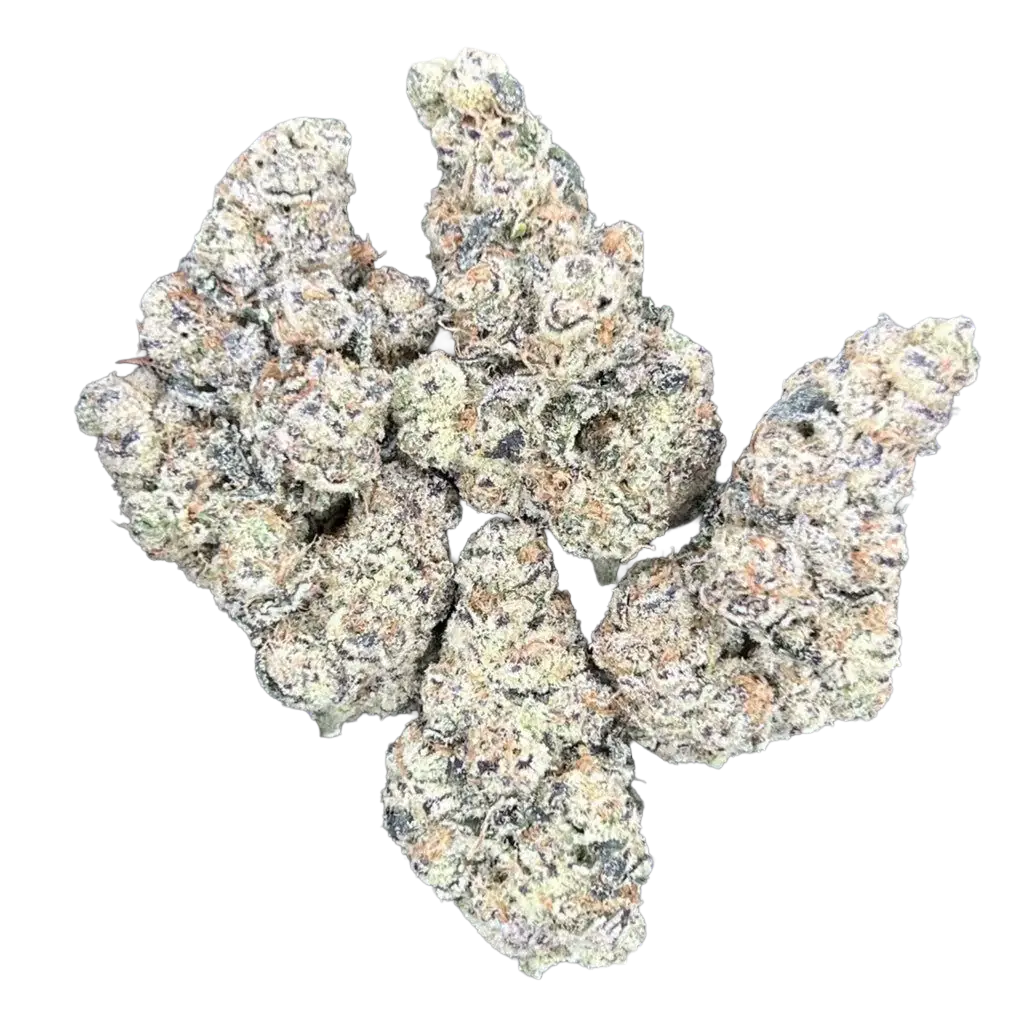
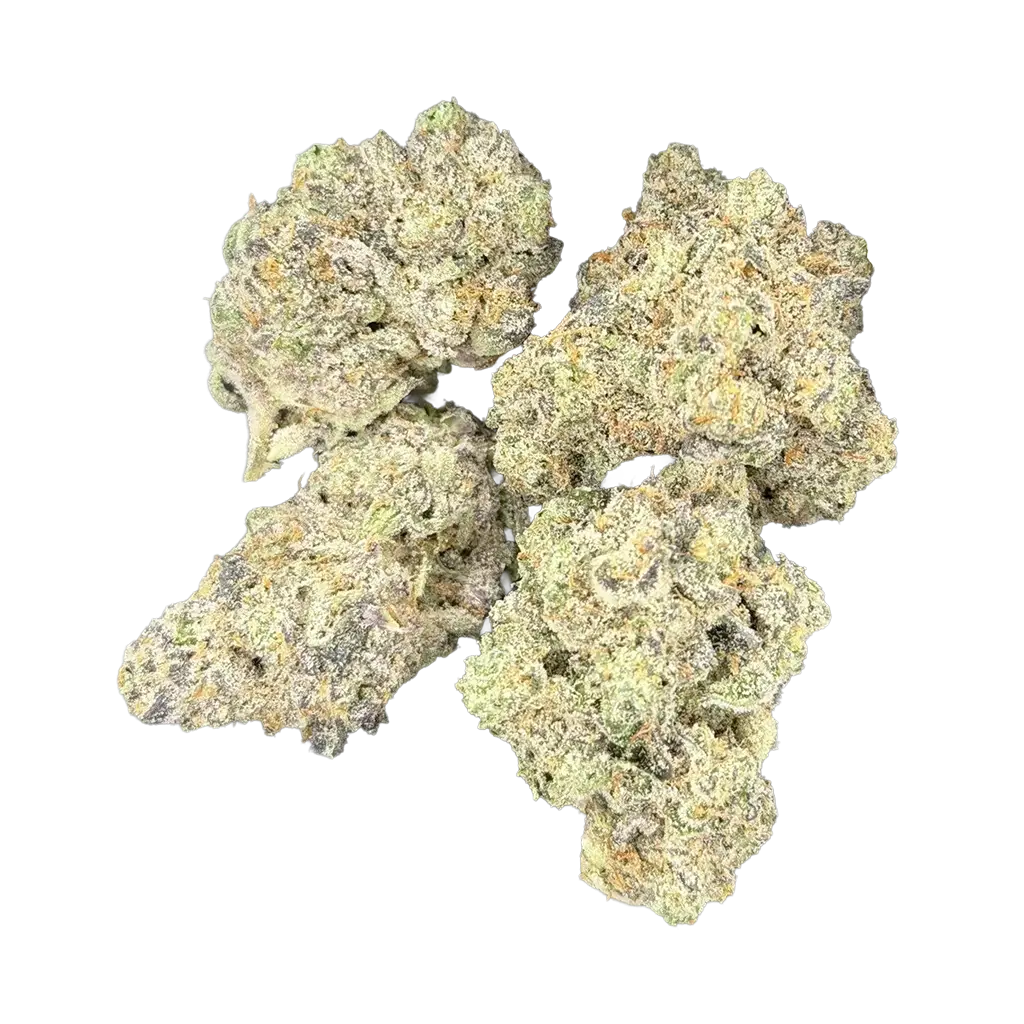
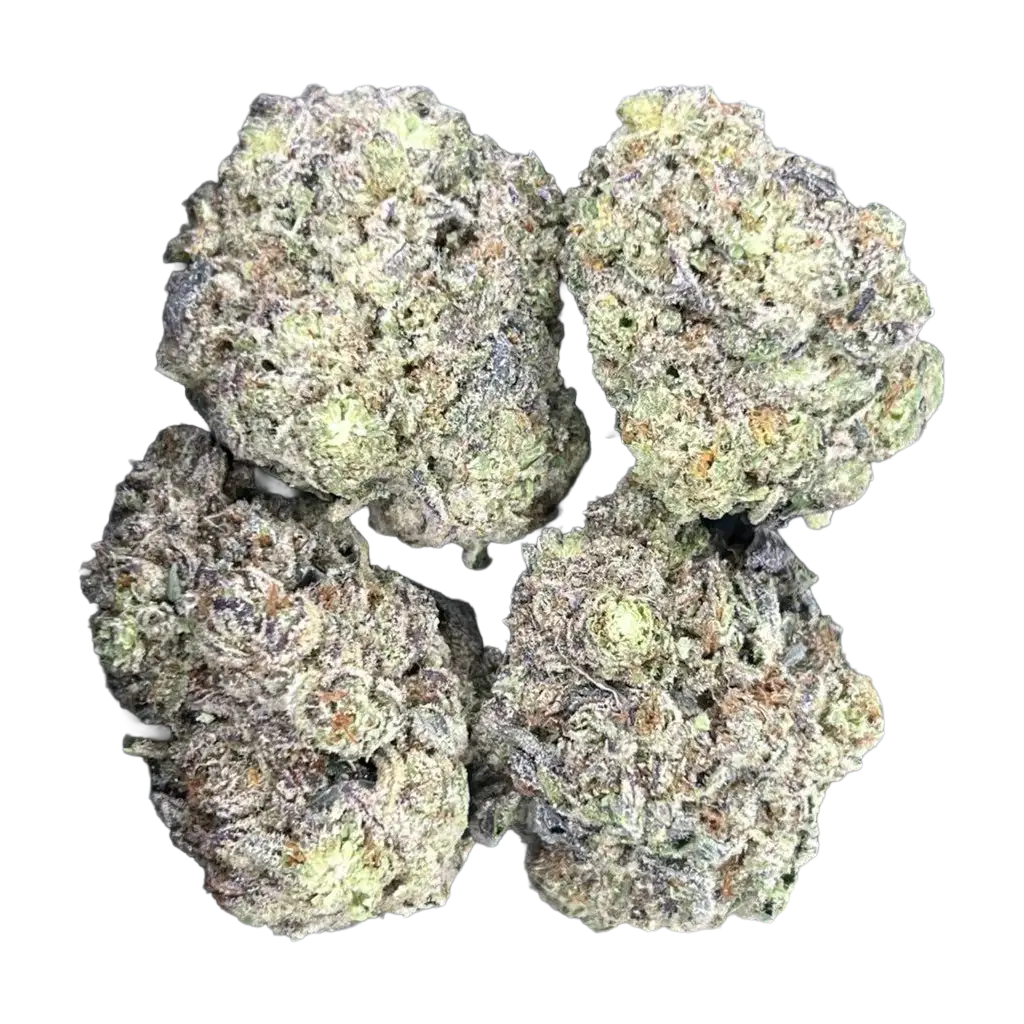
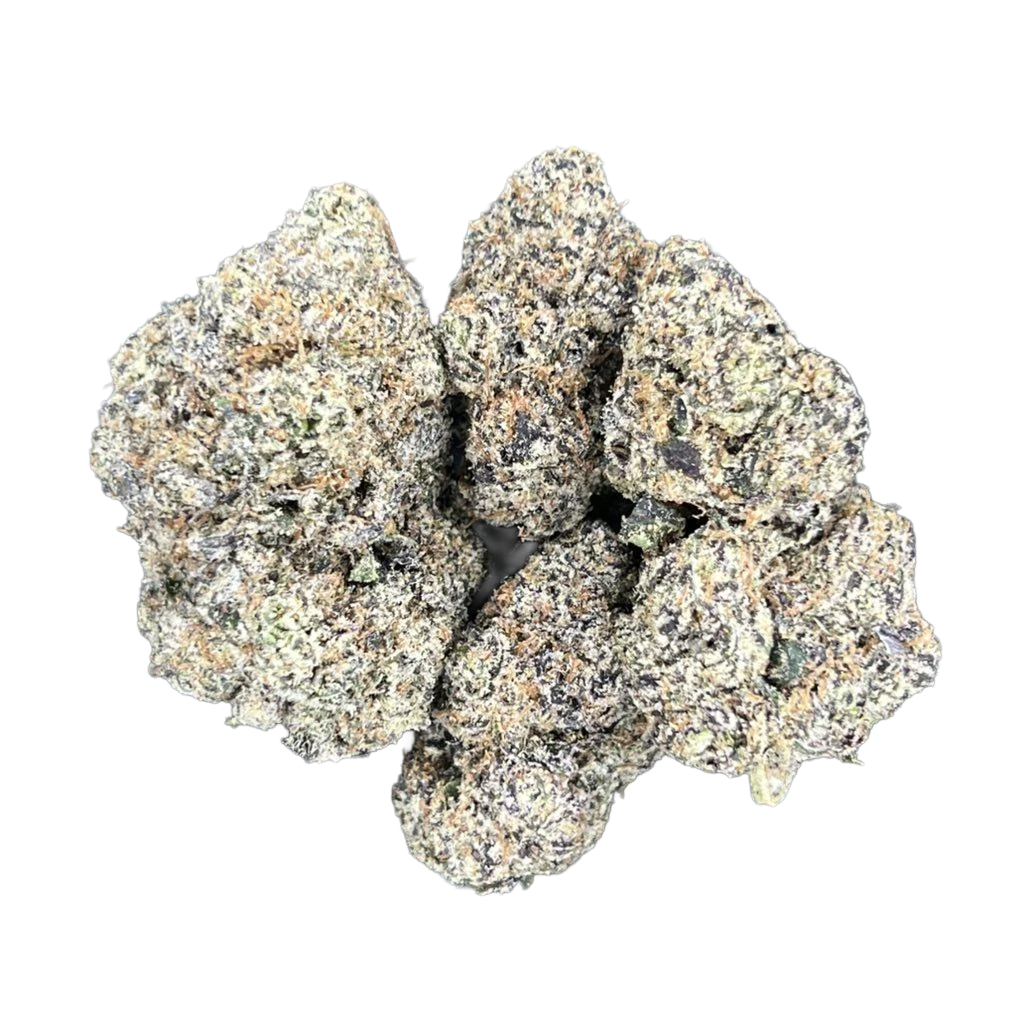
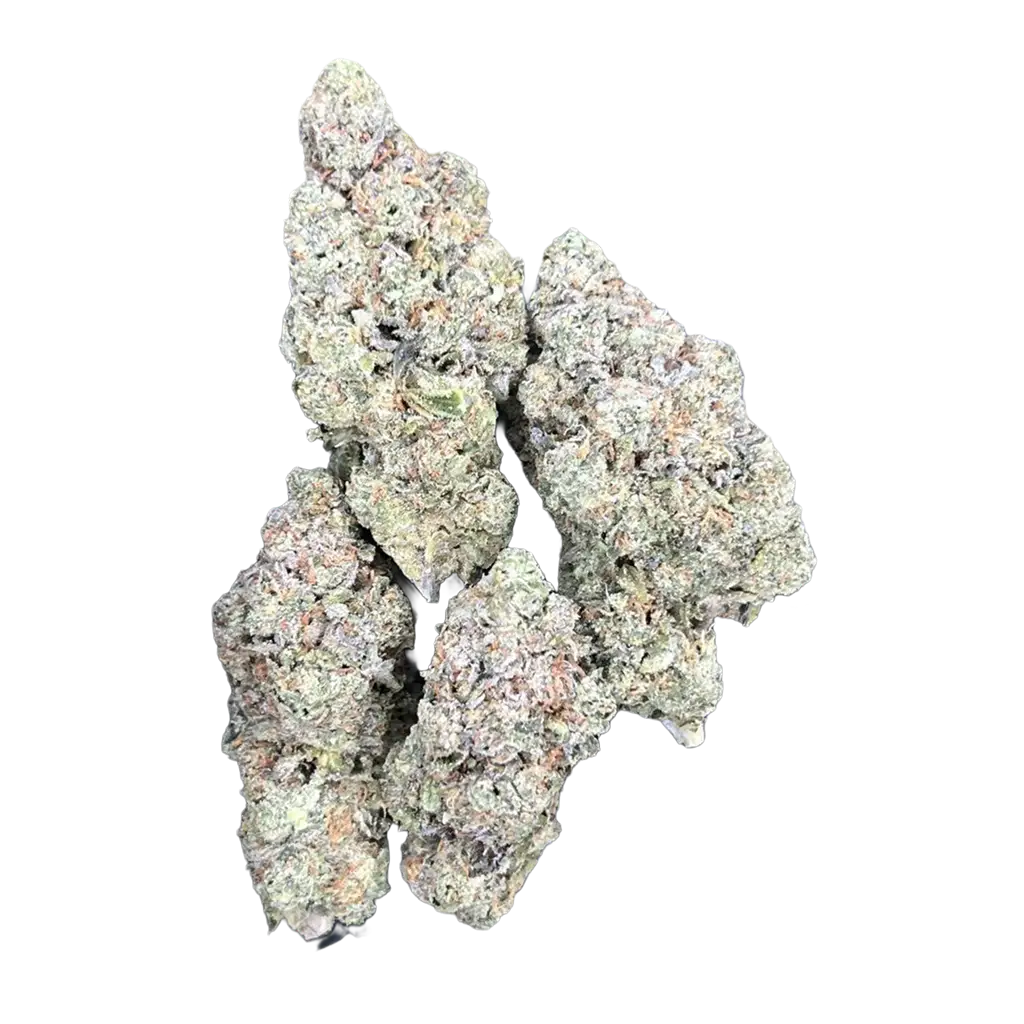
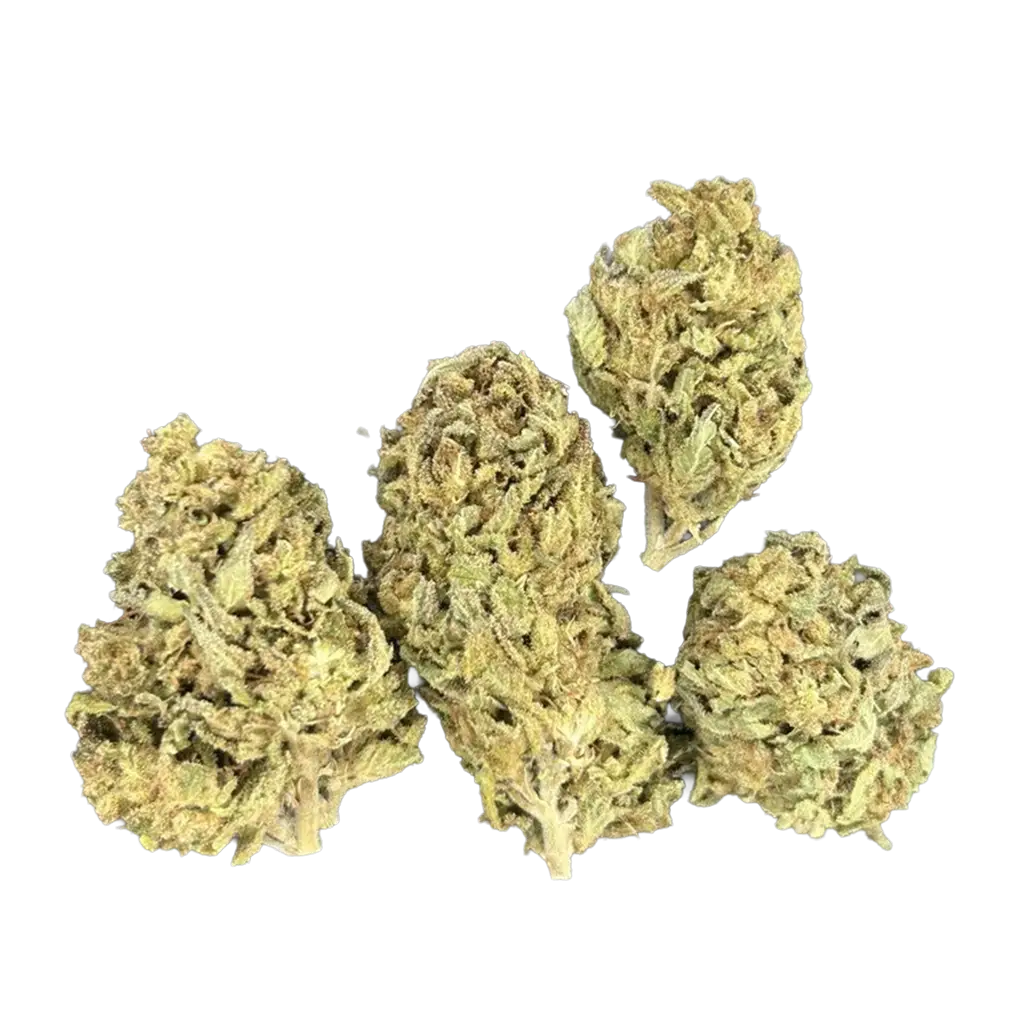
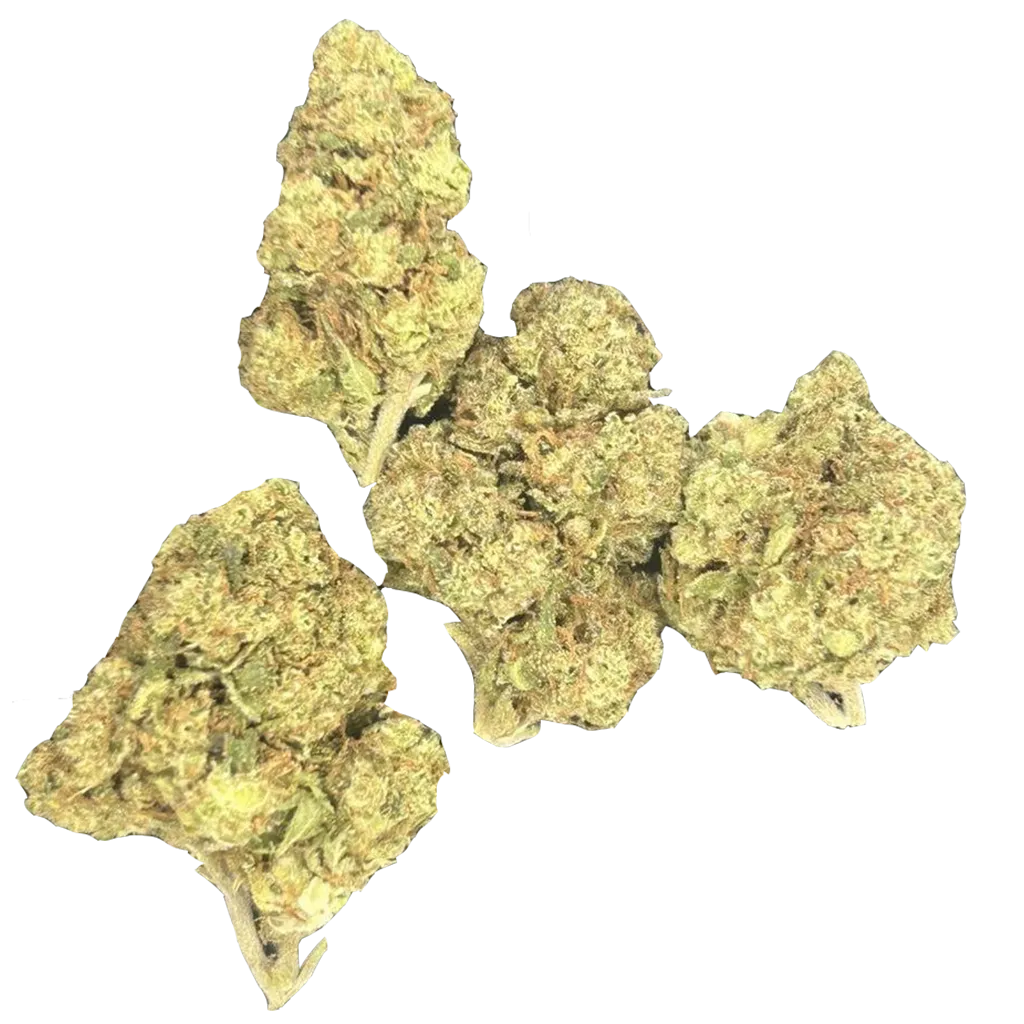
Apart from being famous for its strength, the strain is also known for its distinctive genetic makeup, resinous buds, sweet taste, and well-balanced effect, making it a favorite among buyers looking for high-quality THCA flower.
Jealousy strain is an equally balanced combination produced from the breeding of Gelato 41 and Sherbert Bx1 strains that includes a sweet taste along with high resin and cannabinoids. It was developed by Seed Junky Genetics and became well-known very soon because of its colorful buds, trichome covering, and performance in different methods of cultivation, much like other modern cultivars discussed in our Gelato 41 strain guide.
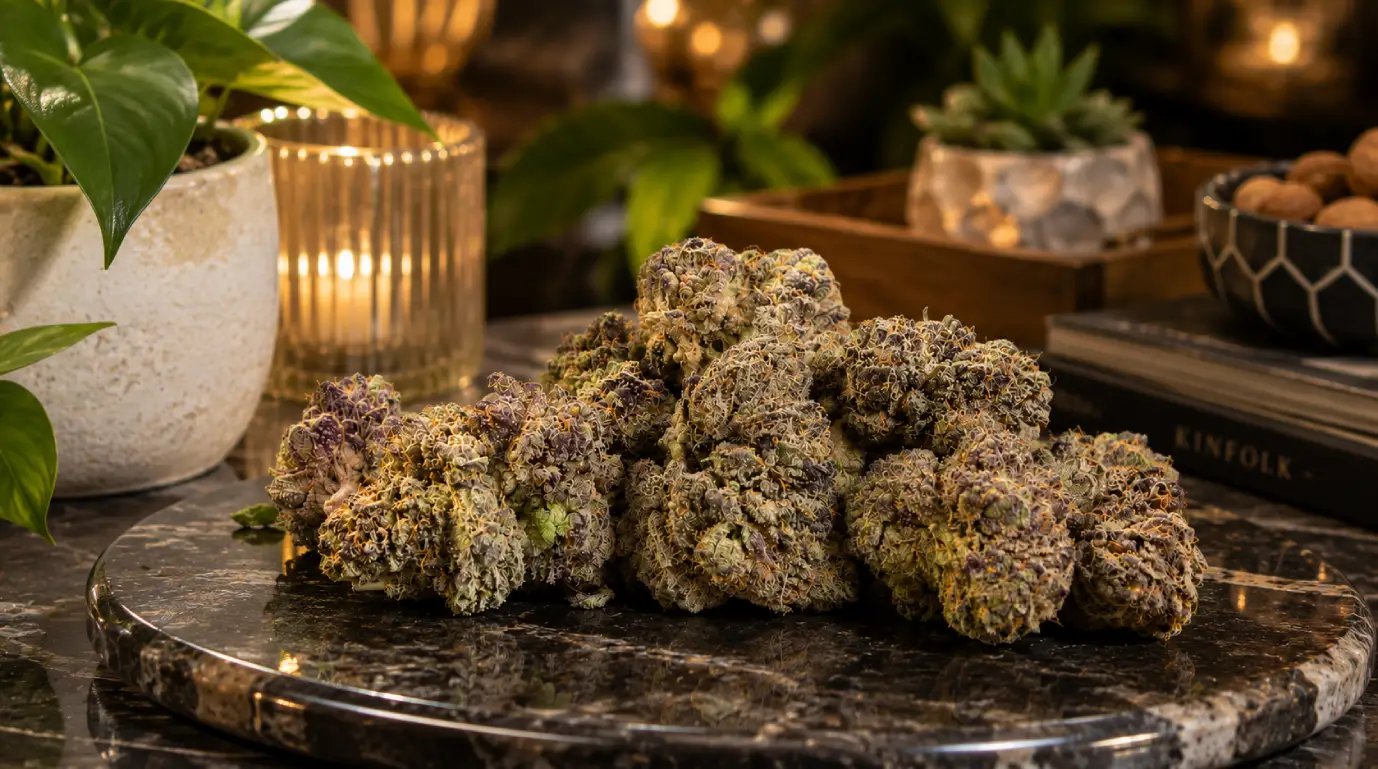
Phenotypes of the strain have a percentage of THC between 22% and 30%, and also have a percentage of CBD less than 1%. Flowers are of dark green color, but sometimes there are violet highlights and orange pistils in them. However, apart from its looks, the jealousy weed strain is famous for providing a combination of flavors, aromas, and effects.
The potency of the jealousy strain lies not only in its genetic makeup but also in its cannabinoids. The genetics provided by Gelato 41 include strength and sweet creaminess, while those of Sherbert Bx1 provide fruitiness, flower density, and high resin production. While varying according to the phenotype and growing techniques, the levels of THC measured in laboratories usually fall within the medium-to-high 20% level. The strain can have small amounts of other cannabinoids like CBG, making cannabinoid testing especially important when sourcing bulk THCA flower.
The following figures represent the typical characteristics reported for a well-grown jealousy flower rather than fixed values.
| Characteristic | Typical Range |
| Genetics | Gelato 41 × Sherbert Bx1 |
| Type | Balanced Hybrid |
| THC | 22-30% |
| CBD | Less than 1% |
| Total Cannabinoids | 24-33% |
| Flowering Time | 8-10 Weeks |
| Dominant Terpenes | Caryophyllene, Limonene, Myrcene |
The value can be different depending on the variation in the manner of farming, harvest, drying process, and the type of plant phenotype. This can only be achieved by testing in the lab, a process explained in our guide on how dispensaries evaluate THCA flower.
Jealousy strain is known for its intricate aroma, which combines sweetness, dessert notes, earthiness, spices, and subtle fuel-like tones, similar to several cultivars featured in our Best Exotic THCA Flower Strains guide. Instead of featuring a prominent scent, this strain builds its profile as the flower is being destroyed, making it very appealing to those cannabis users who prefer terpene-rich varieties. The complicated aroma of the jealousy strain is made up of some major terpenes that go well together.
Flower cured properly can preserve all these aromas, making the profile of the strain very pronounced, starting from the opening of the jar until the last inhalation.
The jealousy weed variety is typically known for generating balanced highs that include mental clarity, together with physical relaxation. Most users note a happy beginning that slowly evolves into relaxed sensations of the body without being too sedating. Individual experience will also depend on a person’s tolerance levels, dose, and concentration of cannabinoids, especially when consuming THCA disposable vapes.
Popular experience includes:
All strains contain over 25% THC level, thus beginners use small quantities of them.
As the Jealousy strain became popular, the breeders started using the strain to develop hybrid strains with their own flavors and growth patterns. Though these hybrid strains have a similar genetic composition to that of Jealousy, each has something different due to its combination with another famous strain. Recognizing these differences would help you select a strain suitable for your needs.
The following table provides details about the most famous hybrid strains of Jealousy.
| Hybrid | Parent Genetics | Notable Characteristics |
| Banana Jealousy | Banana Cream × Jealousy | Creamy banana aroma with sweet tropical notes and relaxing effects. |
| Jealousy Runtz | Jealousy × Runtz | Candy-like sweetness, dense trichomes, and balanced potency. |
| Jealousy Split | Jealousy-based hybrid | Fruity aroma with creamy undertones and colorful buds. |
| Jealousy OG | Jealousy × OG lineage | Earthy, gassy profile with stronger body relaxation. |
| Jealousy Cake | Jealousy × Cake genetics | Rich vanilla sweetness, dense flower structure, and resin-heavy buds. |
These hybrids might possess qualities of the original jealousy strain; however, factors such as environmental conditions and phenotype choice can affect their cannabinoid and terpene profiles.
Jealousy is an excellent choice for both indoor and outdoor grows, although indoor settings yield tighter buds and more trichomes. The flowering period will last between 8 and 10 weeks for the majority of the strains, while the harvest period, when growing outdoors, may take place early to mid-October. The yield in the indoor environment will range between 450 grams and 550 grams per square meter, while an excellent yield in the outdoor environment will be higher than 500 grams to 600 grams per plant. Proper temperature and ventilation with humidity of 45 percent to 50 percent must be provided in order to prevent the occurrence of mold.
The beauty of the jealousy weed is also one of the reasons why the product remains relatively popular among consumers. The combination of the aesthetic appeal of the plant, its strong effects, and unique flavor profile makes the marijuana visually pleasing and attractive. Its effects also make it appealing to many people who have tried it before. As far as business is concerned, its recognized genetics and consistent cannabinoid content make it reliable for inclusion on a menu at higher price points. It has also led to several highly sought-after hybrids, which keep the original strain relevant even with the development of newer strains.
Jealousy’s strain status is well deserved, considering it offers much more than just an excellent THC level. The award-winning genetics, terpene profile, balanced effects, and the aesthetic appearance of its flowers have contributed to it being one of the most well-known hybrid strains in the market. Whether you are a fan of the original strain or one of its many hybrids, such as Banana Jealousy or Jealousy Runtz, knowing the cannabinoid profile and the cultivation of the strain will go a long way in your decision-making process. As new genetics continue to be developed, TerpSourced continues to highlight premium cultivars like Jealousy, which has set the standard for the top hybrid strain.
Jealousy strain is normally categorized as a hybrid strain. This is because the strain’s genetic makeup entails Gelato 41 and Sherbert Bx1, and effects may be both stimulating and relaxing at once.
Most tested samples have between 22% and 30% THC. The amount of THC found in these samples depends on the cultivation method used as well as the specific phenotype grown. CBD concentration usually stays under 1%.
The strain is distinguished by its unique blend of sweet and dessert flavors and slight citric and spicy flavors with a touch of earthiness and fuel flavor.
This strain of marijuana became very popular due to the fact that it received Leafly’s Strain of the Year 2022 Award. In addition to the above, the appearance, terpenes, high resin production, and effects of this strain also appeal to growers and customers.
It is a hybrid of Banana Cream and Jealousy. The aroma has a scent that has flavors of creamy bananas, tropical scents, resin, and relaxing effects, but still retains most traits of the Jealousy strain.
No, both strains do not have any differences when it comes to strength levels. Each of them has different features, whereby Jealousy Runtz has a candy taste and vibrant buds, while the Jealousy strain is characterized by an excellent mixture of terpenes, resin, and cannabinoids.
Under the indoor cultivation environment, it usually takes about 8 to 10 weeks to grow the flower. Outdoor cultivation of the jealousy strain usually yields results in the first week of October, although variations may occur due to climate changes and phenotypes grown.
There are three types of terpenes, which are usually found in Jealousy strains and include caryophyllene, limonene, and myrcene.
Given that many batches have been tested at more than 25% THC content, the jealousy strain has proved to be very potent, therefore appealing to experienced consumers. However, new consumers should be cautious and start off small.