Are THCA dabs just another trend, or a category you can’t afford to ignore? Do they actually hit like traditional THC concentrates, or is that overstated hype? And why are smart operators quietly shifting shelf space toward them right now?
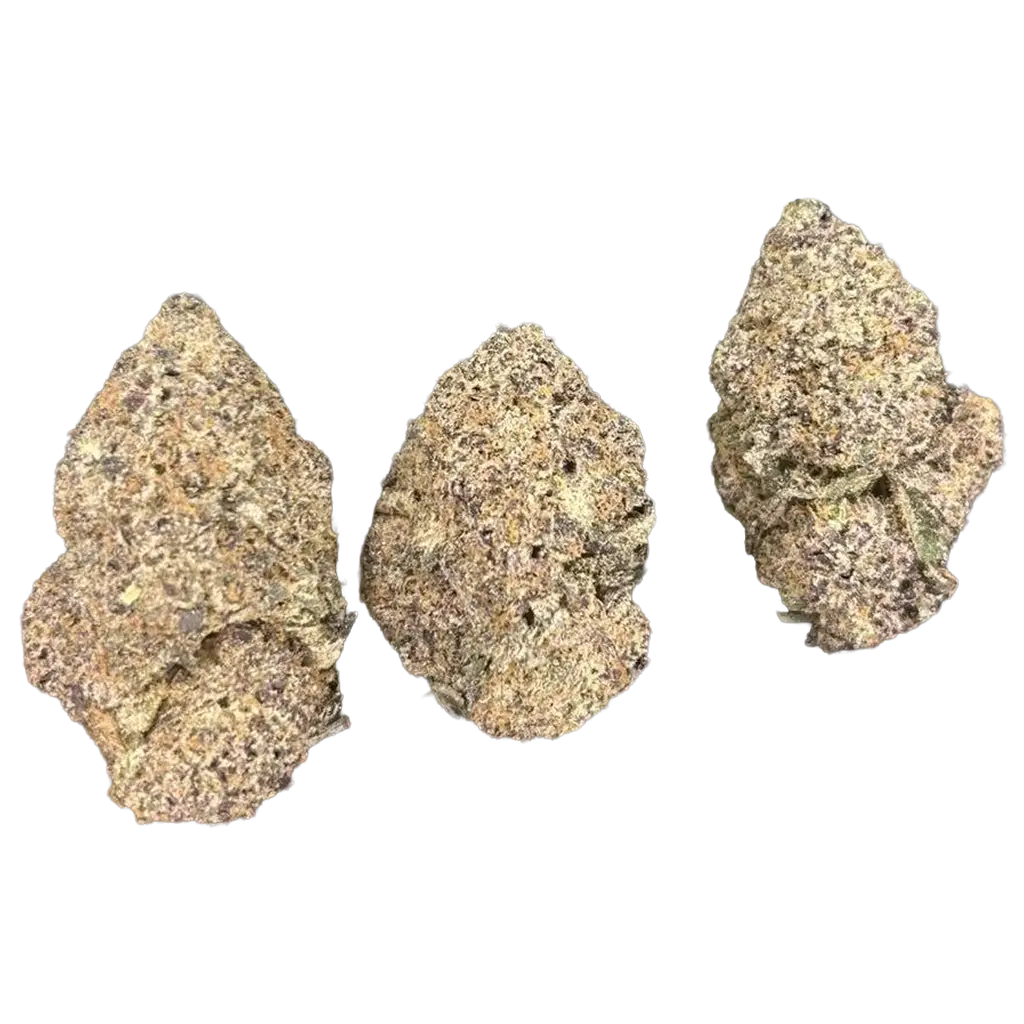
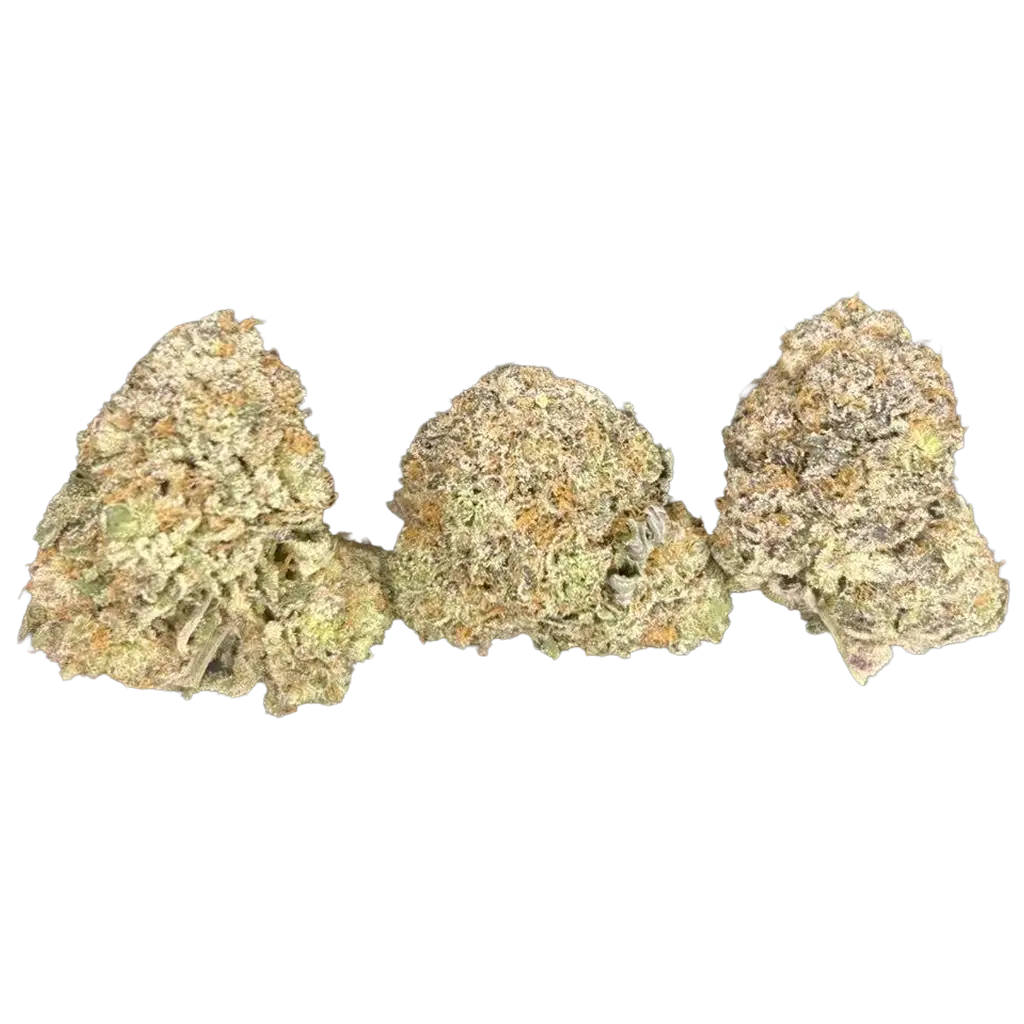
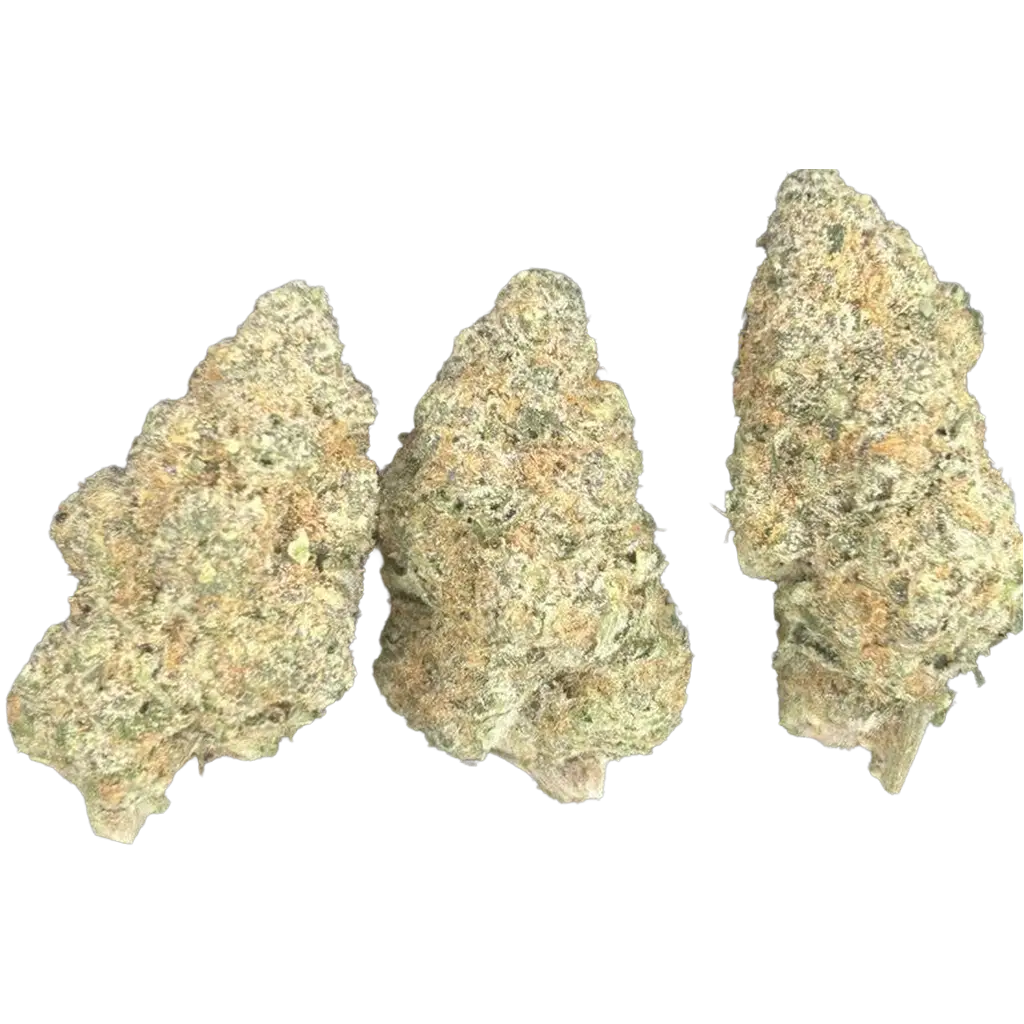
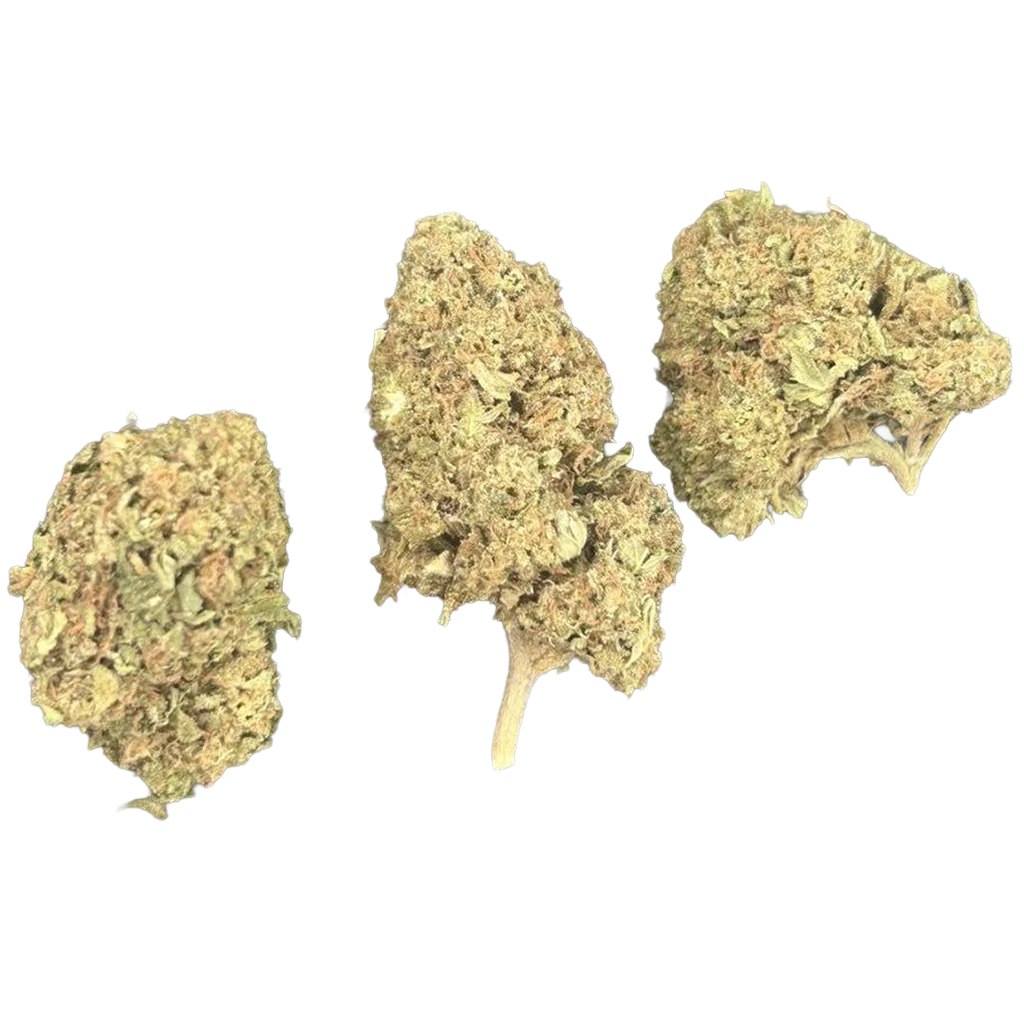
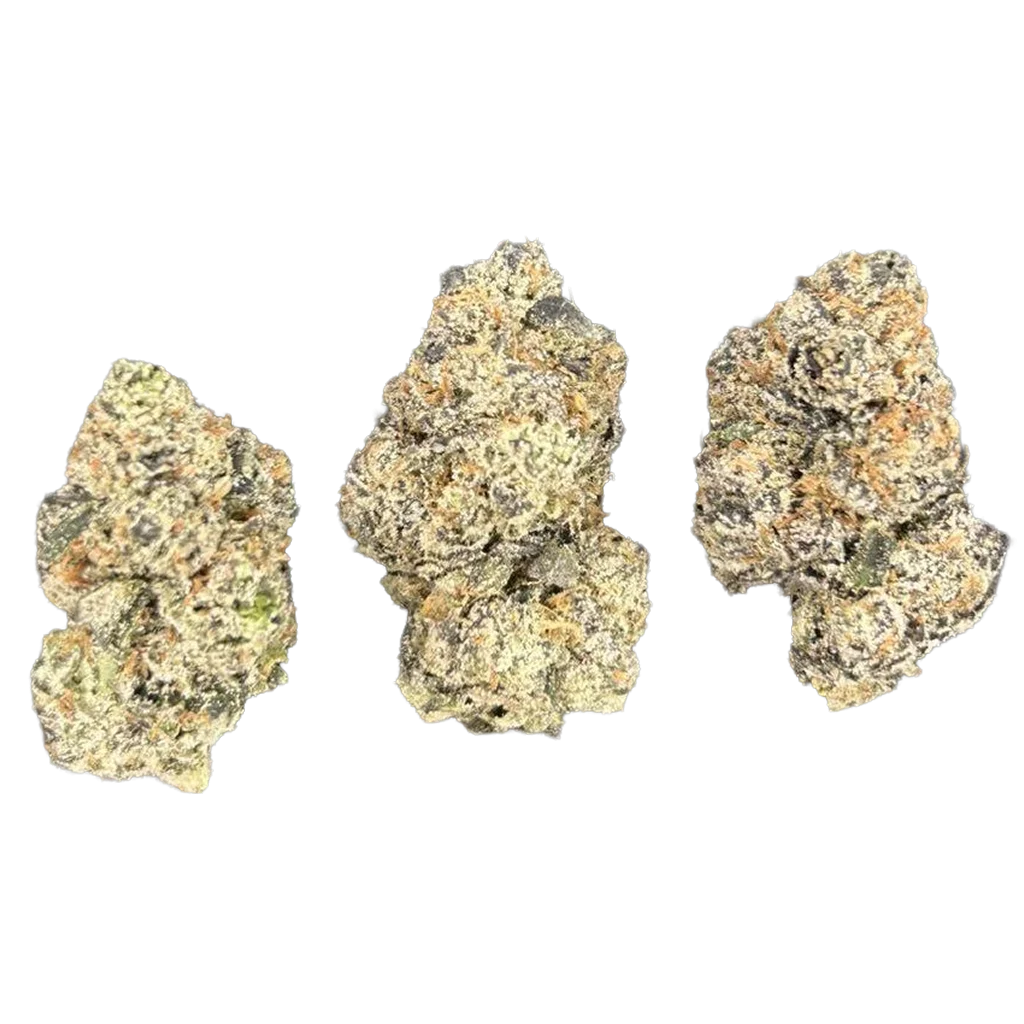
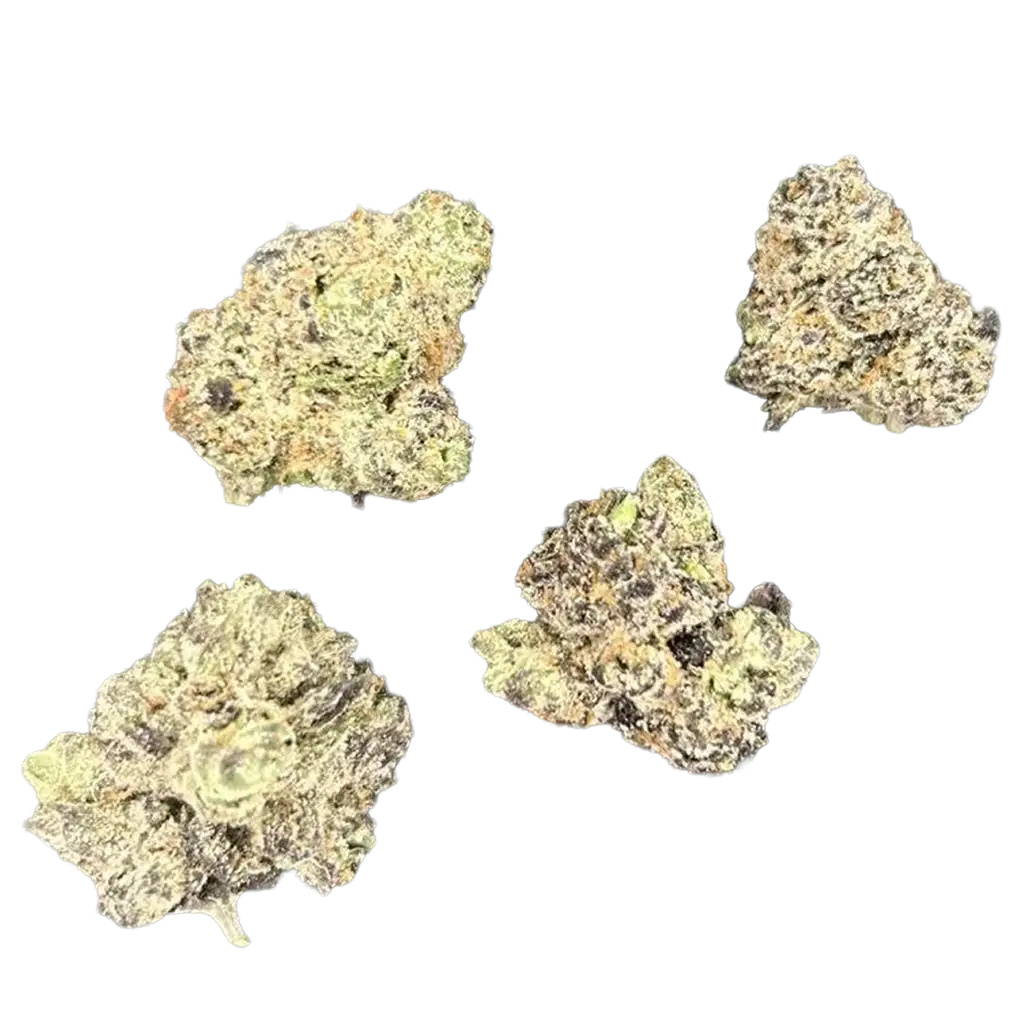
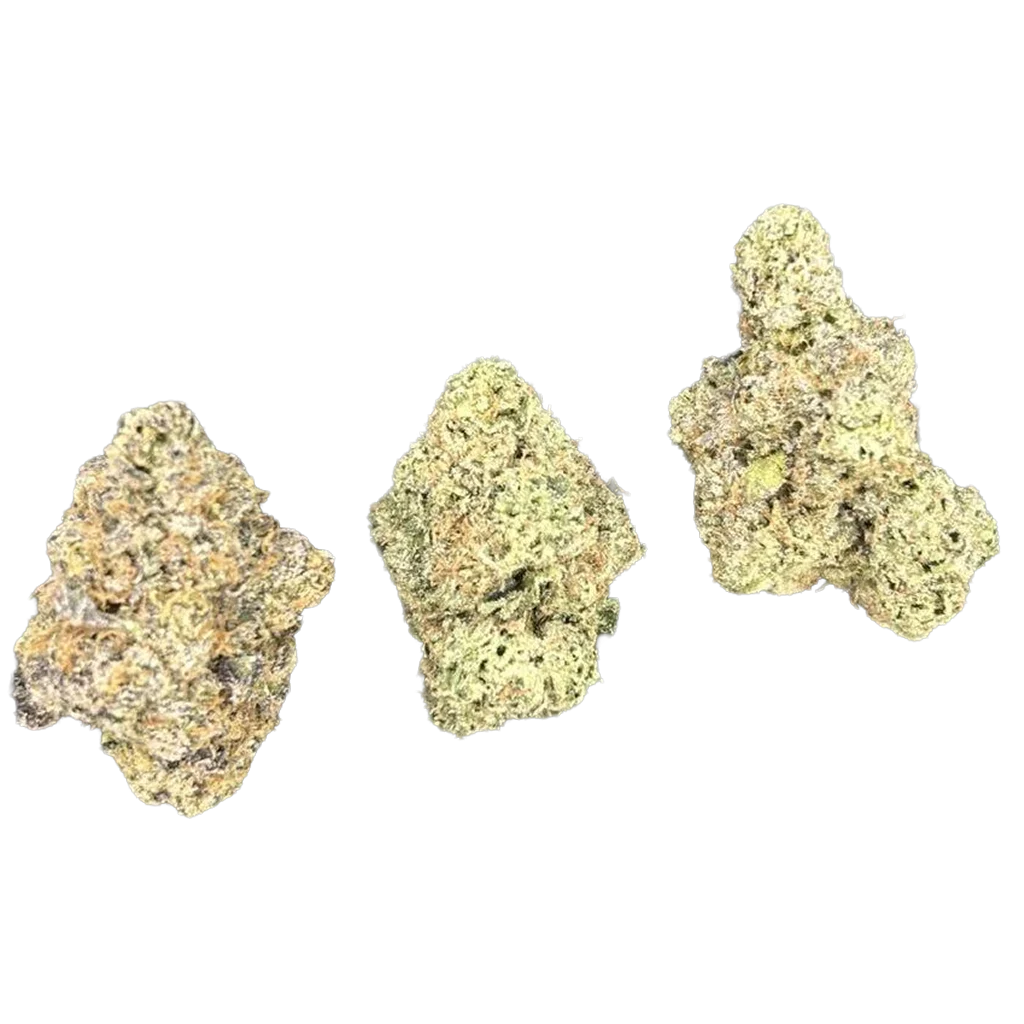
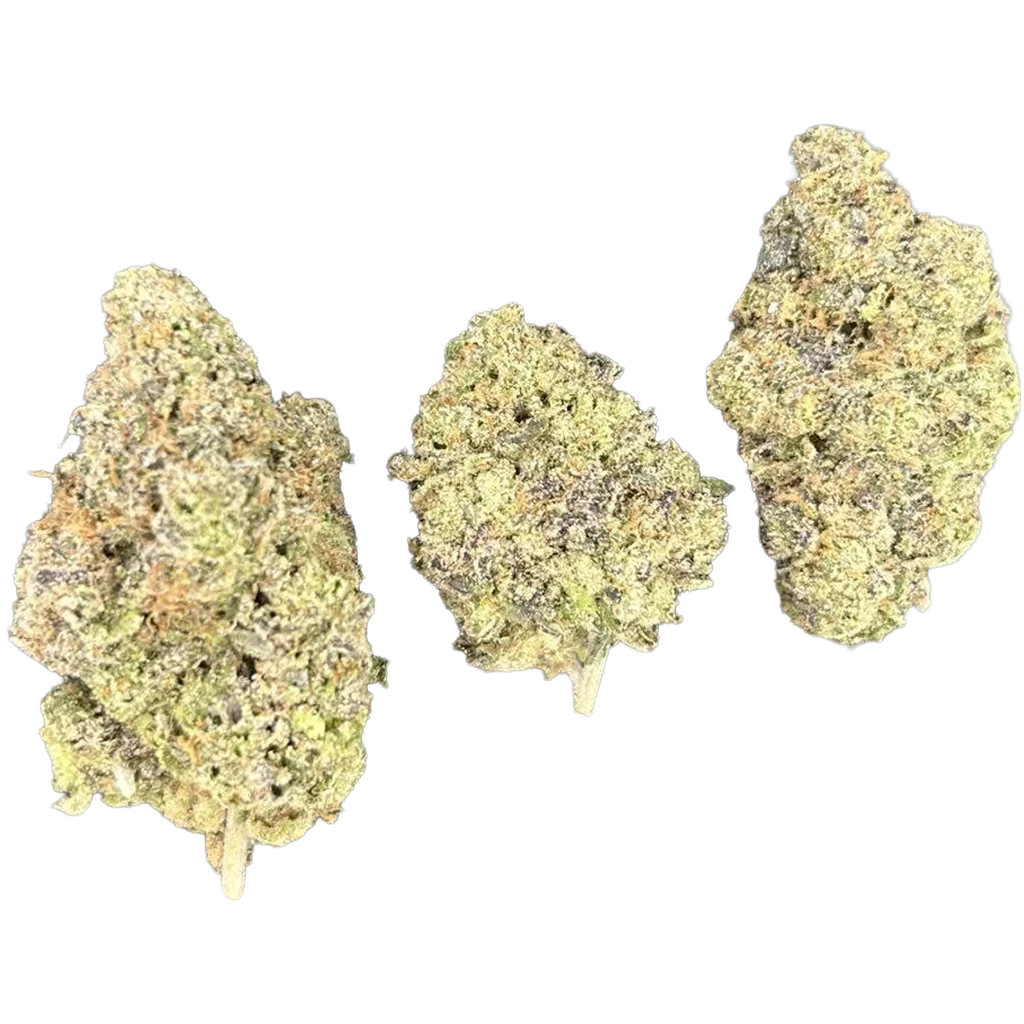
But here’s the reality: THCA is the raw form of THC, and when it’s dabbed, it converts instantly into Delta-9, delivering the potency experienced consumers are already chasing. There’s no workaround here, just pure chemistry, which most buyers overlook.
What’s changed is how fast this category is scaling in compliant markets while others are still debating its legitimacy. The result? Faster-moving inventory, stronger margins, and a clear divide between those who understand it and those who miss the window.
This guide breaks down what matters before you place your next order.
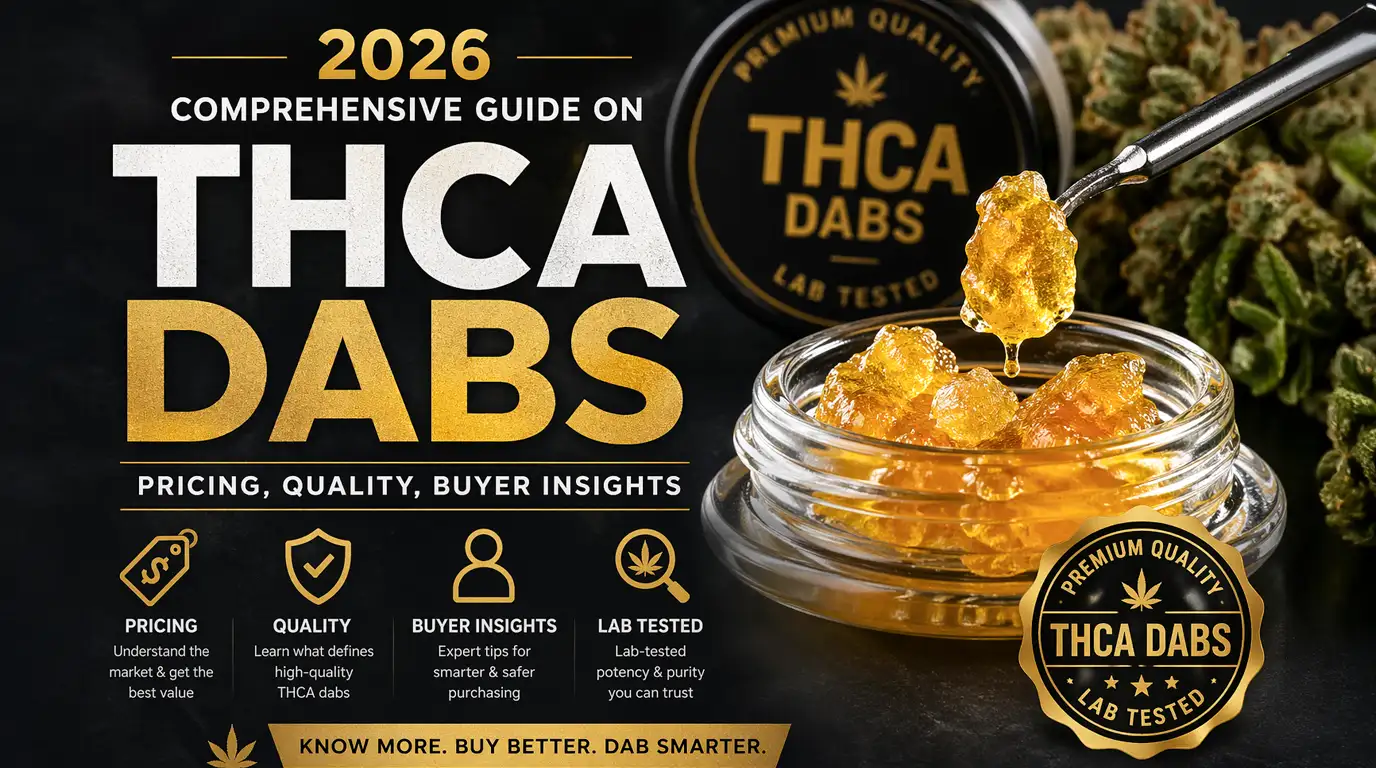
THCA dabs are high-potency cannabis concentrates made from tetrahydrocannabinolic acid (THCA), the non-psychoactive precursor to THC found in raw cannabis plants. When dabbed, THCA converts into Delta-9 THC through decarboxylation, delivering immediate, high-intensity effects that traditional flower cannot match.
This format is designed for experienced users who prioritize strength, fast onset, and terpene-rich experiences over casual consumption.
THCA concentrates evolved from early hash-making techniques but gained real traction during the U.S. legal cannabis expansion between 2015 and 2020. As extraction technology improved, producers began isolating THCA into crystalline structures (“diamonds”) and combining them with terpene-rich sauces for enhanced flavor and potency.
Today, THCA dabs sit at the premium end of the concentrate market, driven by demand from high-tolerance consumers and connoisseurs seeking refined experiences.
If you are confused about the genetics of THCA dabs, here is the complete breakdown for you.
Terpene content varies by strain and extraction method, but high-performing THCA concentrates typically preserve these key compounds:
Products with strong terpene retention consistently outperform stripped concentrates in repeat sales.
THCA dabs are no longer a niche category-they are becoming a serious revenue driver across High Street shelves, and the pricing structure reflects that shift clearly. Entry-level THCA concentrates typically land between $25 and $45 per gram, while premium live resin and live rosin options push into the $50 to $80+ range, depending on quality, terpene retention, and brand credibility.
These price bands are not random-they reflect real demand patterns where buyers are willing to pay more for stronger effects, cleaner extraction, and better flavor profiles.
The shift toward dabs is driven by efficiency, potency, and overall experience-not just price. A single gram of THCA concentrate can deliver 800–900 mg+ of usable cannabinoids, depending on purity and conversion, making it one of the most cost-efficient formats for experienced users.
Comparing that to lower-potency formats, the value becomes obvious quickly. Usually
This is why experienced consumers are moving away from lower-intensity formats and toward concentrates that deliver more in fewer hits.
From a sourcing perspective, THCA dabs show wide pricing variation depending on extraction quality, input material, and supplier positioning.
This is where buyers either secure high-performing inventory-or take on unnecessary risk.
The margin structure for THCA dabs looks different because of their higher retail pricing and strong demand among experienced buyers.
Now, you get it? Same effort and yet higher return with stronger customer loyalty!
The growth of THCA dabs is driven by evolving customer preferences and better product education.
This is why shelf space for concentrates continues to expand, especially in stores targeting informed buyers.
The numbers look strong, but only if the product performs. If terpene quality is poor, extraction is inconsistent, or sourcing is questionable, even premium-priced dabs will sit unsold. That turns high-value inventory into tied-up capital quickly.
Smart buyers are not just looking at price-they are evaluating source material, extraction method, terpene profile, and supplier credibility before committing. Because in this category, performance decides everything.
Buying small quantities in this category limits your leverage, and that becomes obvious the moment you compare 100-unit pricing against 1,000-unit deals.
At 50–100 units, you are typically paying premium rates, often 20–30% higher than buyers placing consistent monthly orders with established suppliers. Push into the 300–500 unit range, and pricing begins to stabilize, especially when working with suppliers that prioritize long-term partnerships over one-time transactions.
At 1,000+ units, margins open up significantly, allowing buyers to secure inventory that supports 50–65% retail margins depending on positioning and branding.
The difference between profit and dead stock is not the product category itself but how intelligently you approach volume commitments and supplier relationships.
The surge in demand is not random, and understanding the underlying factors gives you a clear edge when selecting inventory that actually moves.
These verified COAs confirm cannabinoid percentages and ensure the product meets legal thresholds, which protects your business from compliance issues and customer distrust. An authentic COA comes from third-party labs with batch-specific data, not generic PDFs that suppliers reuse across multiple products.
Buyers who skip COA verification often end up with inconsistent products that damage brand reputation and reduce repeat purchases.
Consumers expect high potency from concentrates, and anything below competitive thresholds struggles to justify its price point in a saturated market. Potency consistency matters more than peak numbers because repeat buyers prioritize reliability over occasional high-performing batches.
A strong potency combined with smooth consumption creates a product that sells itself through word-of-mouth rather than aggressive promotion.
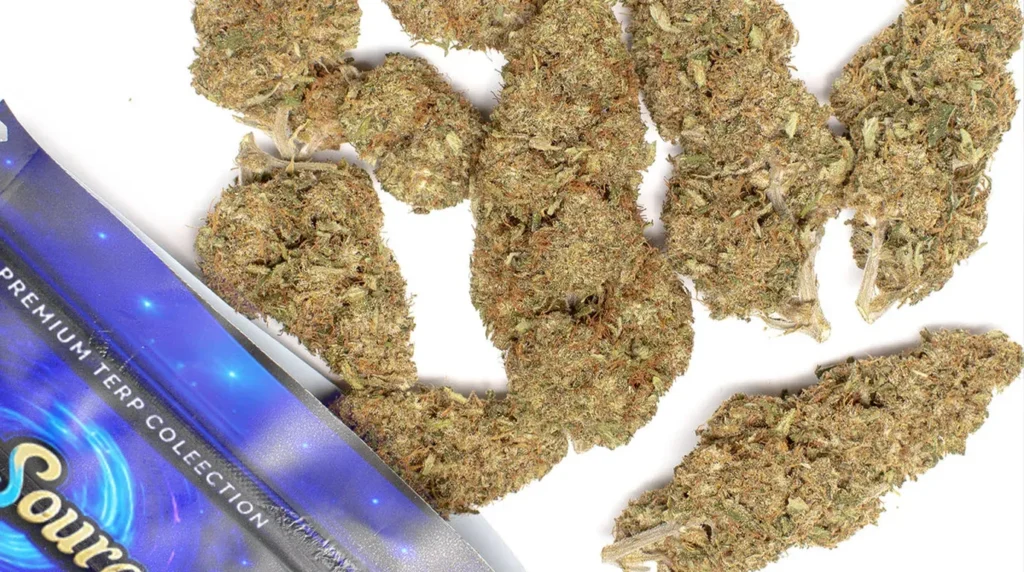
The Terpenes define flavor, aroma, and overall experience, making them a key factor in customer satisfaction and brand differentiation. Products with preserved terpene profiles tend to outperform stripped-down alternatives that rely solely on potency as a selling point.
Buyers who ignore terpene quality often stock products that sell once but fail to generate repeat demand.
Comprehensive lab testing ensures the absence of contaminants such as residual solvents, pesticides, and heavy metals. Reliable suppliers provide transparent testing data that aligns with regulatory standards and builds long-term trust with buyers.
Poor testing practices lead to inconsistent product quality, which directly impacts customer retention and brand credibility.
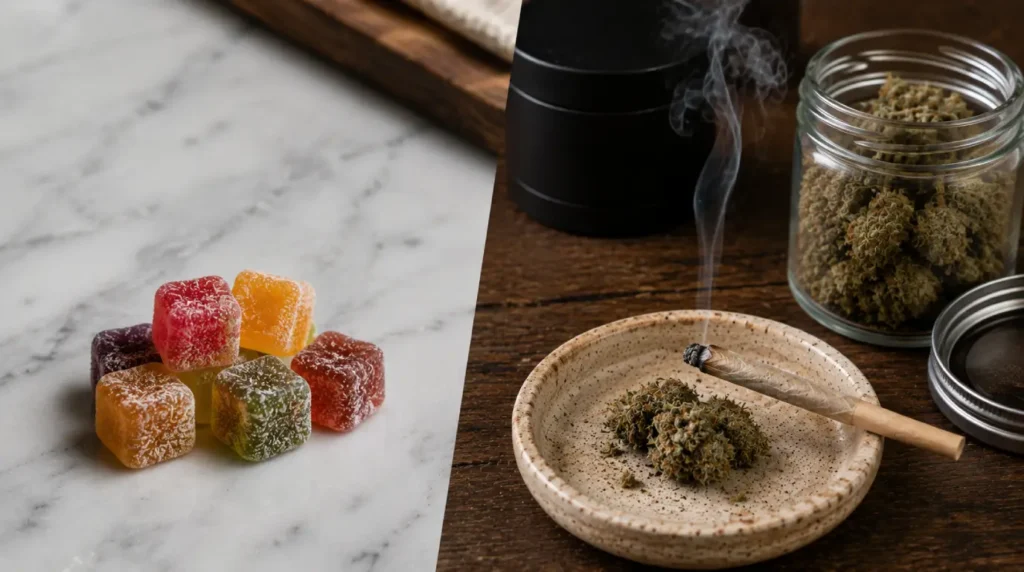
Not all concentrates are created equal, and understanding the differences helps you avoid stocking products that look good but underperform in real-world conditions.
Each format carries different storage requirements, pricing structures, and sell-through rates, so choosing the right mix is essential for maintaining consistent revenue.
The supplier you choose will determine whether your inventory turns into profit or sits unsold, regardless of how attractive the product looks on paper.
A reliable supplier instantly provides batch-specific COAs, transparent sourcing information, and consistent communication throughout the purchasing process, while all unreliable operators often rely on vague descriptions, inconsistent testing data, and aggressive pricing tactics that seem attractive but lead to long-term losses.
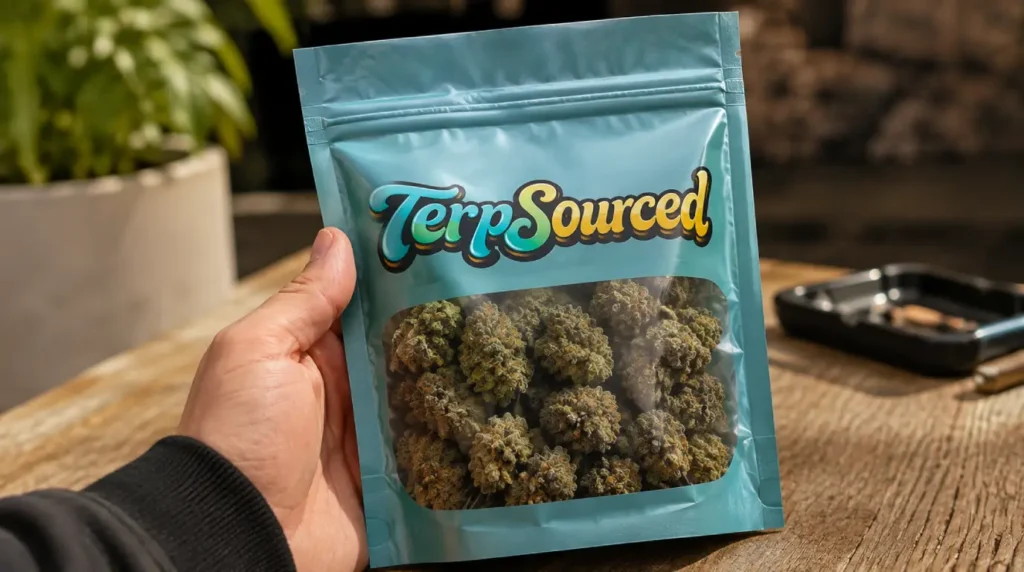
This is where experienced buyers gain an edge by prioritizing consistency and transparency over short-term cost savings that rarely translate into sustainable margins. Working with established platforms like TerpSourced ensures access to verified products that align with market expectations and compliance standards.
This is where most operators lose money without realizing it-storage mistakes and slow-moving inventory silently eat into margins. THCA dabs are not shelf-stable forever, and treating them like standard packaged products is a costly assumption. Unlike dry goods, concentrates are chemically active, meaning time, temperature, and exposure directly impact product quality.
THCA dabs do not “expire” overnight, but they absolutely degrade-and that degradation shows up in ways customers notice immediately.
What looked premium on day one can feel average within weeks if not stored properly.
Proper storage is the only way to protect product integrity and maintain sell-through velocity.
Poor storage does not just affect one unit-it impacts your entire batch over time.
High-value concentrates come with a higher risk if they do not move quickly.
This is where many buyers get trapped-holding expensive products that no longer justify their original price point.
The operators who win in this category treat inventory like a time-sensitive asset, not a static product.
Because in the THCA dabs category, freshness is not just quality-it is revenue protection.
Margins rarely collapse in one bad decision-they erode through a series of “seems fine” choices that quietly stack against you. What looks like a smart buy on paper often turns into slow-moving inventory, customer complaints, and forced discounts that eat into profit.
Here are the mistakes that separate disciplined operators from those constantly fixing preventable problems.
Low-cost inventory feels like a win at the negotiation table, but it often fails where it matters-on the shelf.
The cheapest unit is rarely the most profitable one.
Assuming product claims are accurate without verification is one of the fastest ways to introduce risk.
If you cannot validate it, you should not be selling it.
Bulk pricing creates the illusion of savings, but overcommitting without demand data locks you into unnecessary risk.
Smart buyers test small, then scale fast-never the reverse.
Strong packaging and brand recognition can hide weak performance, and that mistake shows up quickly after purchase.
If the product does not perform, branding will not save it.
Stocking based on assumptions instead of actual sales behavior is a silent margin drain.
The market signals what works for those operators who smell a win in their business.
Not every operator should be buying dabs, and that is exactly why the ones who do it right are pulling ahead fast. This is not about stocking what is trending. It is about understanding whether your customer base, pricing strategy, and inventory flow can actually support products that demand both performance and turnover. If you get this right, margins expand. If you get it wrong, capital gets stuck. So, it is for
If your goal is to increase revenue per customer without increasing foot traffic, this category fits perfectly.
This is where smart operators scale profit without relying on volume alone.
This category performs best with customers who already understand what they are buying and are willing to pay for better results.
If your customer base is educated, this category becomes a consistent revenue driver.
This category rewards those operators who actively manage inventory and track performance.
Operators who treat inventory as a dynamic system outperform those who treat it as static stock.
This category rewards disciplined buying, not bargain hunting.
The focus shifts from “cheapest available” to “most reliable performer.”
For newer operators, this category offers a fast way to stand out if executed correctly. Premium offerings create an instant perception of quality. Also, a unique product selection helps differentiate from nearby competition. Strong-performing SKUs build early customer loyalty.
But without proper sourcing and validation, the same strategy can backfire just as quickly. Anyone can stock these products, but not everyone can make them perform. The operators who win are the ones who understand their customers, manage inventory tightly, and prioritize products that actually deliver. Because in this category, buying is easy; selling consistently is where the real skill shows.
The difference between profit and stagnation in this category comes down to decision-making, not market conditions. THCA dabs continue to dominate high-potency segments because they deliver what experienced consumers expect-strength, flavor, and consistency.
Platforms like TerpSourced simplify sourcing by offering verified products, transparent testing, and scalable purchasing options. When you combine smart buying strategies with reliable supply, you are essentially building a system that generates consistent revenue and long-term customer trust.
Legal Disclaimer: This article is for informational purposes only and does not provide legal, medical, or therapeutic advice. All product information relates to hemp-derived material tested to verify delta-9 THC levels ≤ 0.3% (dry weight), consistent with the 2018 Farm Bill. Businesses are responsible for ensuring compliance with applicable federal, state, and local regulations.
Yes, their higher potency and faster onset make them stand apart compared to other traditional formats. The process of conversion during heating enhances their strengths and makes them a preferable choice for experienced consumers. Understanding these differences can position these products more efficiently in the sales and in the market.
Always request batch-specific COAs from third-party labs and cross-verify the data with supplier claims for better purchase. An authentic supplier will provide transparent documentation compared to unreliable ones. Initial verification from your end protects your business from compliance risks and ensures a consistent product quality, which builds customer trust over a longer time.
Basically, pricing starts at lower volumes and decreases much more as order size increases. At 50–100 units, you pay 20–30% higher than buyers placing consistent monthly orders with established suppliers. In the 300–500 unit range, pricing begins to stabilize, especially when working with suppliers that prioritize long-term partnerships over one-time transactions. At 1,000+ units, margins open up significantly, allowing buyers to secure inventory that supports 50–65% retail margins depending on positioning and branding.
Potency is one of the essential factors and not only the necessary factor to define the genetics of dabs. It also does not guarantee performance because consumers prefer the overall experience at last. That lack of traction richness struggles to generate retention. Users who focus only on best-seller matrices risk stocking items that sell only one time.
By providing access to verified products with transparent testing, Terp Source caters consistent quality and reduces sourcing risk significantly. The platform helps a new user scale inventory confidently while adhering to all legal compliances.