
The commercial cannabis industry continues moving toward greenhouse production as cultivators look for more efficient ways to scale annual harvest output while reducing operational costs. Many operators now use light deprivation cannabis systems to control flowering schedules without relying entirely on indoor environments, especially across premium THCA flower categories.
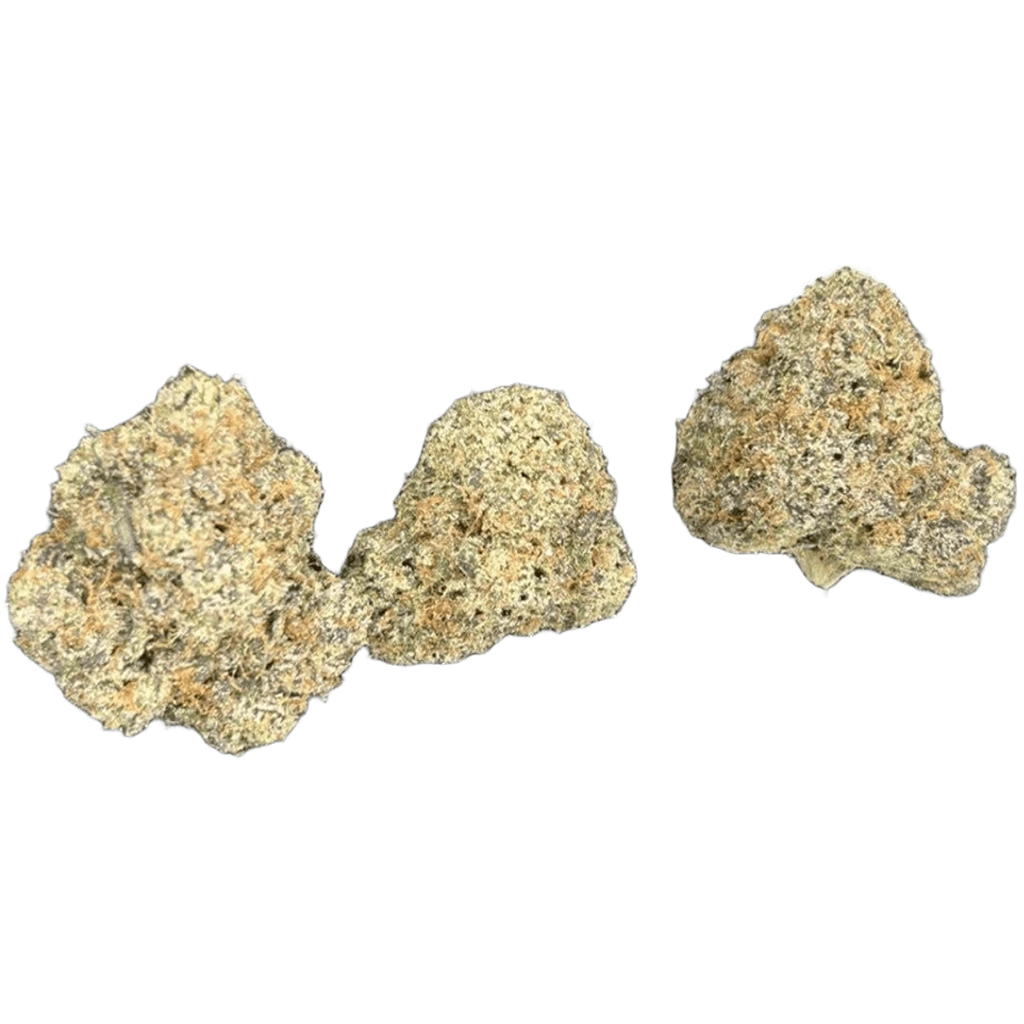
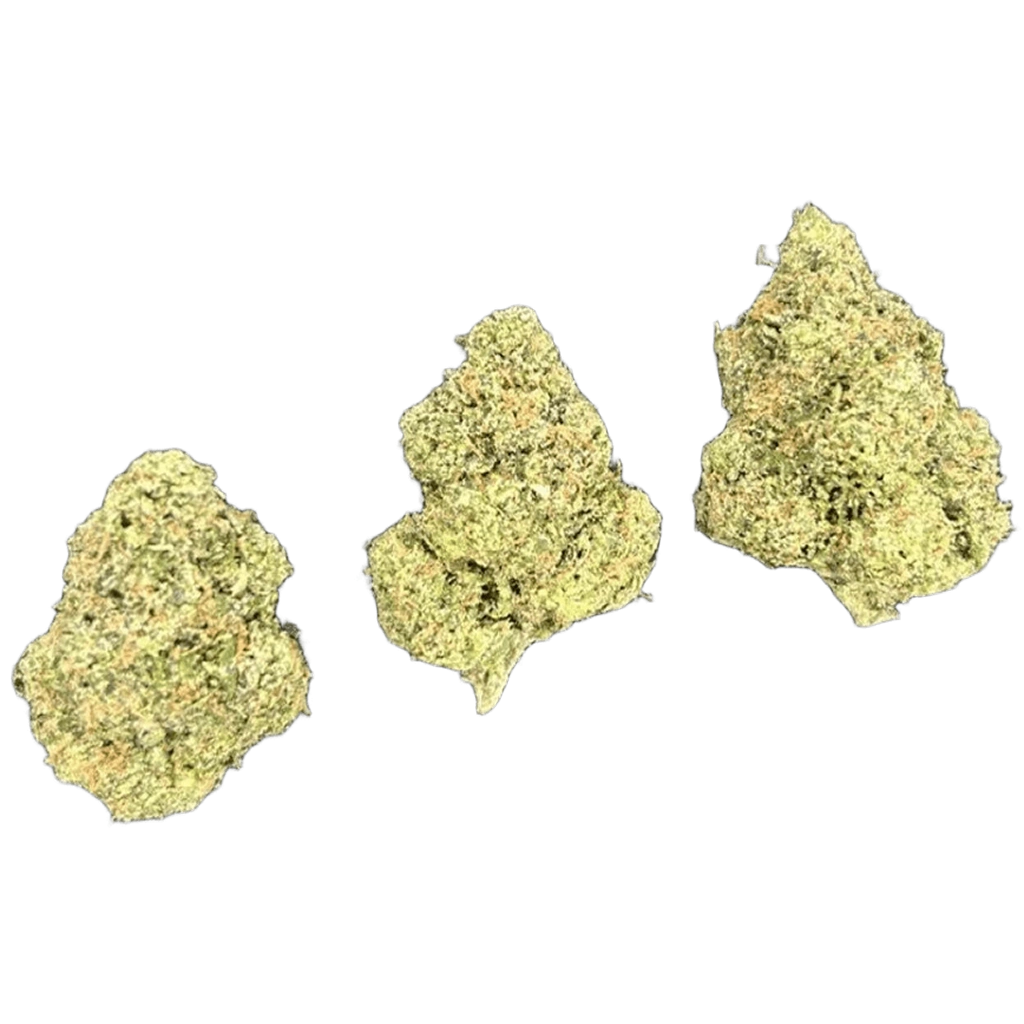
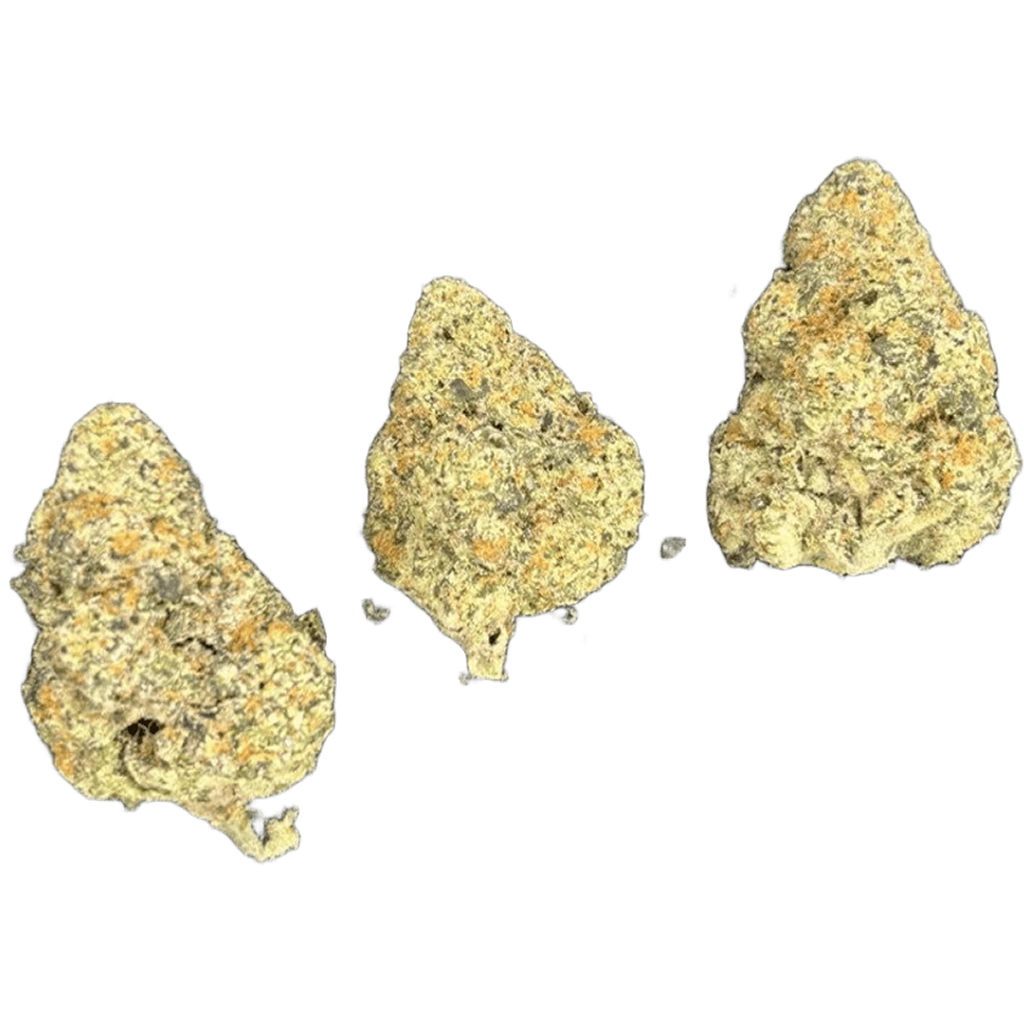
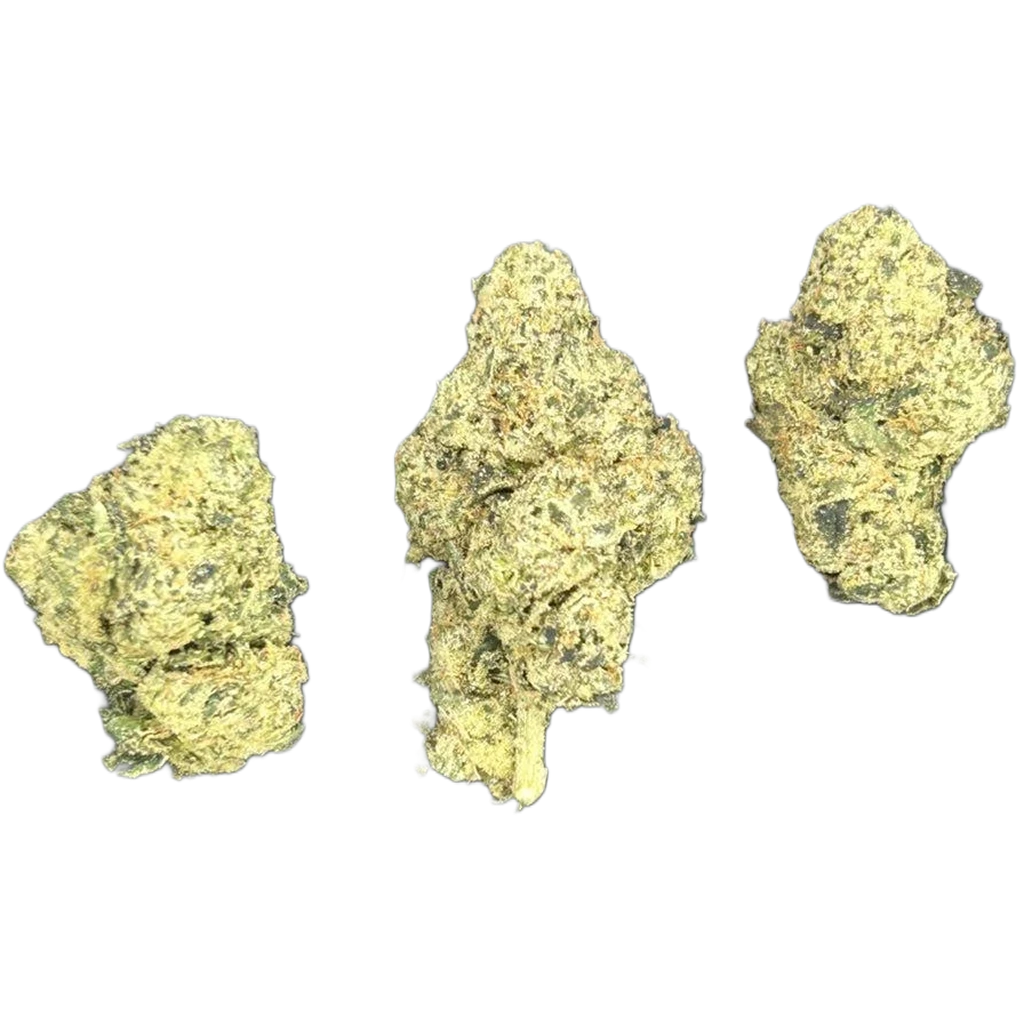
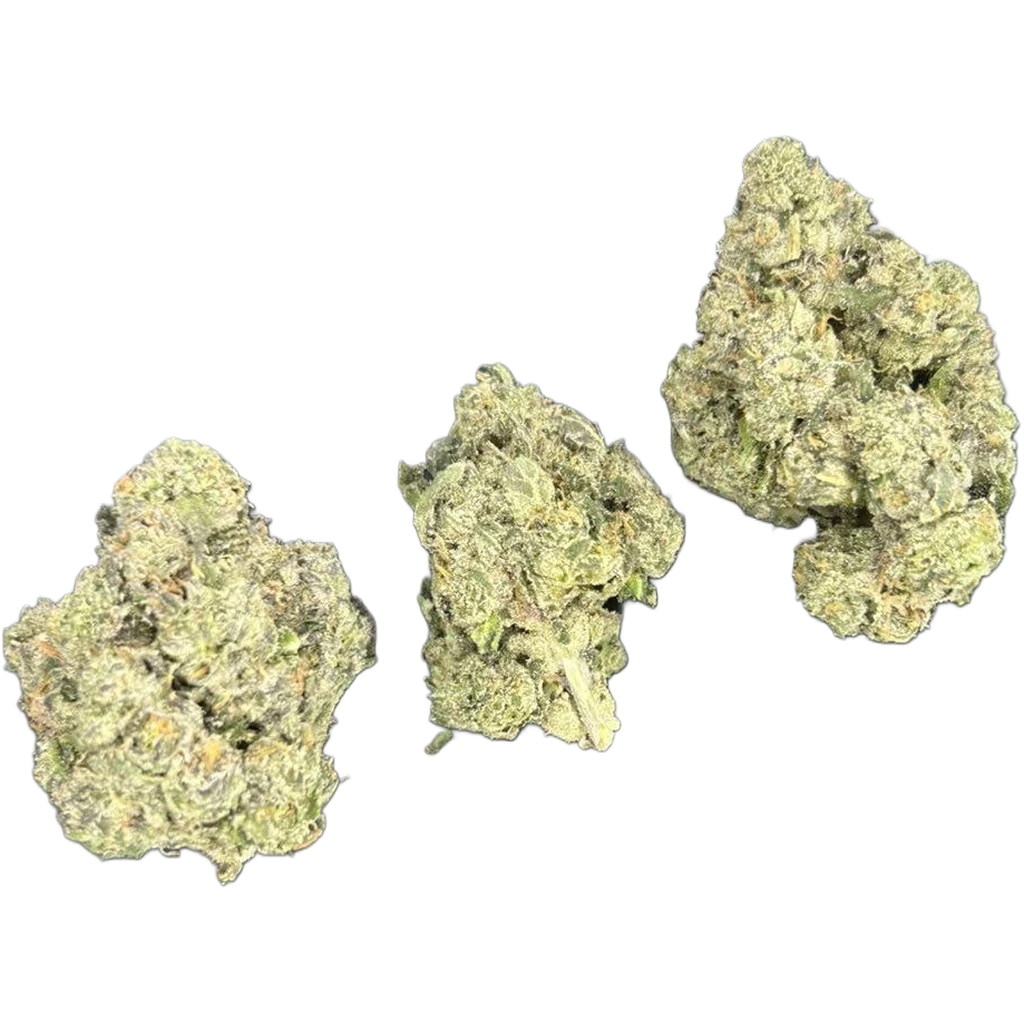
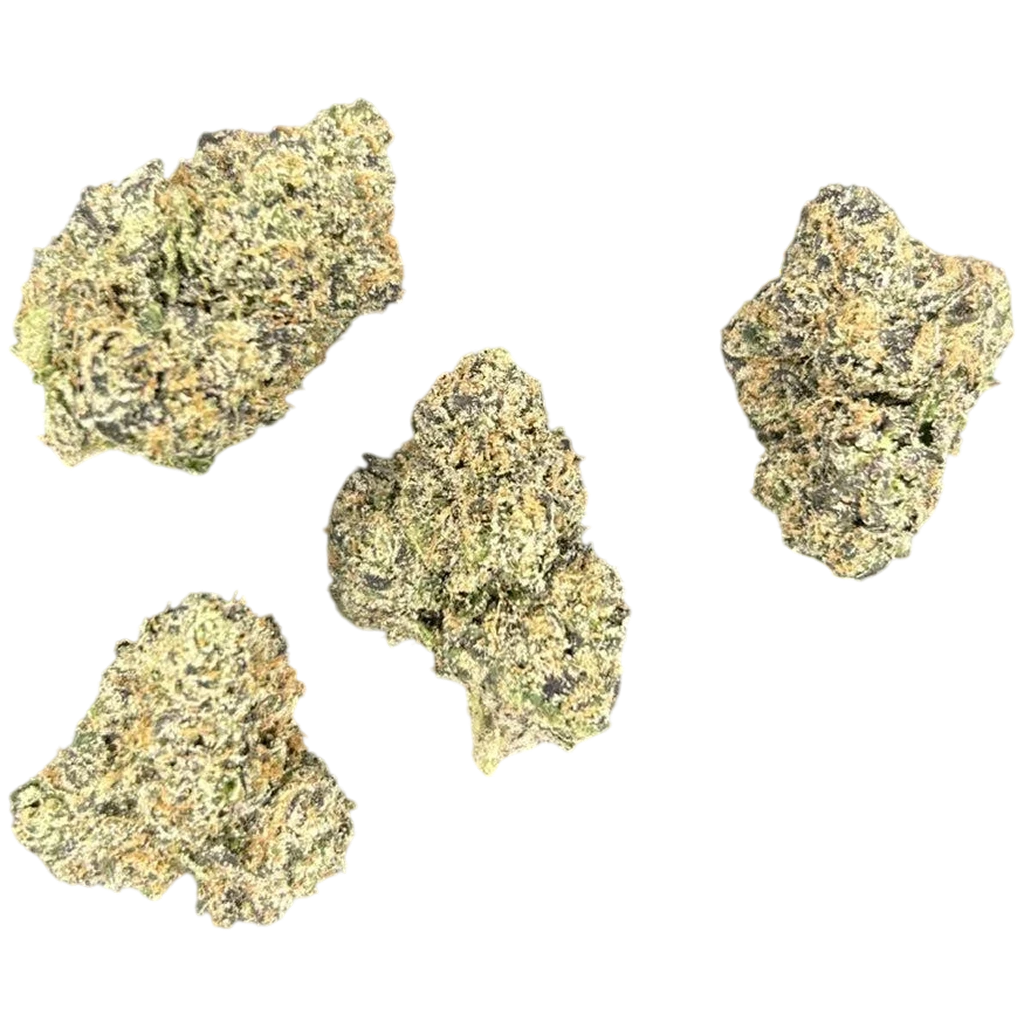
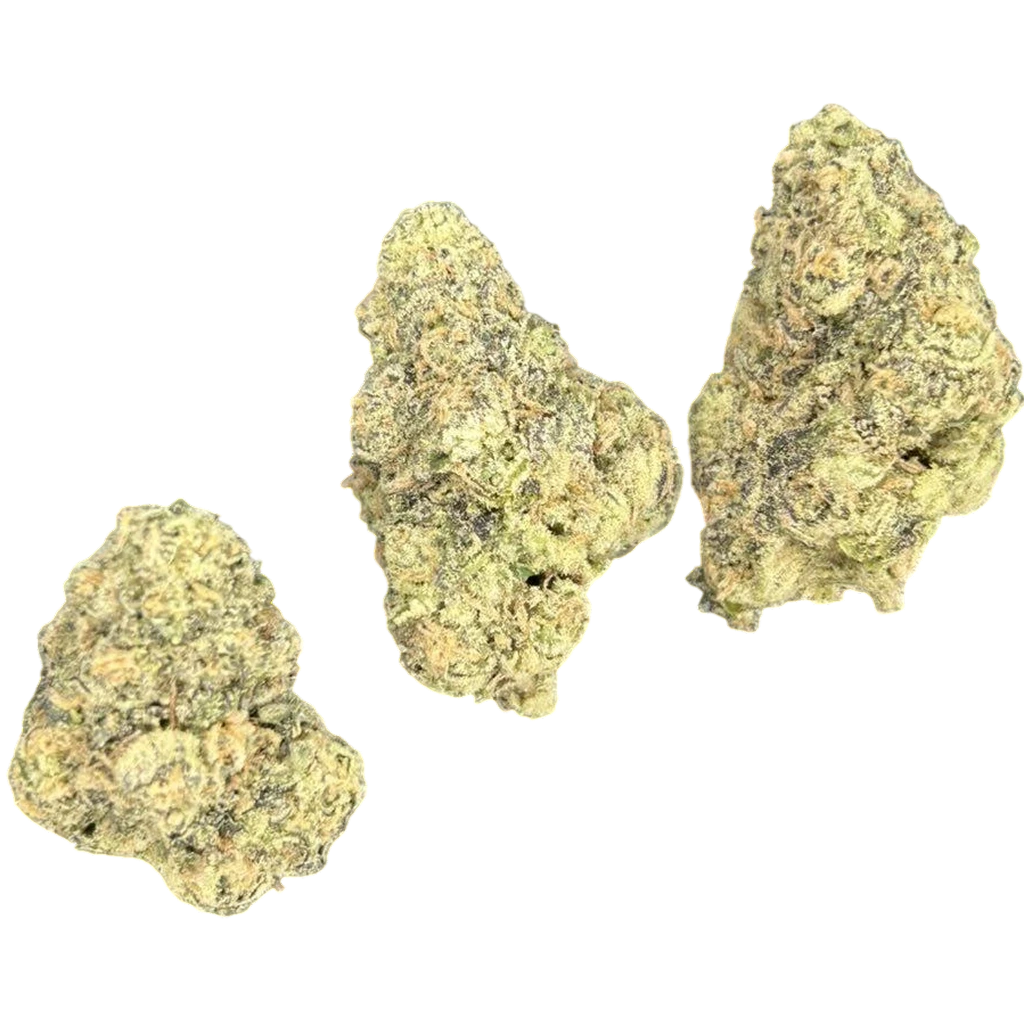
Modern greenhouse facilities use blackout systems and environmental controls to stabilize flowering conditions, improve harvest consistency, and support terpene retention. As wholesale cannabis demand continues expanding in 2026, many greenhouse operators increasingly rely on light deprivation systems to balance production scalability with stable flower quality.
The commercial cannabis industry continues shifting toward greenhouse production as operators look for ways to improve flower quality while lowering long-term cultivation costs. Indoor facilities often require high electricity usage, expensive HVAC systems, and constant environmental control, making large-scale operations costly to maintain. In comparison, light deprivation cannabis systems allow greenhouse cultivators to control flowering schedules through blackout tarps while still benefiting from natural sunlight exposure.
Many wholesale operators now prefer greenhouse systems because they support multiple harvest cycles annually across premium THCA preroll categories while reducing the operational costs associated with fully indoor cultivation. Controlled flowering schedules also help improve terpene retention and cannabinoid consistency across larger cultivation zones.
Greenhouse facilities generally require lower infrastructure investment and reduced electricity consumption.
Automated flowering schedules help improve annual harvest output and inventory turnover.
Natural sunlight exposure often supports stronger terpene expression and more stable post-harvest flower quality across wholesale distribution channels.
Modern light deprivation growing systems help greenhouse cultivators control flowering schedules more efficiently throughout the year. Cannabis plants naturally begin flowering when they receive longer periods of uninterrupted darkness, and greenhouse operators use blackout tarps to create these controlled lighting conditions. This setup helps cultivators complete multiple harvest cycles each year without losing the benefits of natural sunlight exposure. Compared to traditional outdoor cultivation, greenhouse production gives operators better control over flowering consistency across premium hybrid cannabis cultivation categories, terpene retention, and cannabinoid development across larger cultivation zones.
Many commercial cultivation facilities automate blackout schedules using motorized tarp systems and environmental monitoring software. Operators also use airflow controls and humidity monitoring equipment to stabilize flowering conditions throughout greenhouse cultivation zones. Even small light leaks can interrupt flowering cycles and reduce batch uniformity across cannabis harvests. Many operators producing greenhouse cannabis also stagger cultivation schedules throughout different greenhouse zones to improve harvest workflow efficiency and maintain more stable post-harvest processing across larger production cycles.
Many operators maintain flowering humidity between 55% and 65% during blackout cycles to reduce moisture accumulation and stabilize greenhouse airflow.
Many wholesale buyers compare light-dep cannabis with indoor cannabis because both cultivation methods focus heavily on flower consistency and environmental control. However, greenhouse-grown flowers benefit from natural sunlight exposure while still maintaining controlled flowering schedules through blackout systems. This helps operators lower indoor operating costs while maintaining terpene retention and cannabinoid quality across larger cultivation zones.
As greenhouse technology continues improving, many distributors now source light-dep weed for preroll manufacturing, extraction pipelines, and large-scale wholesale flower inventory.
The demand for greenhouse cannabis continues growing as more commercial operators look for cost-effective ways to scale flower production without sacrificing quality. Rising indoor electricity costs and increasing production pressure have pushed many cultivators toward greenhouse systems that support higher annual harvest output while maintaining better operational efficiency.
Greenhouse facilities help cultivators expand canopy size more efficiently while maintaining stable harvest output across larger production zones.
Multiple annual harvest cycles help operators improve inventory rotation and maintain a more consistent wholesale flower supply.
Automated blackout systems and environmental controls help reduce manual inconsistencies while improving cultivation workflow throughout production cycles.
As wholesale demand continues expanding in 2026, many distributors increasingly prefer greenhouse flower because it balances affordability, terpene retention, and higher annual harvest throughput across premium disposable vape categories.
Environmental consistency remains essential for successful light dep cannabis cultivation. During blackout periods, greenhouse humidity can rise quickly as cannabis plants continue releasing moisture under covered conditions. If humidity levels become too high, operators may face mold pressure, terpene loss, and uneven flower development across cultivation zones. Because of this, many greenhouse facilities use environmental monitoring systems to keep airflow, humidity, and canopy conditions stable throughout flowering cycles. Many operators also increase nighttime airflow during blackout coverage to reduce moisture accumulation around dense flower sites.
Most commercial greenhouse operators aim to maintain flowering humidity between 55% and 65% to reduce moisture buildup and improve airflow consistency. Commercial greenhouse facilities often maintain VPD ranges between 1.2 and 1.5 kPa to support healthy transpiration during flowering. Canopy temperatures are usually maintained between 72°F and 80°F during blackout coverage to reduce excessive terpene volatilization and maintain stronger flower quality throughout commercial greenhouse production.
Wholesale cannabis buyers usually look for flower that offers strong terpene retention, good shelf appearance, stable cannabinoid levels, and reliable post-cure quality. Because of this, many distributors now source light-deprived weed inventory from greenhouse operators capable of producing larger wholesale flower batches with more consistent quality standards. Controlled flowering schedules also help greenhouse facilities maintain better harvest consistency throughout commercial cultivation cycles. Many operators also stagger flowering zones throughout the year to maintain a more stable inventory flow across wholesale distribution channels.
Compared to outdoor cultivation, greenhouse flowers often provide more predictable harvest timing and stronger visual consistency across wholesale flower inventory. Greenhouse production also generally requires lower long-term operating costs than indoor cultivation facilities. This balance between affordability and terpene consistency has made greenhouse cannabis increasingly competitive across commercial cannabis markets.
Many wholesale buyers also prefer greenhouse flower because multiple annual harvest cycles support larger inventory output across flower, preroll, and extraction categories. As cannabis demand continues growing in 2026, greenhouse cultivation remains one of the most scalable production models for wholesale cannabis distribution.
The cannabis industry continues changing as commercial growers look for cultivation methods that balance flower quality, production scalability, and lower operating costs. In 2026, what is light deprivation weed has become a common question among wholesale buyers evaluating greenhouse cannabis production. Modern greenhouse cultivation allows operators to control flowering schedules through blackout systems while still taking advantage of natural sunlight exposure.
This approach has become increasingly popular among wholesale cultivators looking to balance lower energy dependency with stable annual production output.
Commercial greenhouse cannabis production continues expanding as operators search for more cost-efficient ways to scale premium flower cultivation. Automated blackout systems, controlled greenhouse environments, and environmental monitoring tools help cultivators maintain more stable flowering cycles while reducing the high operating costs often associated with indoor cannabis production. Many wholesale operators now rely on greenhouse systems to improve harvest consistency and support larger annual flower output.
As demand continues increasing across prerolls, concentrates, and bulk flower categories, light deprivation cannabis remains one of the most commercially scalable greenhouse cultivation methods in today’s wholesale cannabis industry. Greenhouse facilities capable of balancing terpene retention, flower quality, and scalable production will likely continue expanding throughout 2026 as wholesale cannabis markets keep evolving.
Light deprivation cannabis is a greenhouse cultivation method where growers use blackout systems to control flowering cycles and improve harvest consistency.
Many commercial greenhouse cultivators use blackout systems because they help reduce indoor electricity costs while supporting larger harvest output and stable terpene retention throughout cultivation cycles.
Yes. Many greenhouse facilities produce terpene-rich flowers with strong cannabinoid consistency and stable post-cure shelf consistency.
Most commercial greenhouse operations complete around three to four harvest cycles annually, depending on climate conditions, greenhouse automation, and cultivar selection.
Many greenhouse operators maintain flowering humidity between 55% and 65% to reduce moisture buildup and lower mold pressure during flowering.
Rising indoor operating costs and growing wholesale demand have pushed many cultivators toward larger greenhouse cultivation systems.
Yes. Even small light leaks during blackout cycles can interrupt photoperiod consistency and affect cannabinoid development.
Greenhouse-grown flower is commonly used in prerolls, concentrates, and bulk wholesale distribution because it balances affordability with consistent harvest output.
Natural sunlight exposure often supports stronger terpene expression compared to fully indoor cultivation environments.