The mochi strain is one of the most recognized cultivars to emerge from the modern Cookies lineage, known for its dessert-inspired terpene profile, premium flower appearance, and strong genetic background. Its popularity has remained consistent across exotic cannabis markets as consumers continue seeking cultivars with distinctive aroma and visual appeal similar to many Exotic THCA Flowers.
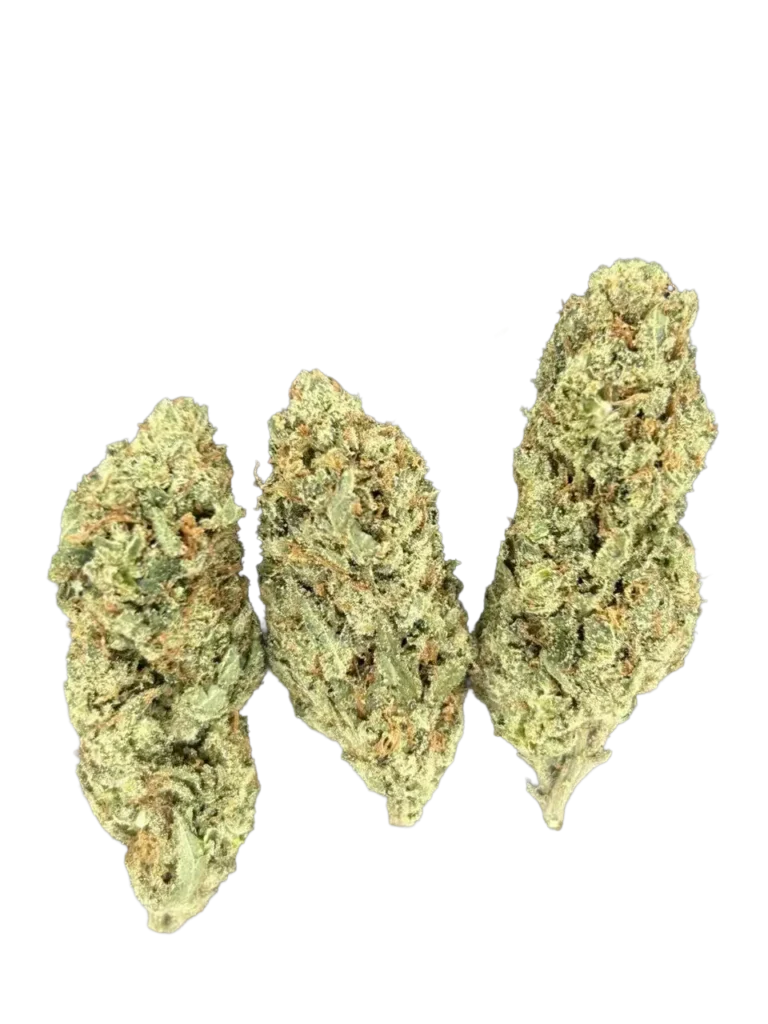
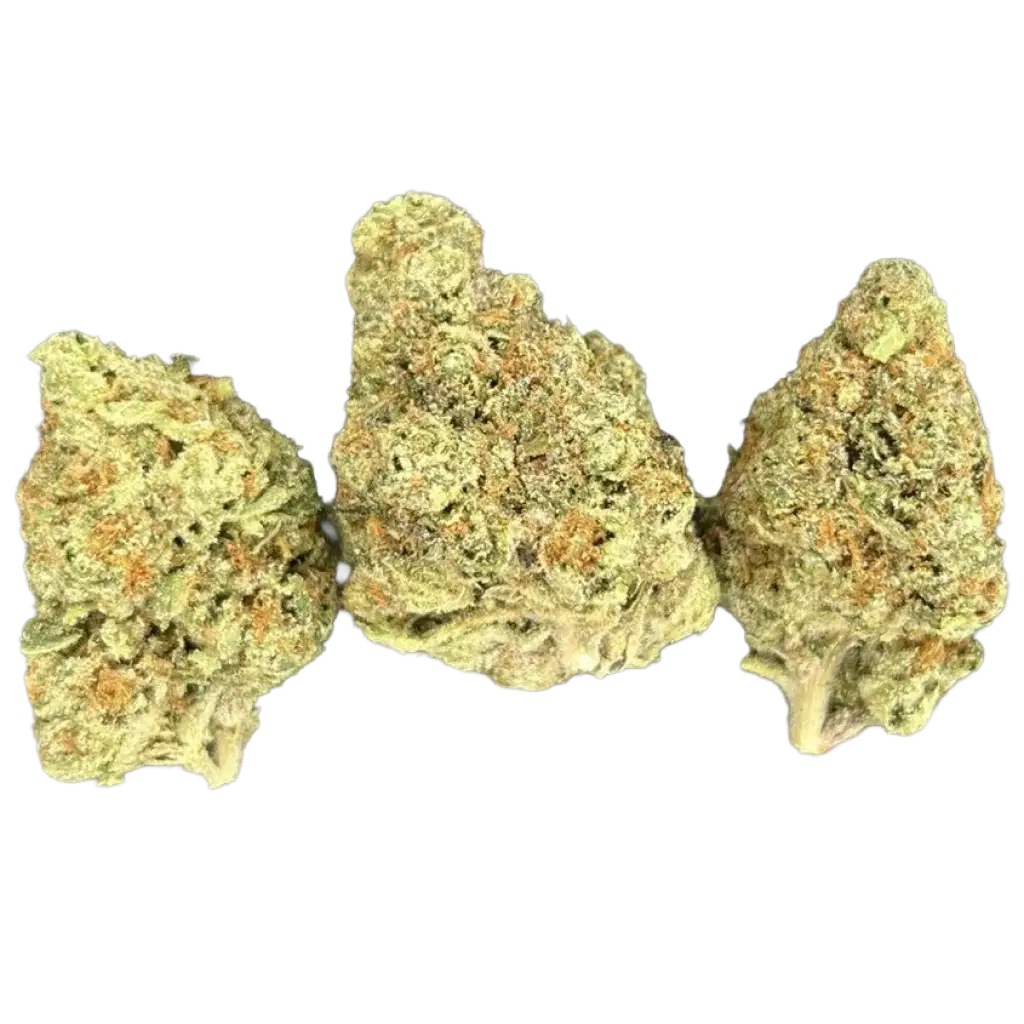
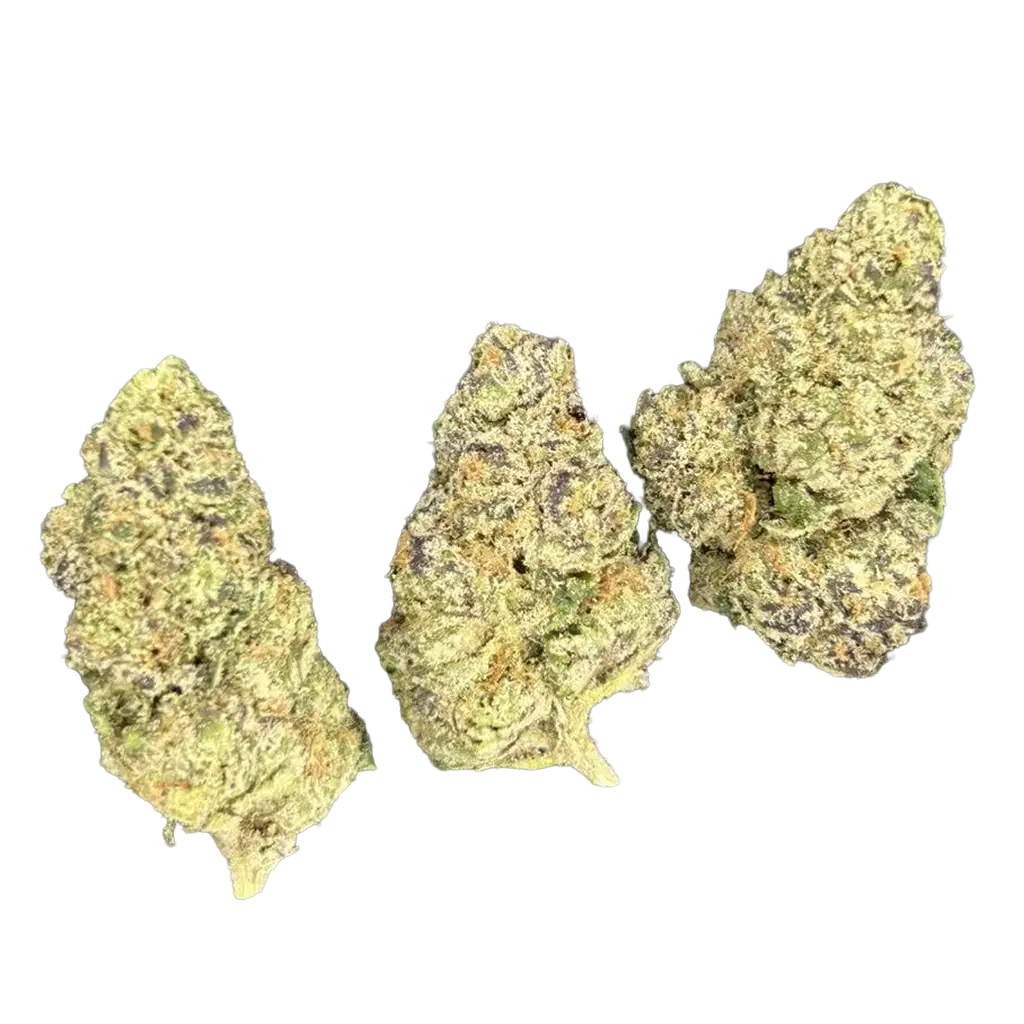
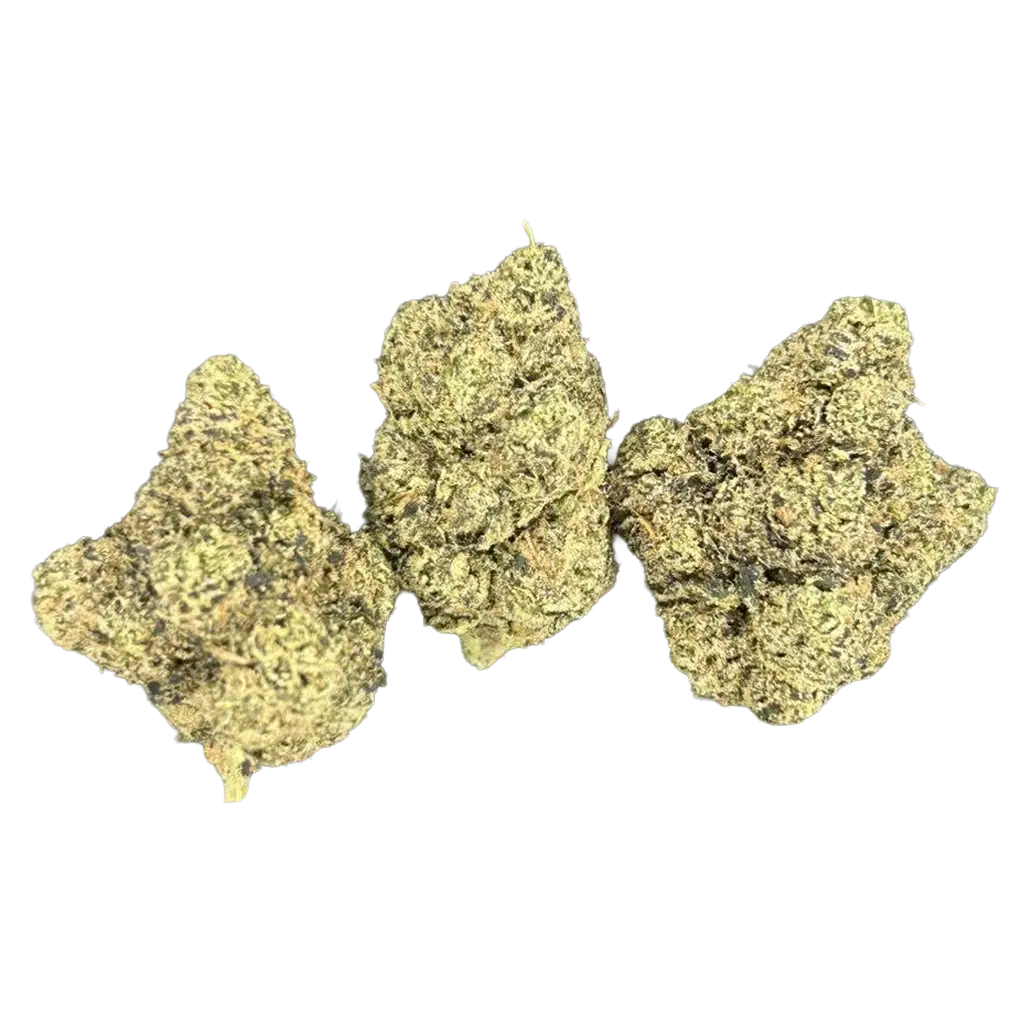
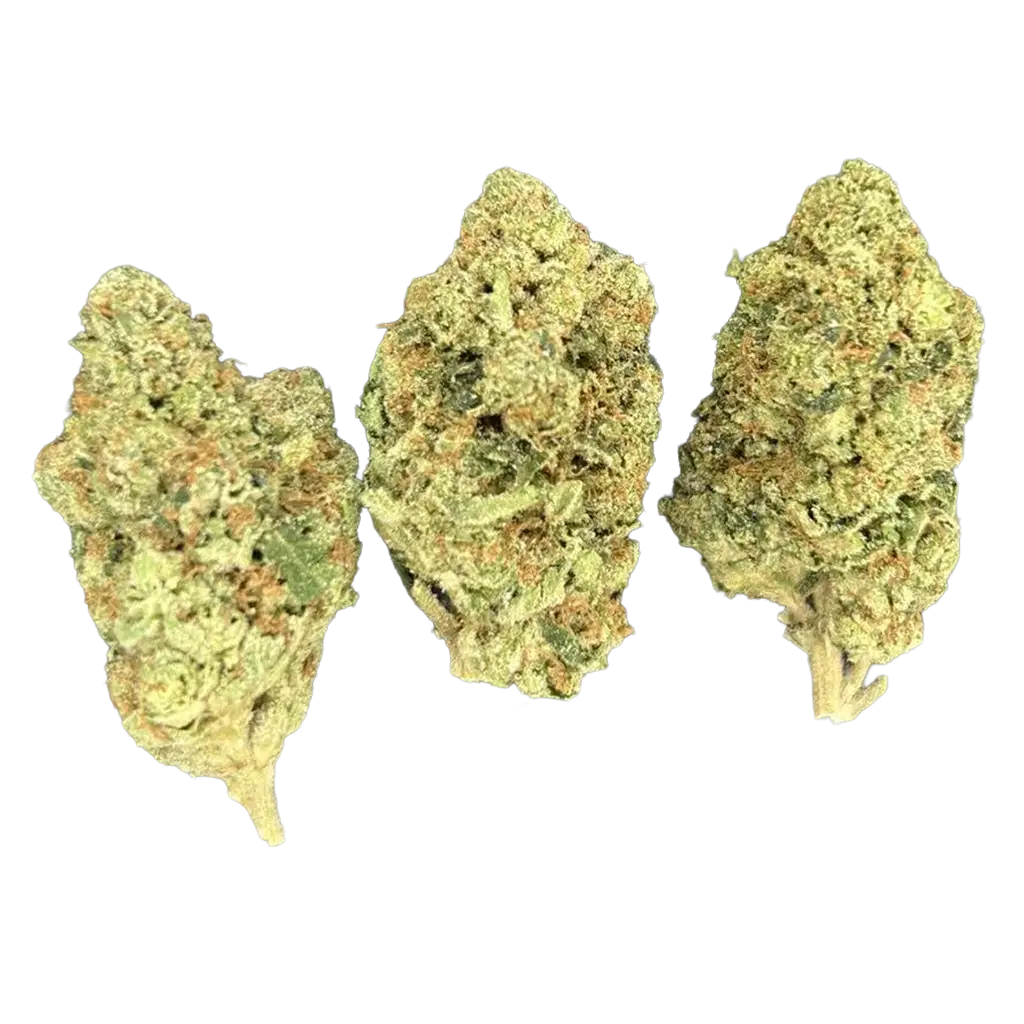
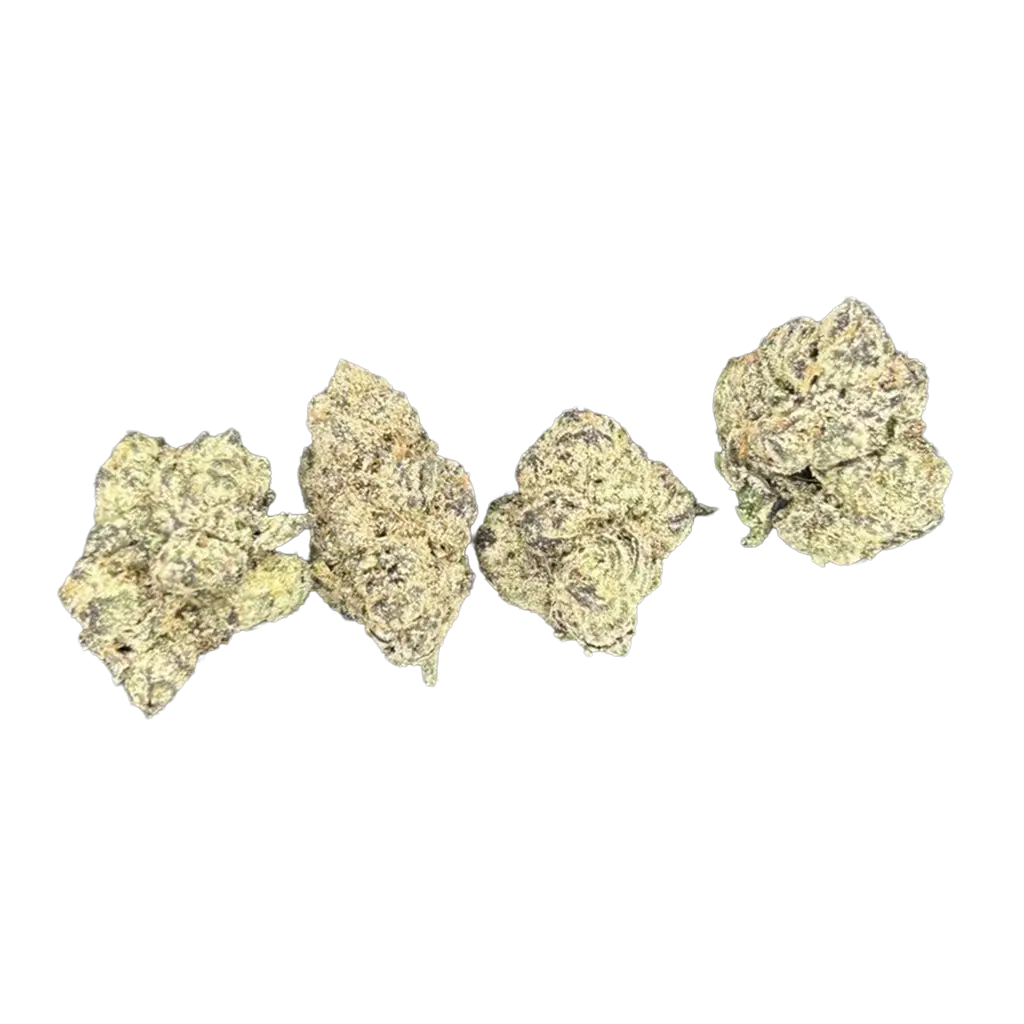
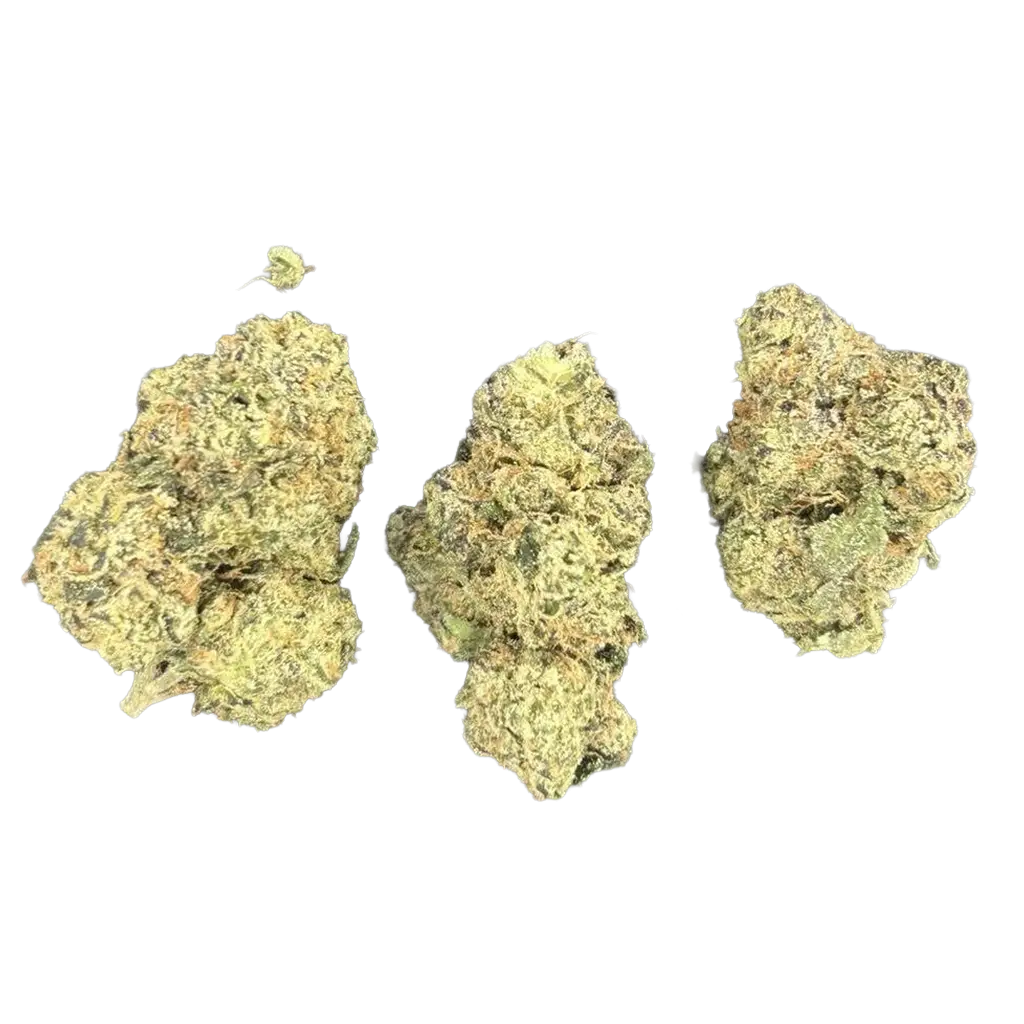
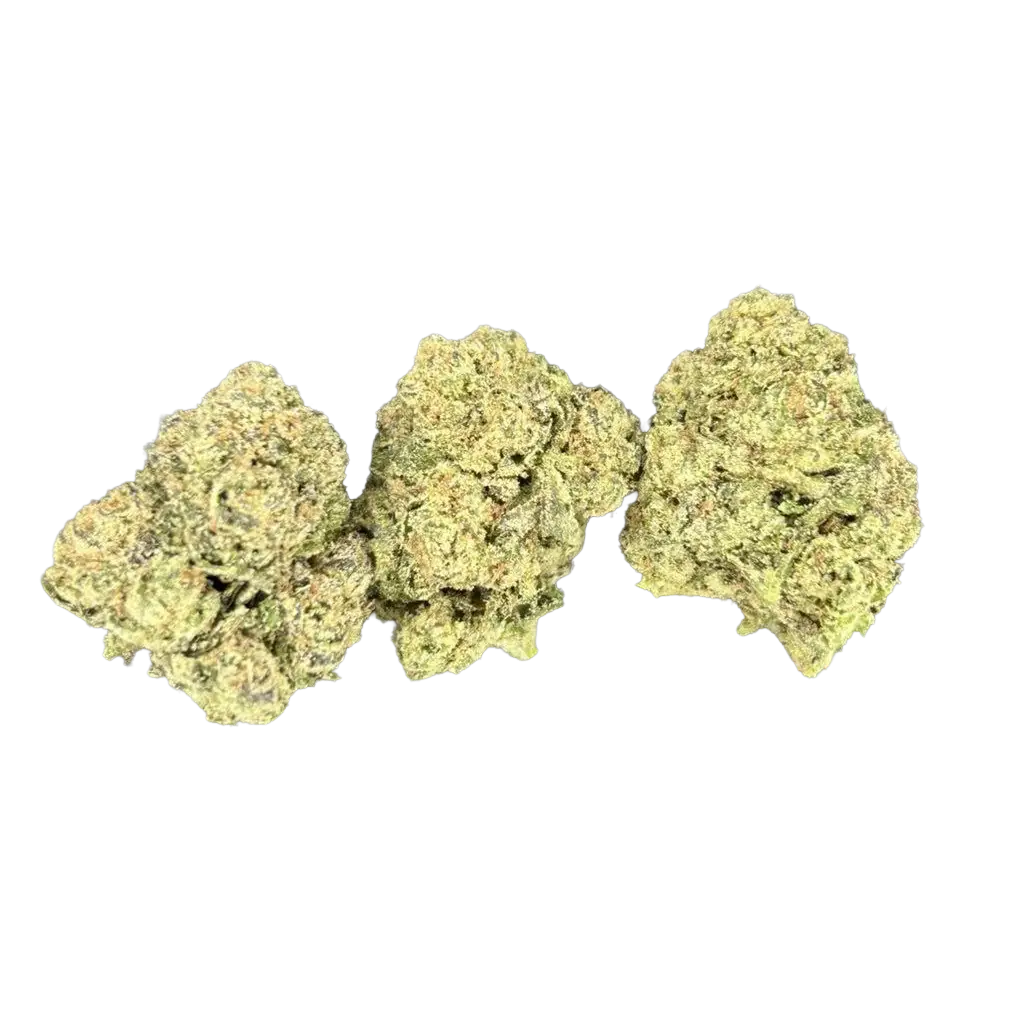
Often linked to Thin Mint GSC and Sunset Sherbet genetics, the mochi weed strain continues attracting attention across premium flower categories and modern breeding projects.
The mochi strain is a hybrid cannabis cultivar that gained recognition during the rise of modern exotic cannabis genetics. It became popular because it combined strong visual appeal with a terpene profile that differed from many traditional cannabis varieties. As consumer preferences shifted toward flavor-forward flower and boutique Premium Hybrid Strains, Mochi quickly established itself as a recognizable name within premium cannabis markets.
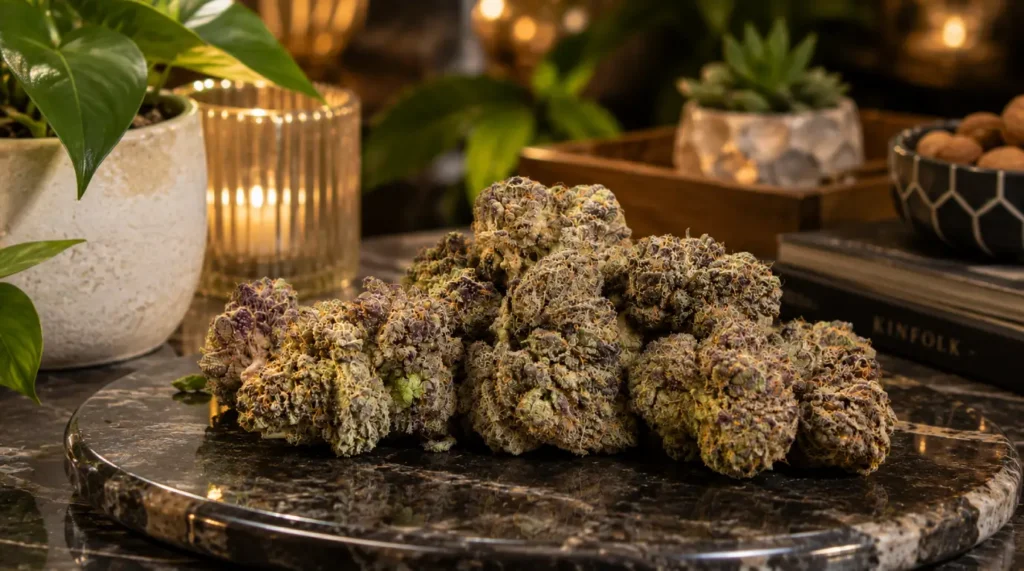
Unlike older cultivars that were often valued primarily for cannabinoid content, Mochi entered the market during a period when flower structure, aroma complexity, and trichome coverage became major purchasing factors. Its dense buds, frosty appearance, and dessert-inspired characteristics helped it stand out among competing cultivars.
Today, the mochi weed strain remains relevant because it continues appearing in breeding projects, premium flower menus, and exotic cannabis inventories. Mochi became popular during the expansion of exotic cannabis genetics and remains widely recognized within premium flower categories.
Mochi became popular during the expansion of exotic cannabis genetics and remains widely recognized within premium flower categories because of its terpene profile, flower presentation, and recognizable lineage.
The mochi strain is most commonly associated with a cross between Thin Mint Girl Scout Cookies and Sunset Sherbet. Both parent cultivars have played major roles in shaping modern cannabis breeding and remain highly influential across THCA Flower markets.
Thin Mint GSC is often recognized for contributing dense flower structure, heavy trichome production, and strong visual appeal. Sunset Sherbet, meanwhile, is commonly associated with sweet aromatic profiles, colorful flower expression, and dessert-inspired terpene characteristics. Together, these genetics helped create a cultivar that combines bag appeal with terpene complexity.
The popularity of the mochi strain can largely be traced back to the cultivars used to create it. Both parent strains contribute specific characteristics that influence flower structure, terpene expression, and overall market appeal. Understanding those genetic influences helps explain why Mochi remains relevant across premium cannabis categories.
Below is a breakdown of the primary genetics commonly associated with the Mochi strain.
| Genetic Source | Common Contributions |
| Thin Mint GSC | Resin production, dense flowers, and visual quality |
| Sunset Sherbet | Sweet aromas, colorful expression, and dessert notes |
| Mochi | Hybrid balance, exotic appeal, terpene complexity |
The continued popularity of the mochi weed strain has also influenced numerous breeding projects and phenotype selections, helping keep the cultivar relevant within modern cannabis genetics.
One of the biggest reasons the mochi strain remains popular is its terpene profile. While flavor can vary slightly depending on cultivation methods and phenotype expression, the cultivar is generally associated with sweet, creamy, and fruit-forward characteristics that separate it from more traditional earthy or fuel-dominant cultivars.
Many flower buyers describe Mochi’s palate as a layered blend of:
The aroma develops its true complexity post-cure. A properly executed batch releases an intense combination of:
Rather than relying on one dominant aroma, the mochi weed strain is often appreciated for the way multiple flavor and aroma characteristics work together. Dessert-forward terpene profiles continue performing well within premium flower categories because they help cultivars stand out in increasingly competitive cannabis markets. This is one reason Mochi continues appearing across boutique flower menus, breeding projects, and Premium THCA Concentrates inventories.
The success of the mochi strain extends beyond flavor alone. Commercially, the cultivar possesses several characteristics that continue supporting demand across premium cannabis flower markets. As the industry becomes more competitive, cultivars that combine recognizable genetics with strong flower presentation tend to maintain relevance for much longer periods.
Many flower buyers evaluate cultivars using factors such as appearance, terpene retention, post-harvest consistency, and market recognition. Mochi performs well in several of these categories, which helps explain its staying power despite the constant release of newer exotic genetics.
The connection to Thin Mint GSC and Sunset Sherbet gives the cultivar immediate credibility among experienced cannabis consumers.
Dense buds and heavy trichome coverage often contribute to premium shelf placement.
Dessert-forward terpene profiles continue performing well across exotic flower markets, similar to cultivars discussed in Lemon Cherry Gelato.
Mochi genetics remain valuable for breeders developing new hybrid cultivars and phenotype selections.
These qualities have helped the mochi weed strain maintain demand across both retail flower menus and modern breeding projects.
As breeders continue working with Mochi genetics, several phenotype variations have developed their own identities within the market. While these cultivars share a common lineage, differences in aroma, appearance, and terpene expression help distinguish one from another. These variations are often marketed toward consumers looking for specific flavor profiles or visual characteristics commonly seen across Premium Cannabis Strains.
Below is a comparison of some of the most commonly referenced Mochi-related phenotypes.
| Cultivar | Notable Characteristics |
| orange mochi strain | Citrus-forward aroma profile and brighter terpene expression |
| Purple Mochi Strain | Deep coloration and visually striking flower presentation |
| pink mochi strain | Boutique flower positioning and unique aesthetic appeal |
The orange mochi strain highlights how breeders continue selecting for terpene-specific expressions within established cannabis lineages. The purple mochi strain demonstrates how phenotype selection can influence flower appearance while maintaining many of the recognizable characteristics associated with the broader Mochi lineage.
Although each variation develops its own reputation, all three continue benefiting from the recognition associated with the broader Mochi genetic family.
The mochi weed strain is often discussed in terms of flower quality, terpene expression, and overall cultivar performance rather than any single cannabinoid percentage. While individual harvests may vary, several characteristics consistently contribute to its popularity across premium cannabis categories.
Many cultivators value Mochi because it produces visually attractive flowers with strong trichome coverage and relatively consistent bag appeal. Commercial flower buyers frequently evaluate cultivars using metrics that extend beyond potency, including aroma retention, flower density, post-harvest presentation, and curing performance.
When sourcing premium Mochi inventory, dispensary intake teams and wholesale distributors bypass simple potency percentages and score batches using concrete quality-assurance benchmarks:
Because premium flower categories continue prioritizing appearance and aroma, cultivars like Mochi remain highly relevant within modern cannabis markets. The combination of recognizable genetics and attractive flower presentation helps explain why the mochi strain continues appearing across dispensary menus, breeding projects, and exotic cannabis inventories.
As cannabis breeding continues to advance, cultivars influenced by Mochi genetics have become increasingly common. Two examples frequently mentioned are the mochi pop strain and the mochi berry strain, both of which reflect the growing demand for flavor-focused cannabis genetics.
The mochi pop strain is often associated with dessert-inspired terpene expression and modern breeding programs focused on developing highly marketable flower varieties. Many breeders view these cultivars as extensions of the broader Mochi lineage rather than direct replacements for the original cultivar.
Similar phenotype variations, such as the orange mochi strain, demonstrate how breeders continue expanding established cannabis families through targeted terpene and aroma selection. These newer cultivars demonstrate how breeders continue building upon successful genetic foundations.
As premium flower markets become increasingly competitive, cultivars connected to the Mochi family continue attracting attention because they combine recognizable branding, desirable terpene characteristics, and strong commercial appeal. This ongoing influence helps ensure that Mochi-related genetics remain relevant within modern cannabis breeding and flower production.
The mochi strain remains one of the most recognizable cultivars to emerge from the modern Cookies genetic family. Its combination of Thin Mint GSC and Sunset Sherbet lineage, dessert-inspired terpene profile, and premium flower presentation has helped it maintain long-term relevance across exotic cannabis markets.
As premium cannabis markets continue evolving, the mochi weed strain remains an important reference point for cultivators, breeders, and flower buyers evaluating genetics, terpene expression, and market demand. Whether discussing the original cultivar or newer variations such as the orange mochi strain, purple mochi strain, pink mochi strain, mochi pop strain, or mochi berry strain, Mochi continues holding a recognizable place within premium cannabis flower production and modern cannabis breeding.
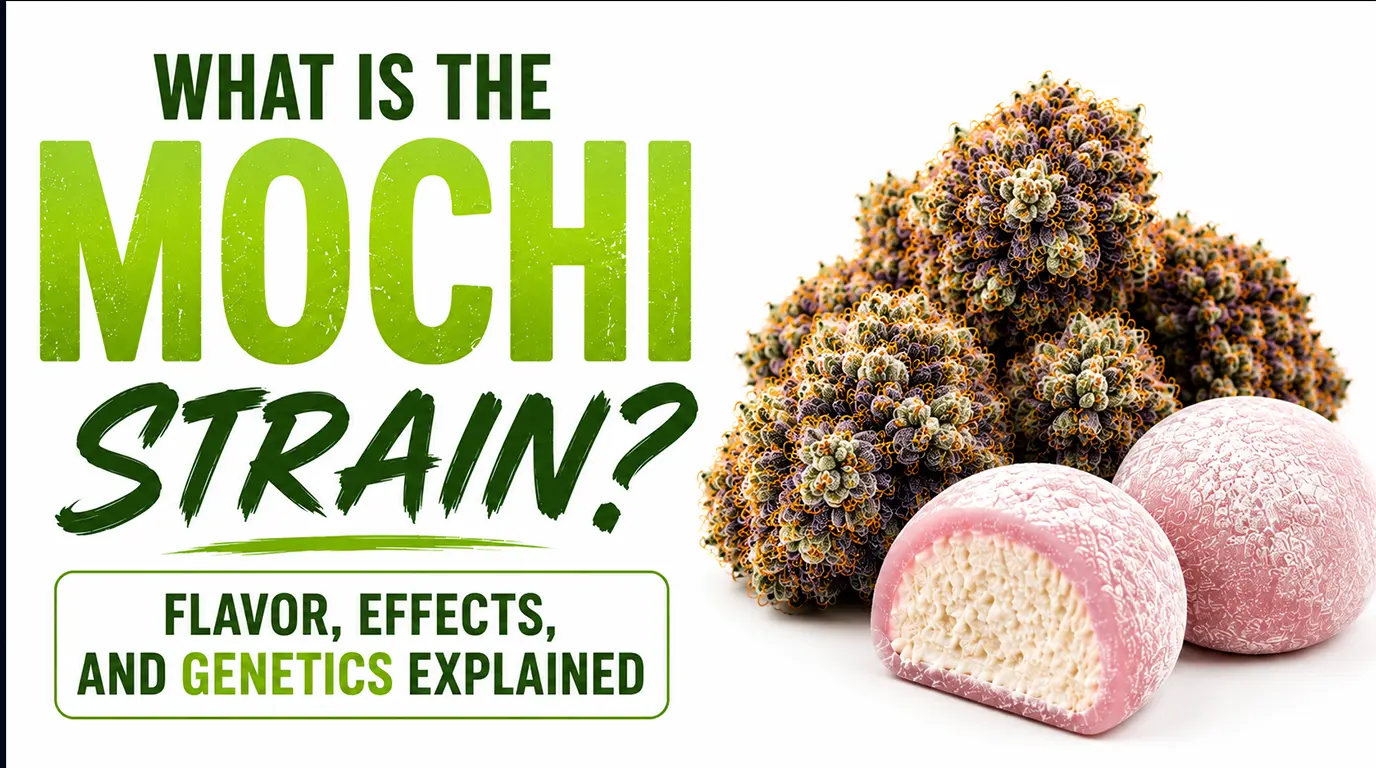
The Mochi strain is an exotic hybrid cannabis cultivar crossed from Thin Mint GSC and Sunset Sherbet, highly regarded for its sweet flavor profile and frosted visual presentation.
Most sources link the mochi weed strain to a cross between Thin Mint Girl Scout Cookies and Sunset Sherbet. These genetics contribute to its trichome-rich flower, sweet aroma profile, and long-standing popularity across exotic cannabis markets.
The mochi strain is often described as having sweet, creamy, and dessert-like flavor notes with hints of berries, vanilla, citrus, and subtle earthy undertones, depending on the phenotype and cultivation methods used.
Many flower buyers view Mochi as a premium cultivar because of its dense buds, strong trichome coverage, recognizable genetics, and terpene-rich aroma profile, all of which contribute to strong shelf appeal and consumer demand.
The orange mochi strain is generally associated with citrus-forward terpene expression and brighter aromatic characteristics while maintaining similarities to the original Mochi lineage.
The purple mochi strain is primarily recognized for its darker flower coloration and striking visual presentation, making it popular among consumers who appreciate aesthetically unique cannabis cultivars.
The pink mochi strain is often associated with boutique flower categories because of its unique appearance and premium market positioning.
Both the mochi pop strain and mochi berry strain are commonly discussed alongside Mochi-related cultivars because they emphasize flavor-focused terpene expression while building upon characteristics that helped make Mochi genetics popular among breeders.
Yes. While newer exotic cultivars constantly emerge, Mochi remains highly popular because its elite genetic foundation continues serving as a reliable benchmark for modern breeding and top-shelf dispensary menus.