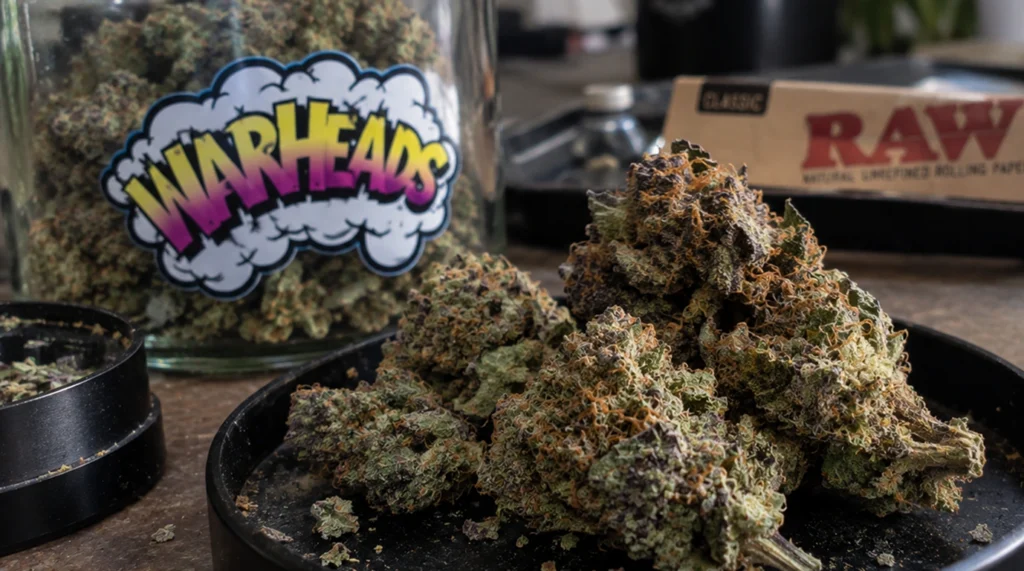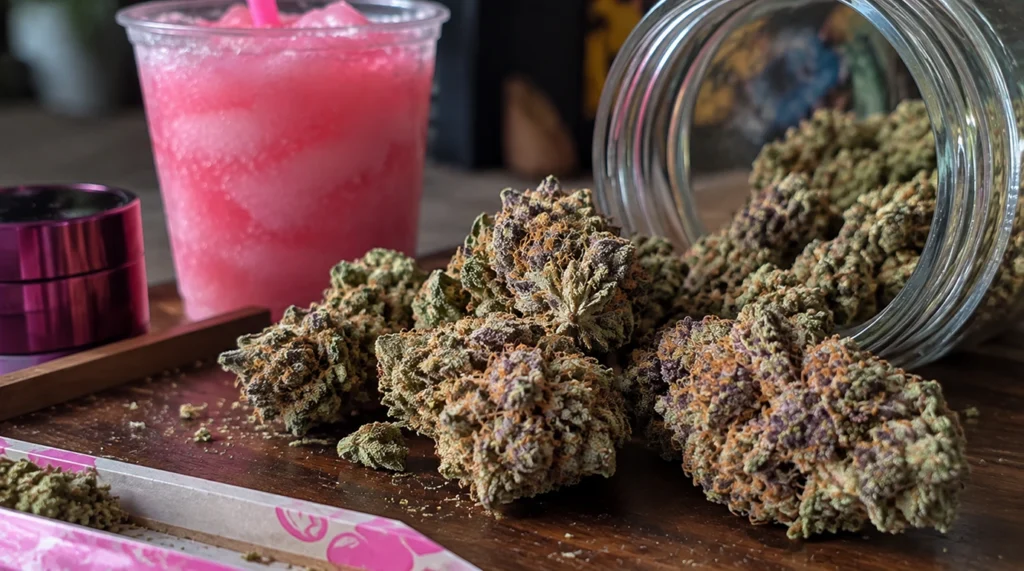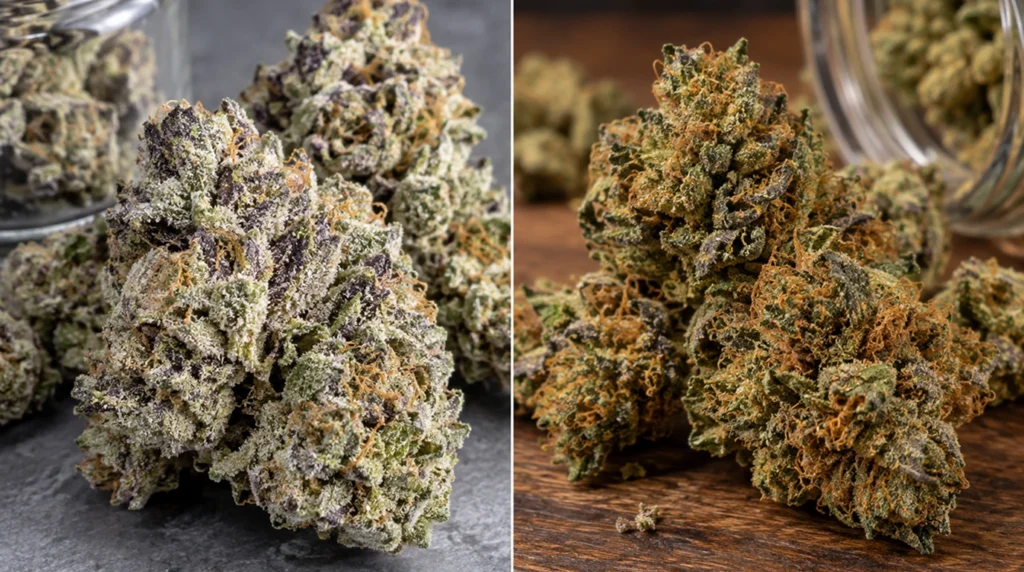
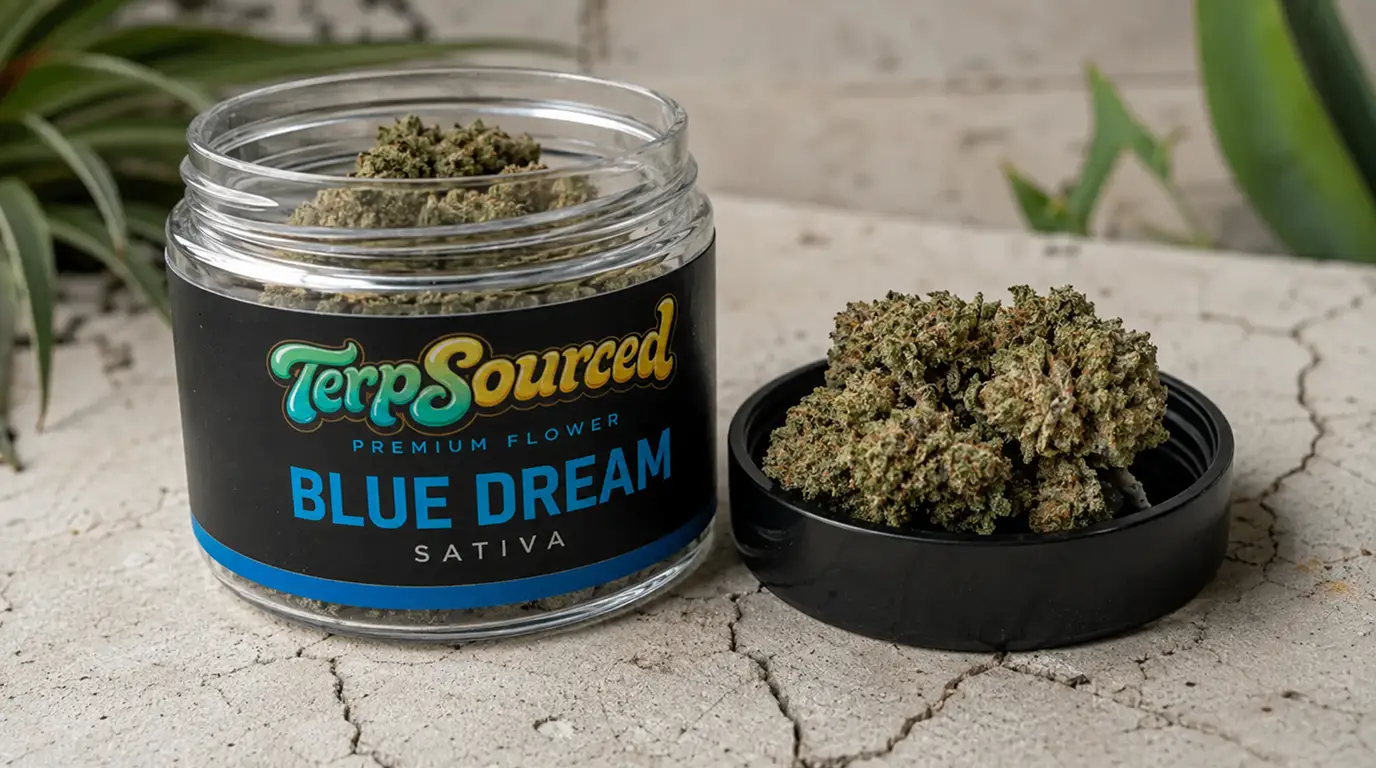
It can be quite hard to come across any number of strains that have been able to maintain their popularity as much as the Blue Dream strain has been able to. With its unique berry aroma, balanced genetics, and dependable performance in blooming, the strain still manages to attract the attention of both end-users and distributors.
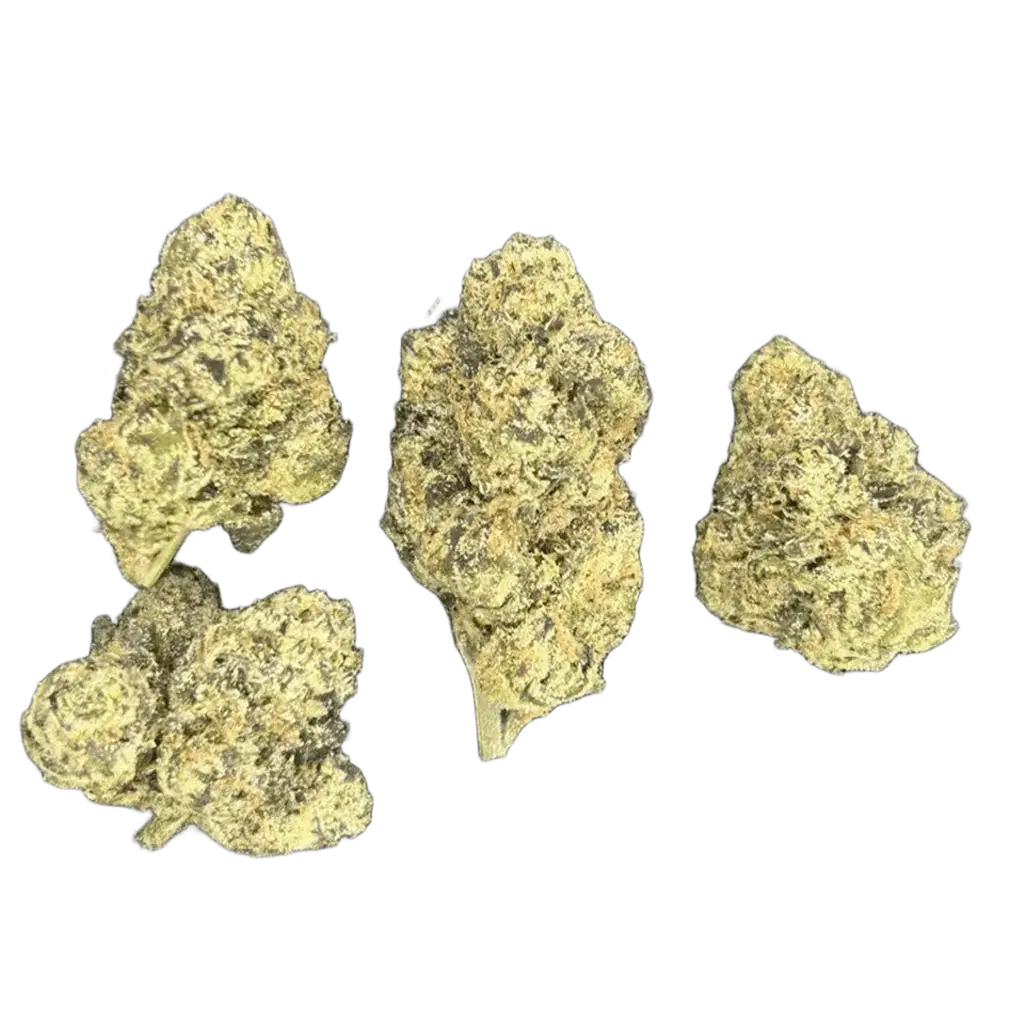
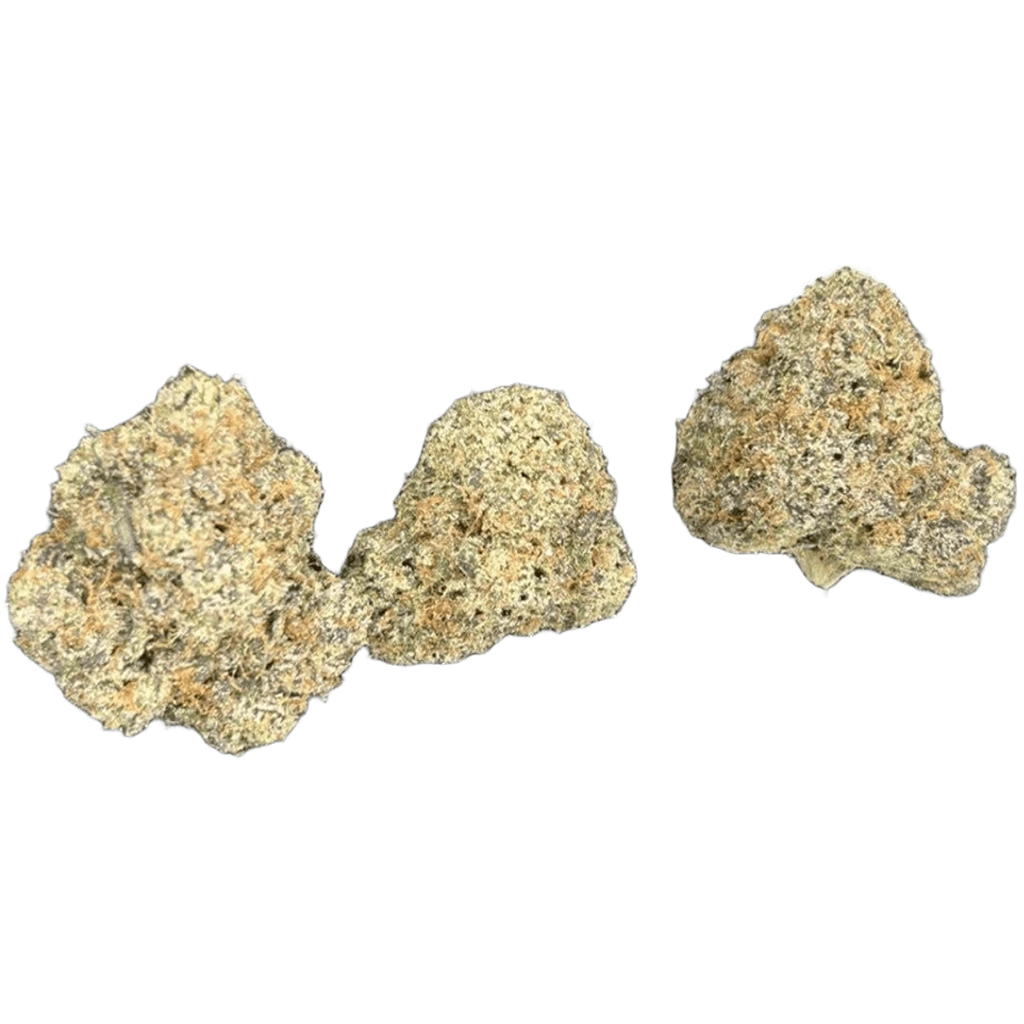
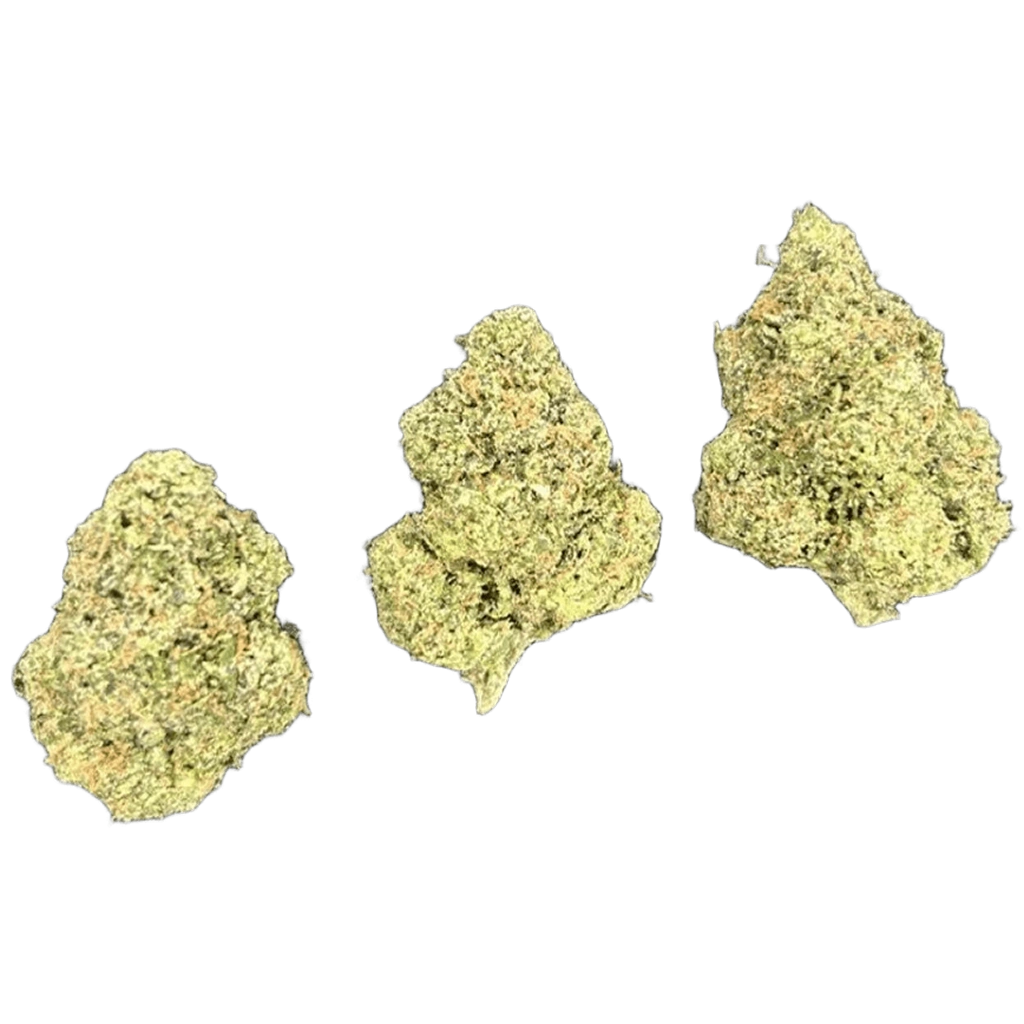
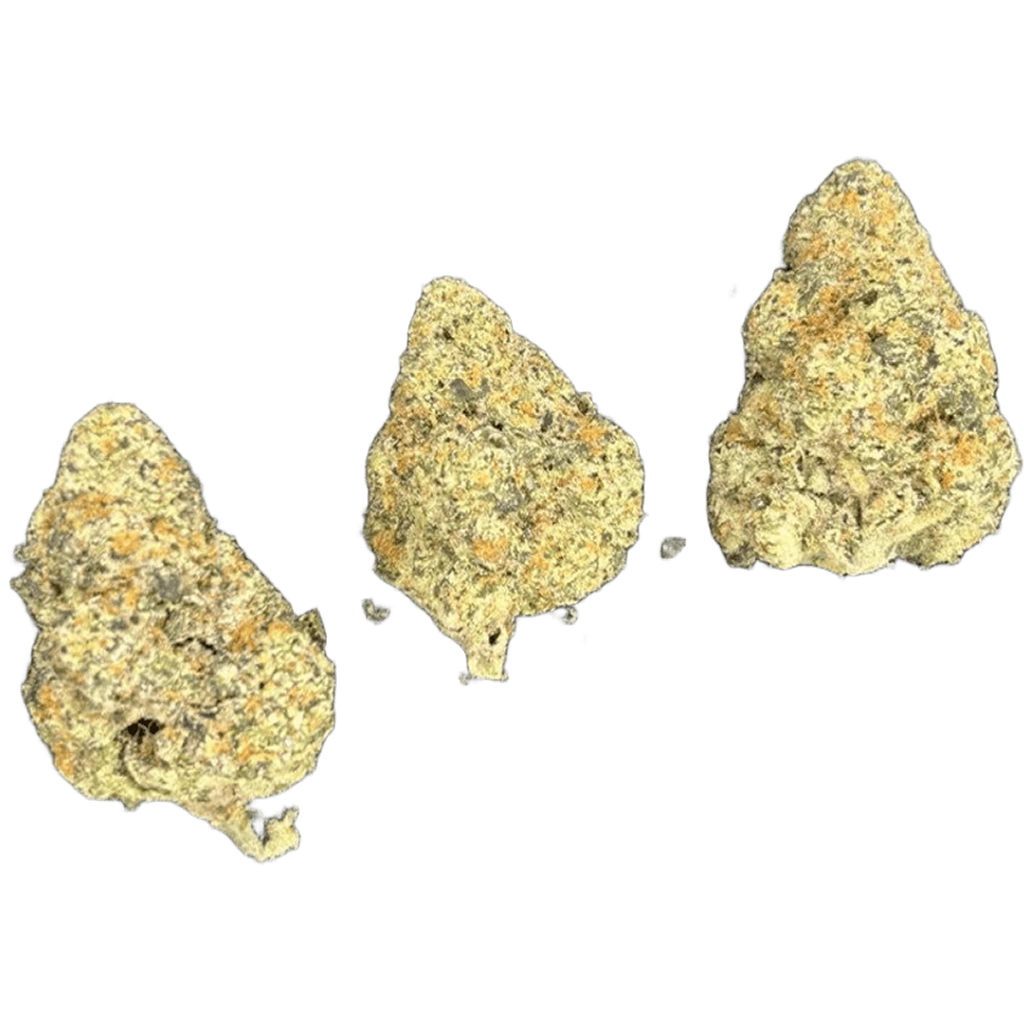
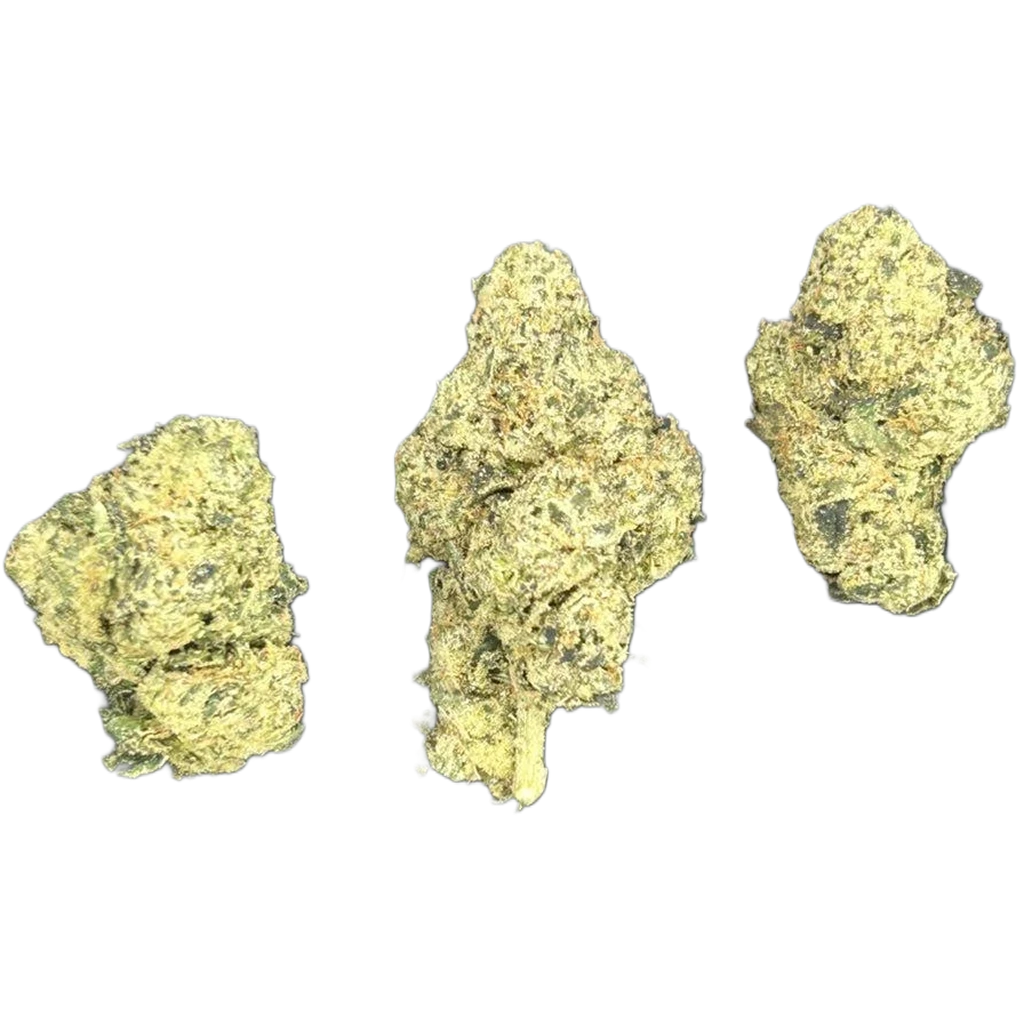
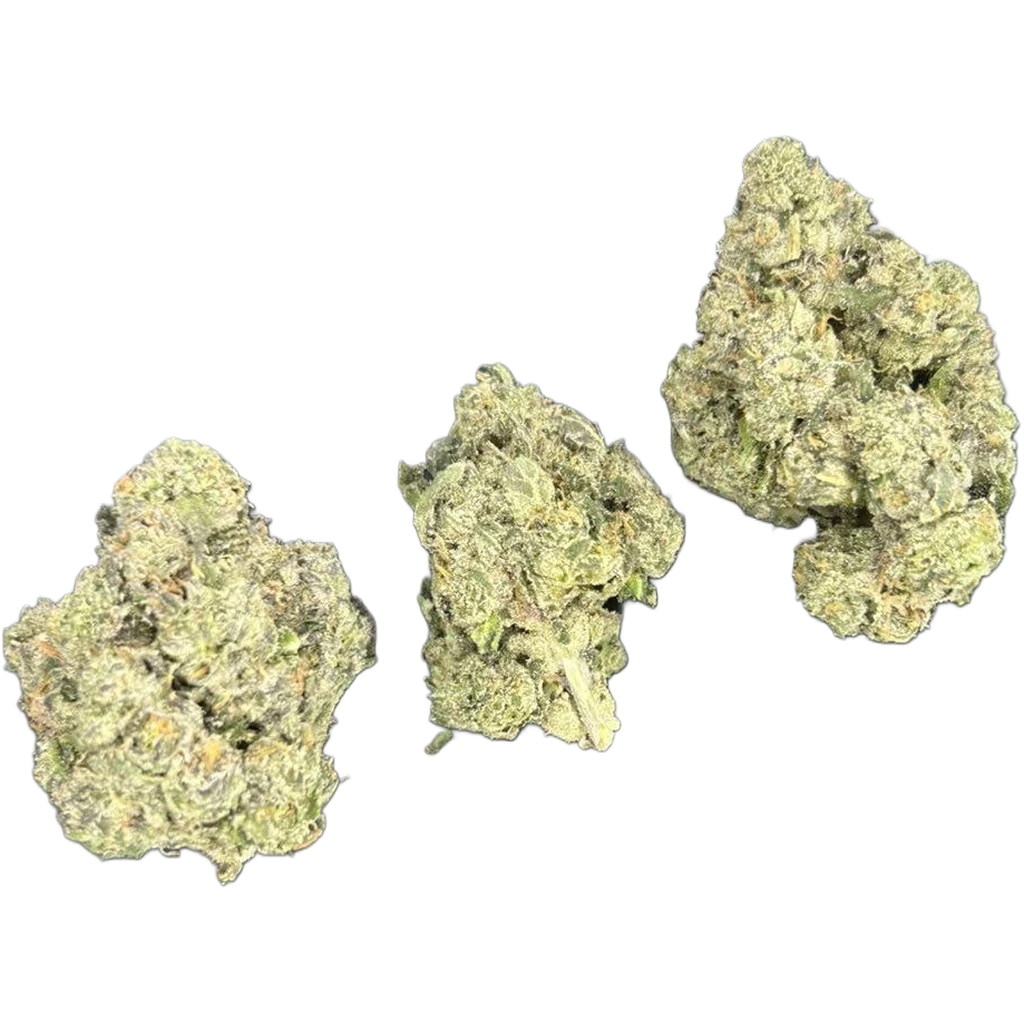
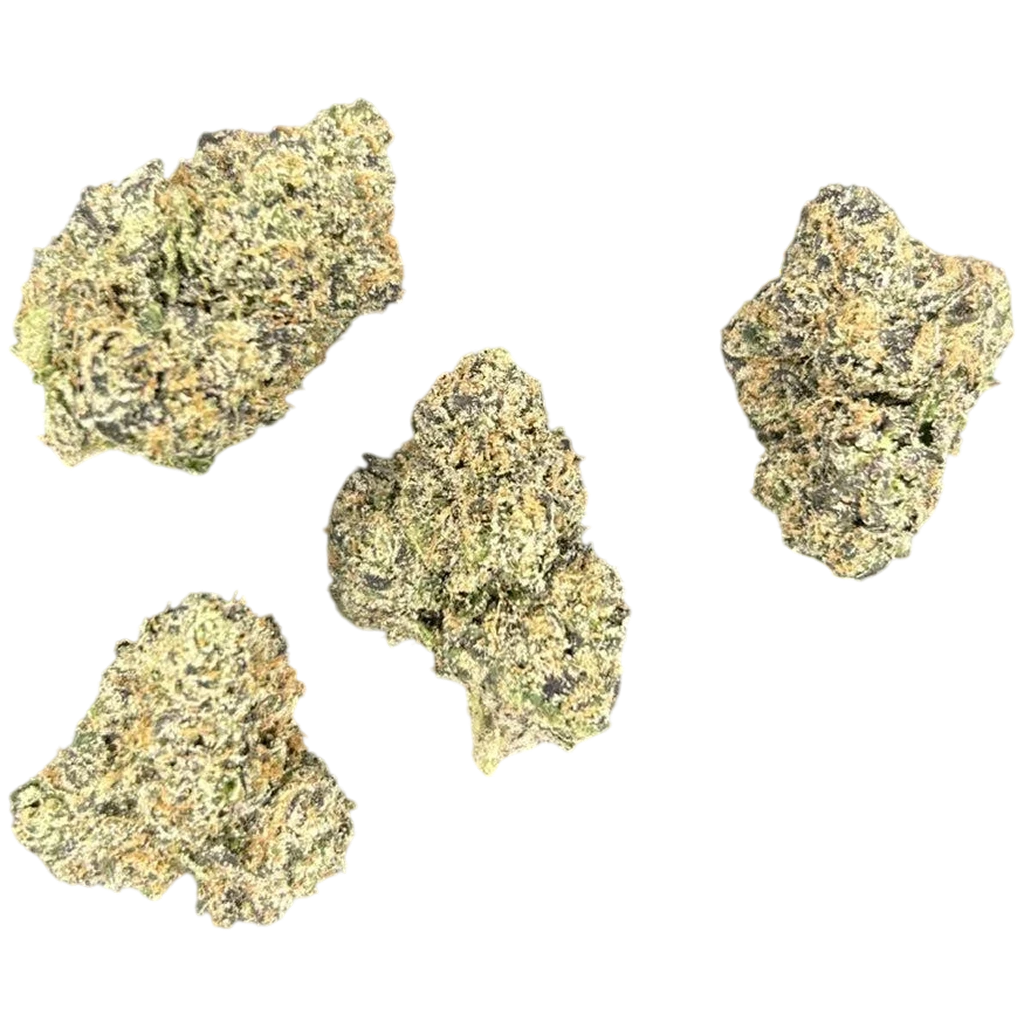
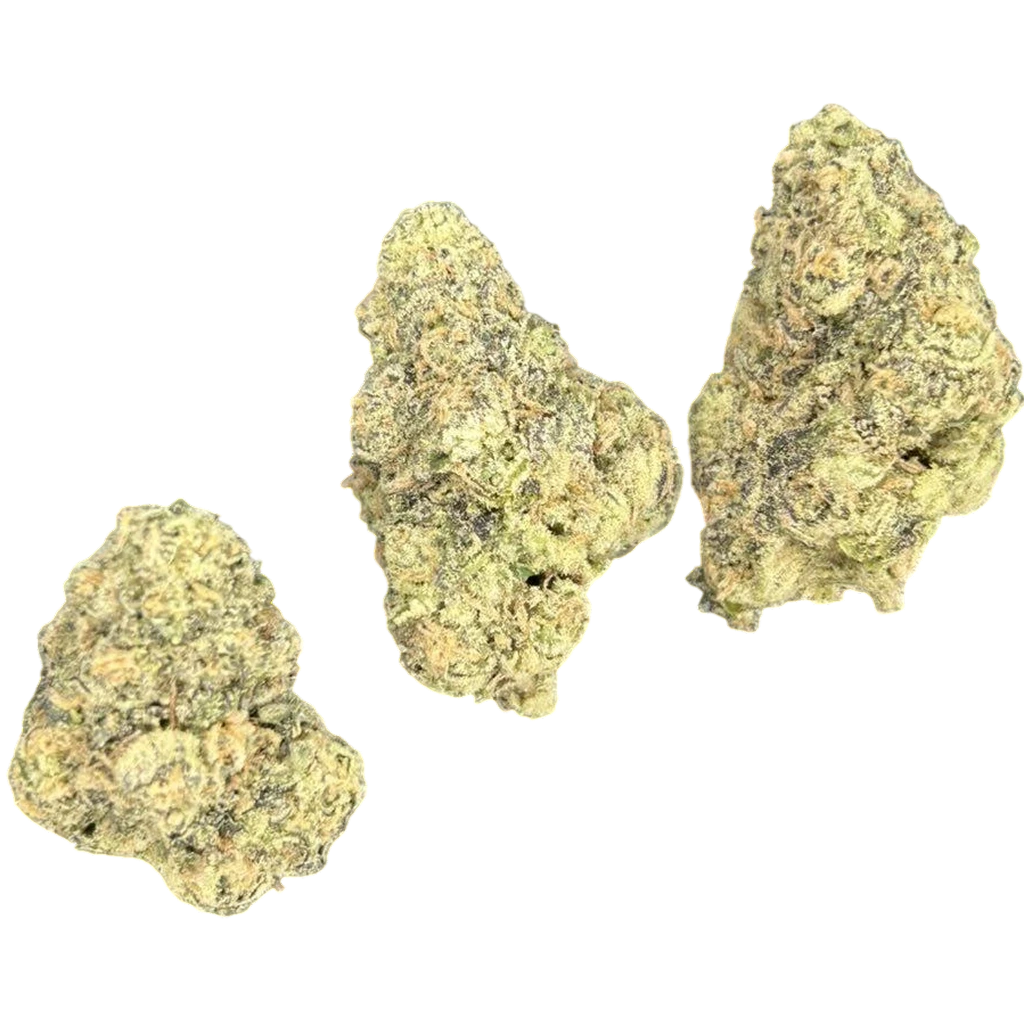
Whatever reason you might have for wanting to find out about the Premium THCA Flower, whether you’re buying or just researching about its genetics, terpenes, and cannabinoid content, this is what you need to know.
Blue Dream is a sativa-dominant cannabis strain that was developed as a result of crossing the well-known Blueberry and Haze cultivars. Having become famous on the West Coast in the first place, Blue Dream soon attracted the attention of the marijuana community thanks to its distinctive taste and reliable cultivation features. Nowadays, Blue Dream remains a significant strain in terms of dispensaries and cannabis bulk orders, much like Sour Diesel, being one of the few cannabis strains that have managed to preserve their popularity in spite of all the numerous strains that constantly emerge.
Blue Dream’s versatility is one of the main reasons for its commercial success. The strain is capable of being used in several different product lines, such as flower, prerolls, concentrate, disposable vapes, and vape extraction. Retailers enjoy the fact that the customers know the name, while distributors like the fact that the strain will be helpful in organizing their inventories.
Despite the belief that those who are looking for a definition of what strain is blue dream will find just one response, things are not that straightforward. Each breeder and cultivation facility has its phenotypes, so the composition of the flower, percentage of cannabinoids and terpenes, and other aspects may differ depending on each harvest.
Considering all the differences, an expert will surely not decide based on the name alone. There are many factors to consider, such as the lab test results, the preservation of terpenes, moisture content, and trichomes.
Knowledge of the genetic makeup of Blue Dream gives insight into why the strain has been commercially viable for such a long time. Instead of depending on just one feature, the strain is due to the stable parentage, predictable terpene profile, and performance while cultivating.
Below is the chart that shows some features associated with the Blue Dream variety of weed. Test results may vary depending on the choice of the phenotype used, the growing process, the harvesting time, and post-harvest processing.
| Characteristic | Typical Information |
| Parent Genetics | Blueberry × Haze |
| Classification | Sativa-dominant Hybrid |
| Typical THCA Range* | 20%-28% |
| CBD Content | Usually below 1% |
| Flowering Time | Approximately 9-10 weeks |
| Dominant Terpenes | Myrcene, Pinene, Caryophyllene |
| Common Commercial Products | Flower, prerolls, concentrates, vape extraction |
| Primary Market | Retail flower and wholesale cannabis distribution |
*Percentages of THCA are laboratory values that may fluctuate depending on growing methods, selection of phenotype, and testing technique.
Aside from its genetic composition, Blue Dream is gaining shelf presence because it has proved to be a valuable commodity. Its reputation, wide recognition in the market, and versatility across different marijuana products, including THCA Concentrates, ensure its reliable supply.
Blue Dream effects belong to the most prominent features, which explain the popularity of the strain. The plant is famous for giving a balanced effect in accordance with the genetic background of both of its parents, Blueberry and Haze. In other words, Blue Dream does not favor either the physical or psychological effects to a greater extent. Therefore, the strain continues to attract people from different groups and is a reliable option for dispensaries because of the high demand for Exotic THCA Flower, similar to GG4.
It should be noted that every Blue Dream sample is unique. There are numerous variables that might affect the quality of the flower, such as the level of cannabinoids in the flower, terpenes, cultivation, harvesting period, and even post-harvest processes. The lab testing and terpene content might be very different despite the identical cultivar.
One of the mistakes made by people is that all of the flowers of Blue Dream offer the same effect. But farmers in industry have plants that come in a few different phenotypes and have slight differences because of genetic mutations and agricultural techniques. In addition, factors like light, heat, moisture, nutrition, and drying can also be counted as important.
Some elements affect the cannabinoid and terpenes composition of Blue Dream:
This is the reason why professional buyers in the wholesale markets hardly base their decisions on the names of cultivars. Rather, they check Certificates of Analysis (COAs), terpenes data, and even quality post-harvest before deciding to buy premium flower stocks.
One of the characteristics of Blue Dream THC flower is the fragrance it possesses. Although percentages of different cannabinoids are more prominent when it comes to attracting consumers’ attention, terpenes play a significant role in giving a certain aroma to any cultivar. The name “Blue Dream” was gained owing to the fragrant notes of sweet berries with some earthiness, pine, and herbs.
The table below shows which terpenes one can expect from the Blue Dream cultivar, despite some variations in percentages.
| Dominant Terpene | Typical Aroma Contribution |
| Myrcene | Sweet berry and earthy notes |
| Pinene | Fresh pine aroma |
| Caryophyllene | Peppery and spicy character |
| Limonene (minor) | Light citrus undertones |
| Humulene (minor) | Herbal, woody notes |
Together, these terpenes provide a distinct flavor that contributes to Blue Dream’s reputation of being one of the most easily identifiable strains within the cannabis industry, similar to Lemon Cherry Gelato. Breeders must take great care when it comes to the drying and curing process since it may reduce the amount of terpene content retained without reducing healthy cannabinoid content.
One of the first characteristics assessed during the selection process for premium flowers is the cannabinoid profile. Even though the genetics form the basis, the cannabinoid profile is affected by the methods used to grow the plant, when harvesting occurs, the environment, and how it is processed after harvesting. As such, not two samples of Blue Dream test equally.
Below is the table containing the range of cannabinoids found in the Blue Dream strain. The figures contained herein represent general ranges and not percentages as reported in the laboratory.
| Cannabinoid | Typical Laboratory Range* | Role |
| THCA | 20%-28% | Primary cannabinoid measured in raw flower |
| THC (after decarboxylation) | Varies after heating | Active cannabinoid following consumption |
| CBD | Below 1% | Minor cannabinoid |
| CBG | Trace-1% | Present in small concentrations |
| CBC | Trace | Naturally occurring minor cannabinoid |
*Laboratory results differ according to phenotype, cultivation techniques, and testing methodologies. Commercial purchasers do not often consider the percentage of cannabinoids when deciding whether or not to purchase the flowers. The amount of trichomes, terpenes, moisture uniformity, and flower appearance are just as significant.
There are a lot of situations where the problem arises with regard to whether the Blue Dream strain is sativa or indica because this particular plant has genetic lineage with both of these cannabis types. It is well-known that the Blue Dream is usually considered a sativa-dominant hybrid; however, it should be noted that not all of the phenotypes have identical properties.
It is obvious that when talking about choosing cannabis, the classification of cannabis turns out to be unimportant for the users, who take into account the physical parameters of the plant.
Blue Dream has managed to be one of the most recognized cannabis strains since it continually provides consumers with an excellent combination of good genetics, unique terpenes that have a distinct berry flavor, and stable commercial demand. The strain’s flexibility when it comes to growth in both indoor and greenhouse environments, as well as in the production of flowers, preroll, concentrates, and extraction, makes it a good choice for retailers and wholesale distributors.
In the search for blue dream thca flowers, one has to take into account not only the concentration of cannabinoids within the plant. Among others, tests, preservation of terpenes, curing, development of trichomes, and stability after harvest are the main factors defining the quality of marijuana. In TerpSourced, knowledge about these quality factors has helped us in sourcing high-quality cannabis products.
Blue Dream strain is a hybrid made through the crossbreeding of Blueberry and Haze strains. The Blue Dream marijuana strain is known for being among the best strains because of its perfect genetics and berry aroma.
Blue Dream is a dominant sativa hybrid. It is characterized by genetic traits of both strains. However, it mostly possesses sativa traits and some indica traits as well.
In laboratories, Blue Dream flower normally has from 20% to 28% of THCA content, yet the quantity highly depends on phenotype, growing process, harvesting period, and test procedure. COA (Certificate of Analysis) is checked by buyers before the purchase of Blue Dream.
Specific properties of Blue Dream are the taste of berry with earthy undertones, pine taste, and spices or citrus.
Three types of terpenes are found in Blue Dream: Myrcene, Pinene, and Caryophyllene. Terpenes make the distinctive smell of the weed strain. It smells like berries, pine trees, herbs, and peppers.
High demand for the strain is caused by the distinctive brand name, high performance, and commercial success. Blue Dream can be cultivated in different forms – flower, preroll, concentrate, and extraction.
Yes. Blue Dream is grown indoors and in greenhouses under light deprivation conditions. Various growing processes may influence the ratio of terpenes and cannabinoids; however, a high-quality flower is produced regardless of them.
No. The profile will differ from batch to batch due to variations in phenotypes and cultivation cycles. The environmental conditions, nutrients, harvesting process, and laboratory testing results affect the amount of THCA and terpenes present.
THCA is not the only measure of quality. A wholesale purchaser should consider the presence of terpenes, trichome cover, moisture levels, flower form, curing process, and testing laboratory results to judge the commercial worth of their Blue Dream yield.