Few cannabis cultivars have remained relevant for decades quite like the Sour Diesel strain. Long before dessert-inspired genetics dominated dispensary menus, Sour Diesel built its reputation on its unmistakable fuel-forward aroma, uplifting character, and loyal consumer following.
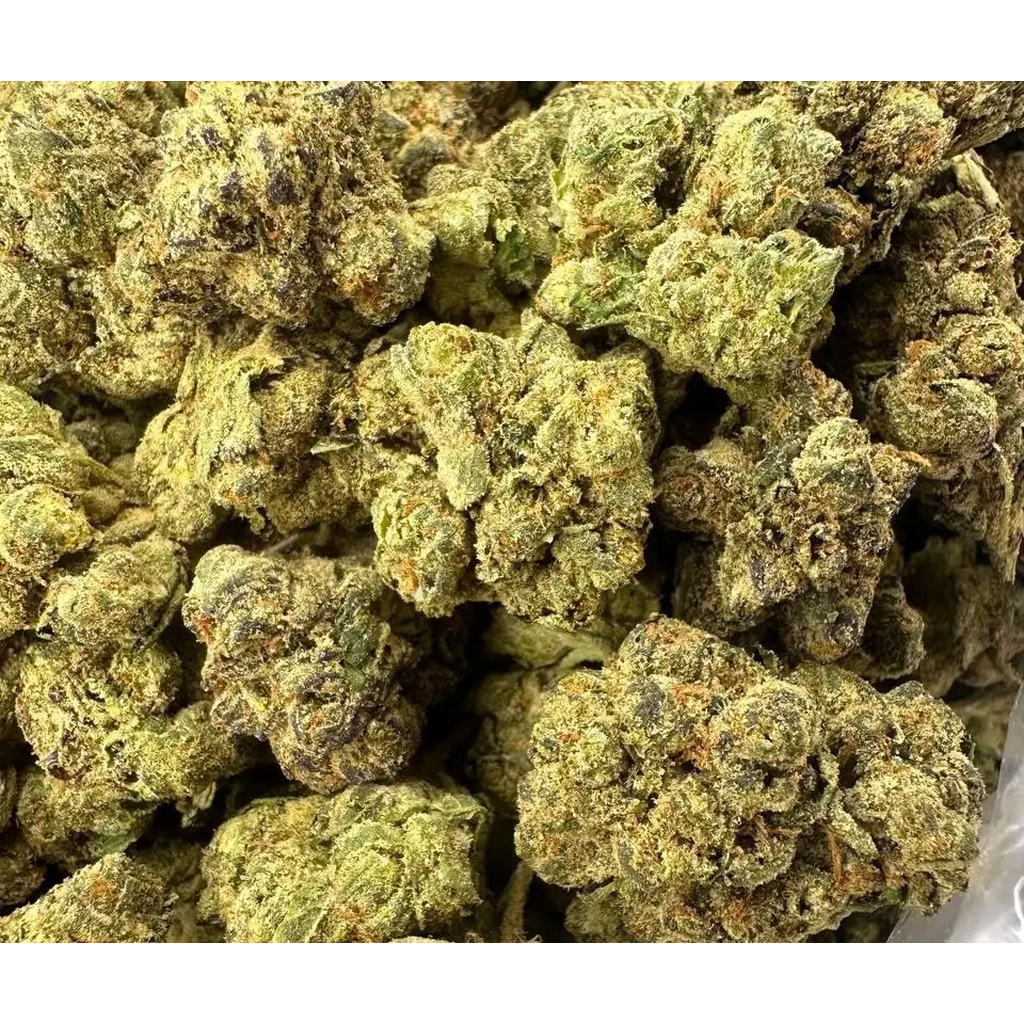
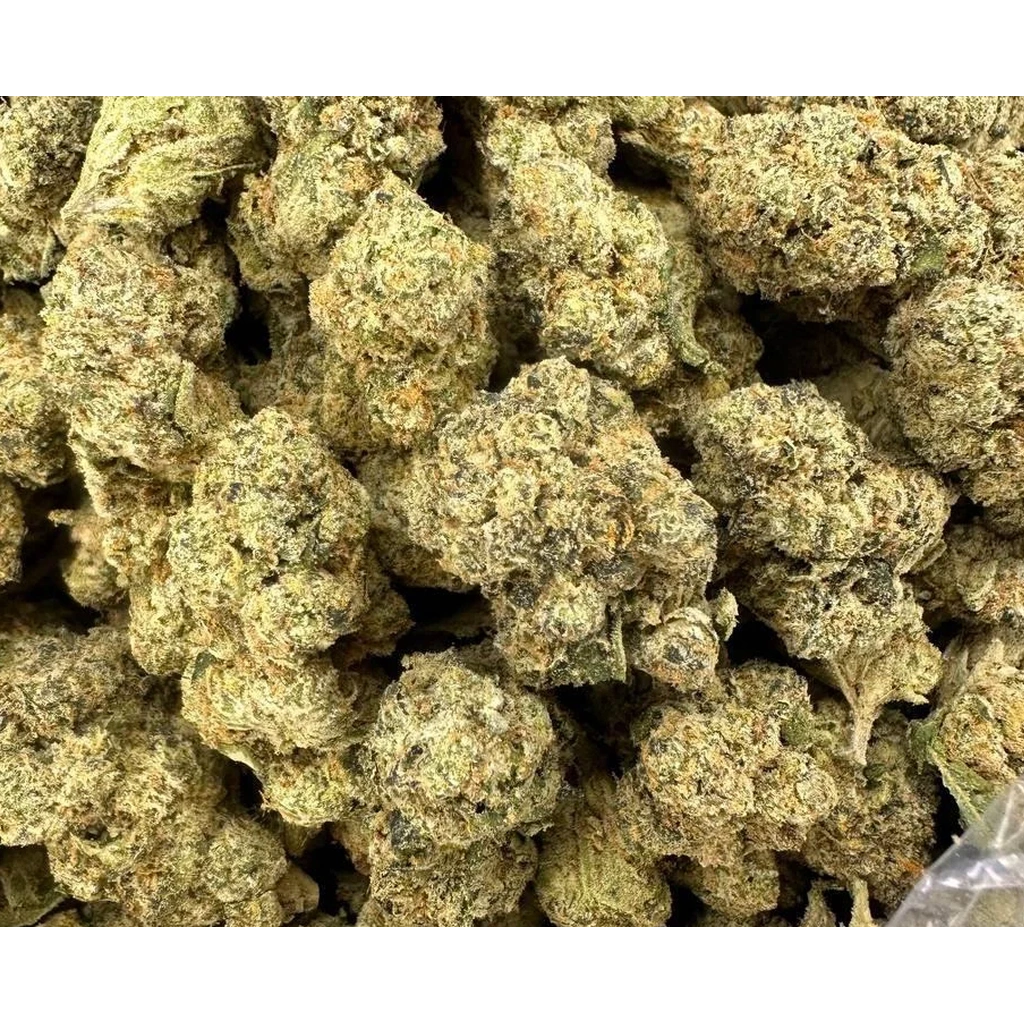
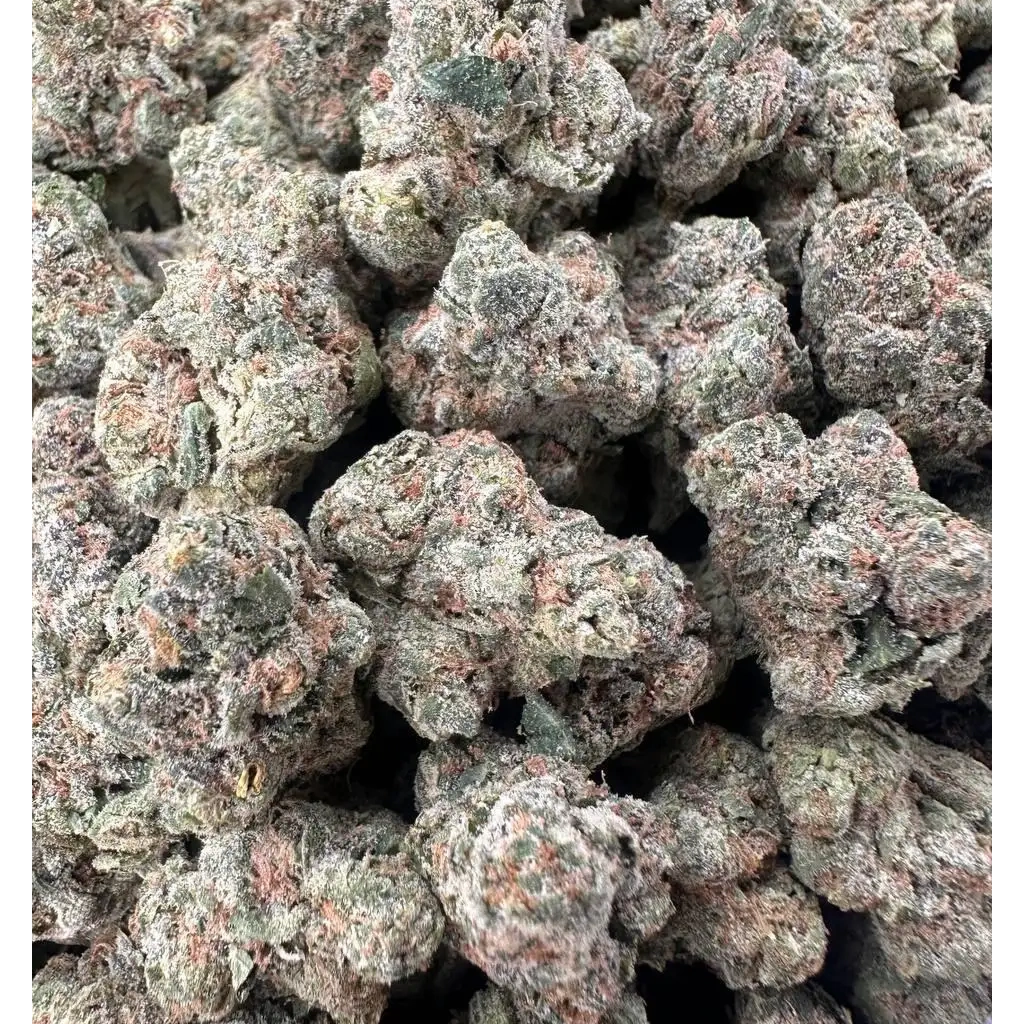
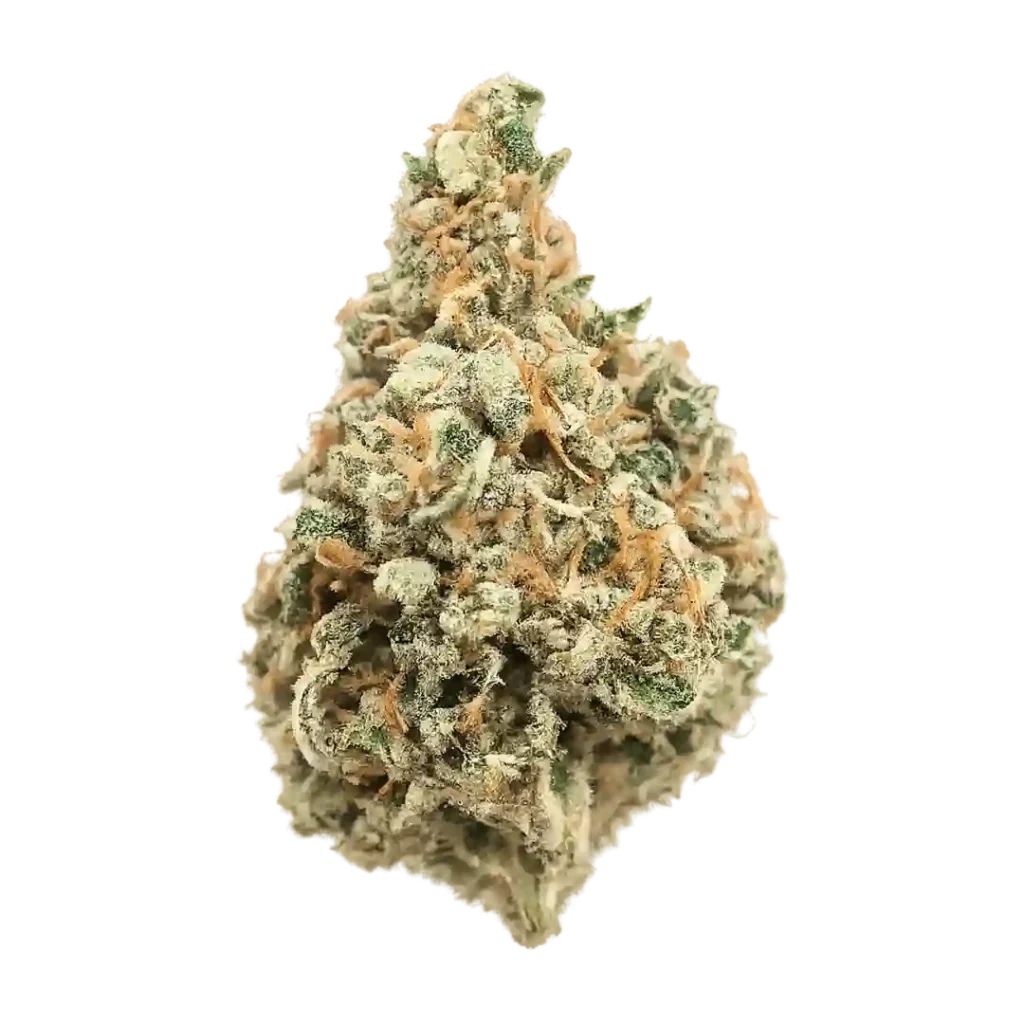
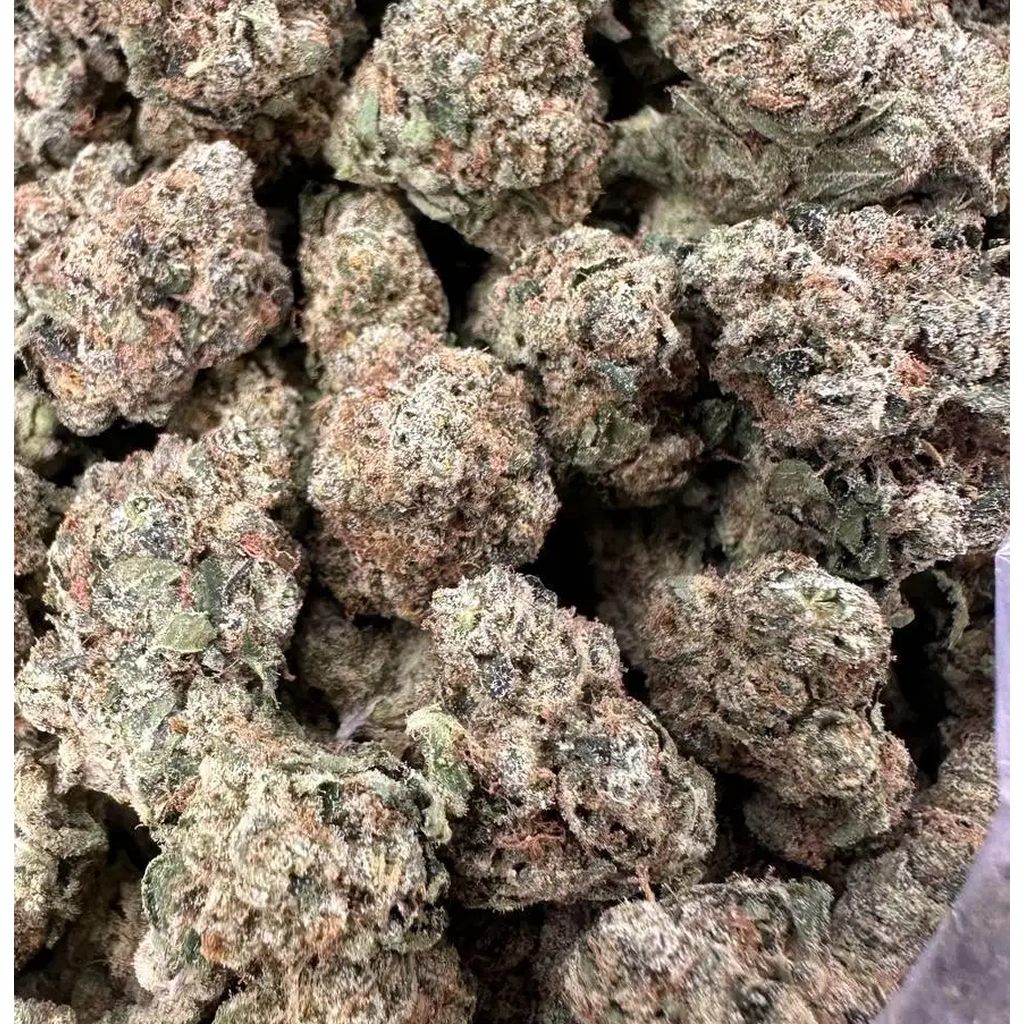
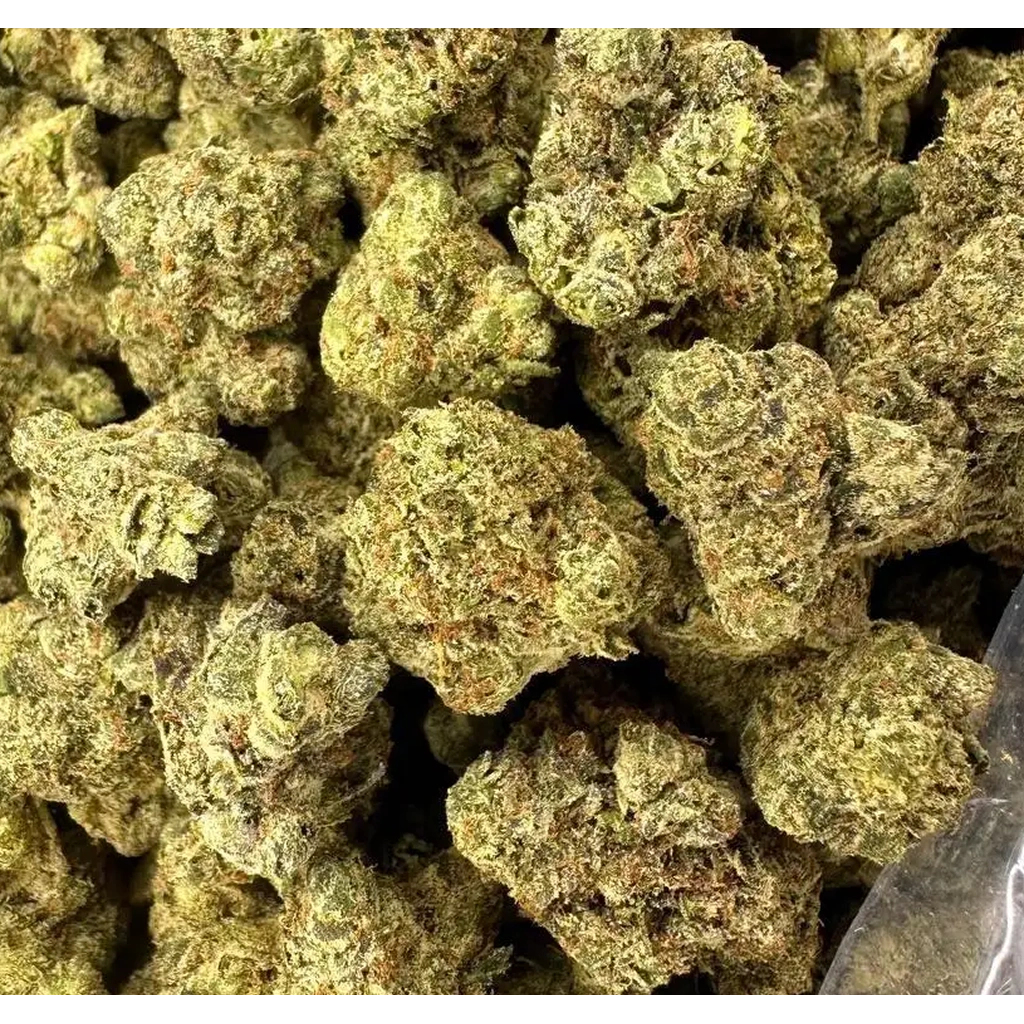
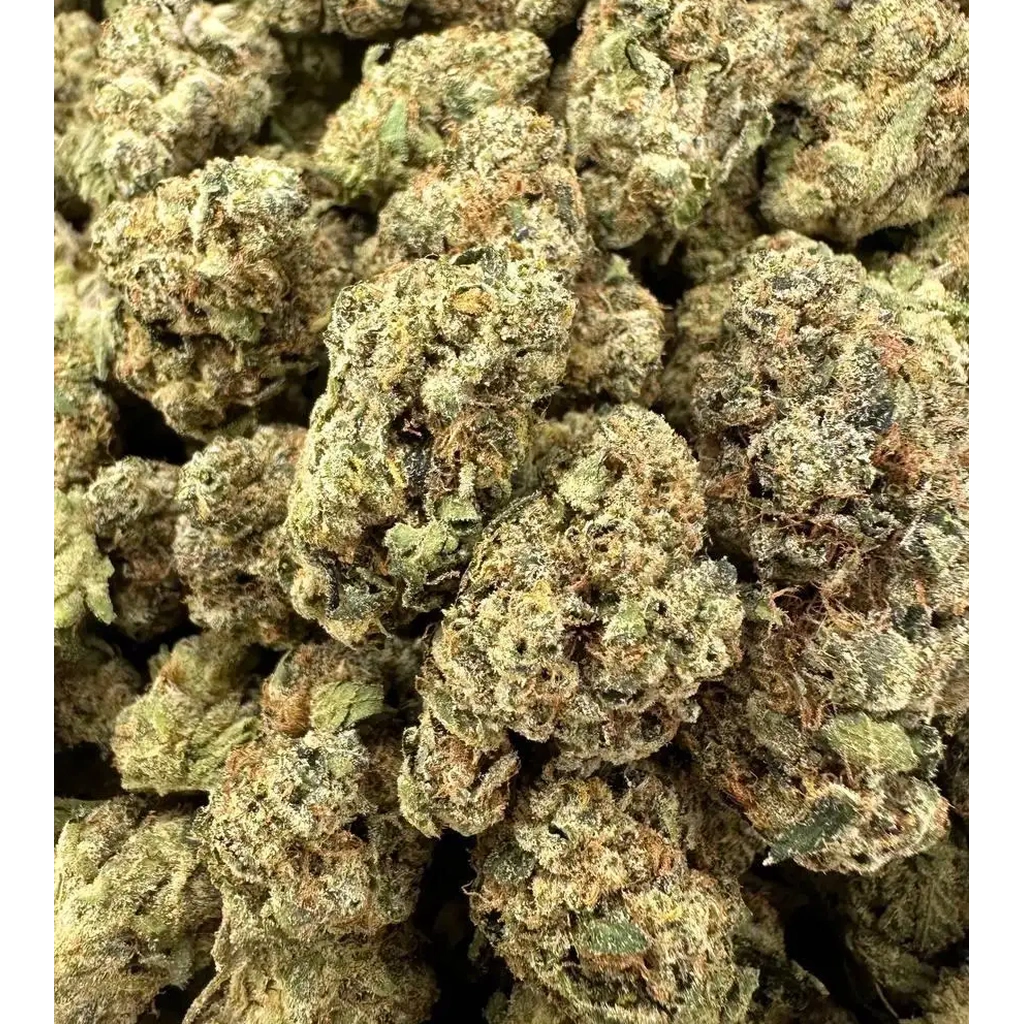
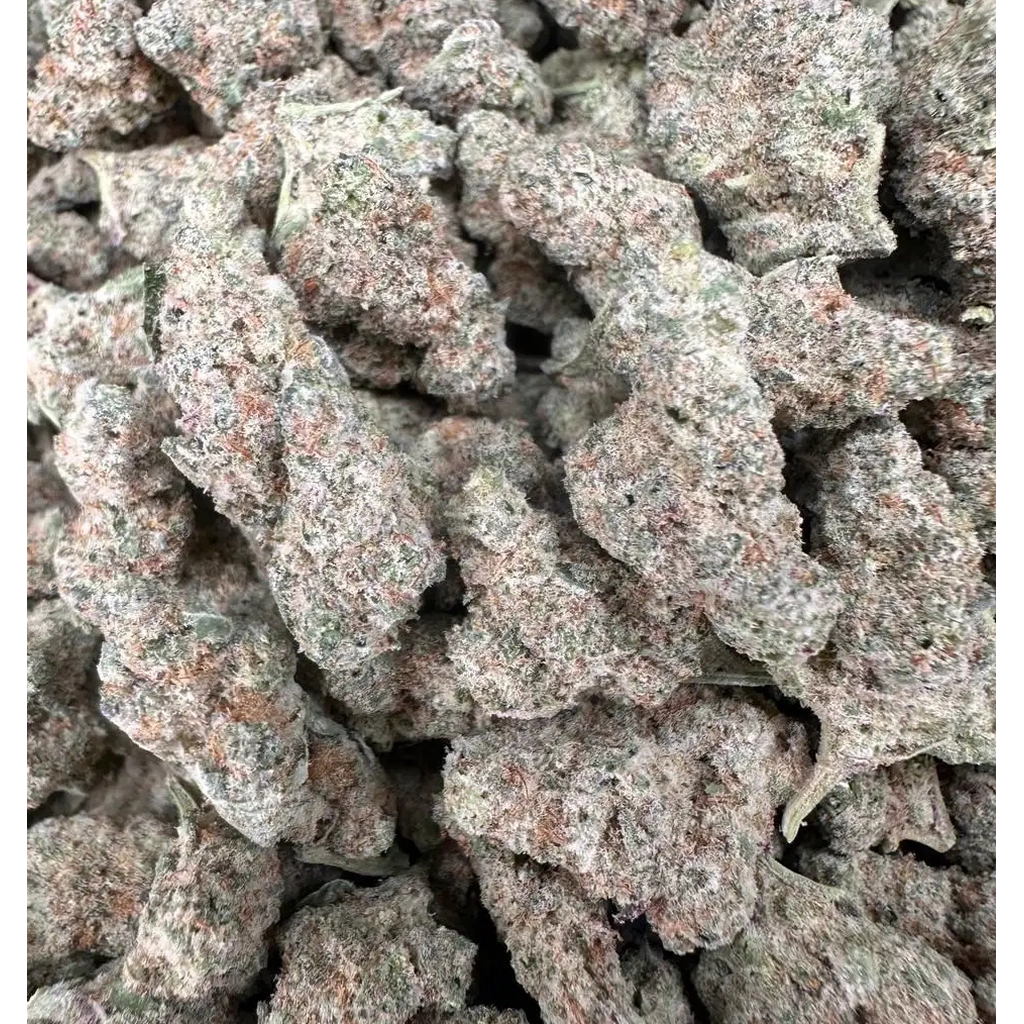
Today, it continues appearing in Premium THCA Flower selections because growers, retailers, and experienced consumers recognize its consistent market demand. Understanding what makes Sour Diesel unique helps buyers appreciate why this legendary cultivar continues holding its place in today’s competitive cannabis industry.
The Sour Diesel cannabis strain is a hybrid variety of sativa-dominant cannabis plant characterized by a unique diesel-like aroma, citrus taste, and uplifting effect on the body of an individual consuming it. Having gained recognition in the early ’90s, the Sour Diesel cultivar has become one of the most recognizable legacy cannabis strains on the market due to its specific terpene profile and consistency of cultivation.
While the genetic ancestry of this strain is still unclear, many cannabis growers believe that this cultivar stems from Chemdawg lineages with Super Skunk contribution to its genetics. In any case, the strain has developed its character and become a parent to numerous modern strains. The THC content in commercial samples varies from 18% to 26%, with very low content of CBD, less than 1%. Despite the years passed since the emergence of the strain, it can still be found in dispensaries because of its distinct smell, reliable flowers, and high market demand.
Very few cannabis cultivars achieve long-term recognition across multiple generations of consumers. Sour Diesel is one of those rare exceptions. First gaining popularity during the early 1990s, the cultivar quickly became known for its unmistakable aroma, recognizable flower structure, and consistently strong cannabinoid content. While newer genetics continue entering the market every year, Sour Diesel has maintained steady demand because consumers already know what to expect whenever they see it on a dispensary menu.
Its exact genetic background remains debated within the cannabis community. Most cultivators believe the cultivar originated from Chemdawg-related genetics with influences from Super Skunk, although several breeders continue supporting different lineage theories. Regardless of its exact origin, Sour Diesel established its own identity and eventually became a parent for numerous modern hybrids, influencing cultivars discussed in our Runtz Weed Strain Guide.
Rather than relying on novelty, Sour Diesel built its reputation through consistency. Retailers continue stocking it because experienced consumers actively search for recognizable legacy cultivars instead of only chasing limited-release genetics like Lemon Cherry Gelato. Commercial growers also appreciate its established reputation, allowing them to market flowers without introducing unfamiliar strain names every season. Few cultivars have maintained this level of commercial recognition while continuing to influence modern breeding projects.
Cannabinoid and terpene expression can vary depending on cultivation methods, phenotype selection, harvest timing, and post-harvest handling. However, commercial batches of Sour Diesel generally fall within a predictable range that wholesale buyers and retailers recognize across the market.
The table below summarizes the commercial profile commonly associated with Sour Diesel flower.
| Characteristic | Typical Commercial Range |
| THC | 18%-26% |
| CBD | Usually below 1% |
| Flowering Time | 10-11 weeks |
| Cultivation Difficulty | Moderate to Advanced |
| Dominant Terpenes | Caryophyllene, Limonene, Myrcene, Pinene |
| Common Retail Category | Premium THCA Flower |
While THC percentage often attracts attention, experienced buyers rarely judge quality using cannabinoids alone. Aroma consistency, terpene preservation, flower density, moisture retention, and post-cure appearance all contribute to commercial value.
The dominant sour diesel terpenes create the profile that made the cultivar famous. Limonene contributes bright citrus notes, caryophyllene introduces pepper-like spice, myrcene supports earthy complexity, while pinene adds fresh herbal characteristics. Together, these compounds produce the fuel-forward aroma that consumers immediately associate with Sour Diesel, similar to other terpene-rich cultivars like GG4 Strain.
Commercial operators increasingly evaluate terpene preservation because stronger aromatic consistency often translates into better shelf presentation and higher consumer recognition after packaging.
The Sour Diesel strain effects are commonly described as uplifting, mentally stimulating, and fast-acting. Unlike cultivars known primarily for heavy physical relaxation, Sour Diesel has earned a reputation for delivering an energetic experience that many consumers associate with daytime use. Individual experiences vary depending on cannabinoid content, terpene expression, tolerance, and serving size, so effects should never be viewed as universal.
Consumers frequently describe Sour Diesel as providing:
Because the cultivar often produces a more stimulating profile, many experienced consumers choose it for social settings, creative work, or daytime activities rather than late-evening use.
One of the biggest reasons Sour Diesel remains recognizable is its aroma. Well-grown batches often release a sharp diesel scent immediately after opening the container. As the flower is broken apart, brighter citrus notes, herbal undertones, and earthy spice become more noticeable.
The combination of fuel-forward aromas and citrus characteristics creates one of the most recognizable sensory profiles found in legacy cannabis cultivars. This distinctive aroma has also helped maintain demand for sour diesel weed across both THCA Prerolls and premium flower selections.
Modern cannabis markets introduce hundreds of new cultivars every year, yet Sour Diesel continues to occupy valuable canopy space inside commercial cultivation facilities. That continued popularity is not driven by nostalgia alone. Growers still dedicate production space to the cultivar because it offers strong brand recognition and dependable consumer demand, making it easier for retailers to market familiar genetics.
Commercial cultivation does present challenges. Sour Diesel typically stretches significantly during flowering, requiring careful canopy management and environmental control. Flowering periods often extend between 10 and 11 weeks, making production slightly longer than many modern hybrids. These factors increase labor requirements and demand greater attention throughout cultivation.
Despite these challenges, many operators continue producing the sour diesel weed strain because experienced consumers actively seek it out alongside other premium Hybrid Strains. Established demand often offsets the additional production time, particularly for retailers offering legacy genetics alongside newer exotic cultivars.
The table below highlights why many commercial cultivators continue keeping Sour Diesel in production despite increasing competition from modern hybrids.
| Commercial Factor | Sour Diesel Performance |
| Brand Recognition | Very High |
| Consumer Demand | Consistently Strong |
| Retail Shelf Appeal | High |
| Flower Structure | Medium to Dense |
| Aroma Recognition | Excellent |
| Extraction Potential | Moderate to High |
| Market Longevity | More than 30 years |
For many growers, cultivating Sour Diesel is less about following trends and more about maintaining a cultivar that continues generating reliable consumer interest year after year.
Cannabis genetics have changed dramatically over the past decade. Dessert-inspired cultivars, candy-forward hybrids, and colorful exotic flowers now dominate many dispensary menus. Even with this shift, Sour Diesel continues holding its place because it offers something many newer cultivars can not-instant recognition. Experienced consumers know exactly what to expect when they purchase Sour Diesel, which helps maintain its long-standing appeal.
Unlike many modern hybrids that focus on sweet aromas and dense purple buds, Sour Diesel is recognized for its sharp fuel-forward scent, bright citrus notes, and energetic profile. While it may not always produce the highest THC percentages available today, its terpene expression and recognizable aroma remain some of its strongest selling points.
Commercial retailers also appreciate the strain because it appeals to consumers looking for classic genetics rather than constantly changing, limited-release varieties. Maintaining a mix of legacy cultivars and newer hybrids allows dispensaries to serve a broader customer base while keeping familiar names available on their shelves.
Well-grown batches of Sour Diesel typically display characteristics that have remained consistent for decades.
Strain Type: Sativa-Dominant Hybrid
Typical THC Range: 18-26%
CBD Content: Usually below 1%
Flavor & Aroma: Diesel, citrus, earthy herbs, peppery spice
Its recognizable terpene profile continues making it one of the easiest legacy cultivars to identify after opening the jar.
The cannabis industry has become far more competitive than it was a decade ago. New genetics enter the market every season, yet Sour Diesel continues appearing in dispensaries because demand has remained surprisingly consistent. For retailers, carrying well-known cultivars often helps attract returning customers who prefer recognizable flowers over constantly rotating strain selections.
From a cultivation standpoint, Sour Diesel requires patience. The flowering period is generally longer than that of many commercial hybrids, and vigorous plant growth often demands additional canopy management throughout production. Those factors can increase operational costs, but many growers consider them worthwhile because the cultivar still performs well commercially when grown correctly.
Consumers looking for classic cannabis genetics also continue supporting Sour Diesel because its aroma and overall character have remained relatively consistent across generations. While modern cultivars may compete through visual appeal or exceptionally high cannabinoid percentages, Sour Diesel competes through familiarity, terpene expression, and decades of consumer trust.
Not every cannabis cultivar delivers the same experience, which is why many dispensaries organize flower by expected effects, aroma profile, or intended use. Sour Diesel generally appeals to consumers who prefer bright, energetic cultivars with a recognizable terpene profile rather than heavier, evening-oriented flowers.
It is often considered suitable for:
As with any cannabis product, individual experiences vary depending on cannabinoid content, terpene composition, tolerance, and serving size. Retailers should avoid presenting any strain as producing guaranteed effects because consumer responses differ considerably.
Very few cannabis cultivars have remained relevant for more than three decades, yet Sour Diesel continues earning shelf space across dispensaries because of its recognizable aroma, dependable market demand, and long-standing reputation. While modern hybrids continue introducing new flavor profiles and eye-catching appearances, Sour Diesel has maintained its position by delivering a familiar experience that many consumers actively seek.
For growers, retailers, and enthusiasts alike, the cultivar represents more than just another strain-it reflects an important part of modern cannabis history. Whether evaluating cannabinoid content, terpene expression, cultivation performance, or retail demand, Sour Diesel remains one of the industry’s defining legacy cultivars. As the cannabis market continues evolving, platforms like TerpSourced help consumers explore trusted strain information while discovering premium flower that aligns with their preferences.
Sour Diesel is a sativa-dominant hybrid widely recognized for its fuel-forward aroma, citrus undertones, and uplifting character. It became popular during the 1990s and remains one of the cannabis industry’s most recognizable legacy cultivars because of its consistent demand and strong consumer recognition.
Commercial batches of Sour Diesel commonly test between 18% and 26% THC, although cannabinoid content can vary depending on genetics, cultivation methods, harvest timing, and post-harvest handling. CBD levels generally remain below one percent.
The dominant Sour Diesel terpenes typically include limonene, caryophyllene, myrcene, and pinene. Together, they create the cultivar’s recognizable diesel aroma while contributing citrus, earthy, herbal, and pepper-like notes that distinguish it from many modern cannabis varieties.
Many consumers describe Sour Diesel as mentally stimulating, uplifting, and energizing. Individual experiences vary depending on cannabinoid levels, terpene expression, tolerance, and serving size, so effects should never be considered identical for every consumer.
Many experienced consumers prefer Sour Diesel during daytime hours because it is commonly associated with alertness and creative thinking. However, personal tolerance and product potency can influence how the cultivar feels, making responsible consumption important.
Sour Diesel earned legendary status through decades of consistent consumer demand, recognizable aroma, influential genetics, and continued commercial success. Even as hundreds of new cultivars entered the market, it remained one of the industry’s most recognizable names.
Although Sour Diesel requires a longer flowering period than many modern hybrids, growers continue cultivating it because strong brand recognition and steady consumer demand often justify the additional production time and cultivation effort.
Many processors consider Sour Diesel suitable for extraction because its terpene-rich profile contributes distinctive aroma characteristics. Final extraction performance depends on cultivation quality, harvest timing, and the extraction method used.
Yes. Despite increasing competition from newer cannabis genetics, Sour Diesel continues to appear in dispensaries across many markets because consumers still recognize its aroma, legacy reputation, and reliable overall profile.