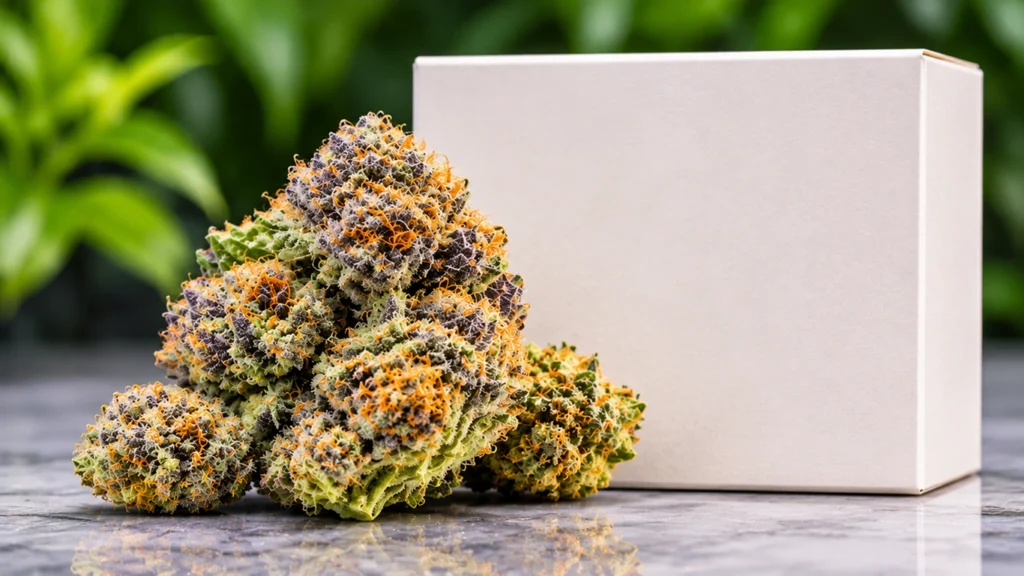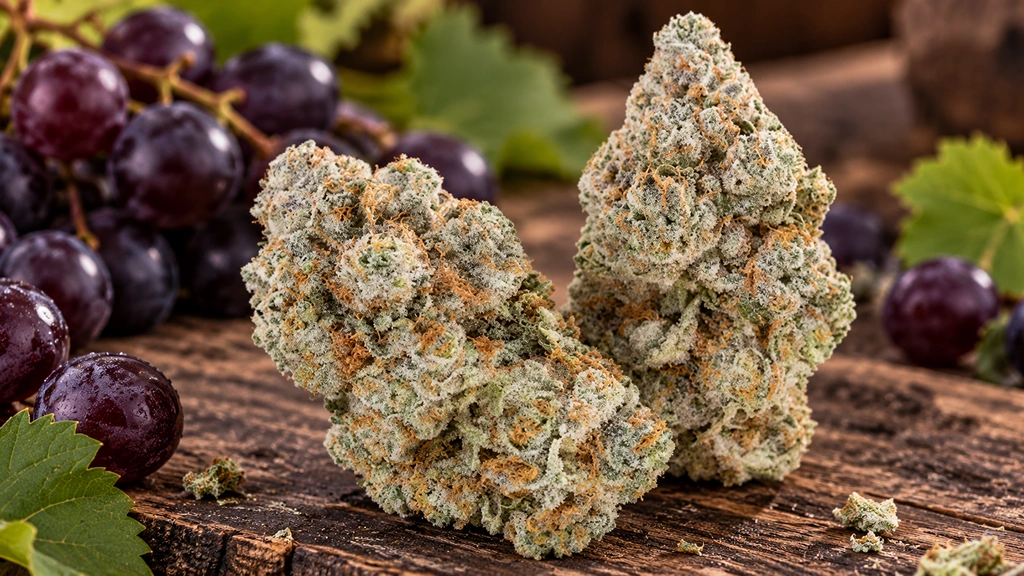
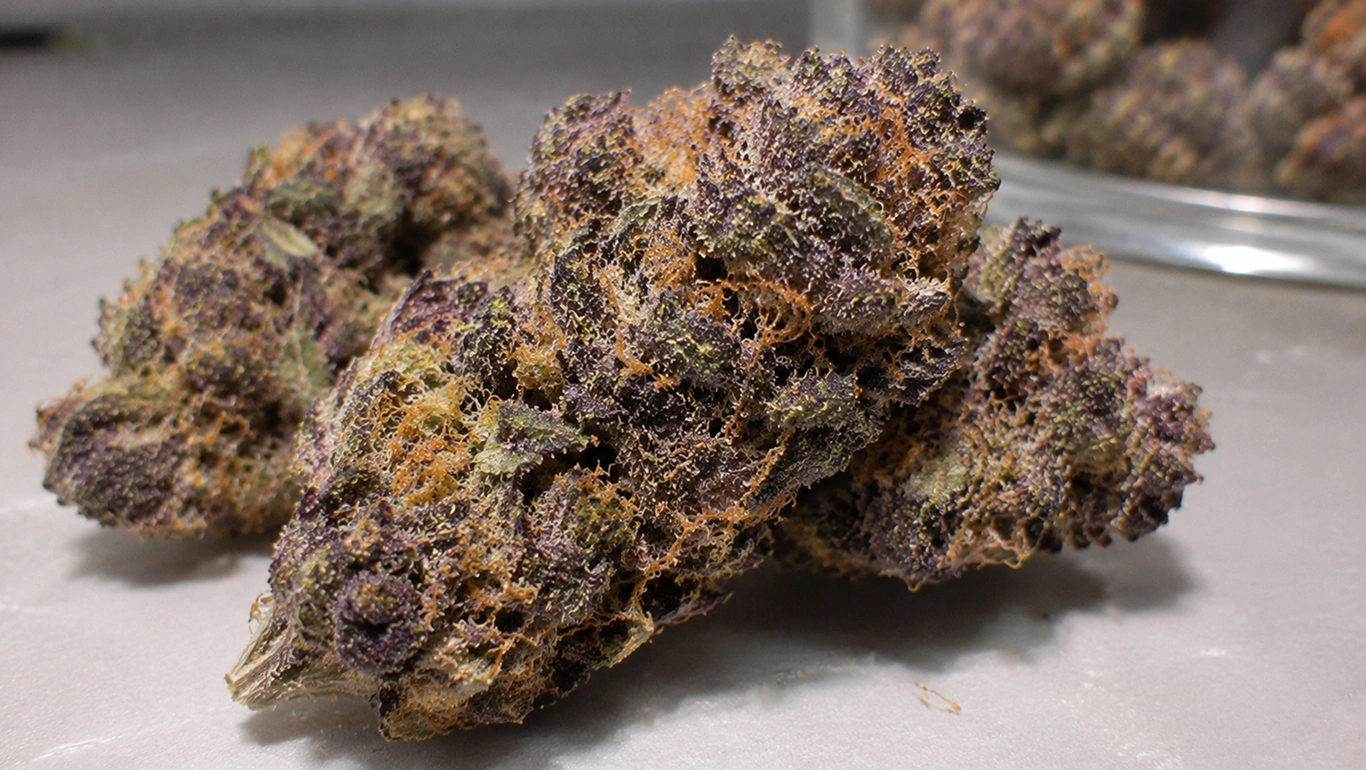
Figures below come from our own COAs and order records across four lots of each cultivar. We update this page when new lots are tested.
Search the Grape Ape weed strain on our site, and you get five grape cultivars, none of them Grape Ape. Other blogs will rank grape strains by flavor and THC percentage. None publish what a pound of bulk THCa flower actually tests at across repeat harvests.
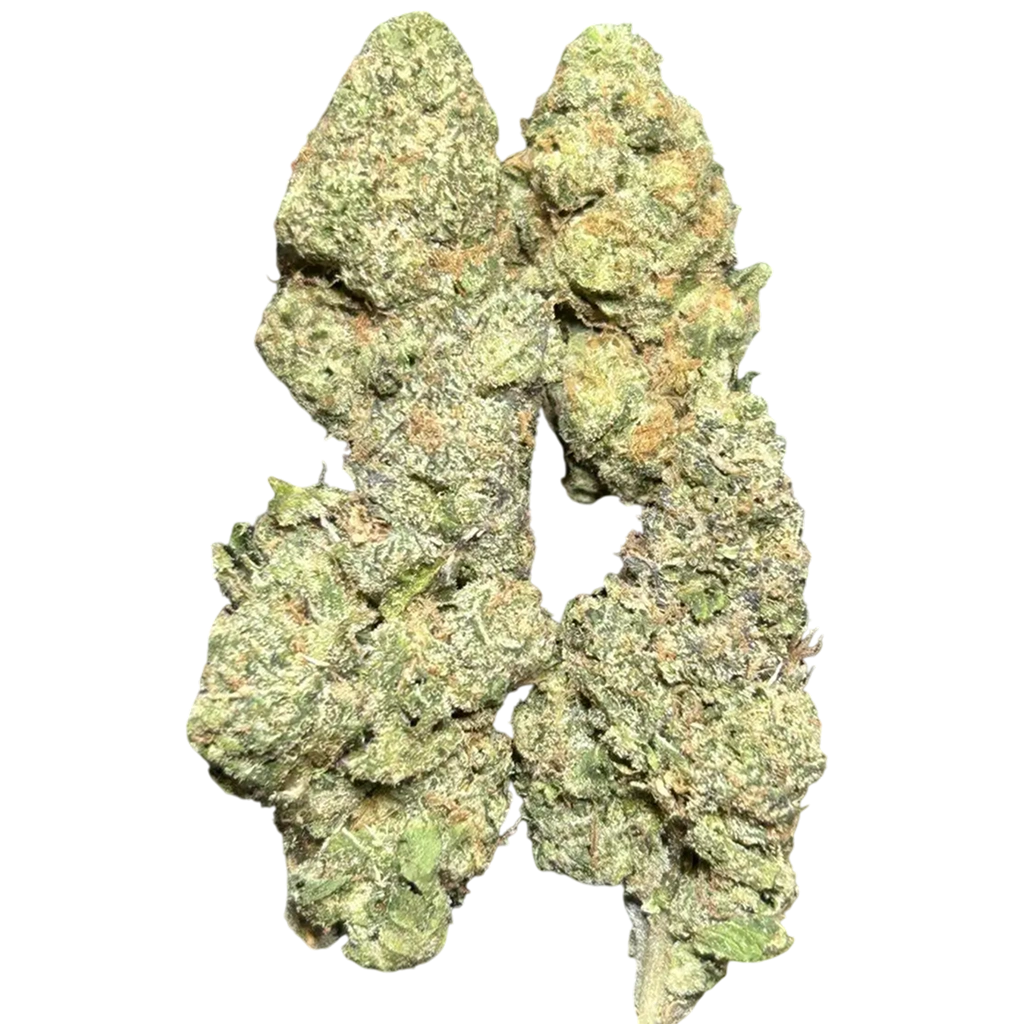
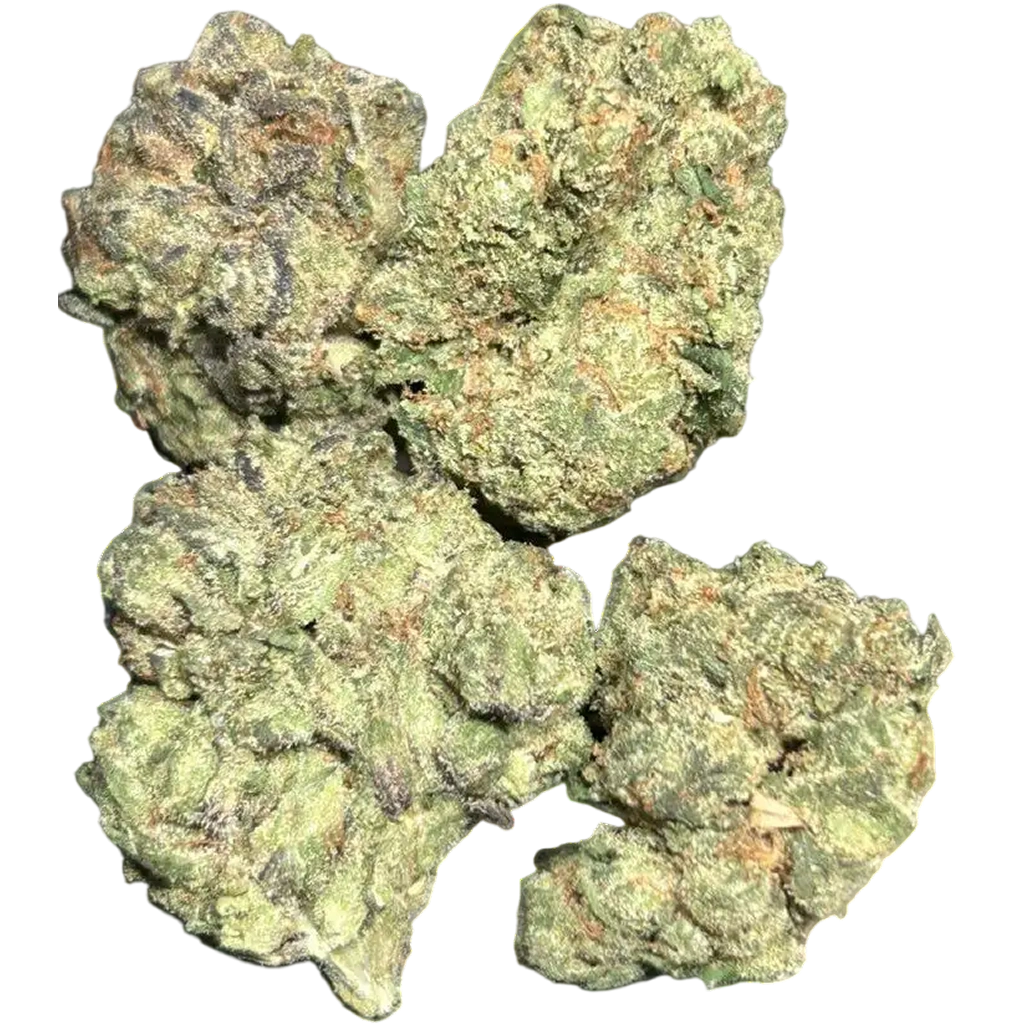
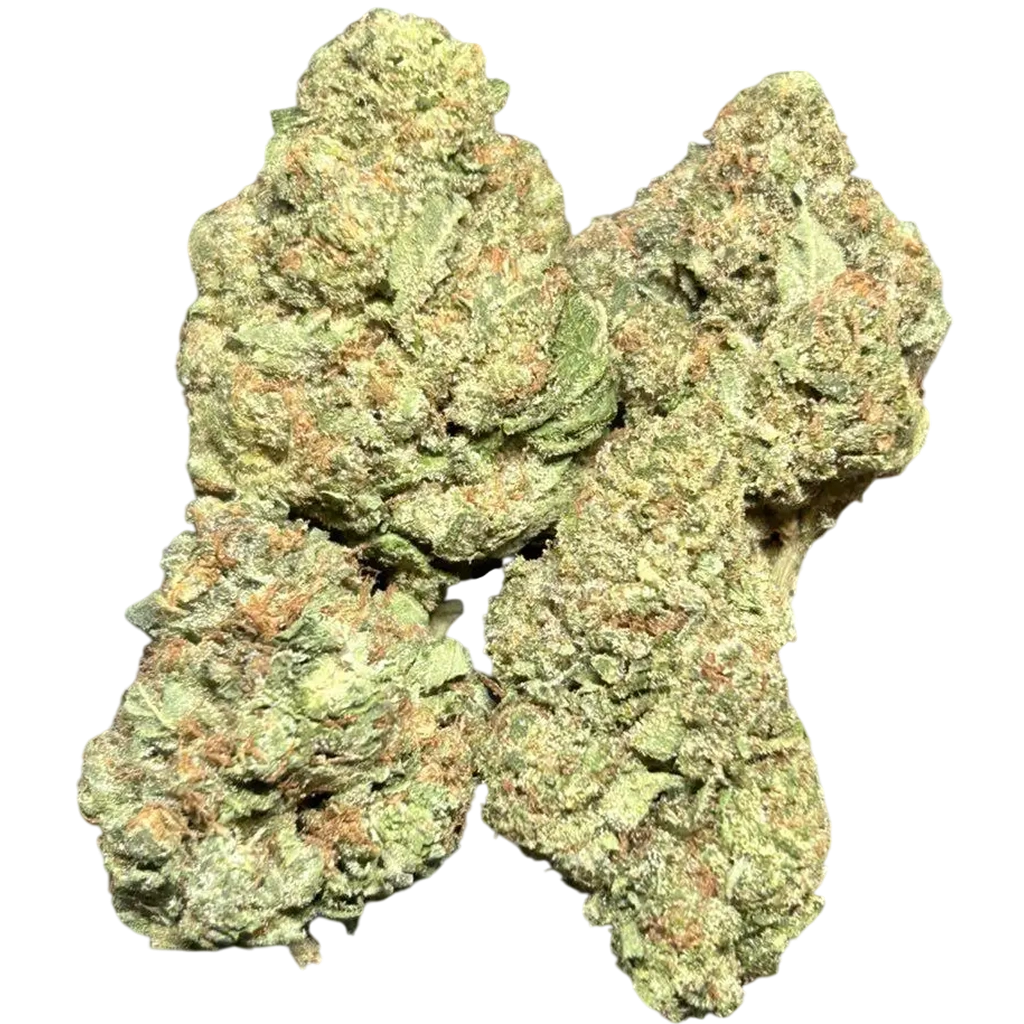
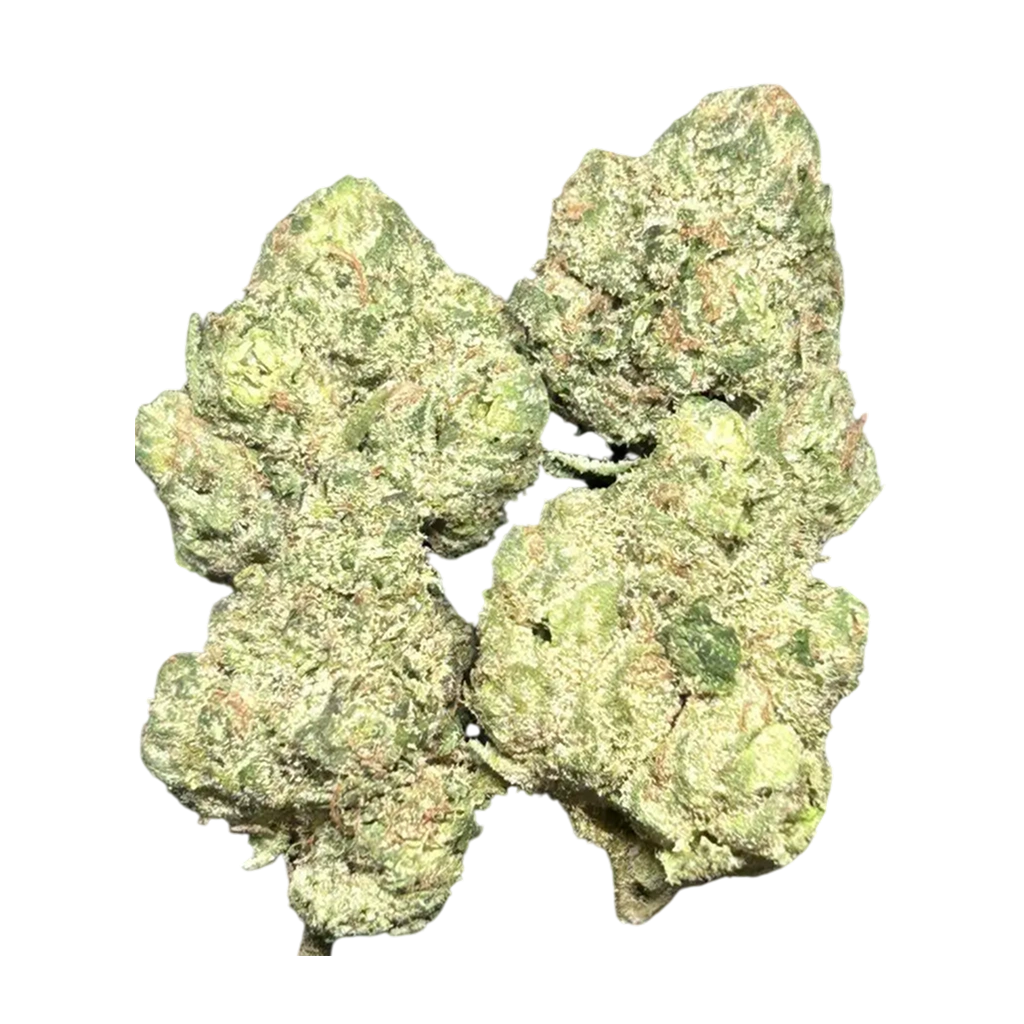
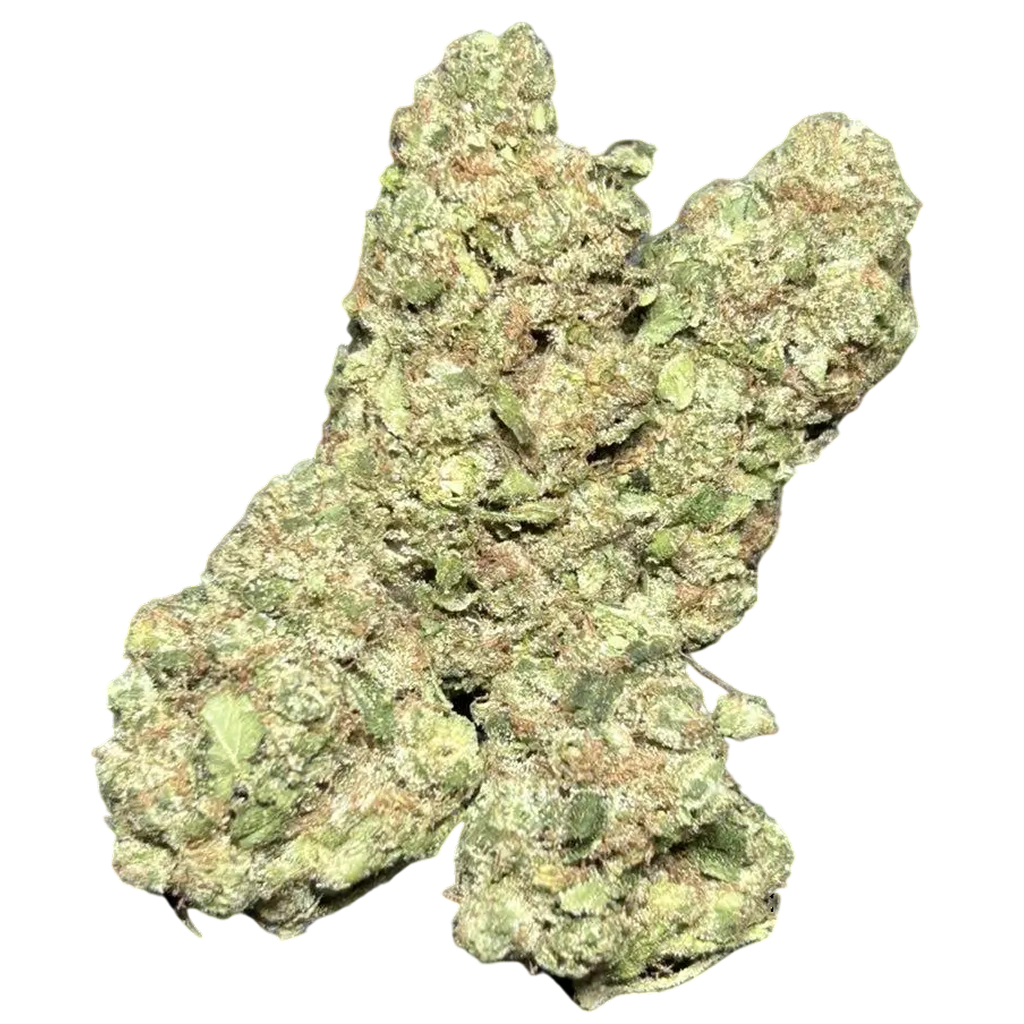
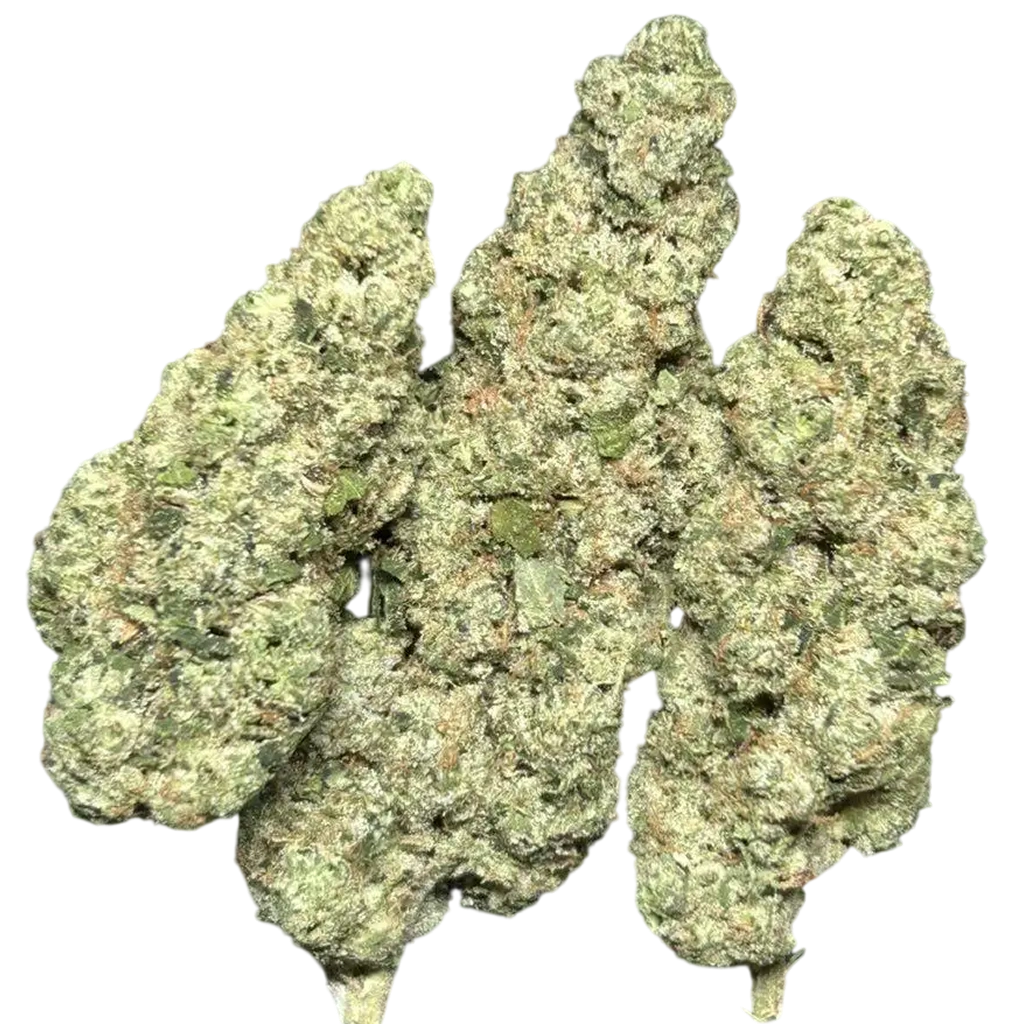
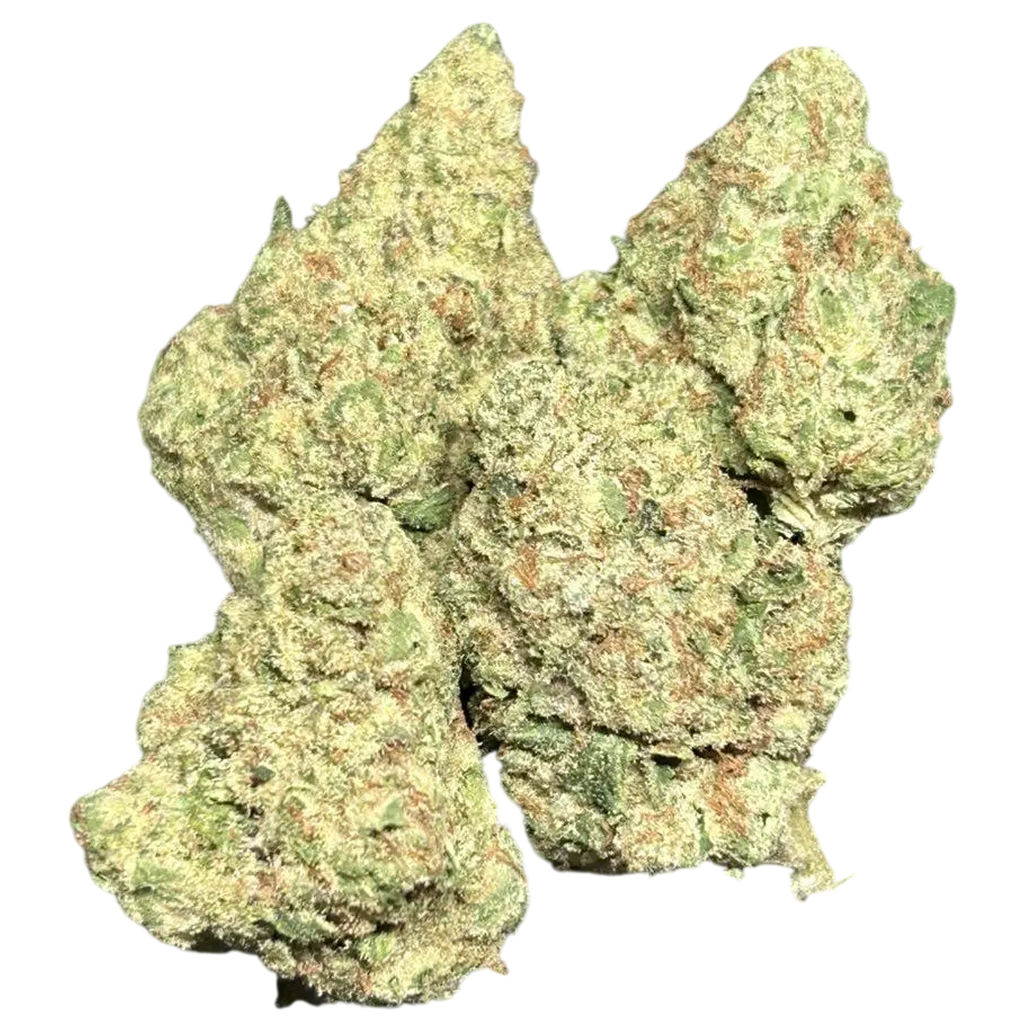
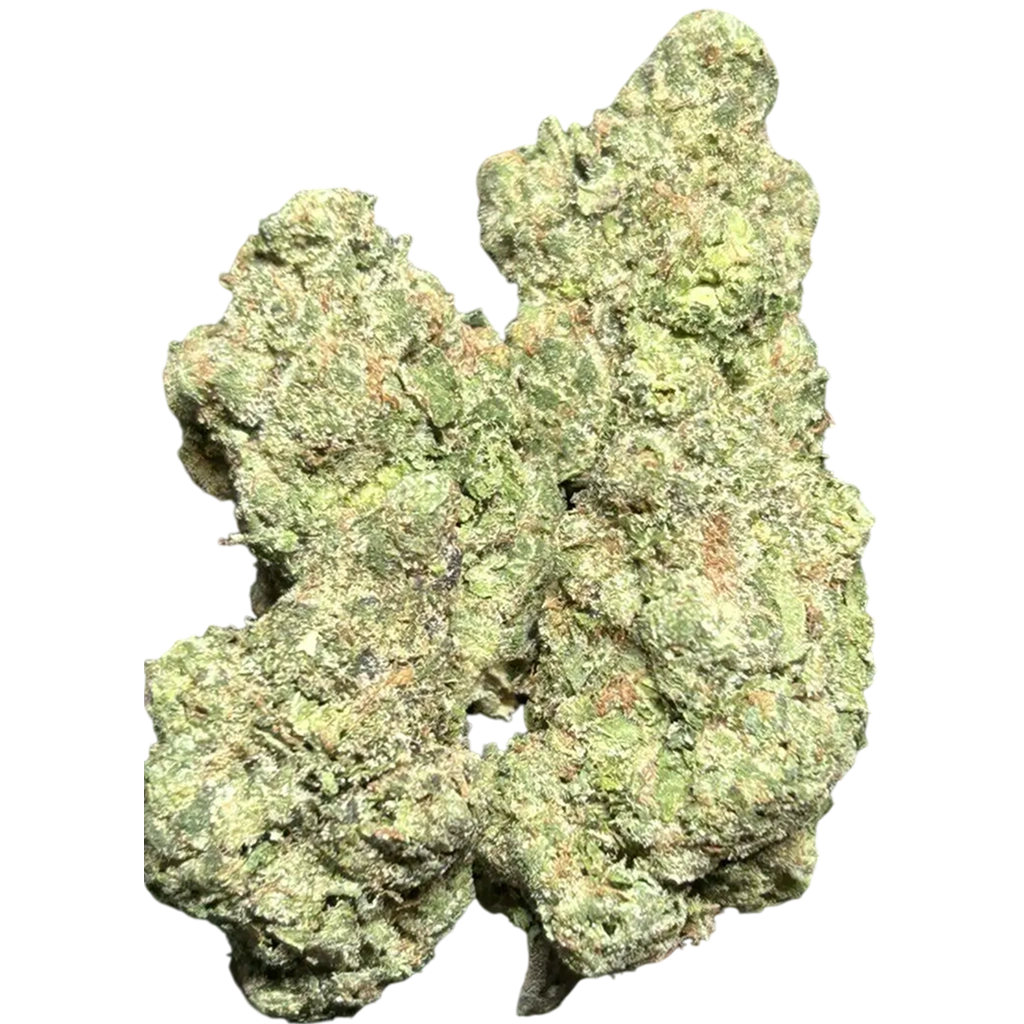
We pulled four lots of each of ours, twenty separate harvests with twenty separate lab reports, and compared tested potency against the ranges on our product pages, what buyers paid, and how often they came back. Three results changed how we think about the category: one cultivar varies ten times less than the rest, price turned out to track reorders rather than potency, and our fastest seller is one of our weakest repeat performers.
Grape Ape is an indica-dominant cultivar from the mid-2000s, crossing Mendocino Purps, Skunk #1, and Afghani. Every strain database carries that paragraph, so here is the part that bears on a purchase order.
The Grape Ape cannabis strain has been seed-propagated for two decades with no registry behind it. Grape Ape strain seeds circulate through dozens of breeders, so what ships under the name is selected for look and smell rather than traced to a plant, which makes it difficult to quote the same way twice.
Of its three parents, the Afghani side is what buyers are usually chasing: the earthy, kush-heavy base beneath the sweetness. Across our five grapes, only Frozen Grapes carries that note. The other four run berry, diesel, or creamy underneath.
That descriptor, not the name, is what separates a grape cultivar that satisfies a Grape Ape request from one that disappoints it. Everything in our strain catalog is listed with the terpene order that drives it.
This is our full grape category with tested results from four consecutive lots, set beside the range published on each product page.
| Cultivar | Lots 1-4 tested THCa | Spread | Typical vs listed ceiling | 1 lb | Days to sell out | 90-day reorder |
| Grape God | 21.2, 32.8, 26.5, 24.1 | 11.6 pts | 26.2% vs 33% | $1,150 | 14 | 38% |
| Grape Candy Runtz | 34.1, 22.5, 31.2, 28.7 | 11.6 pts | 29.1% vs 35% | $1,275 | 12 | 45% |
| Grape Wedding Hash | 20.8, 34.9, 27.3, 22.1 | 14.1 pts | 26.3% vs 35% | $1,300 | 19 | 42% |
| Frozen Grapes | 19.5, 31.2, 24.8, 28.3 | 11.7 pts | 26.0% vs 33% | $1,450 | 26 | 71% |
| Grape Lobster | 28.2, 27.9, 28.5, 29.1 | 1.2 pts | 28.4% vs 30% | $1,600 | 22 | 94% |
Read the trim column against the price and reorder columns. It is the only variable in the table that sorts the catalog the same way both of them do.
Four consecutive Grape Lobster lots came back at 28.2%, 27.9%, 28.5%, and 29.1%. That is a spread of 1.2 percentage points. Every other cultivar we carry spreads between 11.6 and 14.1.
Across these four lots, Grape Lobster’s observed range is roughly ten times narrower than any other cultivar we carry. That is a measure of potency variation, not of overall quality, and four lots is a small sample. Our product page does not reflect it either way. It lists 19 to 30%, an eleven-point range that would be reasonable for the rest of the catalog and badly understates this one.
We are correcting the listing. We are also leaving this paragraph in, because it demonstrates something worth more than the correction: a published range is a commercial hedge, not a measurement. Ours was wrong by nine points in the direction that made the product look worse.
If a supplier gives you a range, ask what their actual lots tested. The two numbers are not the same thing, and neither is obliged to resemble the other. Our dispensary-grade checklist covers the rest of what to request.
Compare each cultivar’s four-lot average against the ceiling on its product page, and a gap appears in all five, within the lots we analyzed.
Measured as listed ceiling minus four-lot average:
Grape Lobster is the exception, which is a second consequence of its consistency rather than a separate finding.
We publish ceilings because the whole market does, and a listing showing a typical figure alongside competitors showing ceilings reads as the weaker product. That is an honest description of an incentive, not a defense of it.
The practical instruction is simple. Treat any published ceiling in this category, ours included, as a best case rather than an expectation, and plan your shelf against the average. Buyers on our wholesale program get lot averages rather than ceilings on request.
We built an earlier version of this page around the observation that our most expensive grape tests lowest. The batch data shows that framing was wrong. Price was never tracking potency.
Line the five up by price and the 90-day reorder rate climbs alongside it:
One pair swaps places. Nothing else moves. Five cultivars is a small set, so read this as a strong association in our catalog rather than a rule about the category.
Grape Lobster costs 39% more per pound than Grape God and is reordered by 94% of buyers against 38%. Measured per point of average THCa, the two are $56.29 and $43.98, so you pay a 28% premium per point for a cultivar that two and a half times as many buyers buy again.
Potency was the wrong axis. In this dataset, price lines up with repeat purchase far better than with strength, which is the number a wholesale buyer is actually trying to predict. Every listing in our product catalog carries the tested range behind it.
Grape Candy Runtz clears our shelf in 12 days, faster than anything else in the category. Its 90-day reorder rate is 45%.
Frozen Grapes takes 26 days, the slowest in the category, and reorders at 71%. Grape Lobster takes 22 days and reorders at 94%.
Our two slowest movers are our two stickiest products, and the gap is not small. Read against velocity alone, Grape Candy Runtz looks like the obvious stock decision and Frozen Grapes looks like dead weight.
One plain explanation is price: Frozen Grapes and Grape Lobster are our two most expensive grapes, and expensive flower moves slower regardless of quality. We cannot separate that from the pattern with five cultivars.
The reading we take is that velocity measures demand at the moment of purchase, and reorder measures satisfaction after it. Hype moves a first pound. It does not move a fourth. We saw the same split on Grape Gas, another cultivar that moves fast on name recognition. If you are choosing between a fast mover and a slow one, ask the supplier for both numbers, because a cultivar that sells out quickly and never gets reordered is a cultivar your customers tried once.
Our two hand-trimmed cultivars, Frozen Grapes and Grape Lobster, reorder at 71% and 94%. The three that are machine-trimmed or hybrid-trimmed reorder at 38%, 42%, and 45%.
That is an average of 82.5% against 41.7%, roughly double, with no overlap between the two groups.
We are not going to claim this proves hand trimming drives repeat purchase. Five cultivars is not a sample, trim method is bound up with grow method and price, and the causal story could run several ways. What we can say is that the split is clean, it matches the price order, and it is the clearest candidate we have for why the premium cultivars hold their buyers.
Hand trimming is also where the cost sits. It is the most labor-intensive step in finishing flower and one plausible contributor to Grape Lobster being the most expensive grape we carry. Machine trim is fast and cheap and shows up in the $1,150 price on Grape God. The same labor gap sets pricing across the rest of our indica strains, not only the grapes.
So the premium is not a margin decision dressed up as quality. It is labor, passed through, on the two cultivars that buyers reorder most.
Matching Grape Ape means matching an earthy base rather than a sweet one, with limonene low in the panel.
We do not stock the Grape Ape strain, and four lots of our own records are more useful to a buyer than another guide to a product we cannot ship.
What those records show: one cultivar varies by 1.2 points across four lots while the other four vary by twelve or more, four of five published ceilings sit between 5.9 and 8.7 points above what typically arrives, and across these five cultivars price lines up with reorder rate far more closely than it lines up with potency.
If Grape Ape was the target, Frozen Grapes matches the profile, and Grape Lobster matches the reliability. Buyers ordering bulk THCa flower pounds from us get the lot results behind either one.
Ask any supplier for lot-level results rather than a published range. We have put ours here so you can start by checking them against our own listings.
TerpSourced is a THCa wholesale distributor supplying smoke shops and distributors nationwide, and we publish lot data because that is what we ask of the farms we buy from.
The sample: four consecutive lots per cultivar, five cultivars, twenty lots in total. THCa figures come from third-party certificates of analysis. Sell-through and reorder figures come from our own order records over a 90-day window.
What this sample can support:
What it cannot support:
Ask us for the lot identifiers and testing dates behind any figure here, and we will send them. Our wholesale FAQ covers minimum order quantities and what ships with each THCa flower pound, including how we handle THCa bulk orders above ten pounds.
We add new lots to this page as they are tested rather than leaving it as a snapshot. Changes are logged below.
Changelog
No. We carry five grape cultivars, and Grape Ape is not among them. Two decades of seed propagation make the name difficult to quote consistently, so we stock cultivars we can source against tested lot results instead.
Grape Lobster, by a wide margin. Four consecutive lots tested 28.2%, 27.9%, 28.5%, and 29.1%, a spread of 1.2 points. Our other four cultivars spread between 11.6 and 14.1 points across the same number of lots.
Indica, near 90%, and the Grape Ape strain effects that follow are body-weighted and evening-leaning. For a wholesale decision, the label predicts little on its own: four of our five grapes carry Hybrid and Indica tags at once, and their lot results differ by up to fourteen points.
Because price in our catalog tracks reorder rate rather than potency. Grape Lobster at $1,600 averages 28.4% but is reordered by 94% of buyers, against 38% for our cheapest cultivar at $1,150.
In our catalog, between 1.6 and 8.7 percentage points above the four-lot average. Grape Wedding Hash is listed at up to 35% and averaged 26.3%. Treat any ceiling in this category, including ours, as a best case.
Grape Candy Runtz, at 12 days average to sell out. It also reorders at only 45%. Our slowest mover, Frozen Grapes at 26 days, reorders at 71%, so velocity and repeat purchase run opposite in our data.
No. It combines Grape Ape with Grape Soda, two unrelated varieties. We receive the combined name in inbound requests regularly. Describe the lot results and effect direction you want, and we will match it from stock.
In our data, hand-trimmed cultivars reorder at 71% and 94%, and machine or hybrid at 38% to 45%. Five cultivars cannot establish causation, and trim is bundled with grow method and price. Treat it as a contributor worth testing, not a proven cause.
Lot-level COA results from the last three or four runs, not a published range. Ask for reorder rate and average days to sell out as well. A supplier who tracks their own catalog can answer all three without checking.