Type “how to make dabs” into Google, and most of the traffic you’ll pull in is curious, not commercial. That’s fine – but if you’re stocking concentrate, the process matters to you for a completely different reason. Knowing how a dab actually gets made is what lets you stand behind what’s on your shelf instead of just repeating whatever the price sheet says.
This guide covers both sides: the real process, and what it means when you’re placing a wholesale concentrate order rather than pulling out a torch yourself.
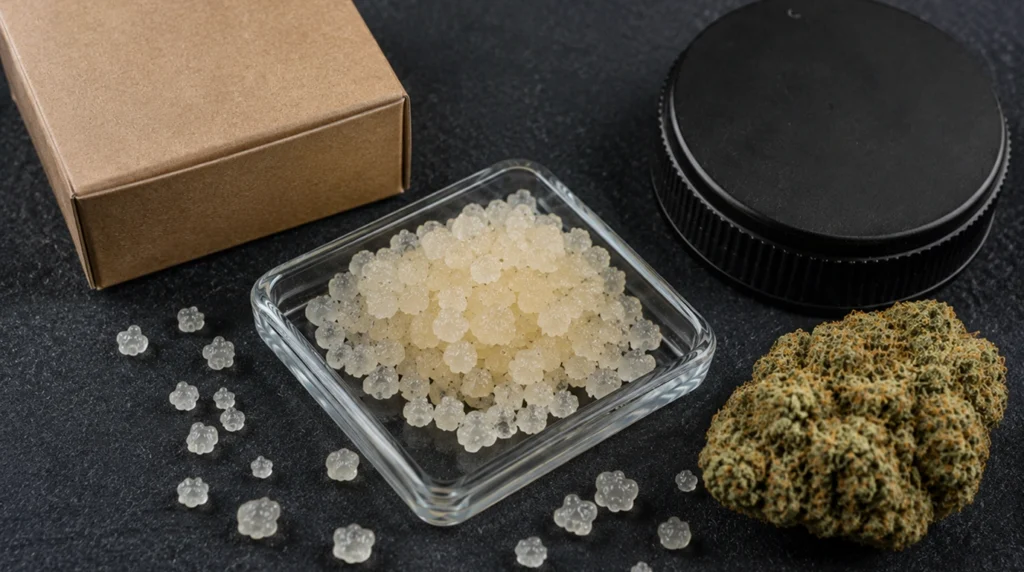
Dabs are cannabinoids pulled out of cannabis flower and concentrated down, then vaporized in small amounts on a heated surface. There’s a lot of range packed into that one word – different textures, different extraction methods, but the same basic idea every time: strip away the plant material and what’s left hits a lot harder than flower does.
For a retailer, “dabs” really isn’t a single product. It’s several, each with its own production cost, shelf life, and customer who’s actually asking for it. New wholesale buyers tend to lump concentrate together as one line item, and that’s usually a mistake. Split your concentrates offering into real texture and price tiers – the way you’d already be organizing THCA flower by strain – and you’ll sell more of it with fewer confused customers at checkout.
Most people making dabs at home are pressing rosin. No butane, no alcohol, nothing that’s going to catch fire – just heat and pressure. Even if you never touch a press yourself, it’s worth understanding, since it’s the same starting point a lot of small producers use before they scale up to real equipment.
Here’s roughly how it goes:
Solvent-based methods are a different story. They work, but butane and alcohol are flammable or toxic enough that this part really should stay with licensed facilities, which is exactly why most retailers just buy finished concentrate instead of trying to run their own extraction.
At commercial scale, the goal is the same as rosin pressing – separate cannabinoids and terpenes from the plant – just done with a solvent or industrial-grade pressure equipment instead of a hair straightener. The method a producer picks shapes the texture, purity, and price of what comes out the other end, so it’s a fair first question to ask any supplier before you buy.
| Extraction Method | How It Works | Common Products | Typical Price Position |
| Solvent-based | Butane or CO2 strips resin from plant material, and then the solvent is purged off | Shatter, budder, live resin | Moderate to premium |
| Solventless | Heat, pressure, or ice water mechanically separates resin without chemicals | Rosin, bubble hash | Premium |
| Diamond mining | THCA is isolated into crystalline structures, often with terpene sauce | Diamonds, sauce | Highest tier |
If a supplier can’t tell you plainly which method produced a given batch, take that as a warning sign.
“Shake” is the loose trim, small buds, and broken bits left behind once the good-looking buds get trimmed and packaged. On its own, it’s not worth much, but it’s a cheap, common feedstock for concentrate, which is part of why concentrate made from shake can still be a solid margin play when it’s handled right. Producers sort and screen out the stems first, then run it through solvent or solventless extraction, the same as they would whole flower, though yield and terpene retention usually come in a bit lower given how broken down the starting material already is. From there, it’s purged under vacuum, sometimes for a couple of days, before getting graded and packaged.
None of that makes shake-derived concentrate inherently worse – but it can be, if whoever’s extracting it rushes the purge or sources sloppy shake to begin with. That’s the kind of thing a batch-specific COA should catch, not something you just take on faith.
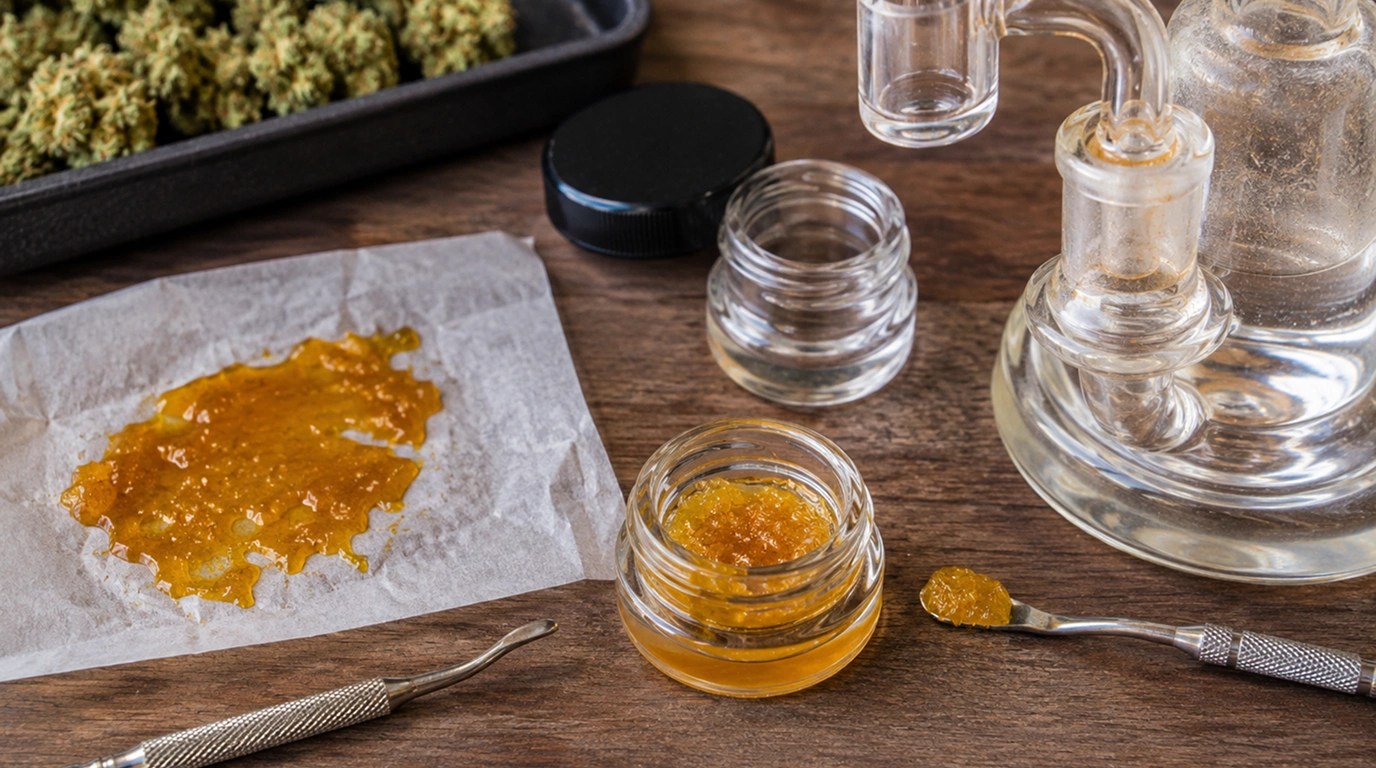
“Wax” gets thrown around as a catch-all term, but it’s really just one texture inside the bigger concentrate category. Knowing the difference between textures keeps you from over-promising to customers or mispricing your own inventory.
Different textures pull different customers at different margins, so a serious concentrate lineup shouldn’t lean on just one.
You can’t smoke wax the way you’d smoke flower, and that one fact ends up driving a whole shelf of accessories most stores keep right next to the concentrate itself. Here’s the thing – if your staff can walk a nervous first-timer through the basics at the counter, that person usually comes back. If they can’t, that person probably doesn’t.
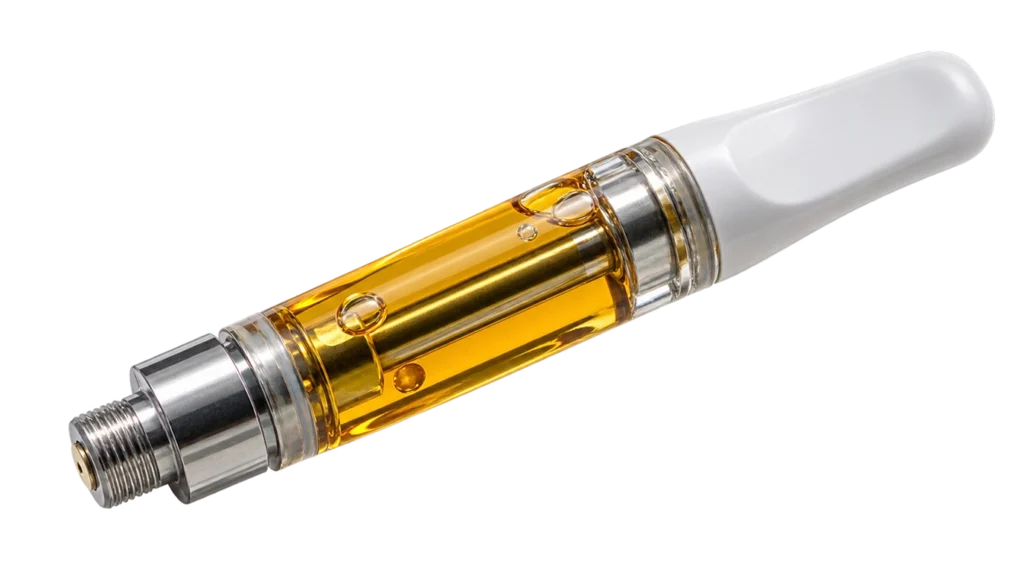
The classic setup is a dab rig: a water pipe fitted with a nail, usually quartz, titanium, or ceramic, that gets torched hot before the concentrate touches it. It works, but there’s a learning curve, and torches make some people nervous. E-nails fix that – no open flame, just a steady, dialed-in temperature, which is a big reason they’ve caught on with people who’d otherwise never try dabbing. Then there’s the simplest route: a vape pen made for wax or live resin. No torch, no nail, no guesswork. Just the effect, minus everything that used to scare people off.
Carry vaporizers or disposables already? This is a conversation your staff should be having anyway – it’s an easy add-on sale sitting right there.
Here’s where the retailer’s job actually splits from the consumer’s. A customer just wants to know how to use it. You need to know whether it’s something you’re comfortable putting your name on – which means checking the supplier’s process before it ever reaches your shelf.
Before you commit to a concentrate supplier, ask for:
Five minutes spent checking a supplier’s compliance documentation up front saves a lot more than five minutes down the road.
TerpSourced ships bulk THCA concentrate – wax, live resin, diamonds – to smoke shops, distributors, and brands building out their own concentrate line. Every batch comes with third-party lab verification, so you’re not just taking someone’s word for potency or purity. The practical side holds up too: MOQs are flexible enough to test a new category or simply restock, and pricing that gets better as your order size grows. If you’re building a line under your own name rather than reselling as-is, white-label is on the table. And a lot of retailers don’t stop at concentrate – they’ll pair the order with THCA flower, pre-rolls, or edibles to round it out in one shipment.
The full concentrate lineup is on the concentrates page, and current strain options are broken out by category on the strains page.
Short answer: yes, if it’s hemp-derived and stays under 0.3% Delta-9 THC by dry weight – that’s the Farm Bill line. Longer answer: your state might layer its own rules on top, so don’t treat federal legality as the whole picture before you sign a PO.
Mostly texture. Shatter’s the brittle, glass-like one. Wax and budder are softer and easier to handle. Same batch can sometimes end up as either, depending on how it’s agitated during the purge – it’s not really a “better one” situation.
A year if you’re lucky and storing it right – cool, dark, sealed tight. Heat and light are the real enemies, not time itself. Leave it on a sunny shelf, and the terpenes fade in weeks, not months.
Yes, and not just for compliance’s sake. A COA from three batches ago doesn’t tell you what’s actually in the jar you’re selling today – extraction runs vary batch to batch, even from the same supplier.
Usually, it’s made from fresh-frozen plant instead of dried, cured flower, and that extra step adds cost before purity or potency even enters the picture. Expect the gap to show up on both your invoice and your shelf tag.
Rigs, torches, e-nails, concentrate-rated vape pens – basically anything that gets the wax from jar to lungs. First-time buyers usually need the gear explained anyway, so having it right there saves them a second trip.
No magic number here – it really comes down to what your supplier allows. Look for one with flexible minimums so you can test a strain small before betting real inventory dollars on something that might not move.
Rosin pressing, sure – it’s just heat and a hair straightener, nothing dangerous involved. Solvent extraction is where people get hurt. Butane’s flammable, some solvents are toxic if mishandled, and that part genuinely belongs in a licensed lab, not a kitchen.
They’ll dodge specifics. Ask which extraction method they used and watch for a vague non-answer. The same goes for COAs – if getting one out of them feels like pulling teeth, that tells you everything you need to know.