If you are selling wholesale thca or considering it for purchase as an alternative to THC flower, then you need to know more about thca flower vs thc flower – not only for knowledge sake but because it is related to legality issues, labeling issues, and profitability issues.
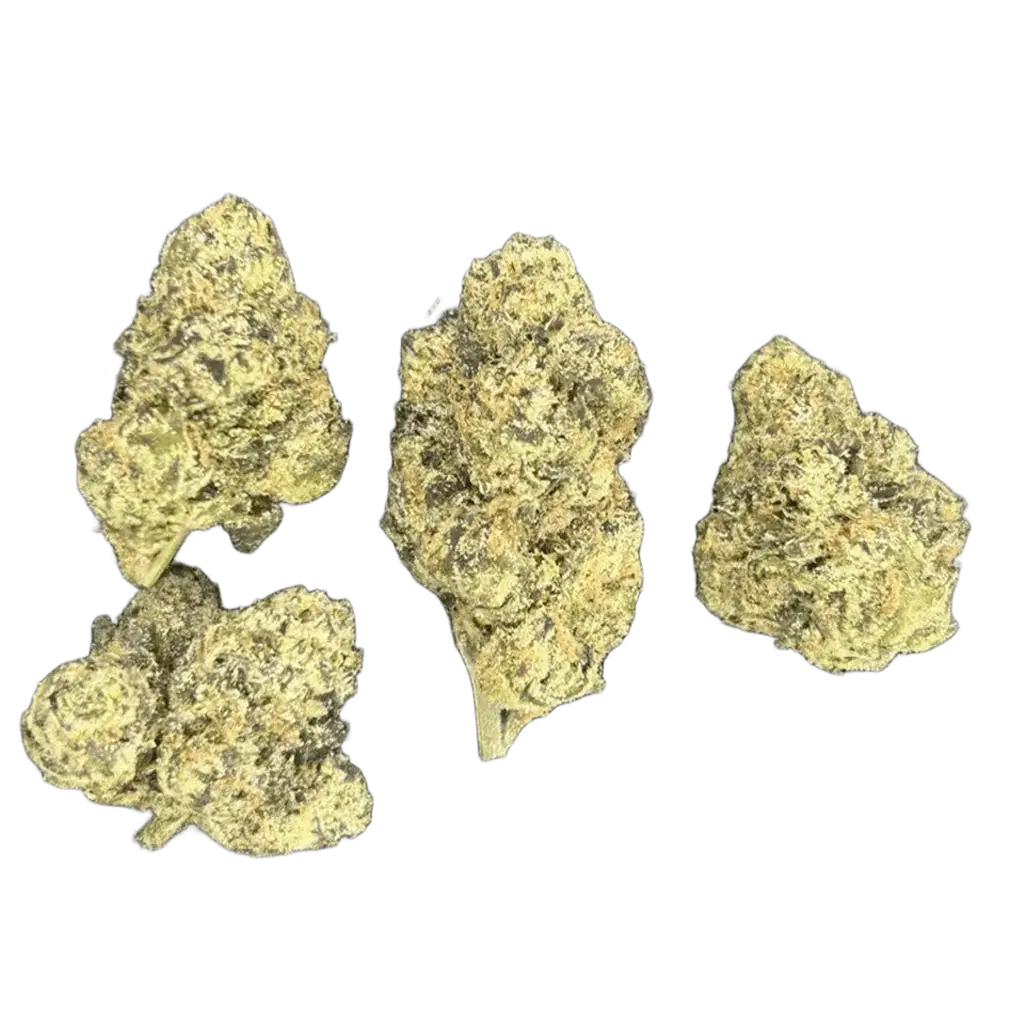
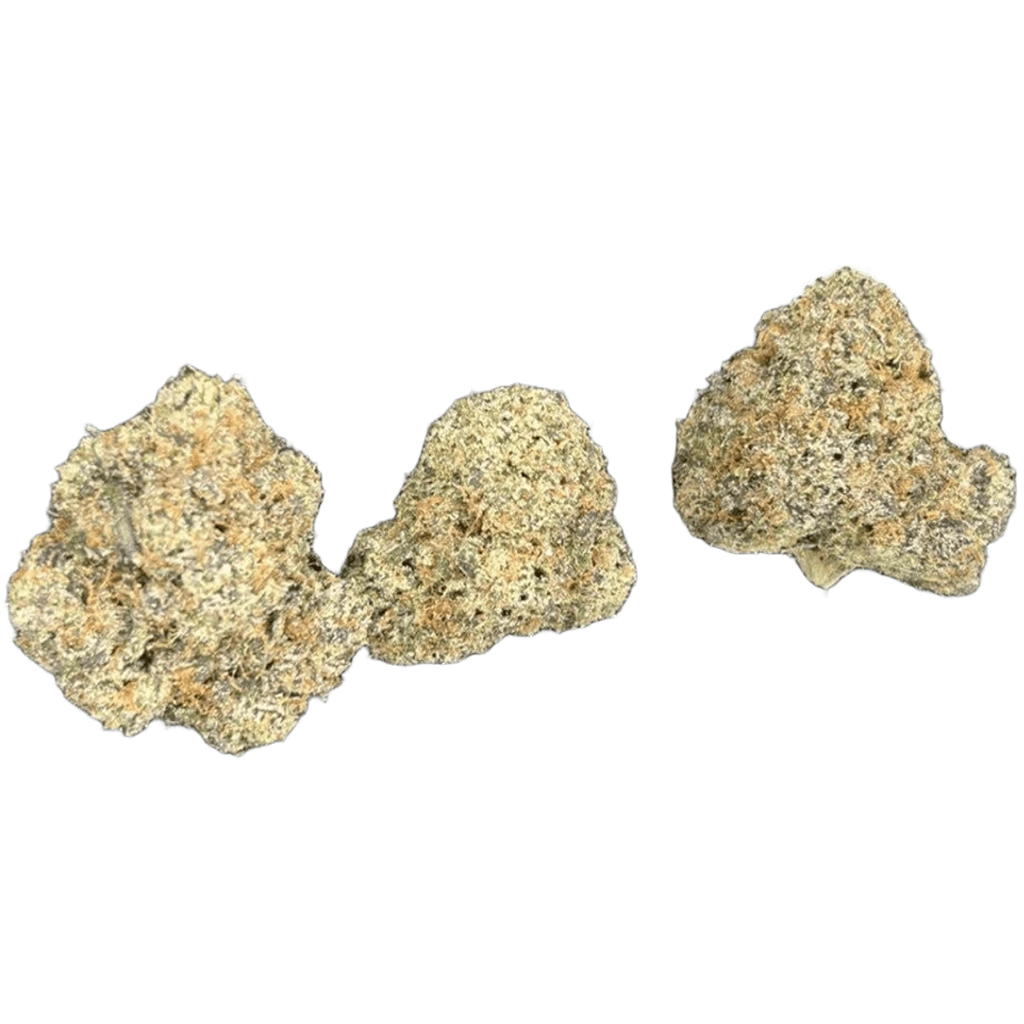
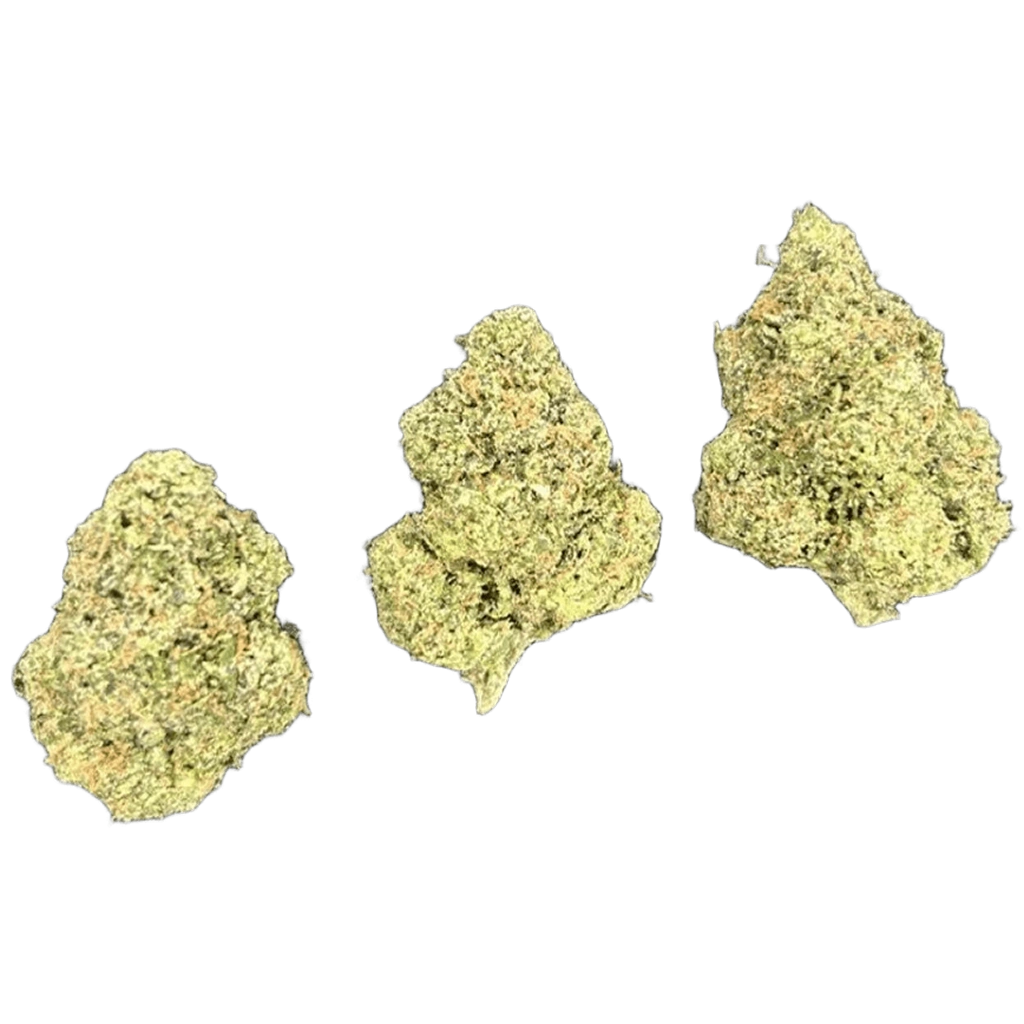
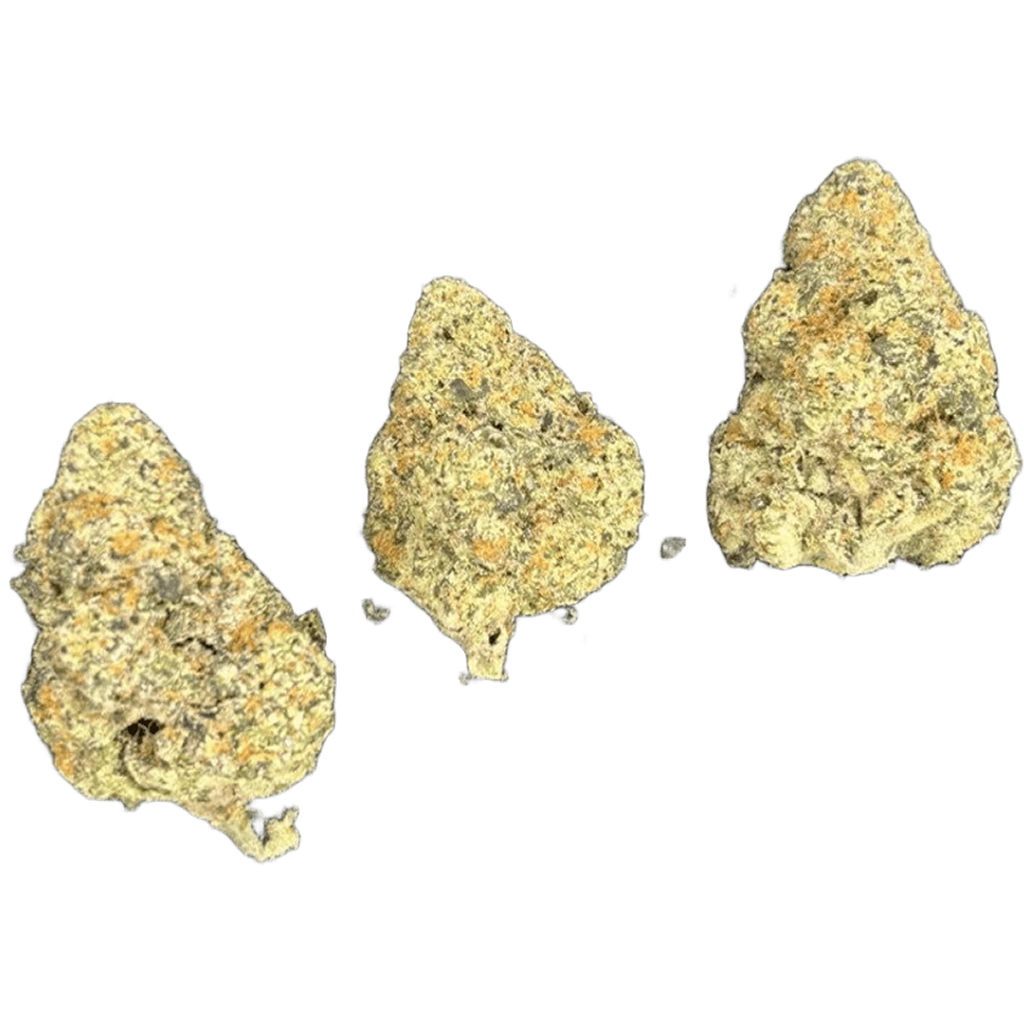
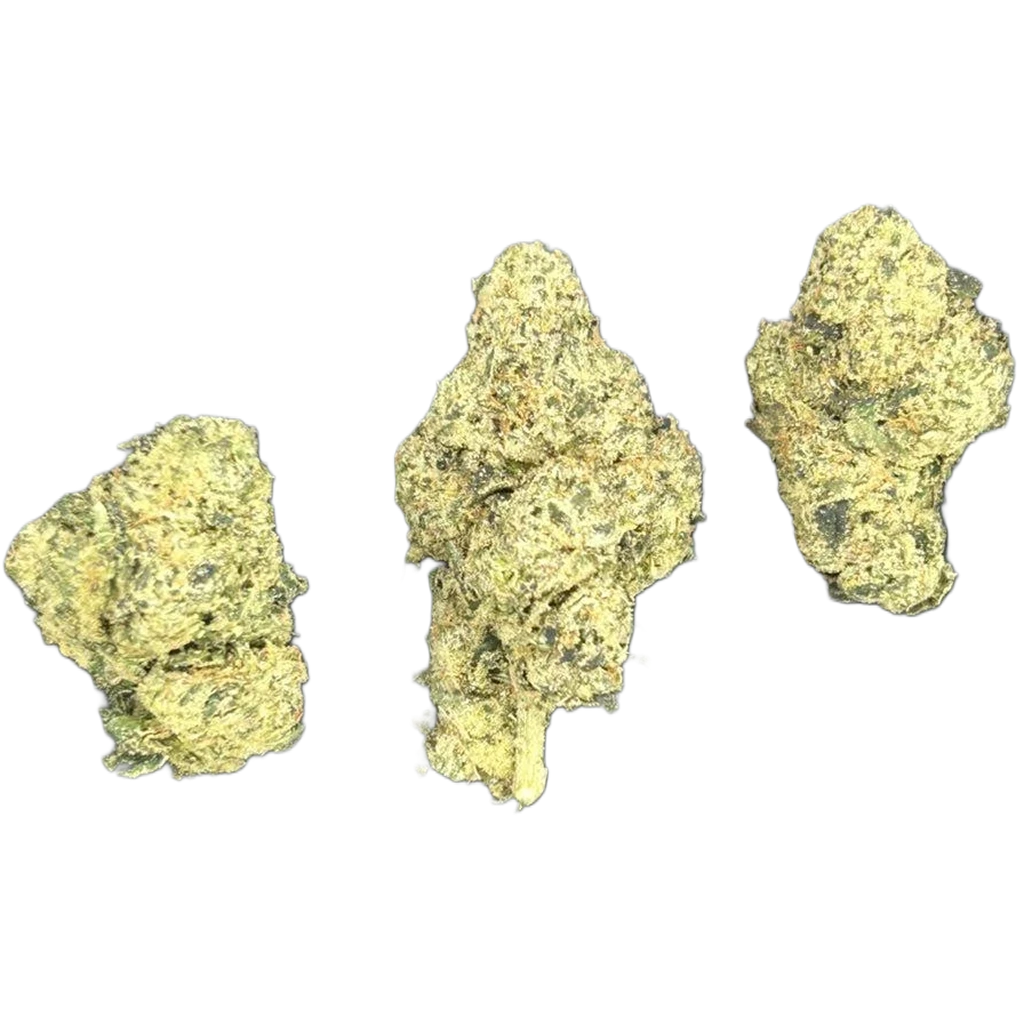
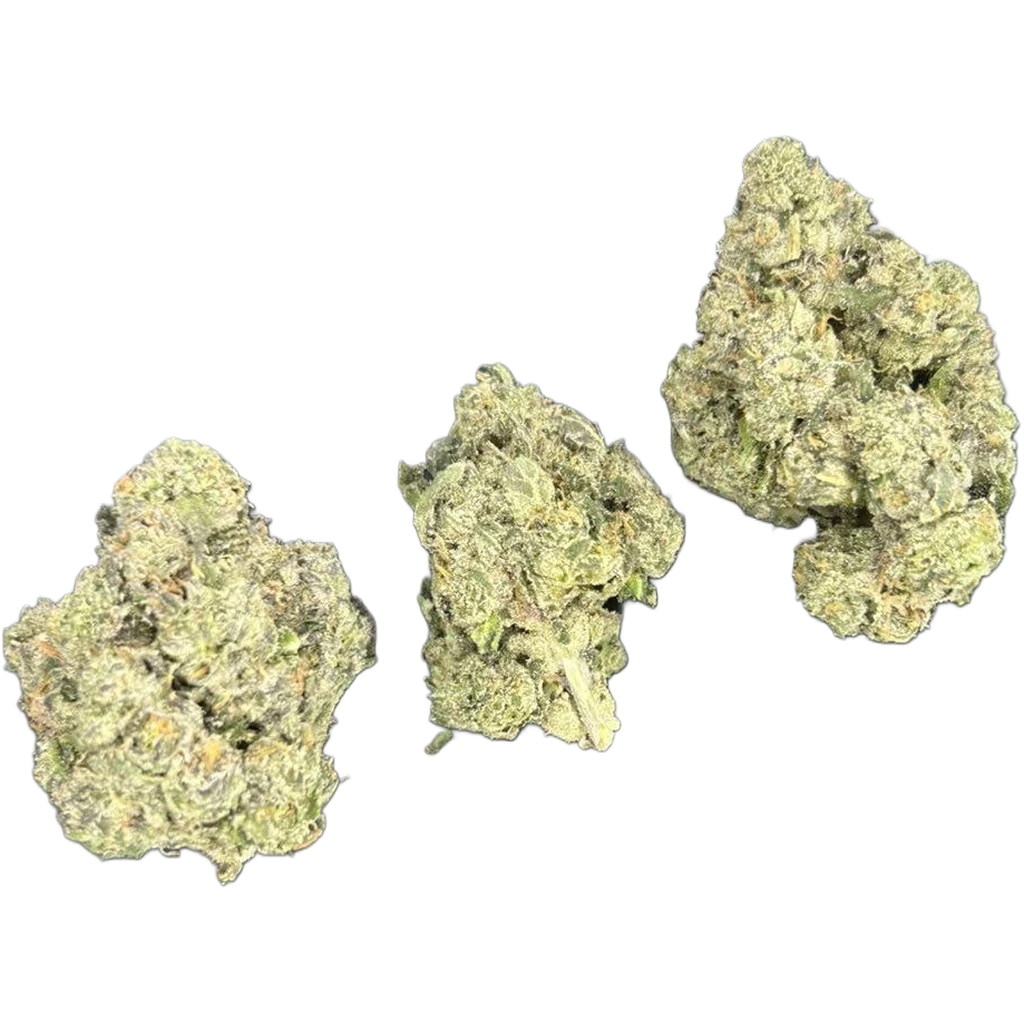
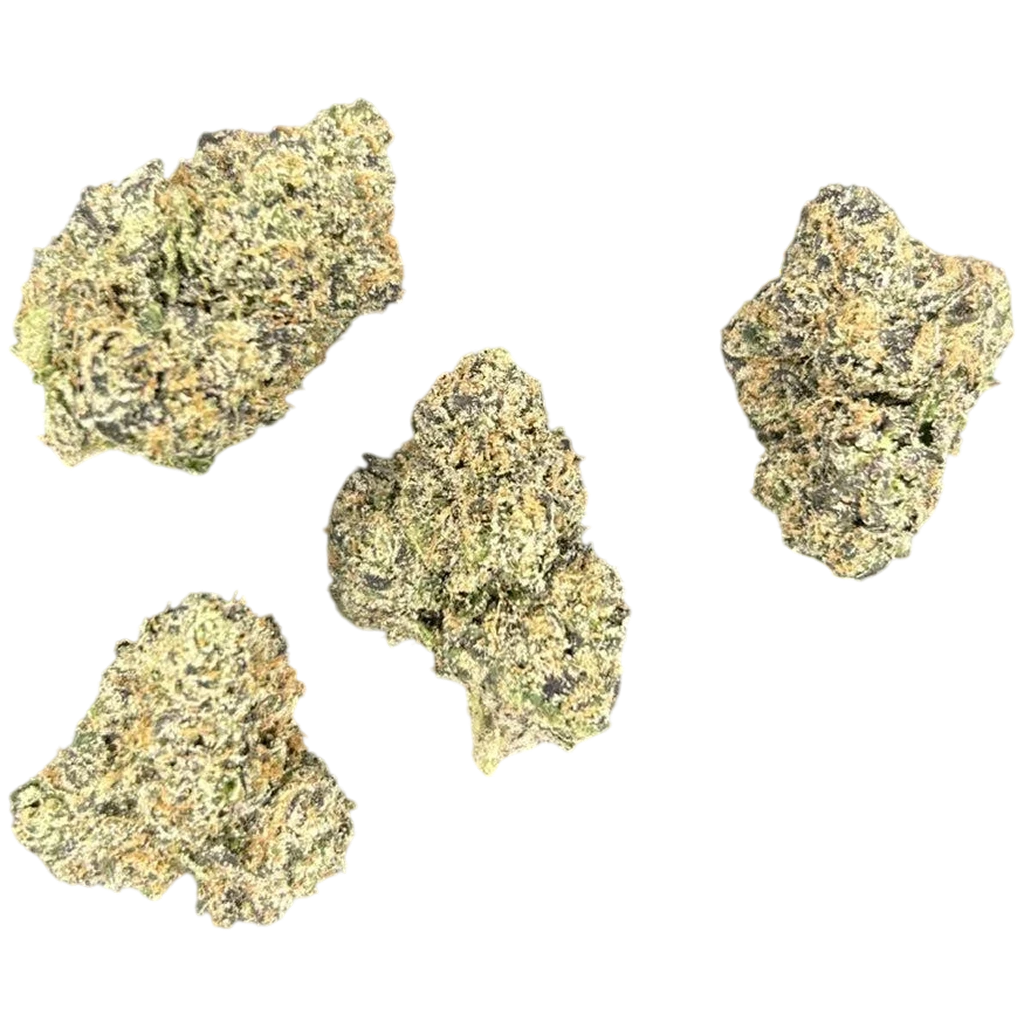
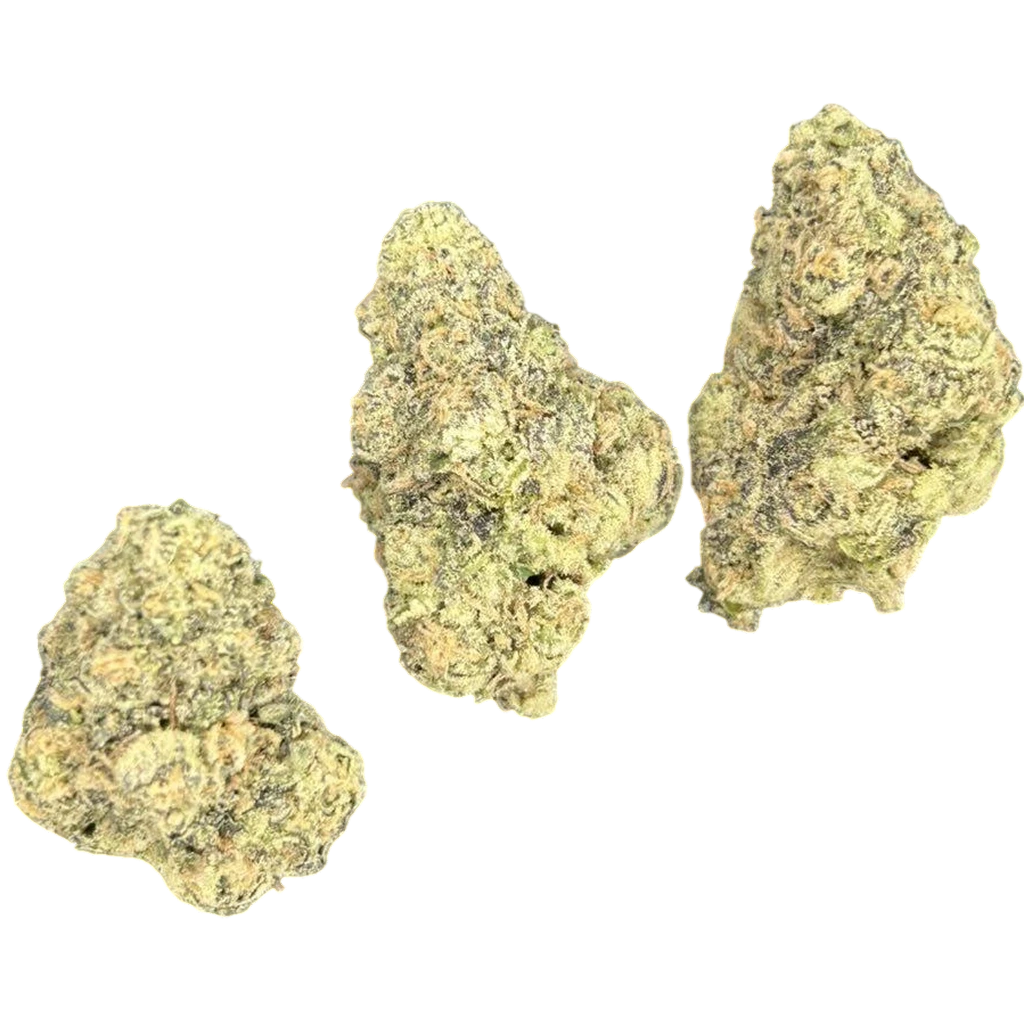
THCA flower and THC flower both come from the same cannabis plant, but are governed by entirely different rules and regulations, and prices. Having knowledge of thc vs thca in flower will help wholesalers make informed decisions on purchasing and legal considerations.
THCA Flower is raw cannabis flower high in tetrahydrocannabinolic acid (THCA), the non-psychoactive substance that occurs naturally in unheated cannabis plants. As it is not subjected to any heating process, it does not induce any heat.
Scientifically, THCA is a precursor to THC. While the plant develops, the CBGA changes into THCA along with other cannabinoid acids. THCA will remain in this raw and acidic form until it undergoes some heating processes, such as smoking, vaporizing, dapping, and baking, and then transforms into Delta-9 THC, which is the psychoactive component in the cannabis plant.
The THCA flowers that are available for sale to wholesalers today have cannabis which has been grown to be under the 0.3% of Delta-9 THC in dry weight, which is why it is legally allowed under the 2018 Farm Bill, despite having THCA content that rivals the traditional cannabis flower at 20% and more and sometimes up to 30%, which is the popular category that has taken flower sales to new heights since the passing of the bill.
THC flower is any cannabis flower that is already activated for Delta-9 THC, causing it to produce immediate psychoactive results without having to heat it up through vaping, smoking, baking, or other consumption methods.
The flower comes from cannabis plants that have been grown and sold in state-regulated marijuana markets rather than from the supply chain made compliant with the Farm Bill. The cannabis plants in question are grown, tested, packaged, and traceable as part of that state’s cannabis program.
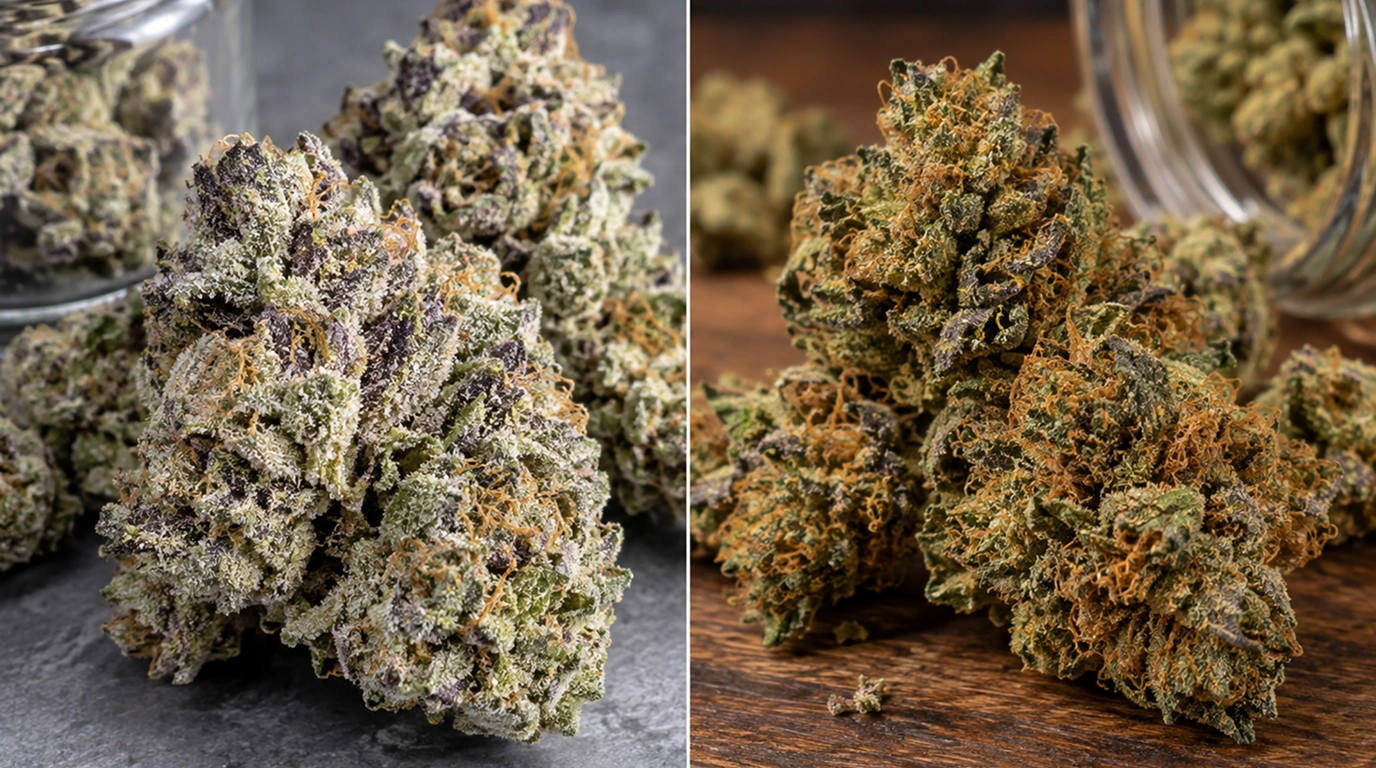
Since it surpasses the 0.3% Delta-9 THC limit, THC flower is a controlled substance on the federal level, despite its being recreationally or medically legal within some states. As such, this product is not allowed to be shipped through common channels, including smoke shops, gas stations, e-commerce websites, and others. In other words, THCA flower and THC flower are identical in looks and smell as well as potency, but only one of them can be lawfully bought, sold, and shipped within the existing wholesale business model.
The THCA flower and THC flower are commonly mistaken for one another, since they may be sourced from the same plants and can appear very similar in packaging. Let’s have a look at what sets these two apart from one another right from the start.
| Aspect | THCA Flower | THC Flower |
| Active compound | THCA – non-psychoactive until heated | Delta-9 THC – already active |
| Psychoactive on its own | No | Yes |
| Legal source | Farm Bill-compliant cannabis, ≤0.3% Delta-9 THC by dry weight | Licensed cannabis exceeds 0.3% Delta-9 THC |
| Federal status | Legal under the 2018 Farm Bill | Controlled substance |
| Where it can be sold | Smoke shops, online stores, and general wholesale | Licensed dispensaries only |
| Licensing required | None (general retail) | State cannabis license |
| Ships across state lines | Yes, in most states | No |
| Typical potency range | 15-40% THCA | 15-30% Total THC (post-decarboxylation) |
Once heated, that gap in effects mostly disappears – the real difference between the two lies in the supply chain and paperwork behind each jar, not the experience once it’s smoked or vaped, whether you’re sourcing bulk THCA flower or a single jar.
Heat initiates decarboxylation, which is the chemical process of converting THCA to Delta-9 THC through the removal of a carboxyl group from its molecular structure.
It takes place immediately after THCA flower is smoked, vaped, dabbed, or baked. Once the process takes place, the flower acts like traditional THC flower regardless of how it was labeled or sold. This is the basis of the THCA vs THC flower comparison, where THCA represents the “before” while THC is the “after” and the heat is the link between them.
Labs use an equation to measure the actual potency when subjected to heat rather than measuring either of the two substances separately.
Total THC is the important number for wholesalers buying flower, vape, and any other heatable products. Depending solely on the Delta-9 THC on the label creates a wrong idea of what a consumer will experience.
The potencies become almost indistinguishable after heating them both because the active ingredient that reaches the body is basically the same Delta-9 THC, no matter what.
Putting the conversion formula into practice and applying it to some concrete figures will help you better understand how it works.
That’s why it is absolutely wrong to compare cannabis products based on their labels without taking conversions into account. A jar with a “30% THCA” label and a jar with a “26% THC” label may well refer to the same experience, as dispensary flower is mostly too potent before smoking. The common mistake of retail businesses is the comparison of THCA and Delta-9 THC without any conversion.
Most top-quality THCA flower tests in at between 15% and 30%, with 20-28% being a reliable range for consistent performance and consumer demand.
Standard wholesale offerings will usually divide up the THCA percentage into several useful tiers based on what kind of customer the offering is meant for.
THCA percentage isn’t the only criterion that matters – terpenes, cure, and trichome count will impact the smoking experience as much as the actual number on the COA. As a point of comparison, most standard dispensary flower products come in at around a 15-25% Total THC range, while federal guidelines limit Delta-9 THC content at 0.3% by dry weight, no matter how high the THCA percentage goes. Never rely solely on THCA percentage, but check for COA information specifically for your batch when browsing our strain selection.
No, the process is almost the same; the only thing that varies is the level at which the final product tests. Both the THCA flower and the dispensary THC flower are cultivated from cannabis plants through similar methods, such as indoor and greenhouse cultivation, harvesting and trimming either manually or mechanically, and drying the crop in controlled humidity with slow curing for terpenes and trichomes retention.
The legal distinction between the two flowers does not lie in how they are cultivated but in the amount of Delta-9 THC present at testing. Since THCA is not included in the 0.3% limit set forth by the Farm Bill legislation, our growers can choose cultivars and cultivate them under conditions that increase THCA while lowering the amount of Delta-9 THC, without affecting the quality of the flower. The premium THCA flower produced like that will be hardly distinguishable from dispensary cannabis. Wholesale consumers should look for the quality of cultivation, rather than THC or THCA content in flower.
This becomes critical due to the risks that exist for retailers and distributors that do not apply to consumers.
If one makes mistakes in distinguishing between these types of cannabis, one could encounter various issues that go far beyond just selling something.
Since the distinction between the two affects the legality of the supply chain the product comes from, making a mistake in this area could affect the whole order rather than just one sale. THCA flower can be sourced from the wider compliant cannabis market and can be shipped to all states, except for those that have banned the use of marijuana, without having any cannabis licensing needed – that is why it, along with formats like pre-rolls, has gained so much popularity as a wholesale product.
The THCA flower can normally be distributed through the general retail channels, and the THC flower may be sold only through state-licensed cannabis dispensaries.
Let us have a closer look at where the two products may be legally distributed.
In terms of wholesale buying, this is the key difference that makes the THCA flower more accessible, since expanding the catalog with it does not mean additional investment into licensing. At the same time, the “generally legal” distribution channel does not necessarily mean legal everywhere since, at least, 5 states (Arkansas, Idaho, Minnesota, Oregon, and Rhode Island) prohibit the shipment of THCA flower to their territories, and the list is constantly updated in accordance with states’ laws.
THCA flower remains a complicated situation legally, in that the 2018 Farm Bill addresses Delta-9 THC limits but does not say anything concerning THCA.
This loophole explains why it is possible to sell legally, provided that the Delta-9 THC is less than 0.3%. This has been a cause for controversy since people think it contradicts the way the product is consumed, since it produces similar effects after heating as other cannabis products. Supporters consider it the legal interpretation of the law.
There are several important dates and numbers regarding the legality of THCA flowers.
There is another dimension of the issue that comes with state restrictions. THCA flower can either be prohibited or legalized in particular states, irrespective of their federal compliance. Distributors of THCA flower currently have to pay attention to the new deadline on November 12, 2026.
THCA flower is more affordable because it uses a compliant supply chain that doesn’t involve paying any licensing fees for cannabis or paying taxes, while THC flower will have extra expenses built into the price already, due to its licensing, excise taxes, and tracking. That is why THCA flower became such a popular wholesale item.
| Cost Factor | THCA Flower | THC Flower |
| Cannabis excise tax | Not applicable (compliant category) | Added at the state level |
| Licensing requirement | None – sold as general retail | State cannabis license required |
| Compliance/tracking cost | Minimal (standard COA testing) | Seed-to-sale tracking on every unit |
| Shipping | Nationwide in most states | Dispensary-to-dispensary only, in-state |
| Main price driver | THCA %, strain demand, cultivation quality | State tax rate, licensing overhead, THC % |
| Typical wholesale cost | Lower per pound | Higher per pound |
In THCA flower alone, there is also variation in pricing based on the THCA percentage, demand for the strain, and the quality of the grow. Private reserve strains are more expensive than mid-shelf flowers. The pricing must be weighed in accordance with Total THC and the quality of the flower rather than just the price per pound. This is because a cheaper jar of flower that is less potent and has poor curing quality can prove more expensive than the expected savings. In general, for most wholesale buyers, THCA flower presents a cheaper alternative to achieving a comparable potency level, depending on the COA of the supplier.
First, always request a COA on each batch – see our wholesale FAQ for what a compliant COA should include – not a sample of your product only. For a deeper look at sourcing bulk quantities, see our guide on buying THCA flower in bulk.
This is the list to go through before deciding on a new supplier or ordering a big quantity from them.
Also, ask about how the supplier complies with shipping documents, as the restrictions can change regularly. A good wholesale supplier will inform you right away which states they can and cannot ship to. Last but not least, look for consistency in the batches. Different results with each new batch complicate the labeling process greatly, something no wholesale supplier wants to deal with.
THCA flower and THC flower could come from the same source, but will be differentiated by their testing and labeling depending on their growing location, regulation, and supply chain. It is critical for wholesalers to know the difference between THCA flower vs THC flower since it will affect their compliance, shipping, labeling, and relationship with suppliers.
Here are some simple steps that you should follow in order to protect yourself: Always ask for the total THC content, never just the Delta-9 THC; ask for the COA for each batch, and find out if there are any shipping laws in the specific states before placing your order. With the constant changes in the federal cannabis regulations, knowledge is power! Get your knowledge with us – TerpSourced provides batch-specific COA for each order.
Do you need a reliable wholesale THCA flower supplier? Create your wholesale account on TerpSourced right now!
THCA flower is made up of non-active THCA and requires heat to become active, while THC flower is comprised of activated Delta-9 THC and provides immediate effect. THCA flower is considered Farm Bill compliant and therefore is legal under federal law, while THC flower is sourced from licensed marijuana markets and continues to be federally controlled.
No, it is not like that. Raw THCA flowers require heat to produce the effects of THC, as heat is responsible for transforming THCA into psychoactive Delta-9 THC by the decarboxylation process. After smoking, vaping, or dabbing, it becomes almost the same as THC flower.
Yes, often. Once the decarboxylation is complete, the THCA will turn into Delta-9 THC. The result is that the high-THCA bud will give you as much of a buzz as a regular THC bud will with the same amount of Total THC content.
Yes, as long as it contains 0.3% Delta-9 THC or less in dried weight, THCA flower is legalized by federal law under the 2018 Farm Bill. Nevertheless, there are some states that regulate or outrightly prohibit THCA flower; therefore, any buyer should ensure he knows the relevant state laws first before purchase/shipping.
Every figure has its own story. The delta-9 THC indicates what is active already, THCA indicates what is convertible to delta-9 with heat, and total THC indicates the expected potency after conversion. Wholesalers depend more on the total THC as they get an indication of what to expect when heated.
Yes, it can. Drug tests detect metabolites of THC, and because THCA will turn into THC when exposed to heat and processed in the body, using THCA flower may cause you to fail the drug test. It is the responsibility of the seller to inform their customers about this issue.
Always ensure that you get a current COA with Delta-9 THC %, THCA %, and Total THC %, including batch numbers and date tested. You should find out whether they test for contaminants, to which states the products can be legally shipped, and whether they are consistent from batch to batch.
In most cases, yes, as it is legal at the federal level because of the Farm Bill. There are, however, some states that ban the distribution of THCA flower, and thus delivery to these states is not allowed. Buyers must check out the state regulations regarding the product from the seller.
Calculation of the total THC takes into account the sum of Delta-9 THC and THCA, where the latter is multiplied by 0.877 to consider 12.28% weight loss from decarboxylation. For instance, if there is 25% of THCA in a cannabis strain, it translates to 21.9% Total THC.