Users of cannabis have a tendency to relate a certain variety with a certain attribute, whether it be potency, flavor, or aroma. The thing that makes gelonade special is that it has all three of them in one perfect pack.
Right from its refreshing citrus flavor to the sticky buds and its uplifting effect, the variety deserves its position among Premium THCA Flower available in today’s dispensaries. Want to know about the genetics, cannabinoids, or terpenoids of the variety? This guide will give you everything about Gelonade.
Gelonade is a sativa-dominant hybrid strain of marijuana plant bred by the crossbreeding of Lemon Tree with Gelato #41. The combination of two of these strains produces a great amount of resin and a strong but pleasant smell of citrus. The strain was initially bred by Connected Cannabis Co. and gained popularity among growers, sellers, and experienced users due to its flavor and high quality, much like several modern cultivars featured in our guide to Best Exotic THCA Flower Strains.
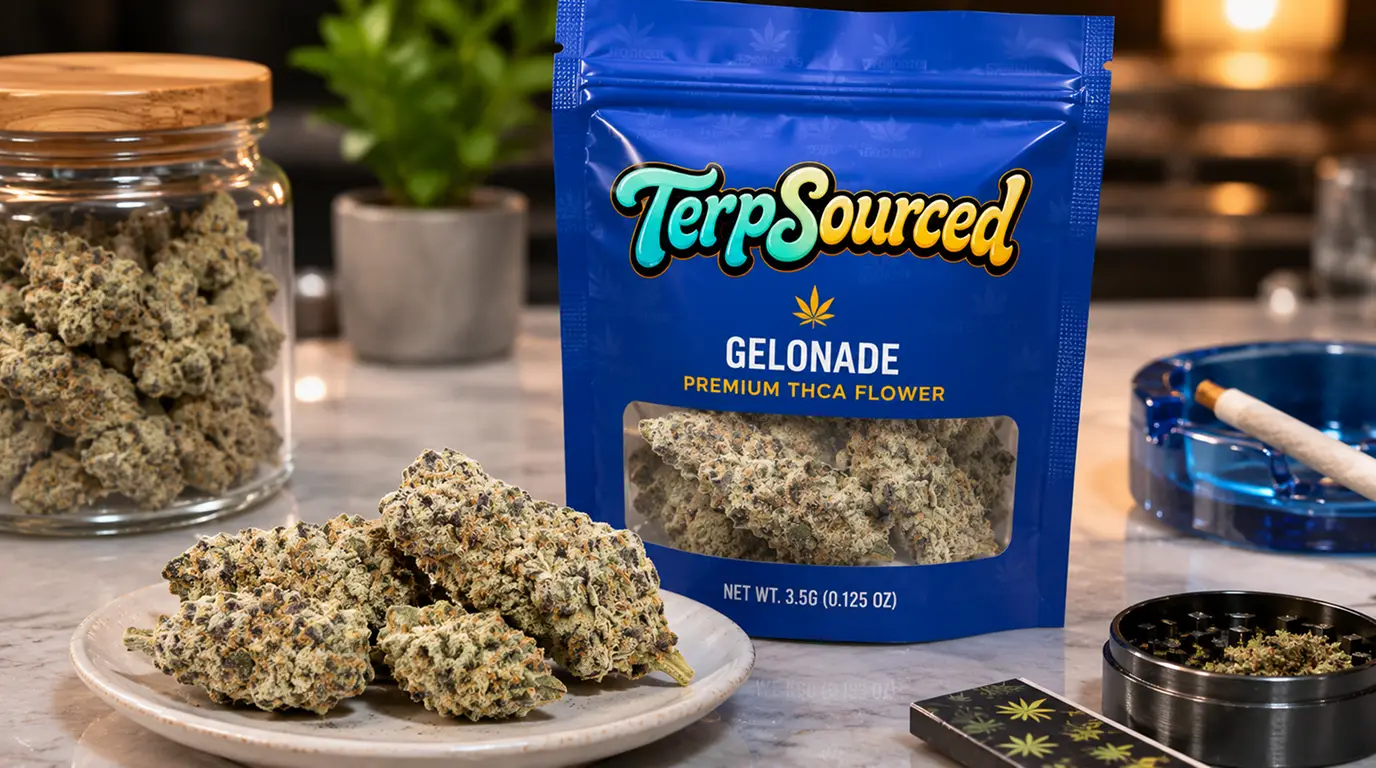
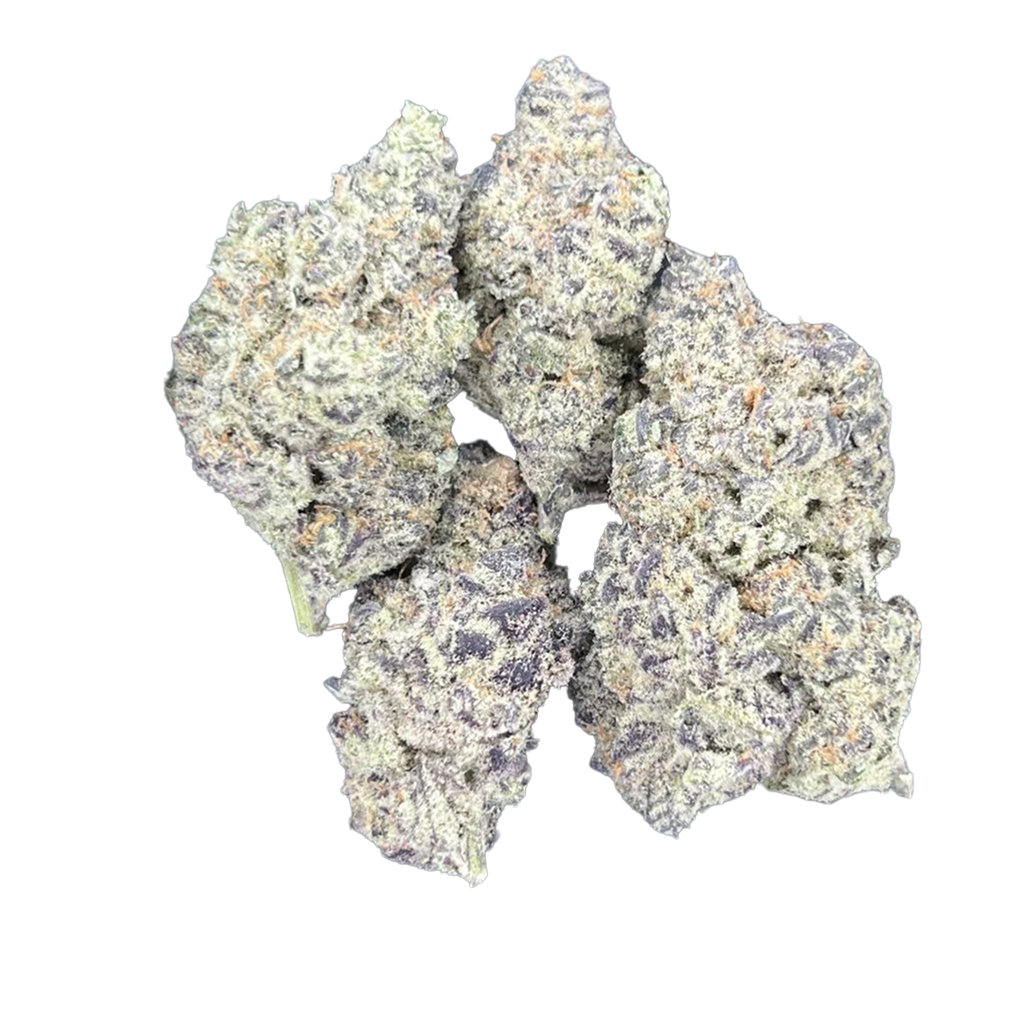
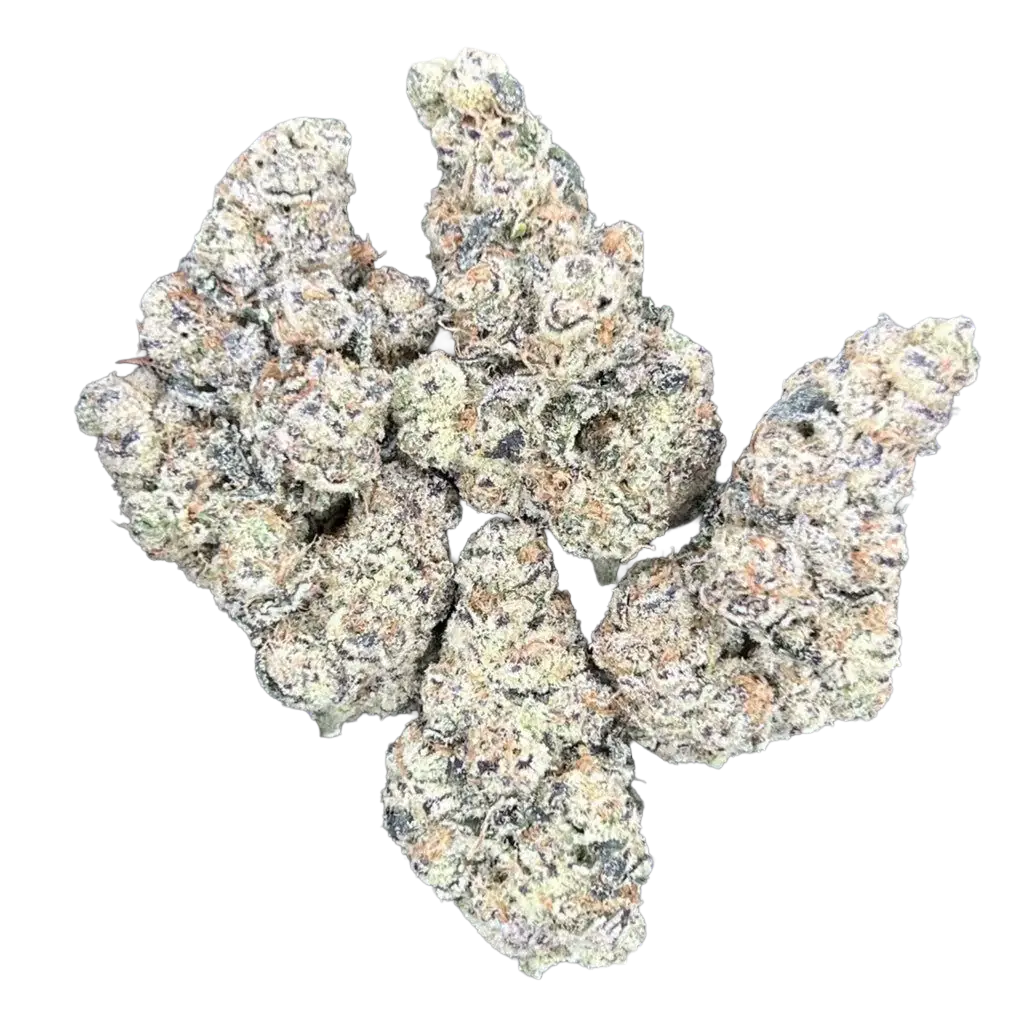
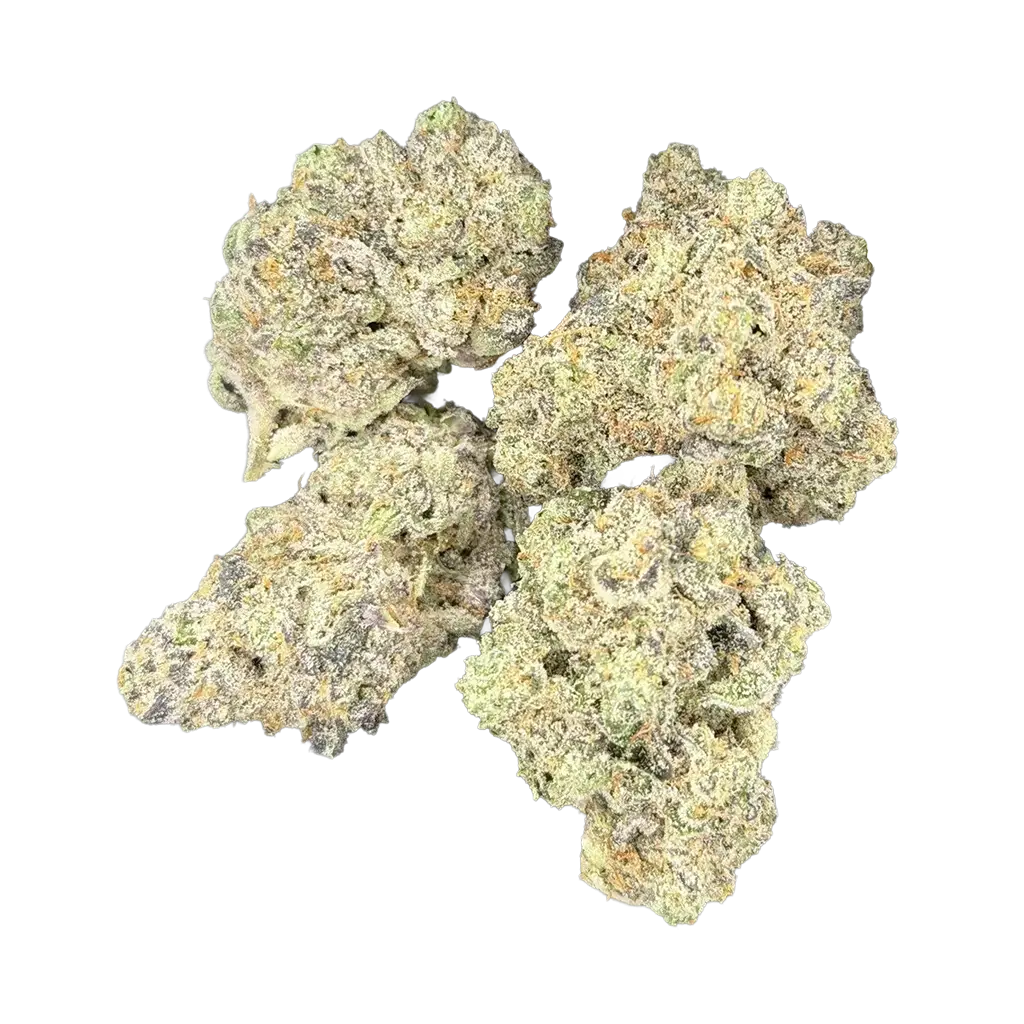
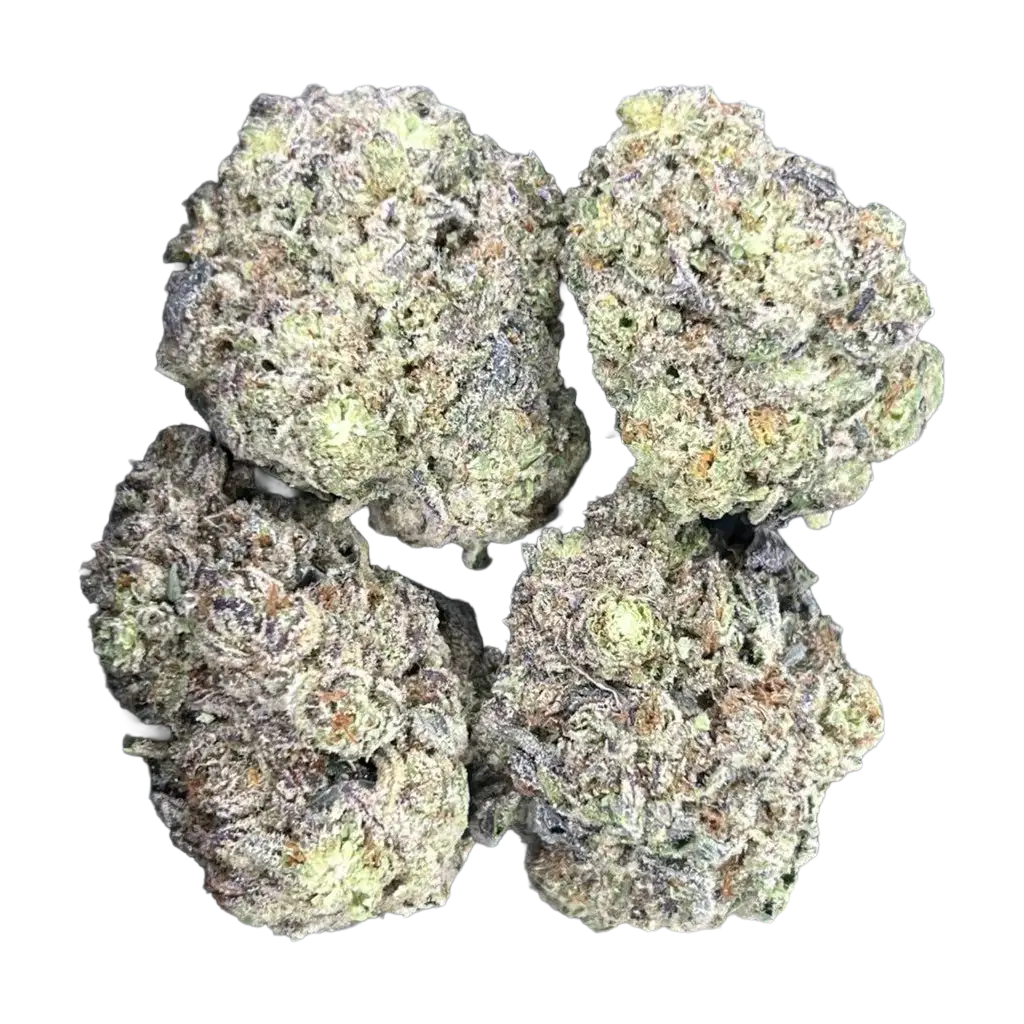
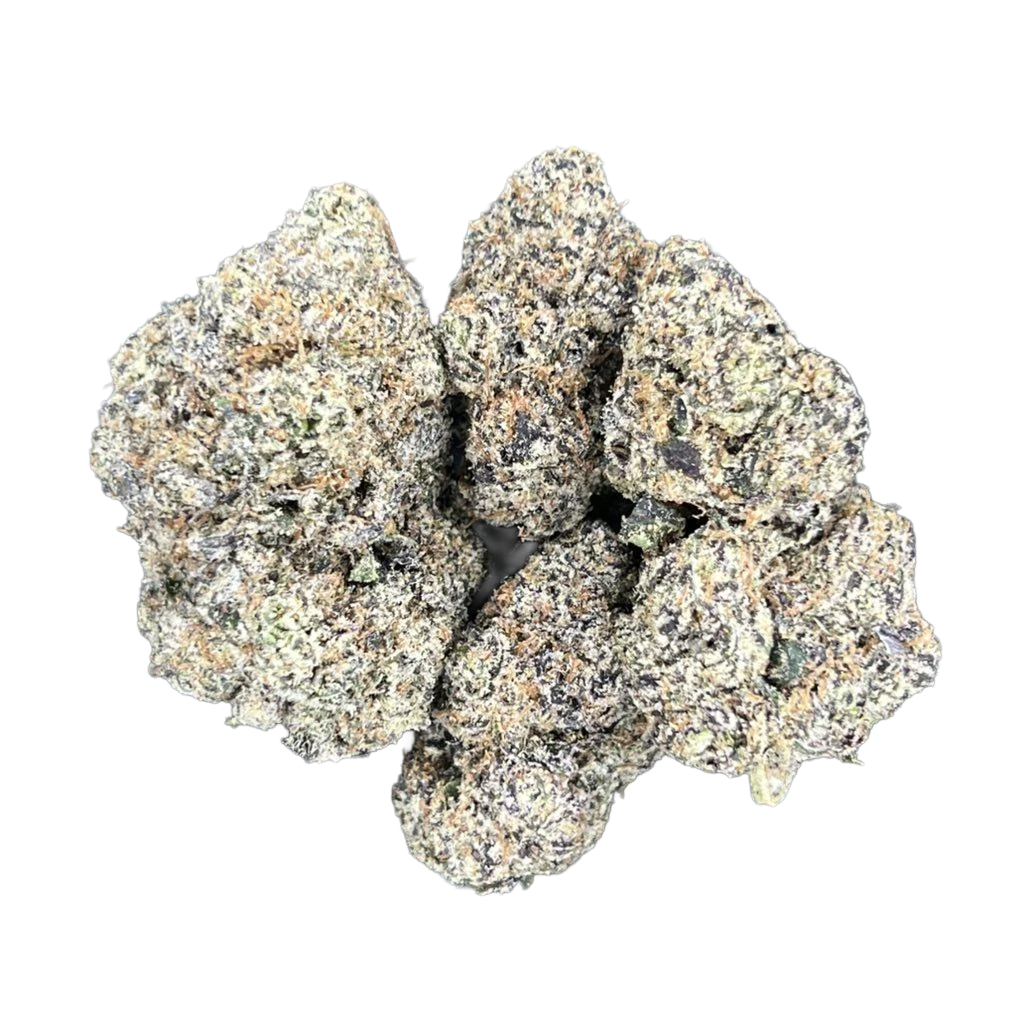
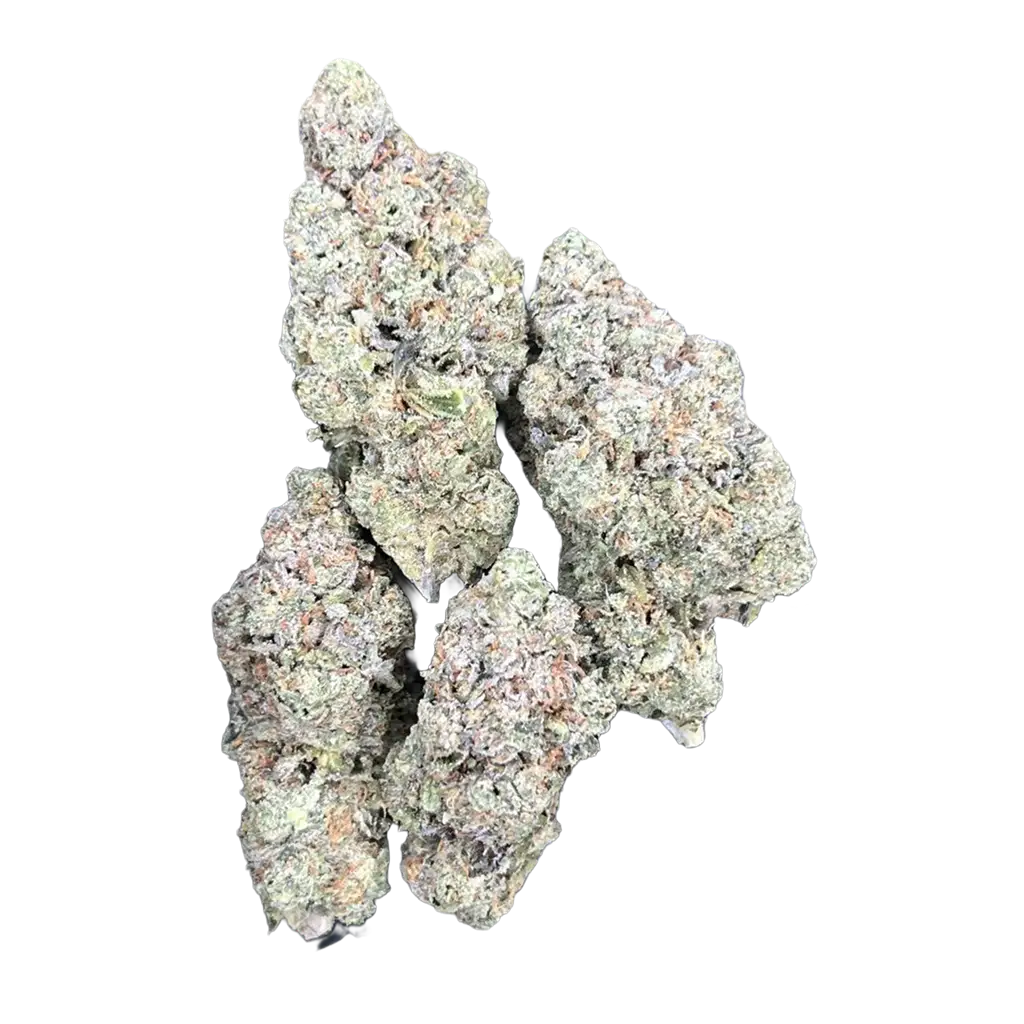
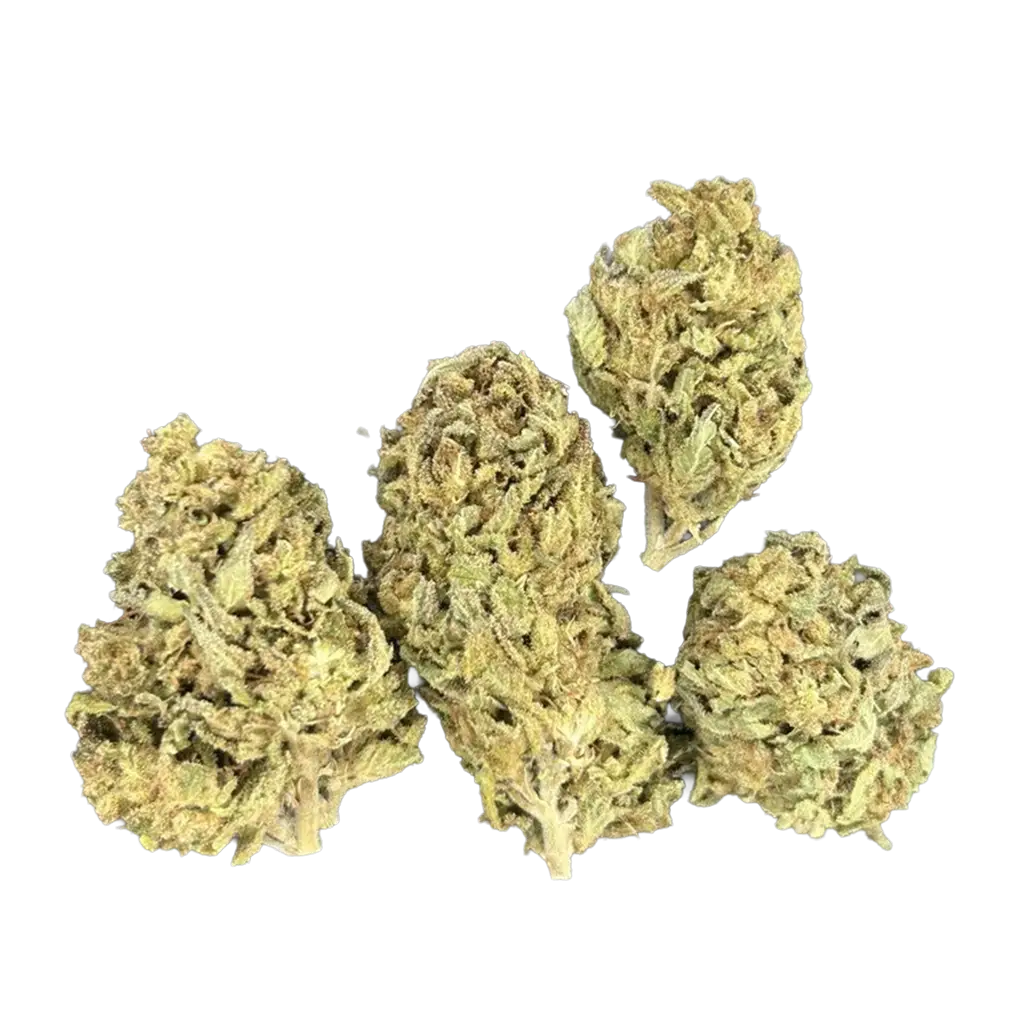
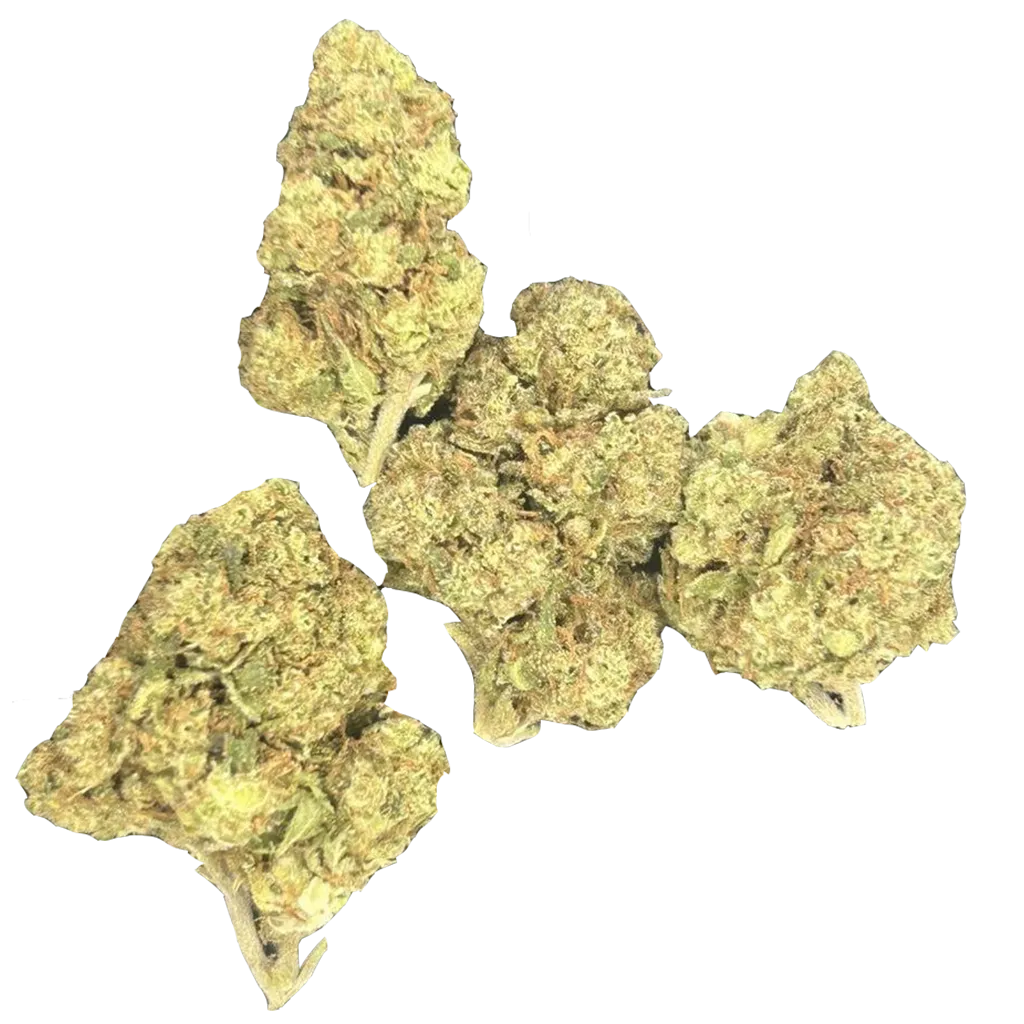
While most modern hybrids are focused mainly on THC content, Gelonade stands out because of its full cannabinoid and terpene profile, similar to what you’ll find in the GG4 strain. If the flowers are grown properly, they will have olive-green colored buds, orange pistils, and a great trichome layer. Results from laboratory tests usually reveal 20-27% of THC and less than 1% of CBD in these flowers. It allows the terpenes content to play an important role in determining the properties of this strain.
Gelonade strain is gaining popularity due to its selectively bred parentage. Lemon Tree brings its signature lemon scent and energy effects, and the Gelato #41 provides resin glands, creaminess, and hybrid properties similar to the genetics discussed in the Lemon Cherry Gelato strain. This is what makes a cultivar whose flowers are guaranteed to have excellent bag appeal and potency when it comes to cannabinoids.
The cannabinoid profile could vary based on many factors, including the individual cultivating the plant, cultivation methods, harvesting timing, and even the curing method employed. Instead of looking for an identical lab result every time one buys the flowers, it is advisable to look at the cannabinoid profile of the flower.
The following table contains data on the common cannabinoid profile of Gelonade flowers.
| Cannabinoid | Typical Range | Contribution |
| THC | 20-27% | Primary psychoactive cannabinoid |
| CBD | Less than 1% | Minimal concentration |
| CBG | 0.3-1.0% | Minor cannabinoids are commonly present |
| Total Cannabinoids | 22-30% | Varies by phenotype and cultivation |
The value of these attributes is what makes Gelonade one of the most popular premium strains, especially among buyers looking for Exotic THCA Flower. Instead of depending on just THC, the combination of cannabinoids and terpenes found in the resin makes up for the whole experience.
The easy answer is that it is safe to refer to the gelonade strain as a sativa-dominant hybrid, making it a natural fit within today’s Hybrid Strains. The majority of breeders agree that there is around 70% of sativa and 30% of indica genetics in this hybrid, and this ratio may fluctuate, based on the chosen phenotype.
Gelonade’s growing process also demonstrates its mixed breeding roots. Plants usually form average internodal spacing, branching, and long colas that easily adjust to an indoor environment. Budding occurs after 8 to 10 weeks and makes Gelonade extremely interesting to cultivate, as it guarantees good results without very long grow times.
Gelonade, even though being a dominant sativa strain, does not lose its hybrid characteristics and produces compact buds that are rich in resin rather than loose flowers one would expect from sativa.
The gelonade strain is known to have a stimulating, brain-boosting, and body-balancing effect that makes this cultivar attractive to consumers who are looking for an energizing cannabis strain. In contrast to strains that make consumers instantly feel the heavy body effect, users tend to start with mental clarity and then move into physical relaxation.
A number of substances make such an experience possible. For example, limonene is normally the primary terpene with caryophyllene and linalool in small amounts, and this gives a combination of citrus taste with a touch of flower and spice flavor. High-quality harvests may contain terpenes in 2% up to 4% concentration levels.
Since each person reacts to cannabis differently, the overall effect depends on a variety of factors, including the amount of consumed substance, personal tolerance level, and quality of product. This is one of the reasons why lab testing and cultivation are crucial when it comes to judging premium Gelonade flower, as well as selecting quality THCA Disposable Vapes.
One of the reasons why this particular strain of Gelonade weed is sought after is its distinctive odor. Breaking open a fresh jar brings about the presence of distinct odors of citrus, mainly sweet lemon and orange peels. The breaking of buds brings out delicate scents of creamy vanilla, herbal earthiness, and peppery elements. These elements can be attributed to the high content of terpenes in the resin of the flowers rather than one particular compound.
Similar to the smells, the taste also resembles the aromas of the gelonade strain. Many users say that the inhalation process gives off fruity tastes, and the exhalation process – a smooth and creamy taste, which is an inheritance from the Gelato lineage of this strain. The correct drying and curing process is essential for preserving these qualities, whether the flower is enjoyed on its own or rolled into THCA Pre-Rolls.
Terpenes do not play a role only in the smell of a product; rather, they shape the entire sensory experience of the cannabis and differentiate one strain from another. Although the laboratory findings may be slightly different depending on the producer and batch, in the case of Gelonade, the terpene profile is dominated by citrus-like compounds, accompanied by earth and flower-like compounds.
Below you can see the most prominent terpenes found in high-quality Gelonade and their features.
| Terpene | Typical Presence | Contribution |
| Limonene | 0.8-1.5% | Bright citrus aroma with fresh lemon notes |
| Caryophyllene | 0.3-0.8% | Peppery spice and earthy undertones |
| Linalool | 0.1-0.5% | Floral sweetness and smooth finish |
| Humulene | Trace-0.3% | Herbal, woody character |
| Myrcene | Trace-0.4% | Mild earthy balance depending on phenotype |
Terpene ratios may change according to genetics, cultivation techniques, harvesting techniques, and even curing techniques used. Terpenes prove to be more stable in indoor plants than greenhouse plants; however, greenhouse plants would be able to keep their terpene levels high if environmental conditions are maintained throughout the flowering period.
The effectiveness of the gelonade strain of cannabis weed does not lie in the percentage of THC alone but rather in the combination of visual appearance, terpenes, and solid cultivation performance. The flowers of this plant have an impressive appearance because of the thick layer of frosty trichomes, and its citrus scent leaves a strong impression.
Unlike other strains that are excellent in one specific aspect, Gelonade brings a perfect balance between its looks, smell, strength, and consistent growth pattern. This has made it an ever-popular strain despite the many hybrids introduced to the market annually.
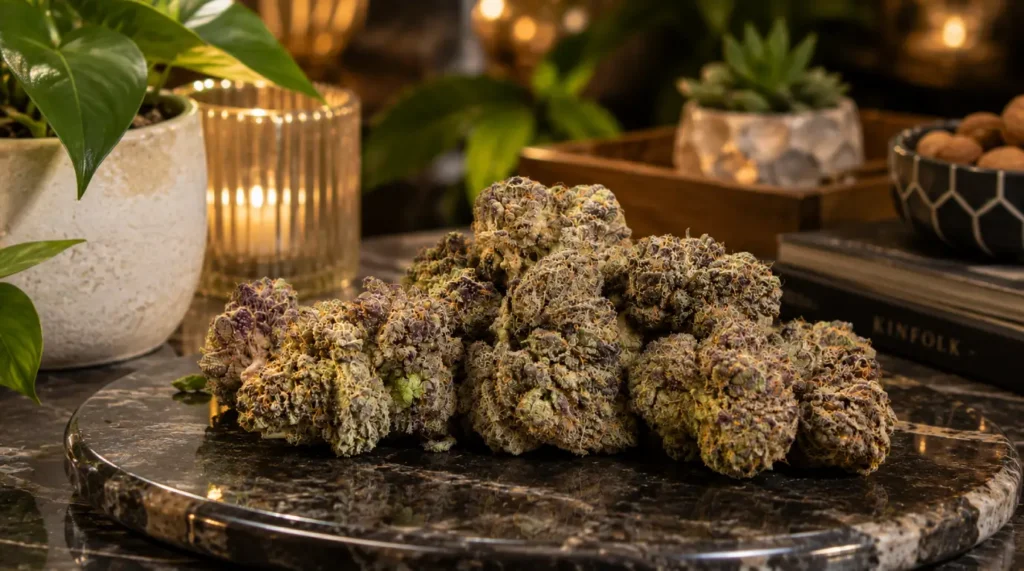
Purple Gelonade refers to phenotypes that begin showing purple color during the flowering stage and not to a totally different variety of plant. The appearance of this color is typically associated with increased visibility of anthocyanin pigments, which is facilitated by lower temperatures at night towards the end of flowering.
Although the flowers appear more attractive due to their purple color, it does not mean that they are more potent than others. The green type of Gelonade can contain the same quantity of cannabinoids and terpenes as its purple variety. Environment, genetic background, nutrient intake, harvesting period, and curing process have much more importance in assessing the flower quality than the color itself.
As for the evaluation of the flower quality, one needs to focus on trichomes, density, citrus aroma, and laboratory testing.
The gelonade strain is well known because it combines exceptional genetics, a citrus taste, resin-packed buds, and stable cannabinoid production in one great cultivar. Learning about the history of this particular strain, its terpene composition, or various phenotypes will allow you to understand the reasons for which the strain became so popular and will make you appreciate why it keeps ending up on high-end dispensaries’ menus. Just like any cannabis flower, cultivation techniques, harvesting time, and curing will affect the final product, so the lab tests may differ depending on the producer. If you want to learn about premium cannabis strains and flower products, check out TerpSourced.
The average THC percentage of the Gelonade strain lies between 20% to 27% for the flower that has undergone testing at labs. This is, however, subject to change in rare cases where some strains fall outside this range. Factors such as genetics, growth process, time of harvest, and curing all influence the potency levels.
The Gelonade strain is considered a sativa hybrid strain. This is a blend of 70% sativa and 30% indica genes. This strain gets the energy associated with a sativa strain as well as the dense buds and resin present in a hybrid strain.
The main dominant terpene in this strain is limonene. Limonene is responsible for the distinct citrusy smell in the strain. Caryophyllene is also present in this strain for a slight peppery smell, together with linalool and other traces of humulene or myrcene. These terpene levels may vary among each harvest and environment.
The general description for the taste of Gelonade would be sweet citrus with distinct notes of lemon and orange peel. Vanilla-like flavors from the Gelato side of its parentage usually come out at the end.
Gelonade combines several desirable characteristics in one cultivar, including attractive bag appeal, dense trichome coverage, high cannabinoid levels, rich terpene content, and consistent cultivation performance. This combination of characteristics makes it an attractive choice for farmers, dispensaries, and knowledgeable cannabis users.
Purple Gelonade can be defined as phenotypes which produce purple shades because of the presence of anthocyanins that become visible in the flowers during the flowering period. Color difference does not mean any increase in potency and cannabinoids’ content.
The indoor growing requires about 8 to 10 weeks for Gelonade to flower. Under outdoor growing conditions, this strain reaches maturity in early to mid-autumn depending on the climate.
Yes. One of Gelonade’s defining characteristics is its abundant trichome production. Well-grown flowers typically develop thick resin coverage, contributing to their frosty appearance, strong aroma, and popularity among cultivators focused on producing premium-quality cannabis flower.
The good quality of the Gelonade flower is characterized by its dense buds, trichome abundance, bright orange pistils, and the fresh citrus smell. Buying products that have been tested recently in a lab and cured properly will increase the quality of the product.