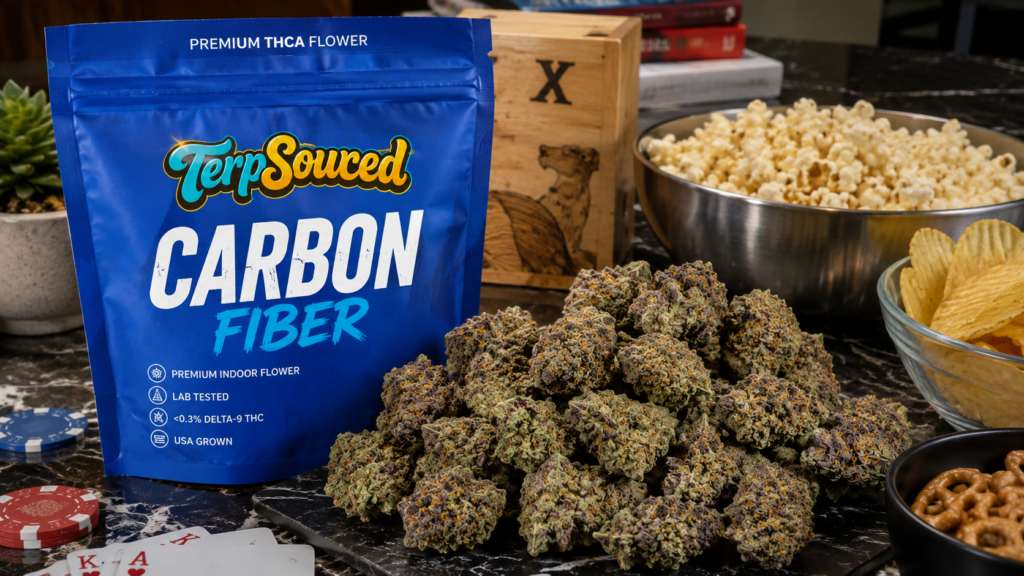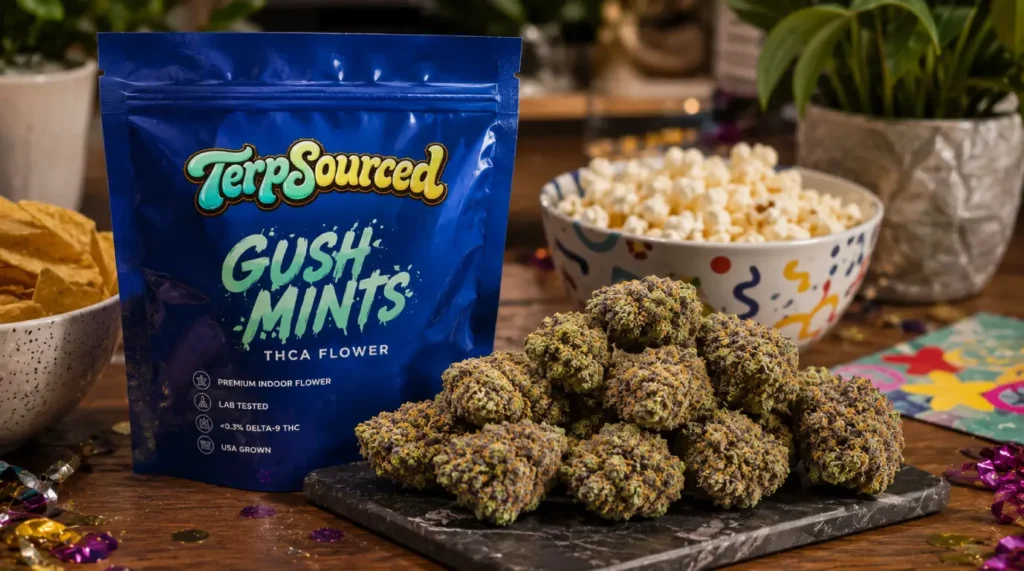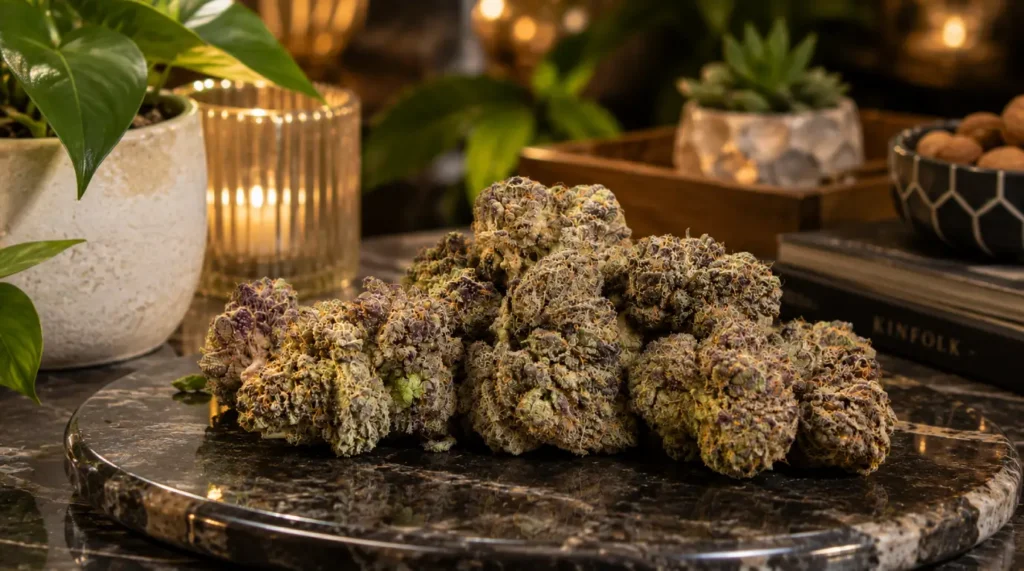

THCA flower demand continues growing as dispensaries and distributors look for more consistent hemp-derived cannabis inventory. As interest around THCA flower products expands, many buyers now ask: how is thca flower made and what production methods influence overall flower quality?
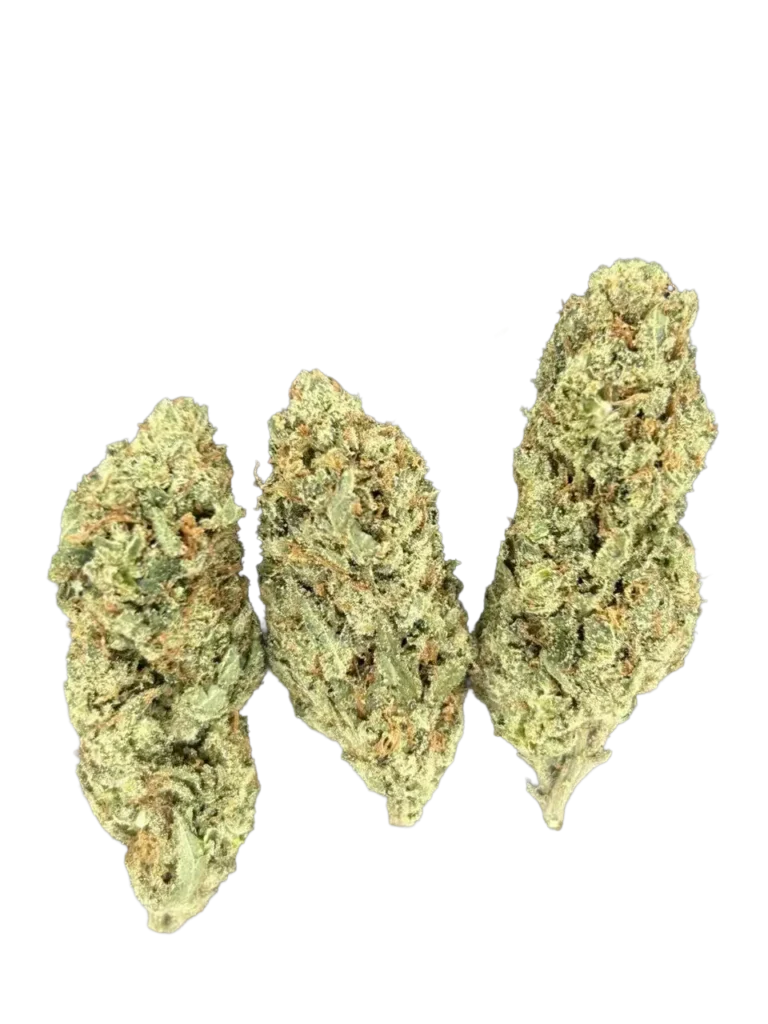
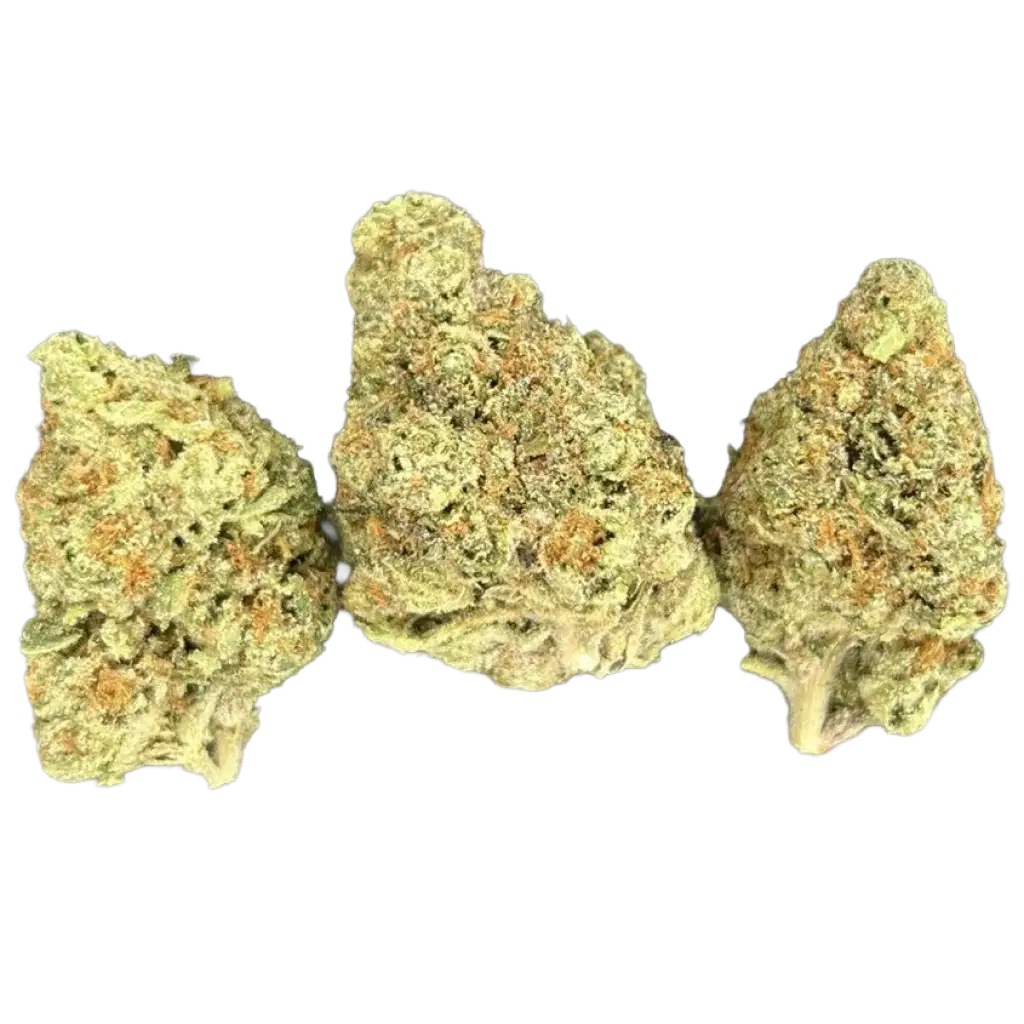
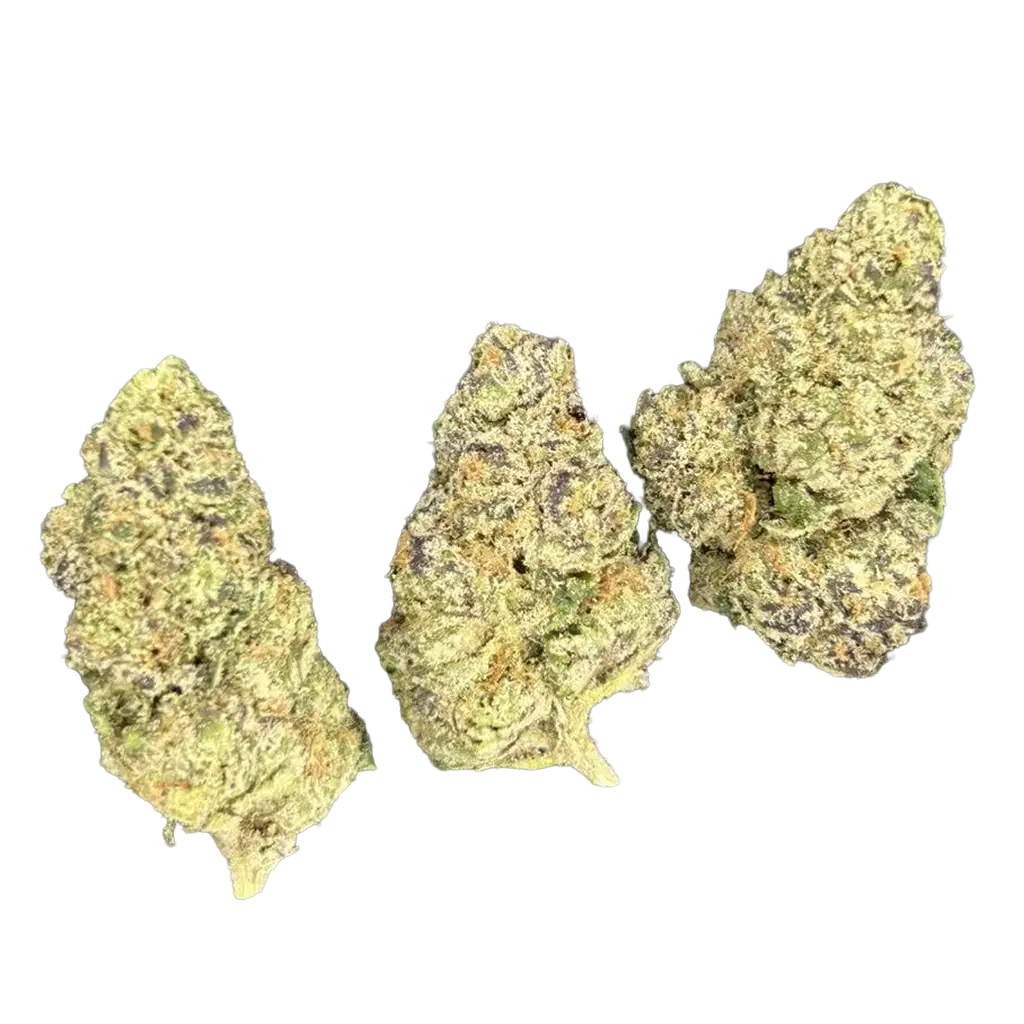
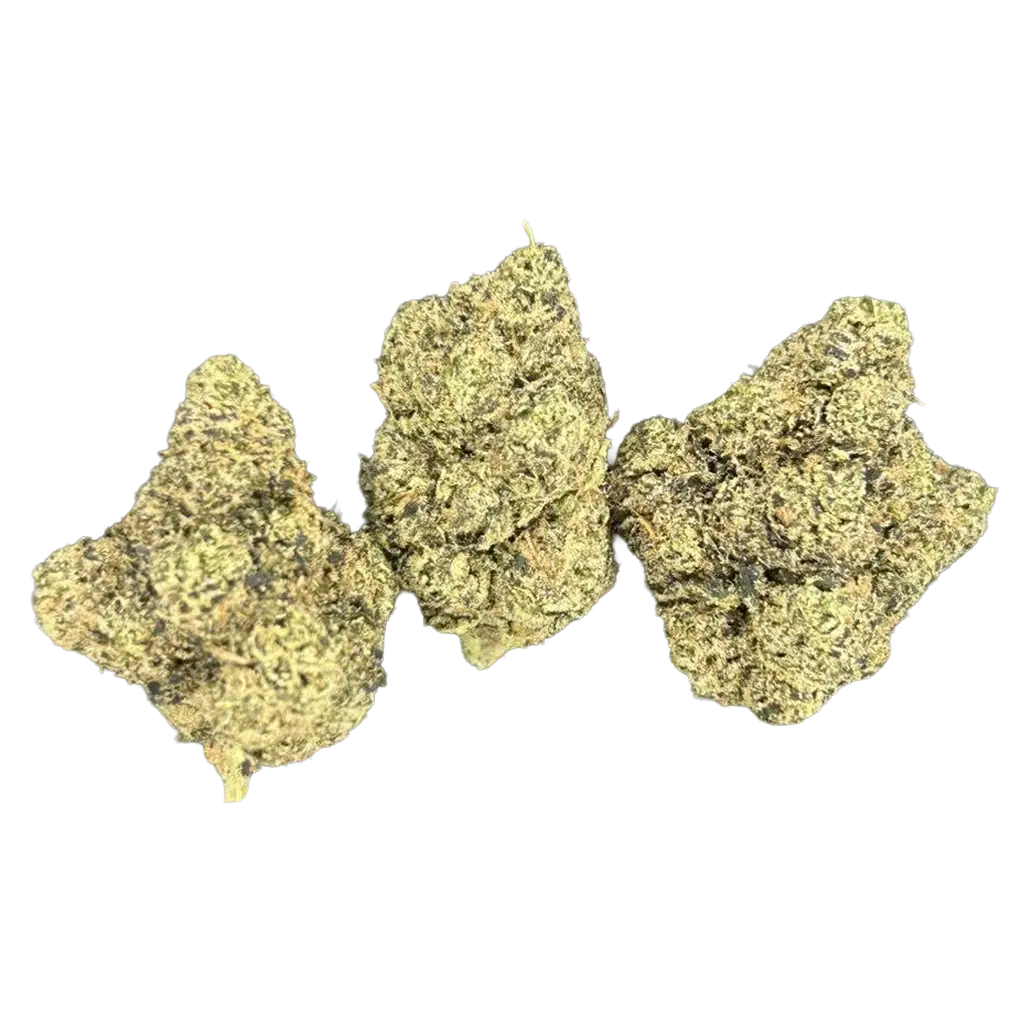
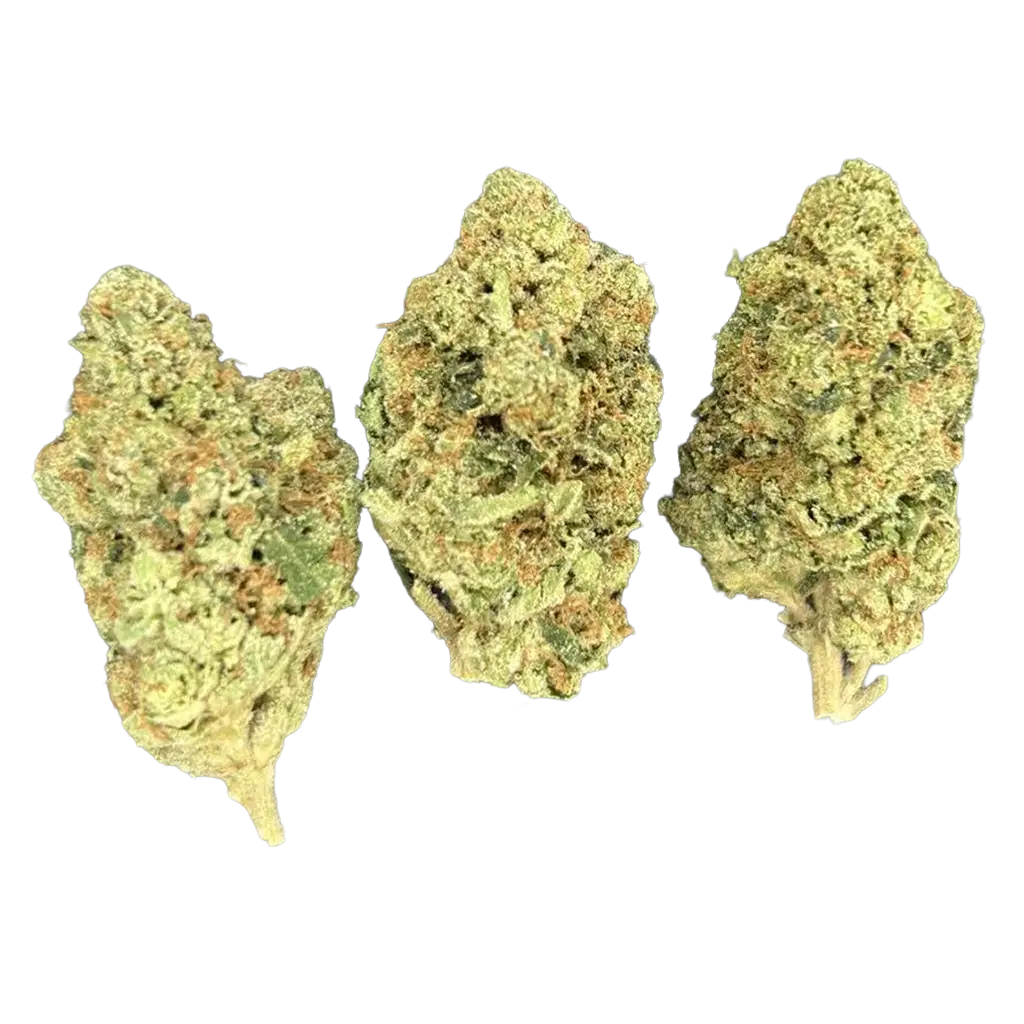
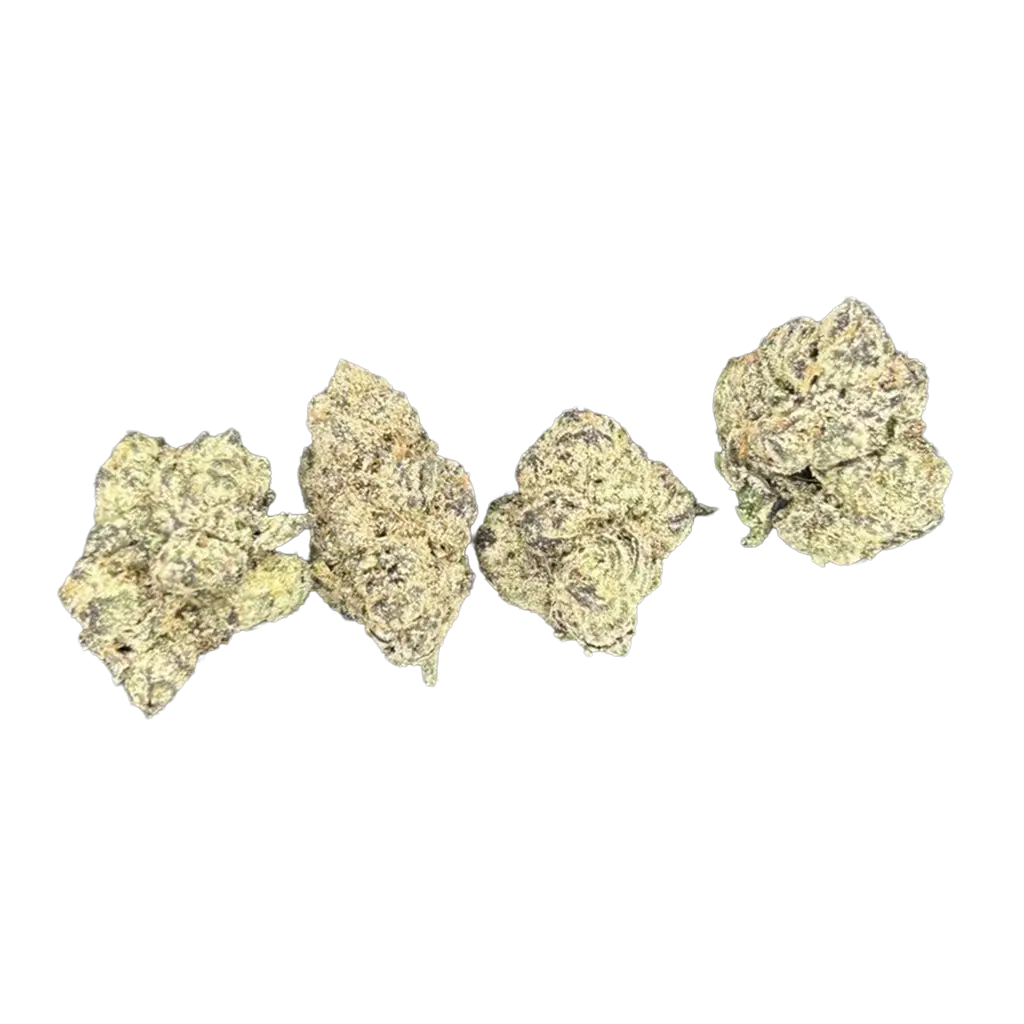
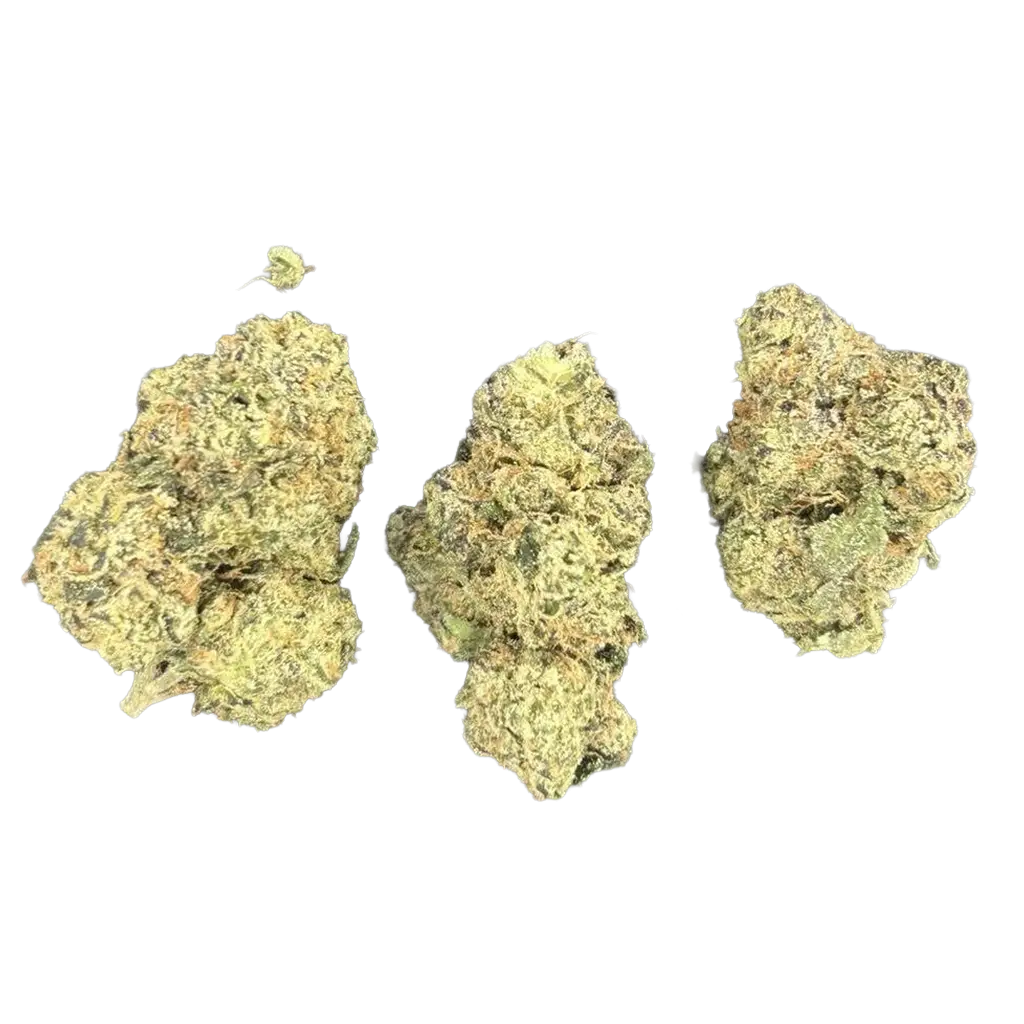
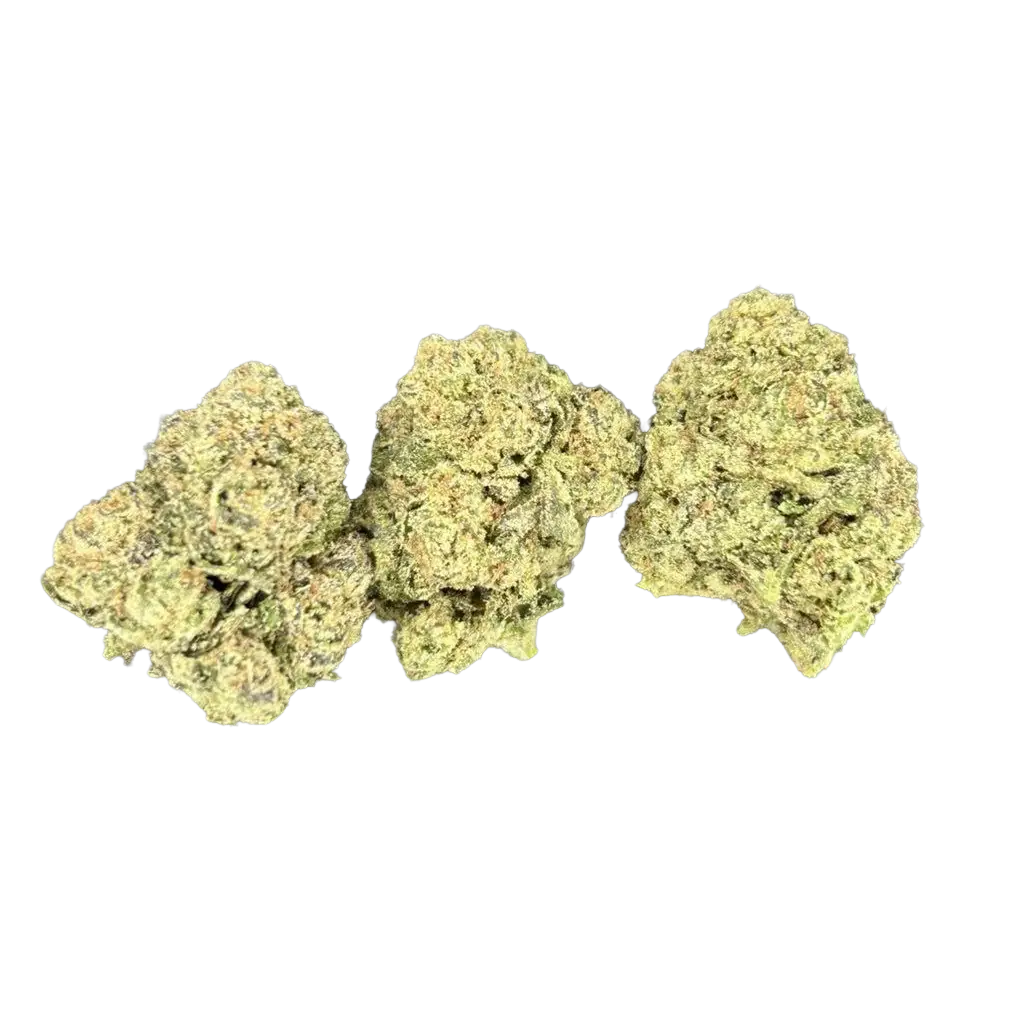
Modern THCA flower production involves much more than standard cannabis cultivation. Large-scale cultivators carefully manage genetics, environmental conditions, harvest timing, drying, curing, and lab testing to preserve cannabinoid stability and maintain flower consistency throughout large-scale cannabis production.
THCA flower is raw cannabis flower that’s harvested and processed in a way that helps preserve tetrahydrocannabinolic acid before heat converts it into THC. Unlike highly processed cannabis products, THCA flower stays much closer to its natural, harvested form, which means cultivation quality and post-harvest handling play a major role in the final product.
Large-scale cultivators focus heavily on preserving trichome coverage, terpene retention, and stable moisture levels throughout cultivation and curing because these factors directly affect flower quality and shelf presentation. Retail distributors sourcing premium THCA flower inventory usually pay close attention to aroma stability, cured flower appearance, and stable cannabinoid retention before selecting batches for dispensary shelves and wholesale distribution.
THCA flower now plays a much larger role across preroll manufacturing, extraction inventory, dispensary flower categories, and bulk cannabis supply chains. Across modern hemp distribution markets, sourcing teams are placing more importance on batch uniformity, post-harvest quality, and long-term shelf stability when sourcing large-scale cannabis inventory.
Commercial cultivators producing premium THCA flower usually begin with genetics capable of supporting stable flowering performance, strong terpene expression, and competitive cannabinoid percentages. Environmental consistency remains extremely important throughout cultivation because changes in humidity, airflow, temperature, and lighting conditions can directly affect flower quality during production.
Indoor cultivation facilities producing THCA flower commonly use sealed grow rooms equipped with HVAC infrastructure, LED lighting systems, dehumidifiers, and automated environmental controls to stabilize flowering conditions. Greenhouse cultivators rely more heavily on blackout systems, airflow management, and humidity stabilization during flowering cycles to maintain production consistency while lowering electricity dependency.
Large-scale cultivators also monitor nutrient schedules, canopy spacing, and flowering timelines carefully because harvest timing directly affects cannabinoid retention and terpene stability. Understanding how is thca grown involves looking beyond basic cannabis cultivation and focusing more heavily on environmental precision, production scalability, operational consistency, and post-harvest preparation across large-scale cannabis facilities.
Genetic selection plays a major role in commercial THCA production because cannabinoid percentages, terpene profiles, flowering timelines, and environmental stability can vary significantly between cultivars. Large-scale cannabis operators usually select genetics based on production goals, inventory demand, cultivation consistency, and post-harvest performance across multiple harvest cycles.
Some cultivars perform better inside sealed indoor environments, especially premium hybrid strains cultivated for wholesale flower production, while others remain more stable within greenhouse production systems using light deprivation schedules. Wholesale operators producing wholesale flower inventory usually prioritize genetics capable of maintaining stable cannabinoid percentages while reducing environmental sensitivity during flowering.
Strong genetics alone cannot guarantee premium flower quality, but unstable genetics can create cultivation inconsistencies that negatively affect post-harvest performance, terpene retention, shelf presentation, and long-term inventory grading across wholesale cannabis distribution channels.
Harvest timing remains one of the most important stages in commercial THCA production because cannabinoid levels and terpene stability continue changing throughout late-stage flowering cycles. Commercial cultivators monitor trichome maturity closely because harvesting too early or too late can directly affect stable post-harvest quality, aroma quality, and cannabinoid retention during post-harvest handling.
Below is the operational harvest comparison that many large-scale cultivators evaluate during large-scale cannabis production.
| Harvest Timing | Operational Impact |
| Early Harvest | Lower cannabinoid development and lighter terpene expression |
| Optimal Harvest Window | Better batch uniformity and stronger cannabinoid stability |
| Delayed Harvest | Higher oxidation risks and increased environmental stress |
Large-scale cultivators also evaluate canopy humidity, airflow stability, and moisture accumulation during late-stage flowering because unstable environmental conditions can increase mold pressure before harvest. Proper harvest timing plays a major role in determining shelf quality across products discussed in best THCA prerolls, bulk flower inventory, and wholesale cannabis distribution
Post-harvest handling remains one of the most important parts of commercial THCA production because drying and curing conditions directly affect terpene preservation, moisture consistency, cannabinoid stability, and long-term flower quality. Even high-performing cannabis harvests can lose commercial value if drying environments become unstable during post-harvest processing.
Production cultivation facilities usually maintain controlled drying rooms capable of stabilizing:
Many operators maintain drying environments near 60°F to 70°F with carefully controlled humidity levels to reduce terpene loss while preventing mold development during curing cycles.
Improper curing environments can introduce costly inventory issues, such as:
Commercial buyers evaluating THCA concentrates and premium flower inventory often prioritize post-cure appearance, aroma consistency, shelf stability, and moisture uniformity before sourcing large-volume cannabis batches for retail and wholesale distribution.
Large-scale cannabis producers now use multiple cultivation models depending on inventory demand, operating costs, environmental control, and wholesale market positioning. Indoor cultivation continues dominating many boutique flower categories, especially premium cultivars often discussed in best exotic THCA flowers, while greenhouse production supports larger-scale inventory output with lower infrastructure expenses and reduced energy dependency.
Cultivation production methods directly dictate:
Below is the most common commercial cultivation comparison used throughout modern THCA flower production.
| Production method | Primary advantage | Common Commercial Use |
| Indoor Cultivation | Controlled stable post-harvest quality | Boutique retail flower |
| Light Deprivation Greenhouse | Scalable production output | Bulk flower and prerolls |
| Mixed-Light Cultivation | Reduced energy dependency | Mid-scale wholesale inventory |
Greenhouse cannabis production continues expanding because operators can scale canopy output more efficiently while lowering infrastructure and electricity costs.”
Lab testing remains a critical part of large-scale cannabis production because wholesale buyers, distributors, and dispensaries require cannabinoid verification before flower inventory enters retail supply chains. Production transparency and compliance testing now play a much larger role throughout wholesale cannabis distribution compared to earlier hemp production markets.
Commercial cannabis inventory commonly undergoes testing for:
Testing also helps commercial distributors evaluate consistency across multiple harvest batches before making large-volume inventory purchases. Suppliers capable of maintaining stable cannabinoid percentages and post-harvest consistency across repeated harvest cycles often remain more competitive within large-scale cannabis distribution markets.
As regulated hemp and cannabis industries continue evolving, third-party lab verification remains one of the most important quality-control stages throughout modern THCA flower production and wholesale inventory sourcing.
Commercial THCA flower production involves much more than basic cannabis cultivation. Modern growers carefully manage genetics selection, environmental stability, harvest timing, drying conditions, curing precision, and lab testing to maintain batch uniformity throughout the production cycle.
In modern wholesale distribution, understanding how is thca flower made helps buyers better evaluate flower quality, post-harvest handling standards, and production consistency across large-scale cannabis operations. Every stage of cultivation directly affects terpene retention, cannabinoid stability, and long-term shelf quality.
From cultivation through final distribution, large-scale cannabis producers now focus heavily on operational consistency and post-harvest precision to maintain competitive flower quality across dispensary shelves, preroll manufacturing, extraction inventory, and wholesale cannabis supply chains.
THCA flower is made by growing high-cannabinoid cannabis genetics, harvesting at peak trichome maturity, and executing a slow, climate-controlled drying and curing process to lock in cannabinoid stability without heat degradation.
Indoor THCA cultivation uses sealed grow rooms, LED lighting systems, HVAC infrastructure, dehumidifiers, and environmental controls to maintain stable flowering conditions throughout the cannabis production cycle.
Proper curing helps preserve moisture consistency, terpene retention, aroma stability, and overall shelf quality after harvest.
Large-scale cannabis producers commonly use indoor cultivation, light deprivation greenhouses, and mixed-light production systems, depending on inventory demand and operating costs.
Yes. Harvest timing directly affects cannabinoid development, terpene stability, trichome maturity, and overall batch uniformity during post-harvest processing and long-term cannabis storage.
Lab testing helps verify cannabinoid percentages, Delta-9 THC compliance, contaminant screening, and consistency across multiple cannabis harvest batches before retail or wholesale distribution.
Yes, modern greenhouse facilities now use blackout systems, airflow stabilization, humidity management, and controlled curing rooms to maintain competitive flower quality.
THCA flower is widely used in prerolls, extraction inventory, dispensary flower categories, and large-scale wholesale cannabis supply chains.