Live resin and live rosin are some of the most popularly used extracts in the current market, similar to other concentrate comparisons like THCA Diamonds vs. Live Resin, but the confusion comes with the similarity in the names of both products. The difference lies in the process of extraction since both products are produced from the same source material (fresh frozen cannabis).
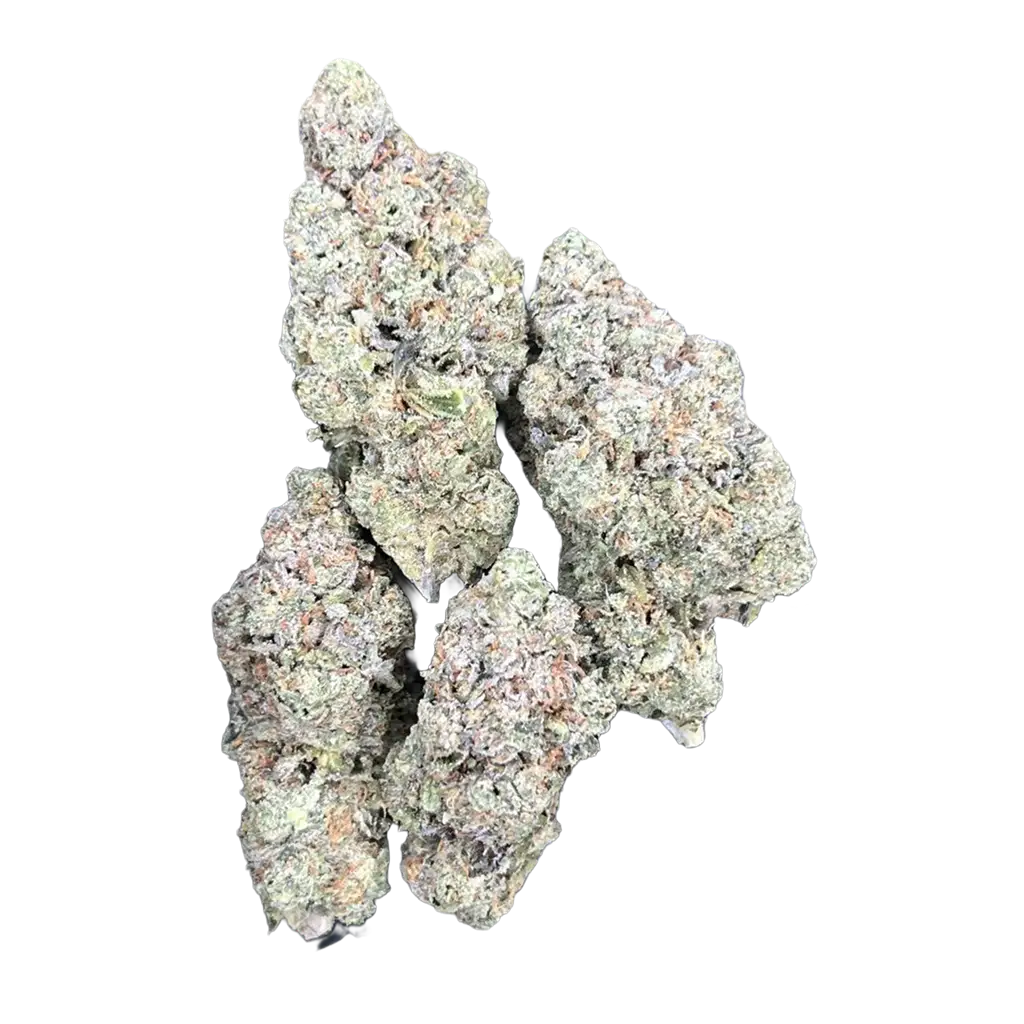
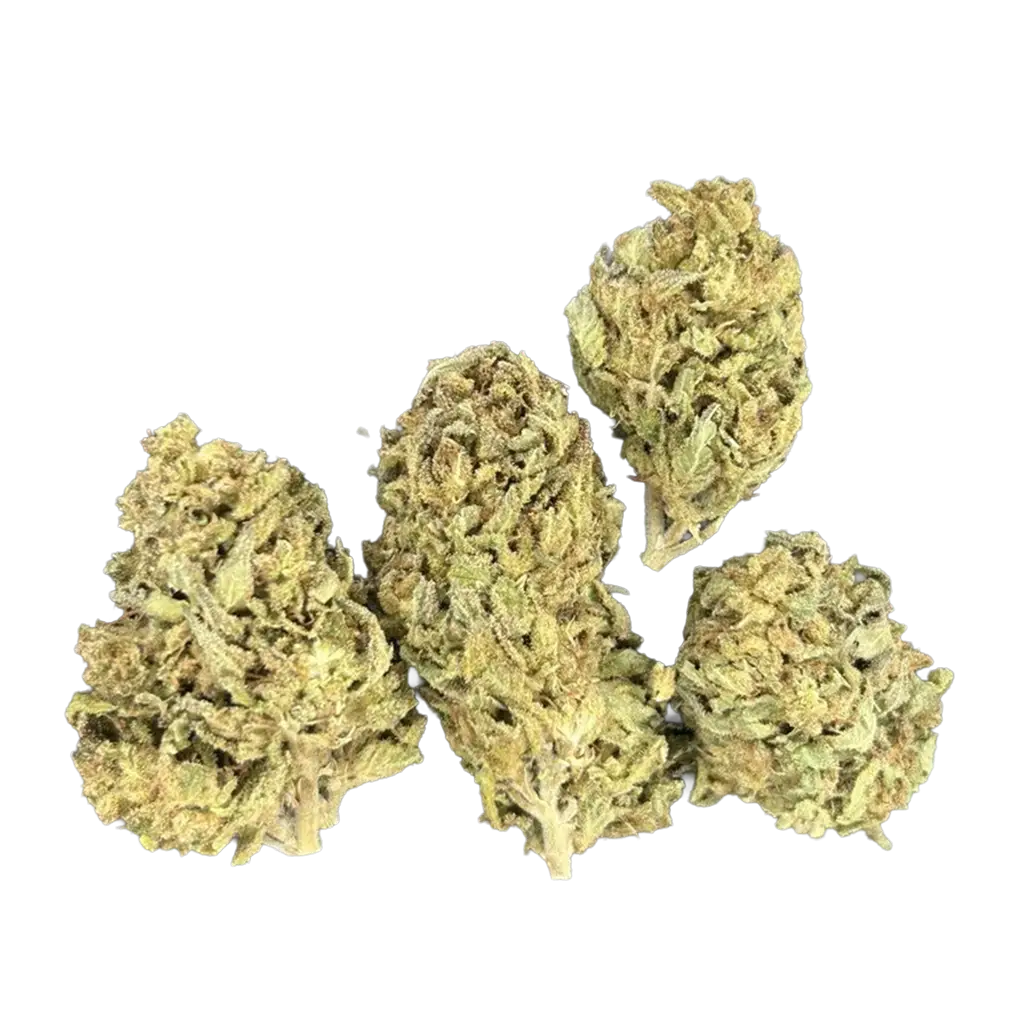
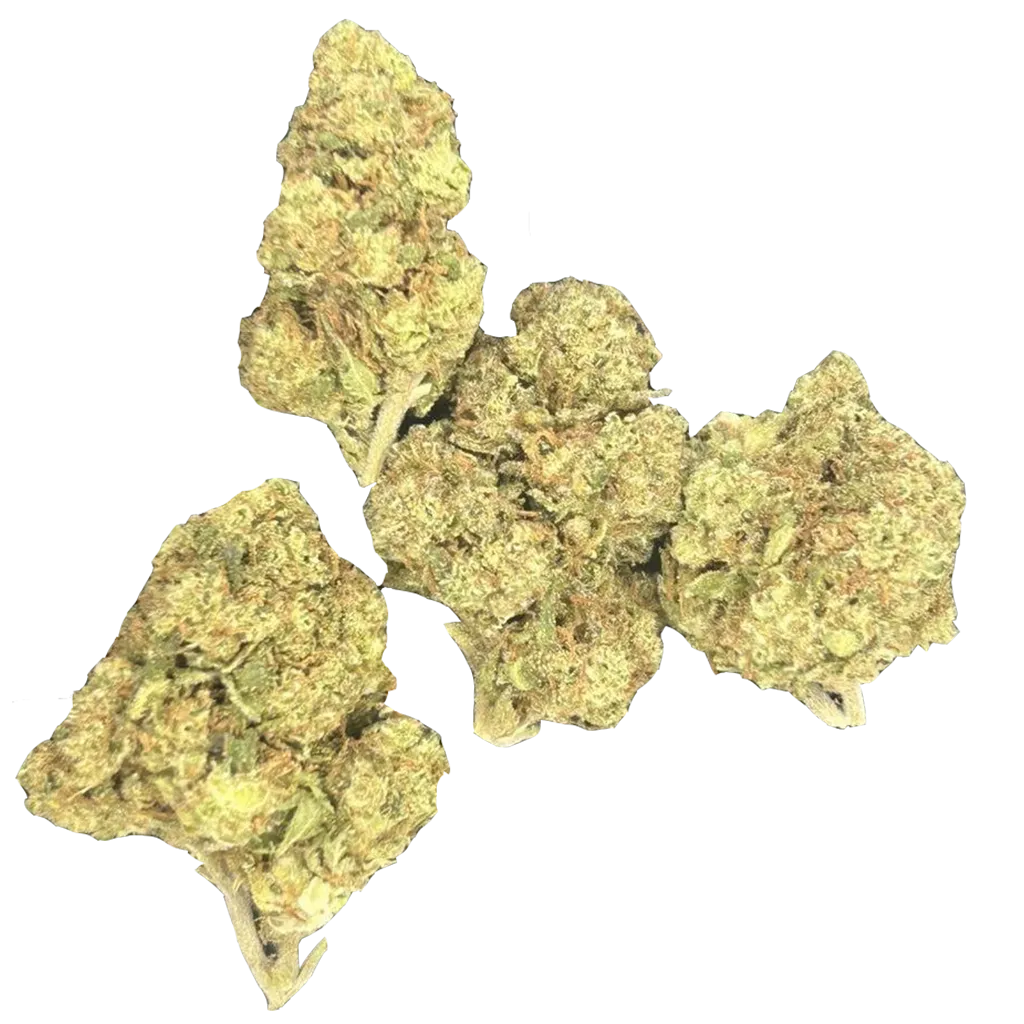
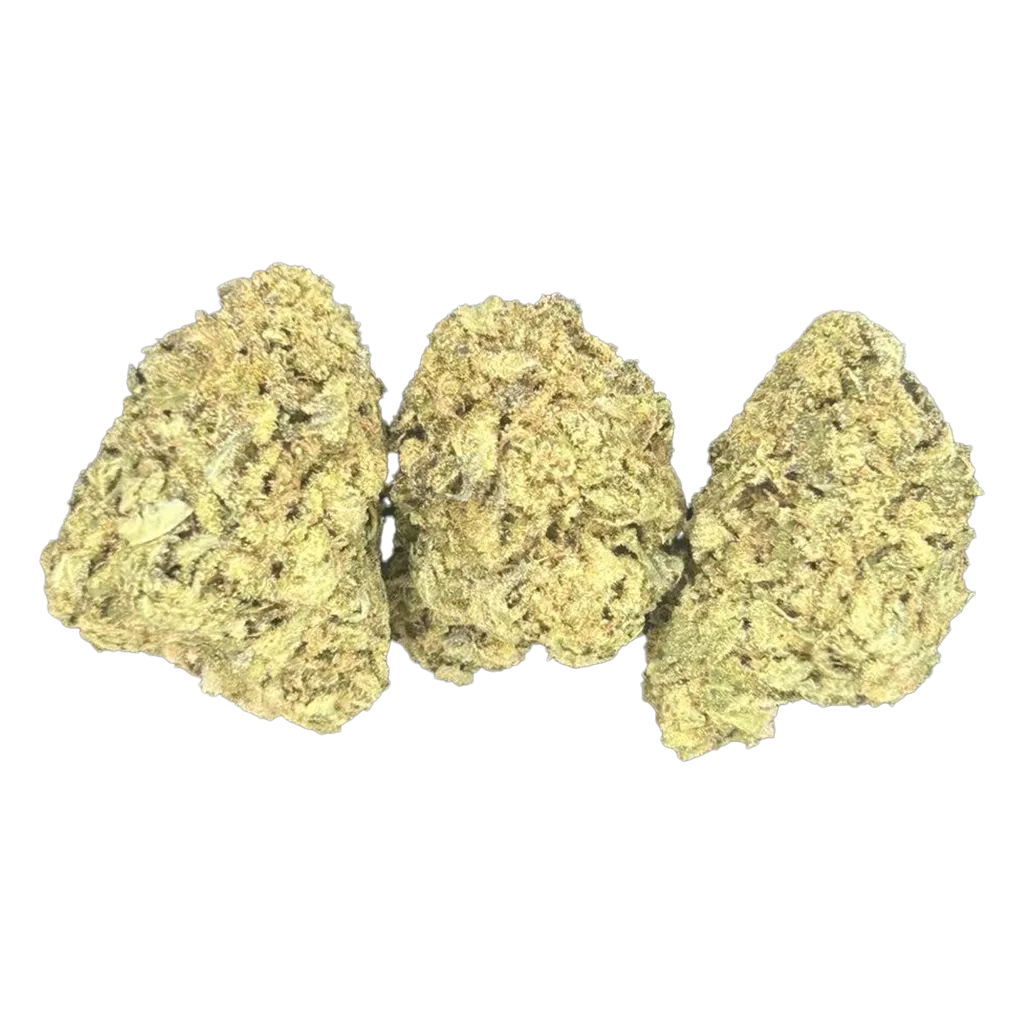
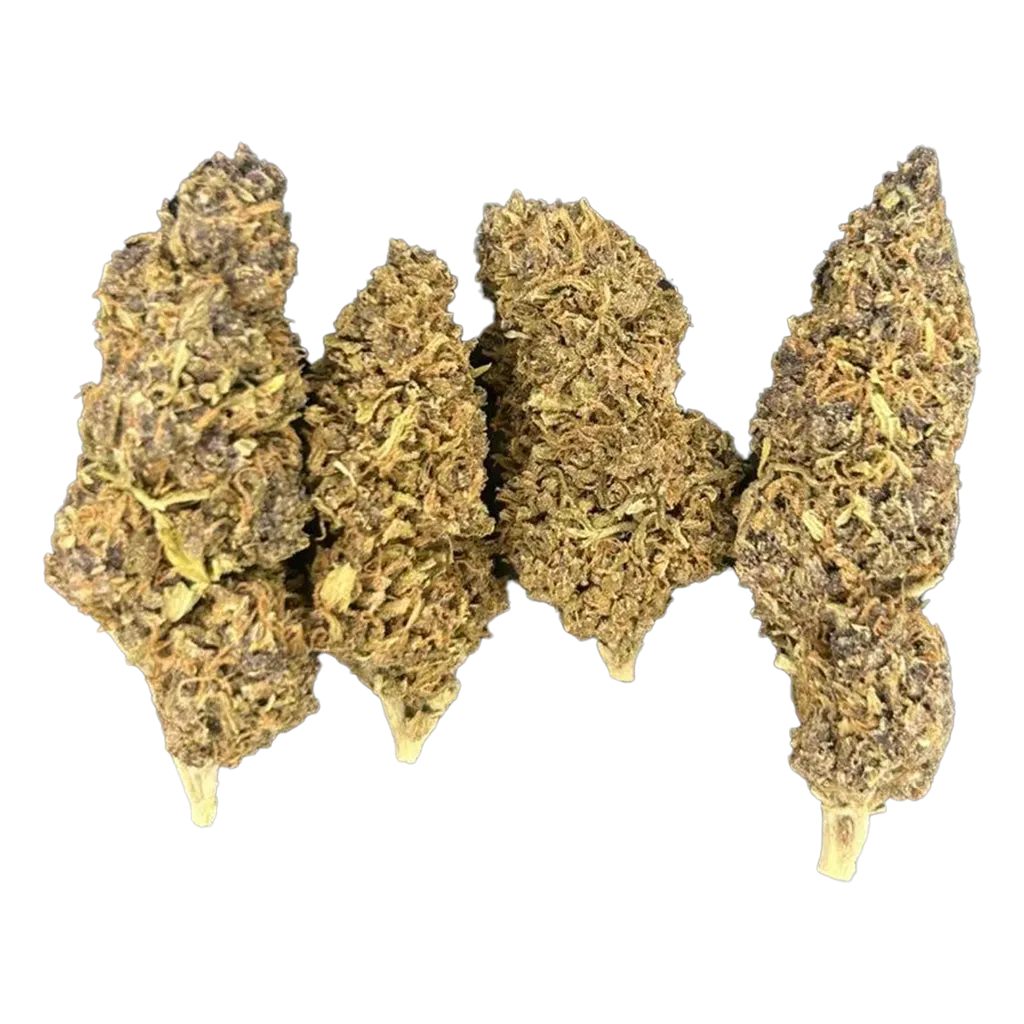
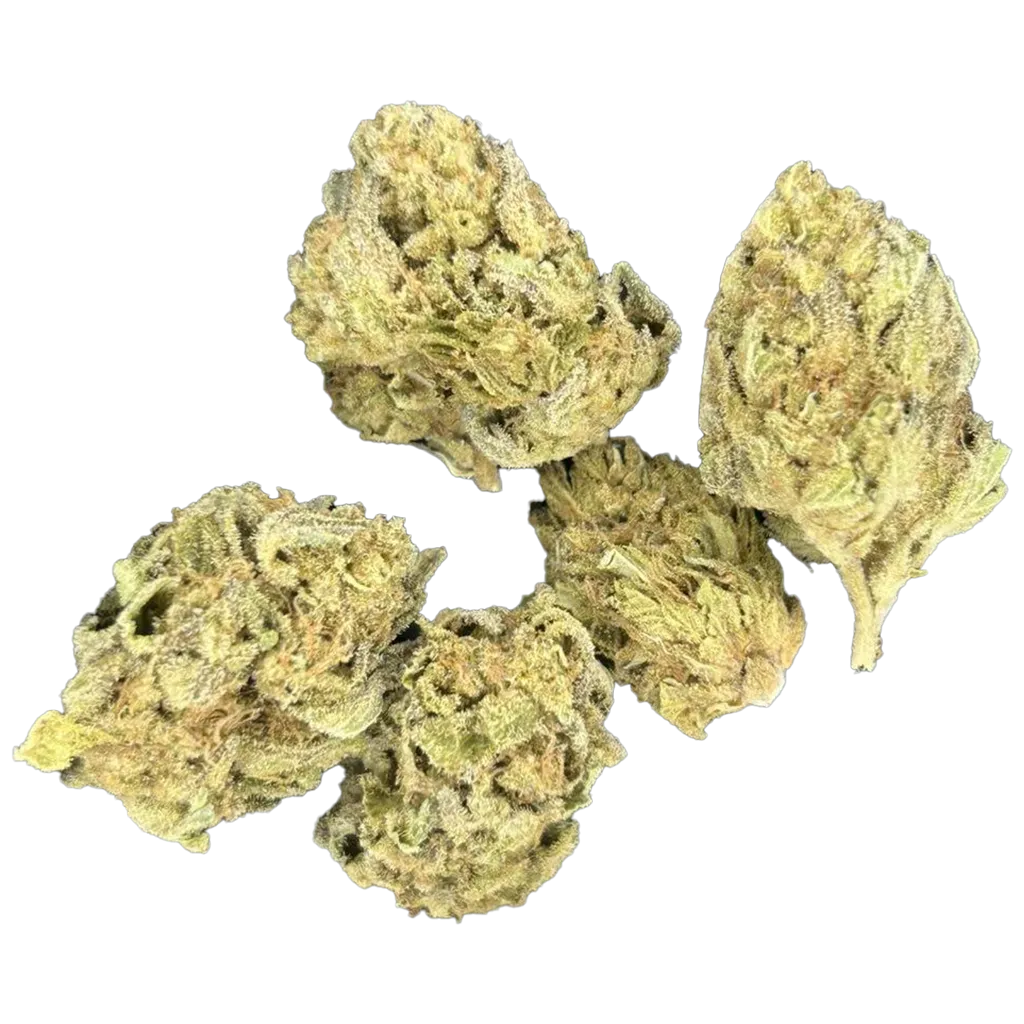
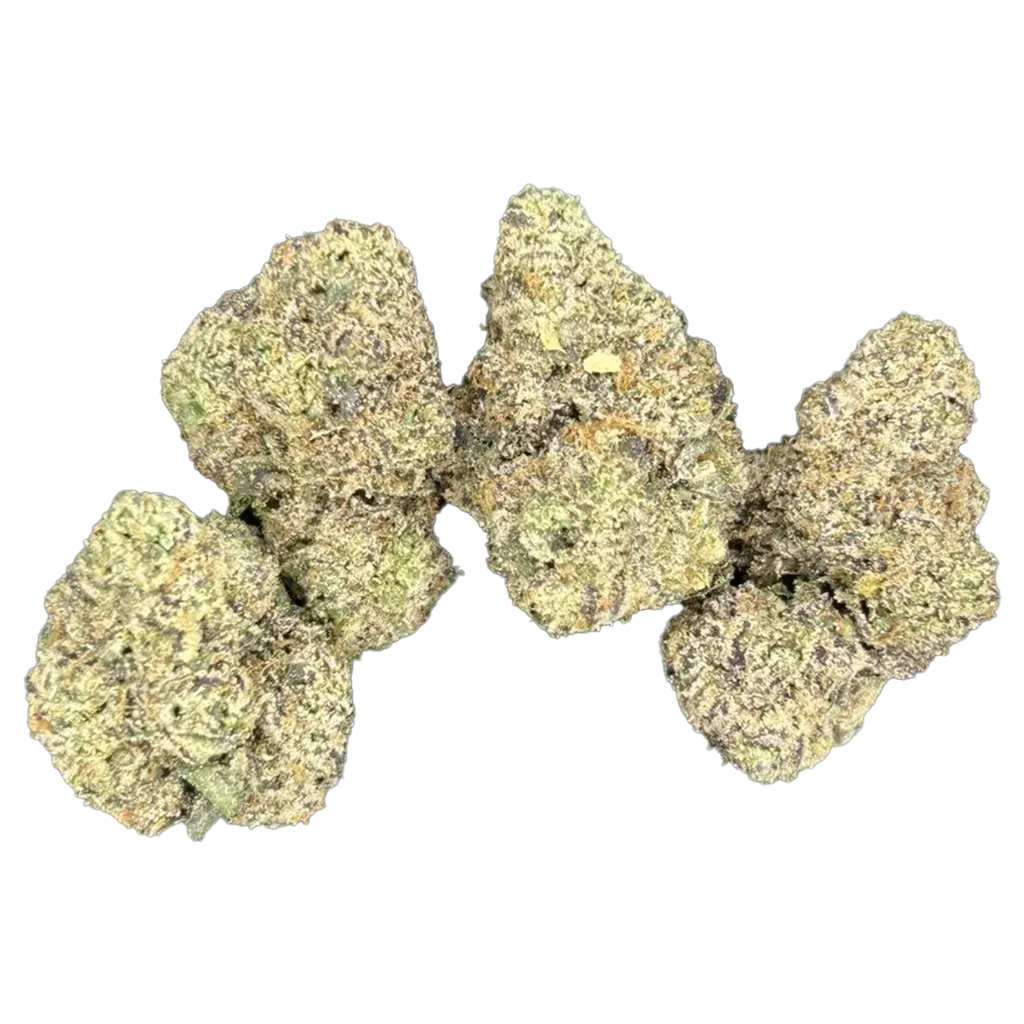
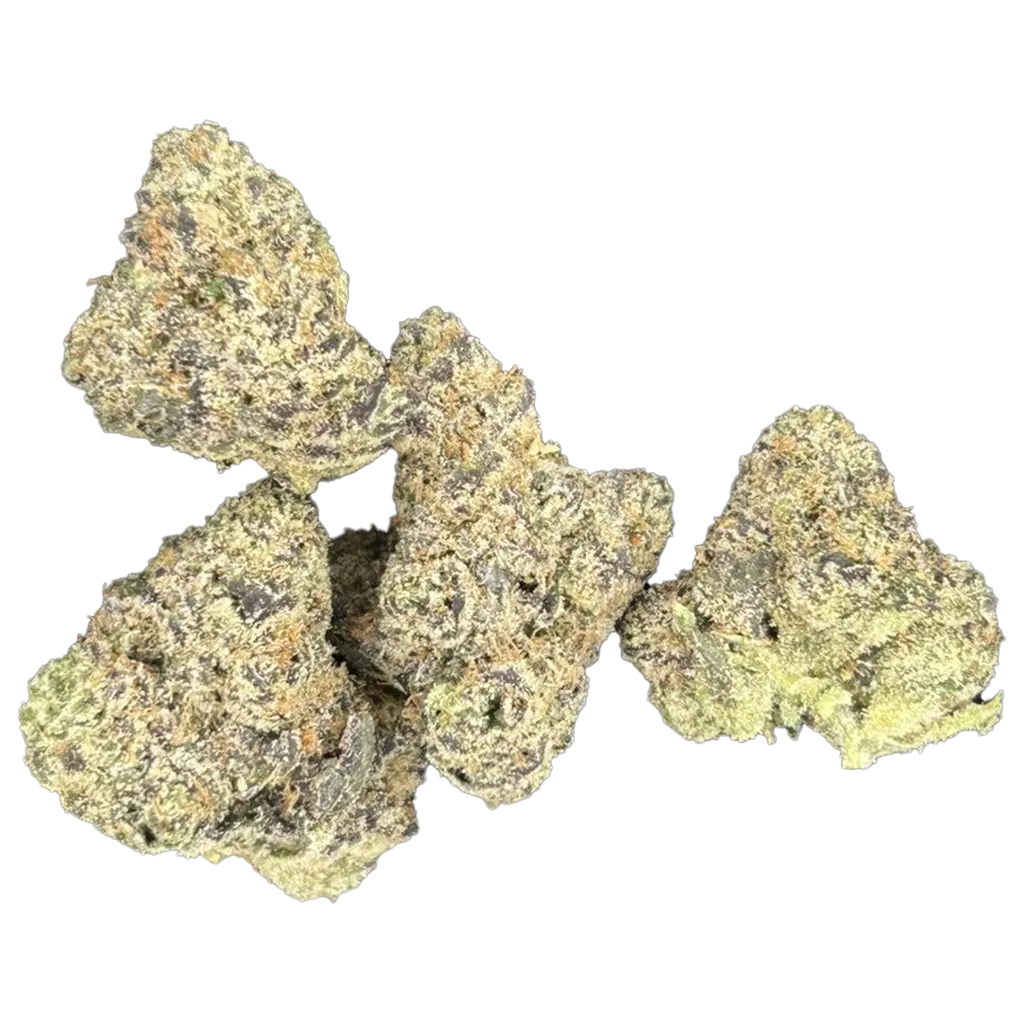
This means that there is a significant difference in the process of terpene preservation, production cost, and quality.
Live refers to the cannabis being frozen immediately after harvesting, without drying and curing prior to extraction. Freezing of fresh cannabis prevents degradation of cannabinoids and volatile terpenes that usually begin breaking down after harvesting. Therefore, extraction allows for the production of a concentrate whose profile is closer to that of the original cannabis, resulting in a concentrate with better aroma and taste.
Both live resin and live rosin are extracted from fresh-frozen flower, which can be a source of confusion for many, since many think that live refers to the concentrate, but it actually does not; the extraction process distinguishes these two high-end concentrates.
Fresh-frozen cannabis is usually used for:
With the clear difference between the two terms, the process of distinguishing between live rosin and live resin becomes easier because both the raw material and the process involved are completely different.
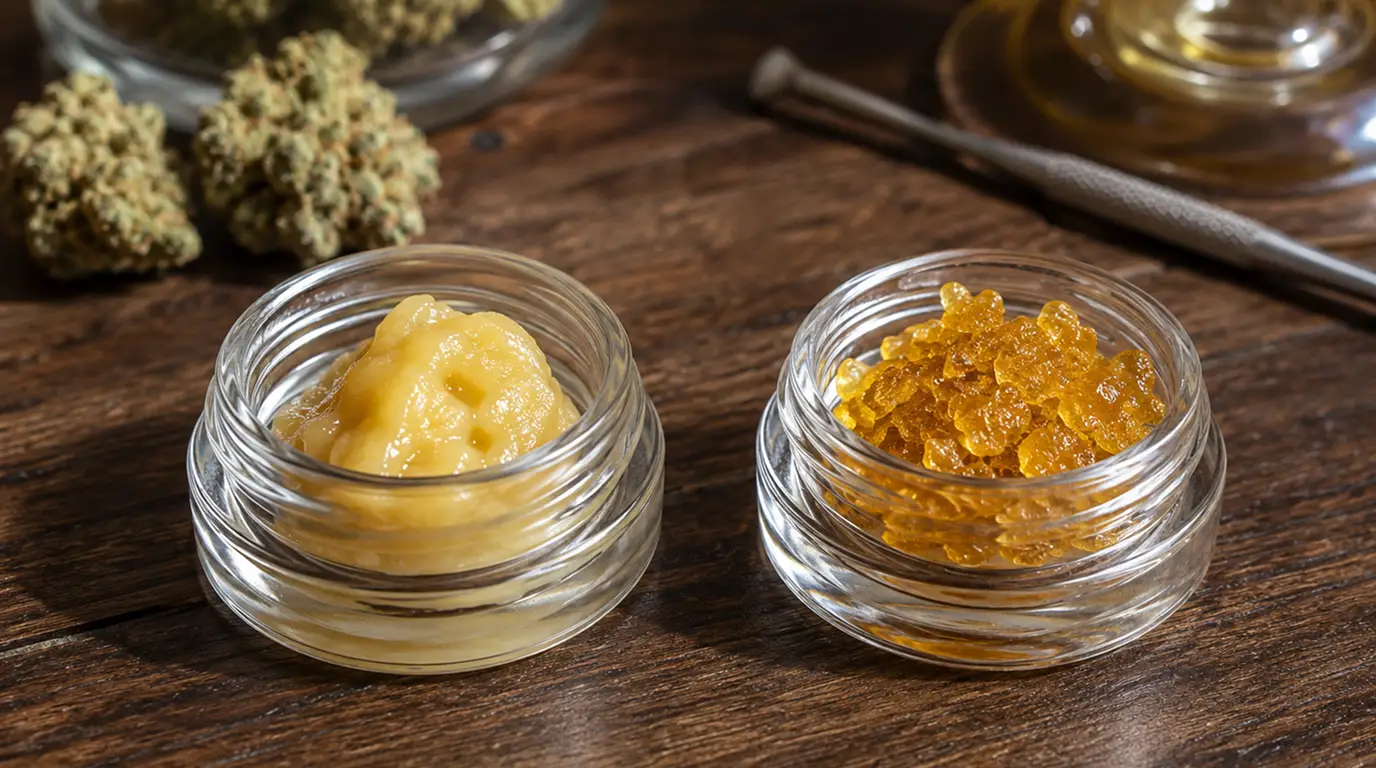
Live Resin is an extract of the cannabis concentrate obtained using hydrocarbons such as butane, propane, and even mixes of both, for extracting cannabinoids and terpenes from the freshly frozen cannabis plant material. After the extraction process, the solvent is removed by means of special purging systems that allow for obtaining the concentrated substance that contains useful terpenes and cannabinoids.
One of the most widely used methods of extraction for commercial purposes nowadays is hydrocarbon extraction since it guarantees reliable cannabinoid recovery, an efficient and convenient production process, and consistency of the batches. Modern producers precisely control pressure, temperature, and time of purge during the manufacturing process, much like the extraction standards discussed in THCA Dabs Guide.
Typically, the concentrations of cannabinoids in commercial live resin products vary between 70% and 90%, while terpene concentration varies between 5% and 15%. Live resin is widely used in:
In the comparison between rosin vs live resin, the preference of most commercial processors is live resin due to its higher yield rates, low cost of manufacturing, and scalability in production.
Live rosin is a premium, solventless cannabis concentrate, often positioned alongside Premium THCA Flower for consumers seeking high-end cannabis products. Live resin extraction is used to achieve a top-class extract that is free from solvent, which includes no chemical compounds or hydrocarbons. To get live resin from marijuana, it is required to freeze and wash the buds in cold water in order to collect trichomes. Further, the substance is freeze-dried and pressed with the help of precise heat and pressure conditions.
As opposed to live resin extraction, live rosin manufacturing involves more laborious processes, special equipment usage, and strict quality control on all stages of production. Slight changes in such factors as moisture levels, temperature, and pressure used while pressing may influence the product’s texture, terpenes preservation, and extraction yield. Since solvent-free extraction usually produces lower yields than live resin extraction, much more fresh frozen material is needed to obtain the same amount of final products.
The content of cannabinoids in commercially available live rosins is 60-80%, while the main feature of live rosin is the terpene profile preservation. When comparing live rosin and resin, one can understand that the higher price of the former is justified by lower yields, a slower extraction process, more processing stages, and solvent-free concentrates’ premium status.
Both types of concentrate start with fresh frozen cannabis. However, the most crucial distinction between live resin and live rosin is the extraction method used to isolate cannabinoids and terpenes. Hydrocarbon solvents are utilized in live resin, while ice water, heat, and pressure are used exclusively in live rosin, with no chemical solvents involved in the process. The above aspects determine many other factors, including terpene preservation, production expenses, consistency, and price.
Choosing between the two concentrates will not be done simply through the kind of product that one decides to use. Buyers also compare concentrate types much like they compare THCV vs THCA when evaluating potency and cannabinoid profiles.
| Feature | Live Resin | Live Rosin |
| Extraction Method | Hydrocarbon solvents (Butane/Propane) | Solventless (Ice Water + Heat & Pressure) |
| Starting Material | Fresh-frozen cannabis | Fresh-frozen cannabis |
| Typical Cannabinoid Range | 70-90% | 60-80% |
| Typical Terpene Range | 5-15% | 6-12% |
| Production Yield | Higher | Lower |
| Manufacturing Scale | Commercial | Small batch / Premium |
| Processing Cost | Lower | Higher |
| Market Position | Premium | Ultra-premium |
Although live resin is ideal for industrial use due to its efficiency and productivity, live rosin is presented as a high-quality product that focuses on the absence of solvents in the extraction process. In any case, both products have their advantages, so there is no general winner.
One of the most obvious differences that the consumer may notice is the price point. The live rosin will typically cost more both wholesale and retail due to the longer process and the amount of material needed.
Unlike hydrocarbon extraction, solventless production involves several individual stages, each requiring careful quality control. Fresh frozen cannabis should first be washed to obtain bubble hash, after which freeze drying occurs prior to rosin extraction. Each of these steps influences the overall yield, thus making the whole process slow and not scalable.
There are several reasons why live rosin is more expensive than other types of rosin:
By comparison, live resin can be produced more efficiently using commercial extraction systems designed for larger production volumes. It enables the producers to extract more cannabinoids from the same quantity of fresh-frozen cannabis, cutting down on the cost of production per gram.
The distinction is important for wholesale cannabis companies since the prices set for the products will affect their inventories and margins, especially when building inventory across THCA Pre-Rolls and concentrate categories. Dispensaries that sell premium products carry live rosin for consumers who want solventless extracts, while live resin is widely used in vape cartridges.
Although consumers like to compare live resin and live rosin with distillate, these three concentrates are made with different intentions. In the process of refining distillates, cannabinoids are separated from all other terpenes found naturally in the plants. Therefore, companies usually have to add terpenes to achieve distinct flavors.
| Comparison | Live Resin | Live Rosin | Distillate |
| Extraction Style | Hydrocarbon | Solventless | Refinement & Distillation |
| Terpene Preservation | High | Very High | Low (often reintroduced) |
| Typical Flavor | Rich | Full-spectrum | Depends on added terpenes |
| Production Scale | Large | Limited | Very Large |
| Common Uses | Dabs, carts, disposables | Premium dabs & carts | Vape carts, edibles, infused products |
Each type has its specific use. Cannabis distillates have gained acceptance in industries where cannabis is produced due to their wide applicability, whereas live resin and live rosin suit consumers interested in terpene-infused products.
In deciding whether to opt for live resin or rosin carts, it all comes down to personal preference. Both products may be derived from fresh frozen cannabis, but they have differences when it comes to the extraction process, taste, price, and scalability.
Live resin cartridges are extracted via the hydrocarbon process, hence more accessible, affordable, and ideal for large-scale production compared to the live rosin cartridges that utilize the solventless bubble hash extraction process.
Some of the considerations when selecting between the two are:
For wholesale markets, live resin carts offer better scalability and pricing, while live rosin carts cater to consumers seeking premium, solventless cannabis extracts.
Neither live rosin nor live resin has proven itself as a winner because both concentrates have their unique purposes. The better solution will depend on the preference, whether it’s about production efficiency, solventless processing, taste preservation, or even cost-effectiveness.
Despite all the disadvantages of live resin, it still remains the winner of commercial production as a result of the ability to produce large quantities of concentrates, efficient yield, and low processing costs. These features make it the perfect solution for the production of vape cartridges and disposable vapes.
From the wholesale point of view, many cannabis brands offer both concentrates without giving preference to any of them. Live resin is designed for clients who want high-quality products with affordable prices. Live rosin is a product for those people who want to pay extra money for solventless processing and limited batch production.
The comparison between live resin and rosin extends beyond just the technique used for extracting the concentrate. The dissimilarity in how the two concentrates are produced impacts their ability to preserve terpenes, cost of production, amount of material extracted, and even market status. Live resin allows efficient mass production of the concentrate with a good cannabinoid extraction rate, while live rosin focuses on solventless extraction and high-quality product by means of a more complicated production procedure.
With the development of the market of cannabis concentrates, both products retain their relevance within the wholesale and retail segments. At TerpSourced, we help wholesale buyers compare concentrates like live resin and live rosin so they can choose products that best match their quality standards and pricing strategy. Live resin is used in cartridges, disposables, and concentrates due to mass production and reliable production procedure, while live rosin retains its attractiveness for solventless concentrate consumers looking for flavorful extracts. Such knowledge may help in choosing the right concentrate, taking into consideration such factors as quality requirements, pricing strategy, and consumption type.
The main difference is the method of extraction. It can be called live resin vs live rosin, as one concentrate uses solvents during the process of extraction, while the other does not.
Sometimes yes, sometimes no. Live resin usually has higher percentages of cannabinoids, whereas live rosin is better due to its broad spectrum of terpenes and flavor.
It is more expensive because live rosin needs several stages of processing, such as bubble hash making, freeze drying, and pressing. As opposed to live resin vs live rosin, solventless extraction results in lower yield and higher prices for manufacturing.
They both are terpene concentrates; however, more people like live rosin due to its method of extraction, which saves a broad spectrum of naturally produced terpenes.
None of them is better. It all comes down to the specific preferences of an individual when talking about live resin vs rosin carts. Live resin carts are generally less expensive and more easily accessible than live rosin carts.
It merely indicates that the cannabis used was flash-frozen right after harvesting rather than drying and curing first.
No, distillate is different from live resin and rosin when comparing these types. The distinction between the two comes with respect to the distillation process, during which terpenes are added back to the distillate.
Depends on the intended market segment. Live resin allows for greater quantities to be produced at a lower cost, while live rosin is marketed as a premium concentrate to those desiring solventless extracts and small batches.
Yes, both concentrates are often used in dabbing, providing rich terpene profiles.