Very few strains of cannabis have created as much buzz in the recent past as the Zoap strain. With its unique aroma, good trichome production, and very high THC level, it is one of the favorite strains for both experienced users exploring high-quality THCA flower and growers of cannabis.
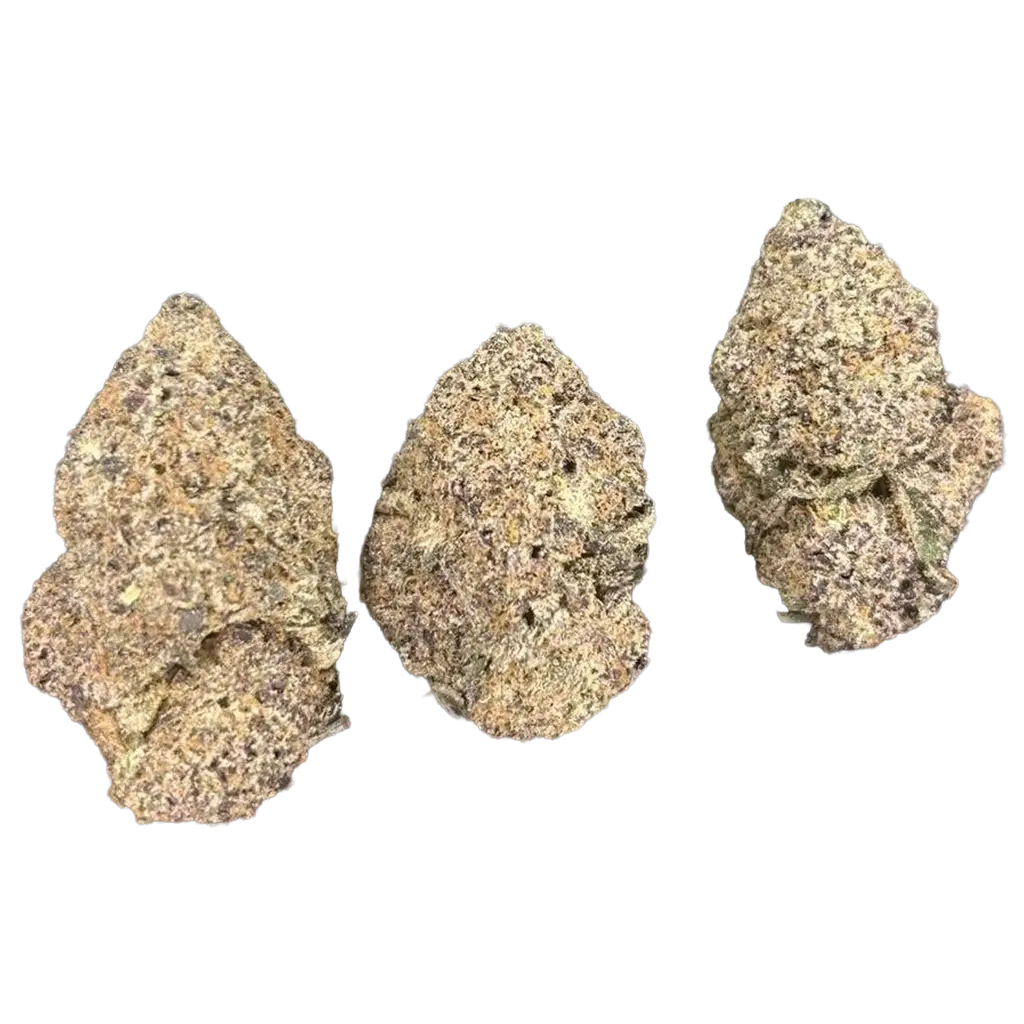
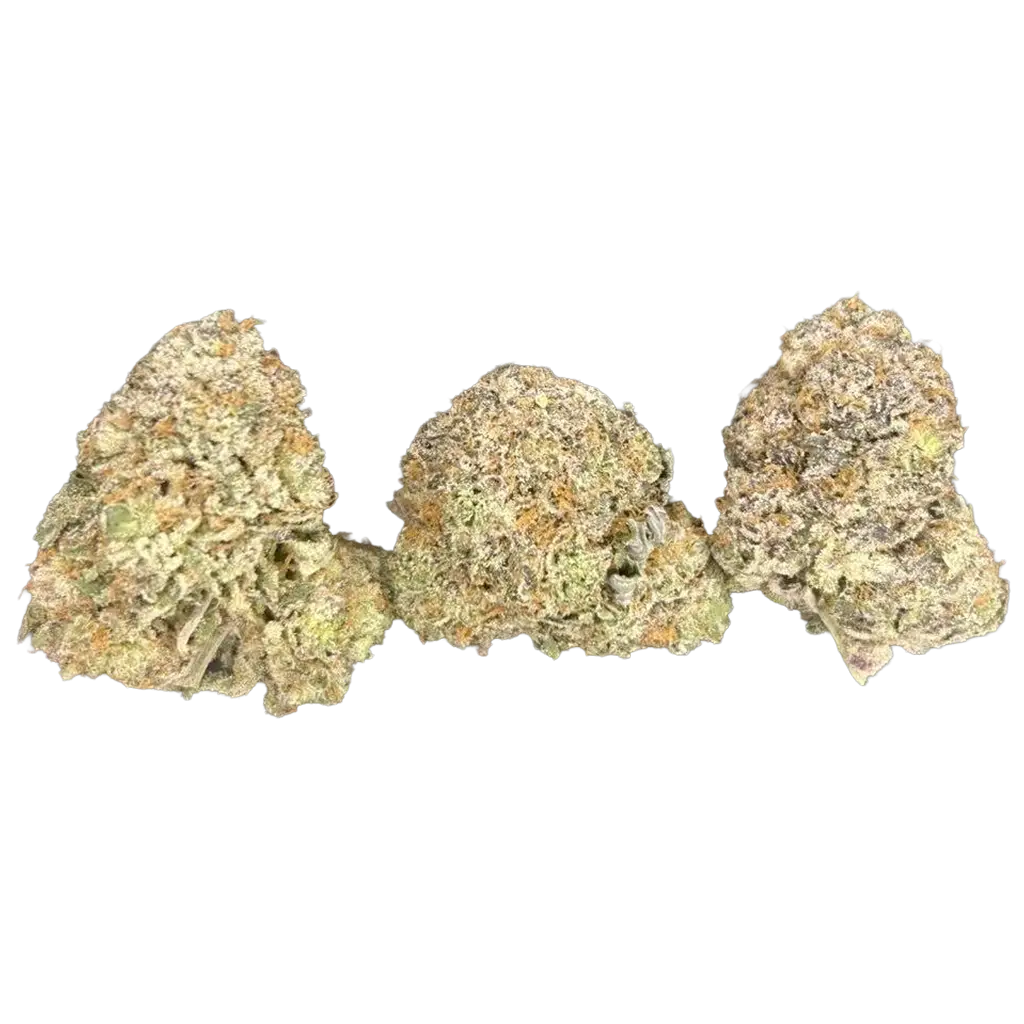
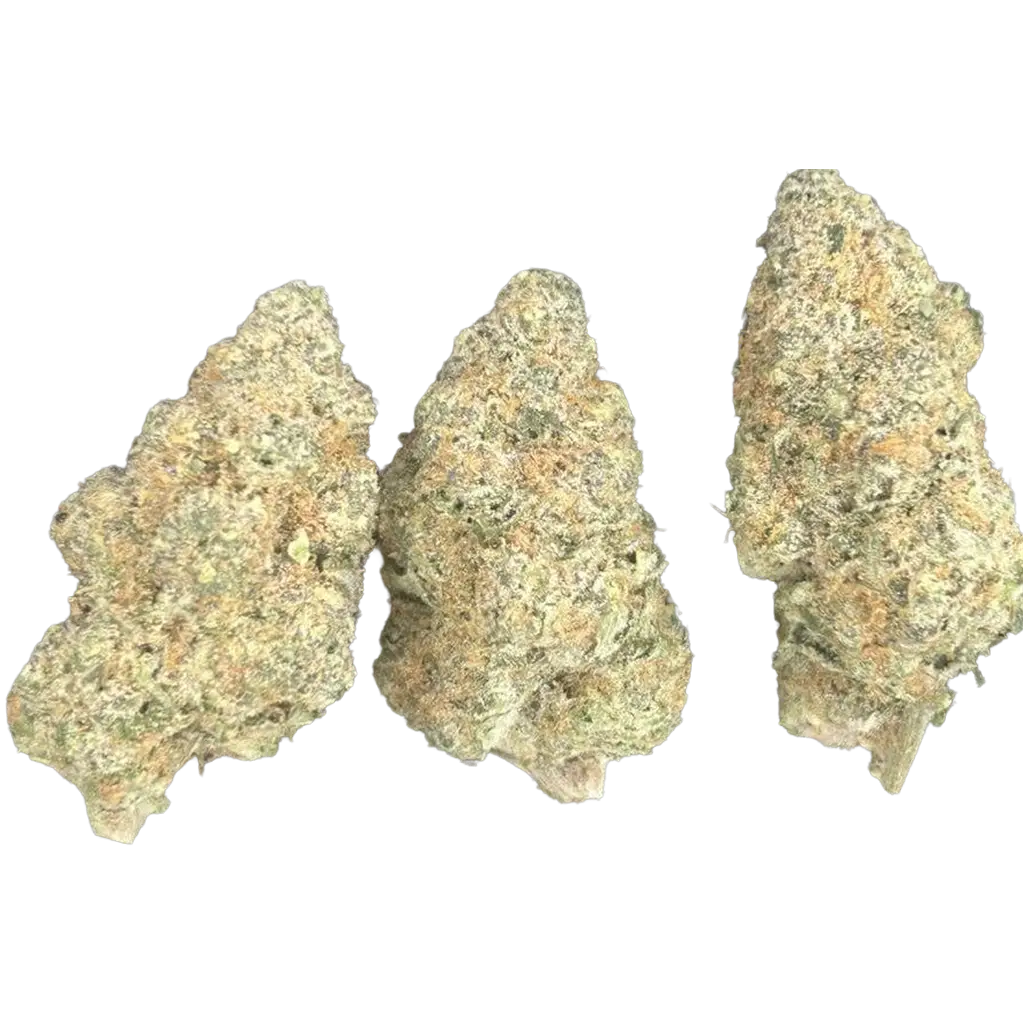
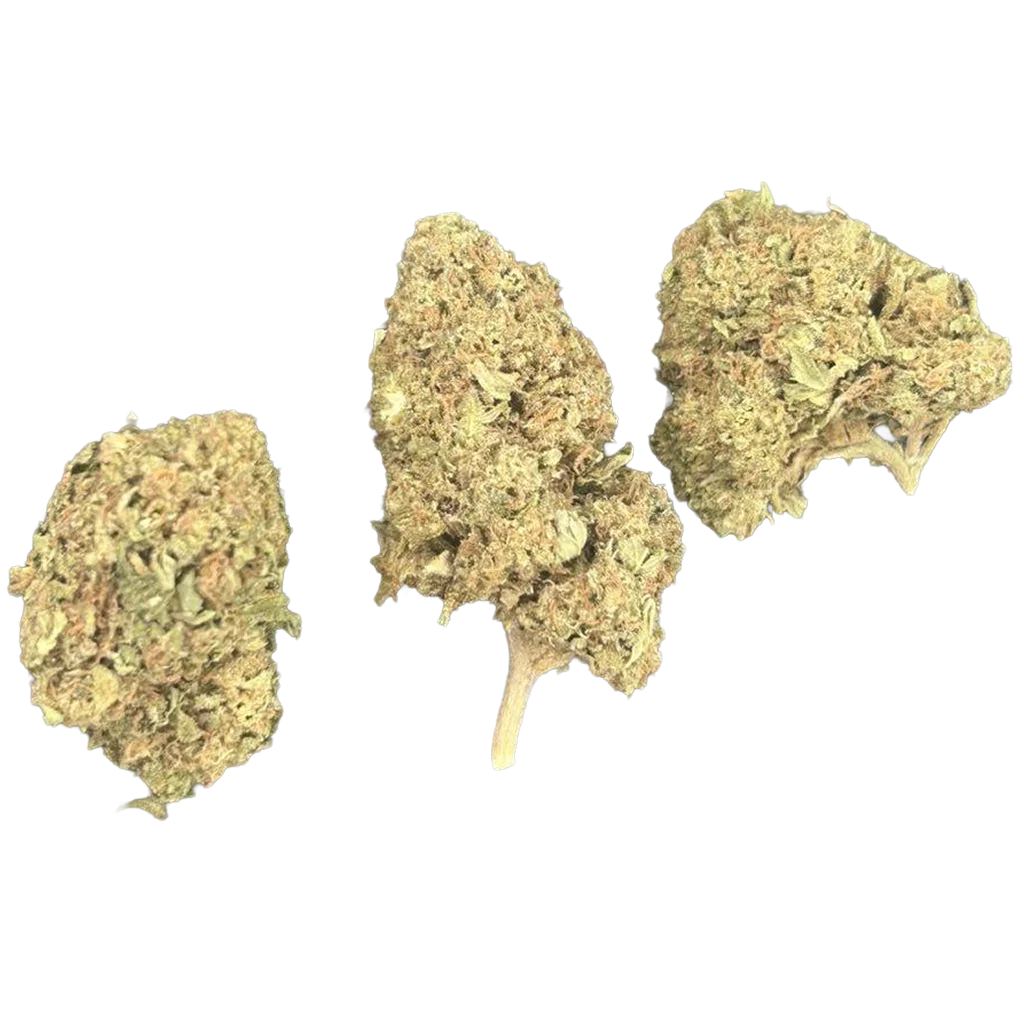
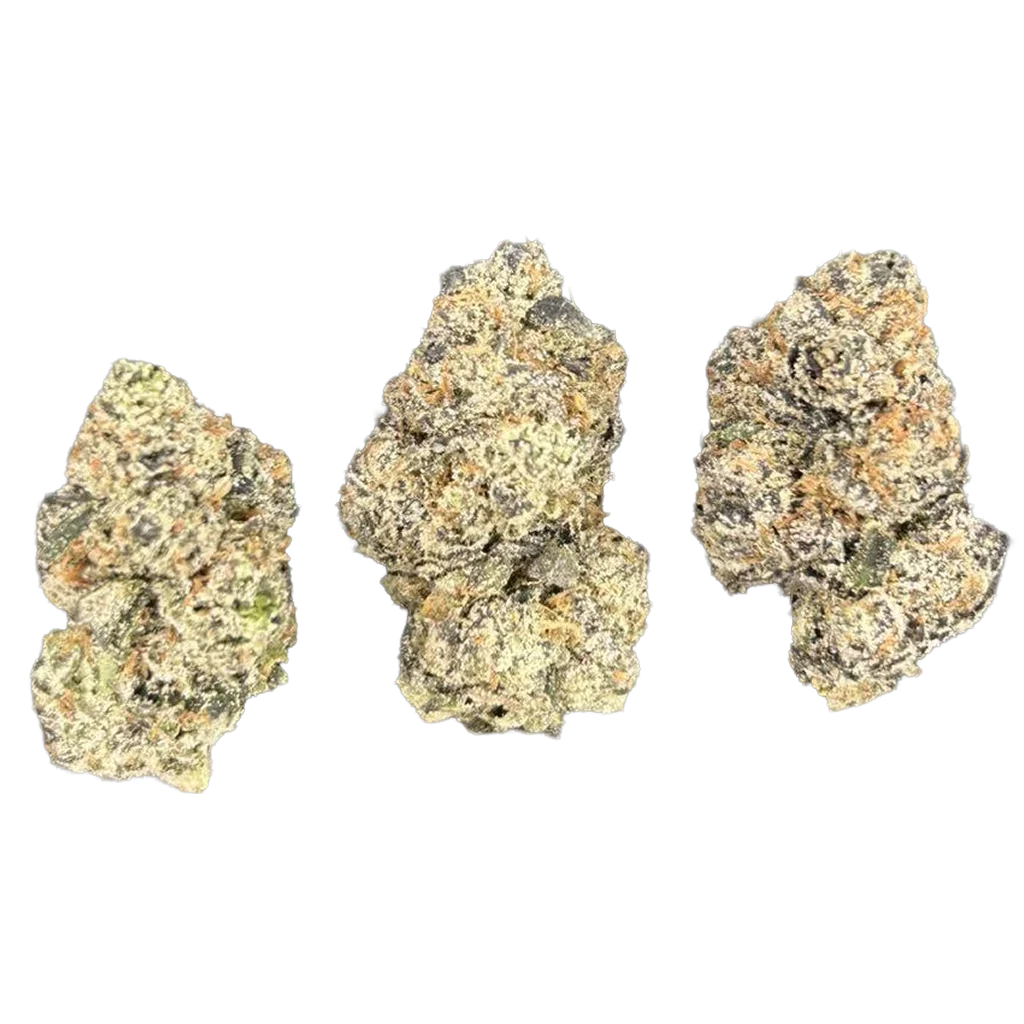
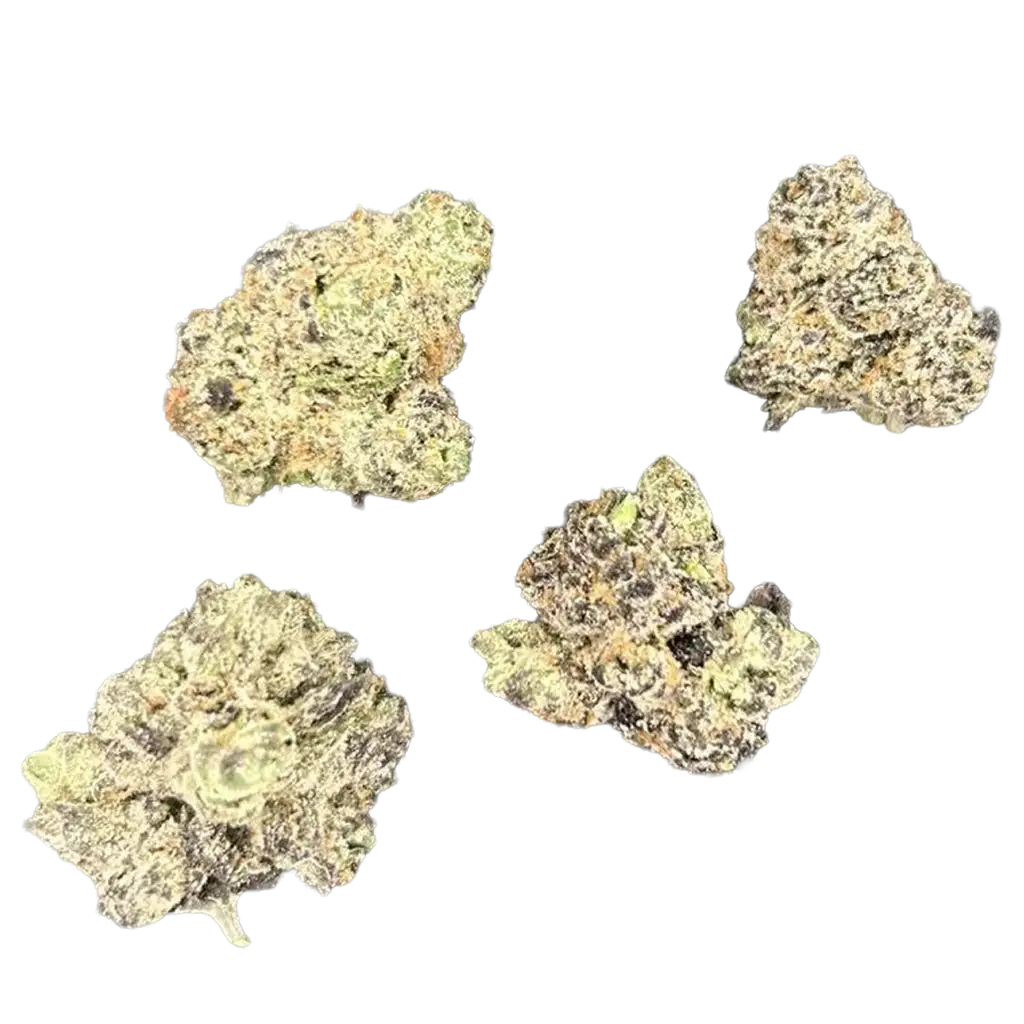
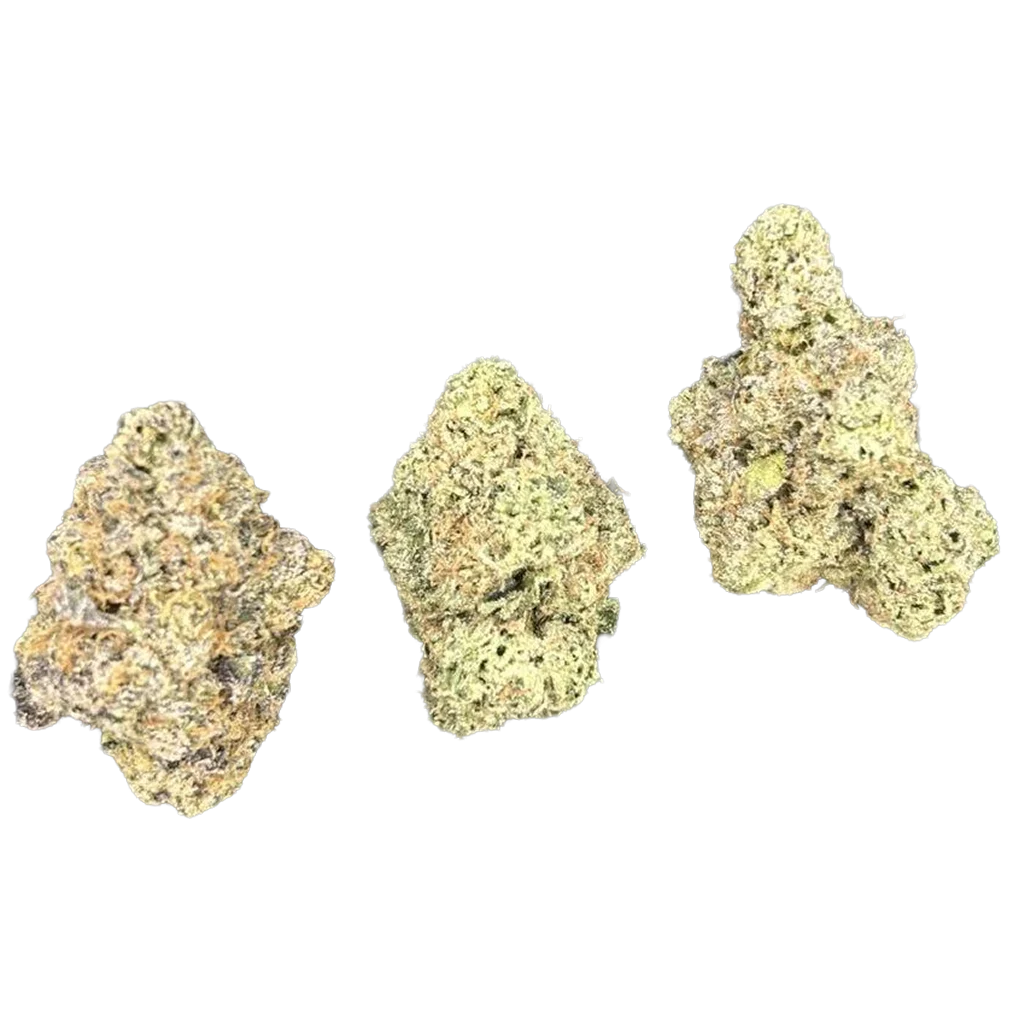
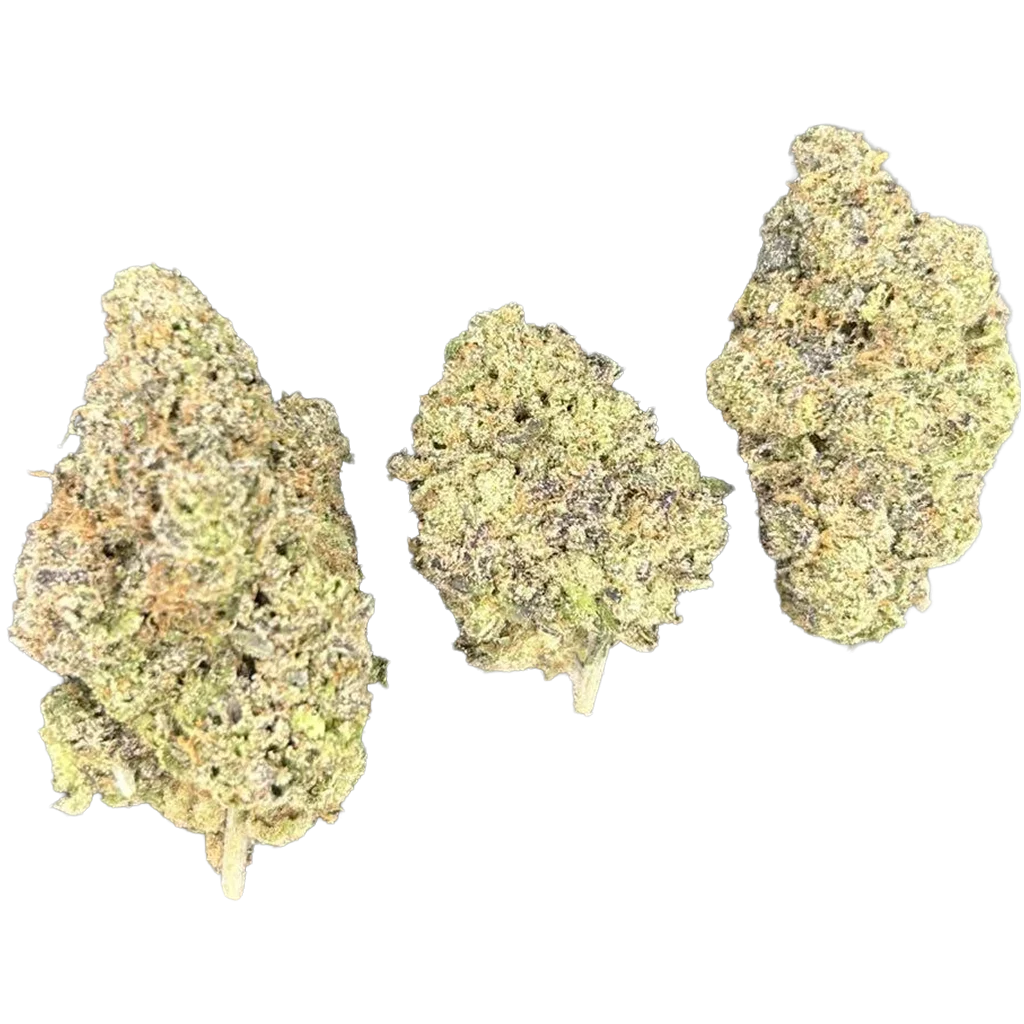
While many are attracted to the colorful buds of the Zoap strain, it is its genetics and the sensory attributes that make it special. Let us find out more about this hybrid strain.
Zoap strain is a hybrid cannabis strain bred between Rainbow Sherbet and Pink Guava that offers both bag appeal and an exotic terpene profile, much like other modern cultivars featured in our Gelato 41 genetics guide, combined with high cannabinoid content. The strain was originally developed by DEO Farms and further popularized in the form of Wizard Trees.
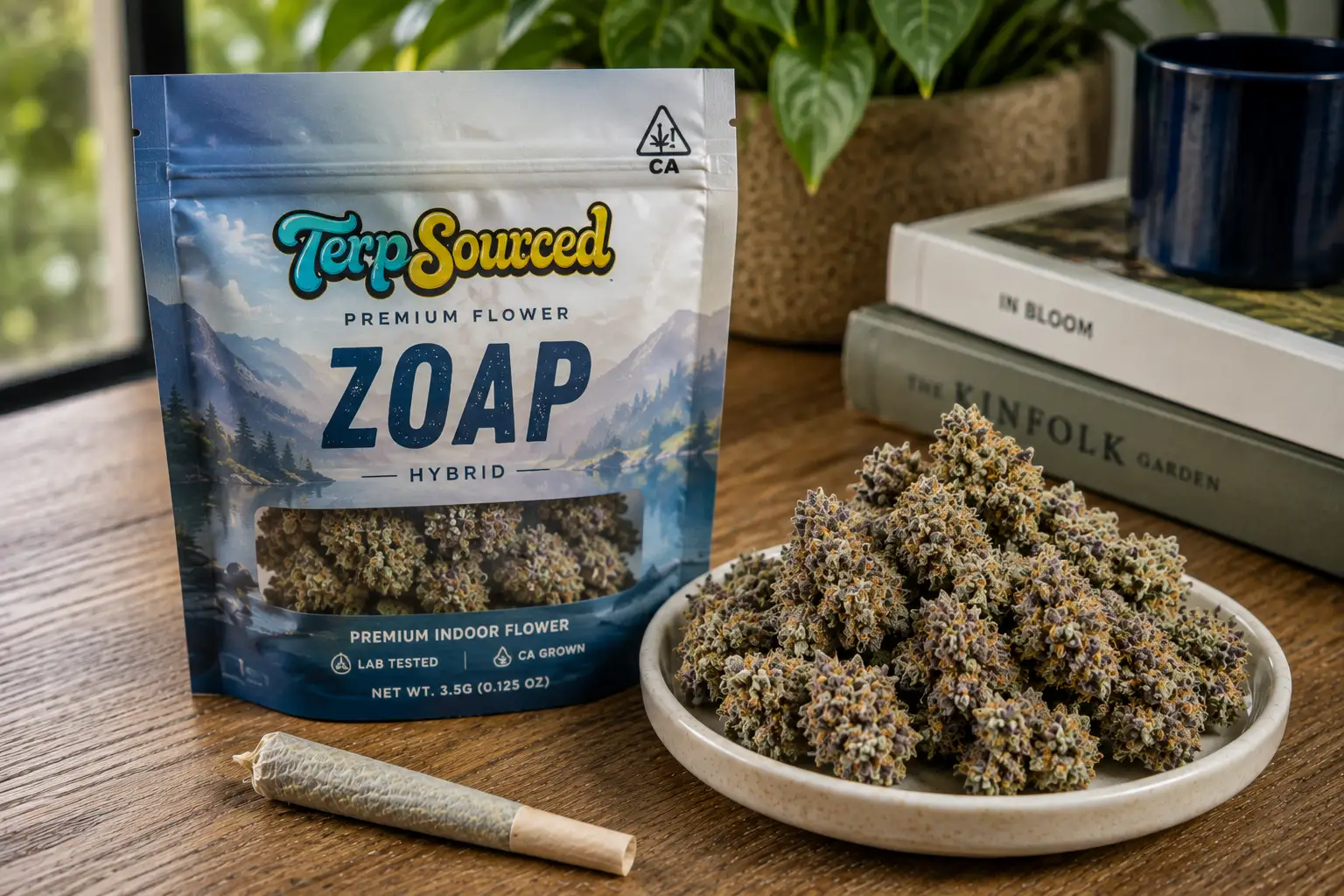
The tested flower usually contains between 22% and 27% THC, though there might be variations depending on the way the strain is cultivated. Densely covered with resin glands, brightly colored, and having a strong citrusy scent, this strain is especially attractive to experienced consumers. Contrary to most of the new hybrid strains bred only to provide high levels of THC, Zoap offers its users the opportunity to enjoy the taste and terpene profile.
Before exploring its aroma and effects, it helps to understand the cultivar’s core characteristics. The following table summarizes the traits most commonly associated with the original Zoap selection, often found in bulk THCA flower offerings.
| Characteristic | Details |
| Strain Type | Balanced Hybrid |
| Genetics | Rainbow Sherbet × Pink Guava |
| Typical THC | 22-27% (premium batches may test higher) |
| CBD | Usually below 1% |
| Dominant Terpenes | Caryophyllene, Limonene, Humulene |
| Flowering Time | Around 8-10 weeks indoors |
| Aroma | Sweet citrus, candy, floral, creamy, slightly “soapy” |
| Flavor | Tropical fruit, citrus zest, creamy candy with earthy undertones |
| Resin Production | Heavy trichome coverage |
| Best Suited For | Afternoon or evening enjoyment |
It’s quite easy to find out: there is no straightforward single-word solution to the Zoap strain indica or sativa dilemma, as Zoap can be defined as a hybrid strain. As a result, it has some traits from both parents, similar to the characteristics explained in our guide on Runtz weed genetics.
Many consumers describe the experience as:
There are certain considerations that determine how a person reacts to this product, such as their tolerance level, terpene content, the percentage of cannabinoids, and the particular phenotype developed by the grower. Such characteristics make Zoap a good choice for those who desire power without extreme relaxation.
The zoap weed strain is often recognized by its unusual scent, which many describe as sweet candy layered with citrus and a clean, almost “soapy” finish. Instead of being produced by one particular compound, it is created through the blending of various terpenes as well as some natural components that are present within plants. Though terpene content varies among different growers, laboratory analyses reveal that the same base aroma exists, making it a favorite among shoppers looking for online THCA flower.
| Terpene | Typical Contribution |
| Caryophyllene | Peppery spice with subtle earthy depth |
| Limonene | Bright citrus notes and fresh sweetness |
| Humulene | Herbal, woody undertones that balance sugary aromas |
| Minor Terpenes | Floral, tropical, and creamy nuances that round out the profile |
These are what make up the layered aroma that makes Zoap stand out from other fruit-based hybrids without overwhelming the palate.
While every individual’s personal experience is different, the majority of consumers have said that Zoap provides a balanced journey rather than a rush right away. There are many things, like cannabinoid profile, terpene profile, dosage, and tolerance, that contribute to this experience. Consumers who prefer portable options can find similar strain profiles in THCA disposables, while our guide to dispensary-grade THCA flower explains how premium flower is evaluated.
As many batches are found to have a concentration of THC above 22%, the new users can find it helpful to consume less of it initially.
The popularity of Zoap is not based only on THC content. It gained fame as a strain that provides all four important factors – looks, aroma, taste, and potency – together in one cultivar. Trichomes cover buds, giving them a frosty look, and vivid colors of green, purple, and orange make Zoap easily noticeable among other strains in dispensaries.
Growers value this strain for stable resin production and good bag appeal as well, thus helping premium flower gain more popularity. As for consumers, Zoap is a balanced hybrid giving users the opportunity to have their favorite taste and potency without being completely knocked out. Interest of boutique breeders in this strain also provided some variations like blue zoap strain, banana zoap strain, cherry zoap strain, and black zoap strain.
With the increased popularity of Zoap in both the growing and consumer communities, there have been attempts at creating phenotype selections and hybrid crosses based on its genetics. However, although these strains share a lot of similarities with the original strain when it comes to genetics, there are certain other qualities that set them apart in terms of flavor and appearance.
Zoap continues to be one of the most identifiable hybrid cultivars of recent times due to its balanced genetics, aromatic profile, excellent trichome formation, and solid cannabinoid content. Be it the genetics behind the strain, knowing what type of hybrid it is, or variants such as Blue Zoap and Cherry Zoap, being aware of what makes it popular is important for a better understanding.
With time going by and breeding technologies developing, Zoap is bound to give way to even more distinctive strains, but at the same time keep its status as a standard for cannabis flower. At TerpSourced, we understand that the knowledge about genetics, chemical properties, and the history of cultivation helps make informed choices.
The use of zoap is more appropriate for those who have prior experience with cannabis, as the average concentration of THC is about 22% to 27%. For the new users, caution needs to be taken as far as the amount used because of its high potency and terpenes.
Yes, the unique sweet candy, citrus, creamy, and somewhat “soapy” odor is among the distinctive features of the weed strain.
The strain is usually considered a hybrid that combines both sativa and indica effects. Instead of being mostly stimulating or relaxing, it provides a balanced effect with uplifting cerebral sensations combined with relaxation.
The most prevalent range for lab-tested Zoap flower is 22% – 27%, although some premium indoor phenotypes will exceed that level. Genetics, growing conditions, harvesting times, and even curing techniques are all elements that will affect the total percentage of cannabinoids contained in a particular strain.
The most common terpenes that can be found in Zoap include caryophyllene, limonene, and humulene, which result in the characteristic scent of sweet citrus, creamy candy, herbal, and slightly spicy flavors.
It is safe to say that Zoap has gained recognition as a premium strain thanks to its high content of cannabinoids, trichome levels, bag appeal, and unique terpene profile.
No. These are usually phenotypes and crosses of the initial Zoap genetics, having their distinctive flavors, aromas, and appearance.
Based on most consumers’ experience, Zoap is known to taste like tropical fruit, along with sweet candy and citrus, and creamy with an earthy kick. The specific flavor of Zoap will obviously depend on the particular phenotype used and harvesting, so it may vary slightly from one breed to another.
The reasons for this popularity include not only its high THC levels but also the combination of bag appeal, strong aromas, resinous buds, and the overall experience of a hybrid.