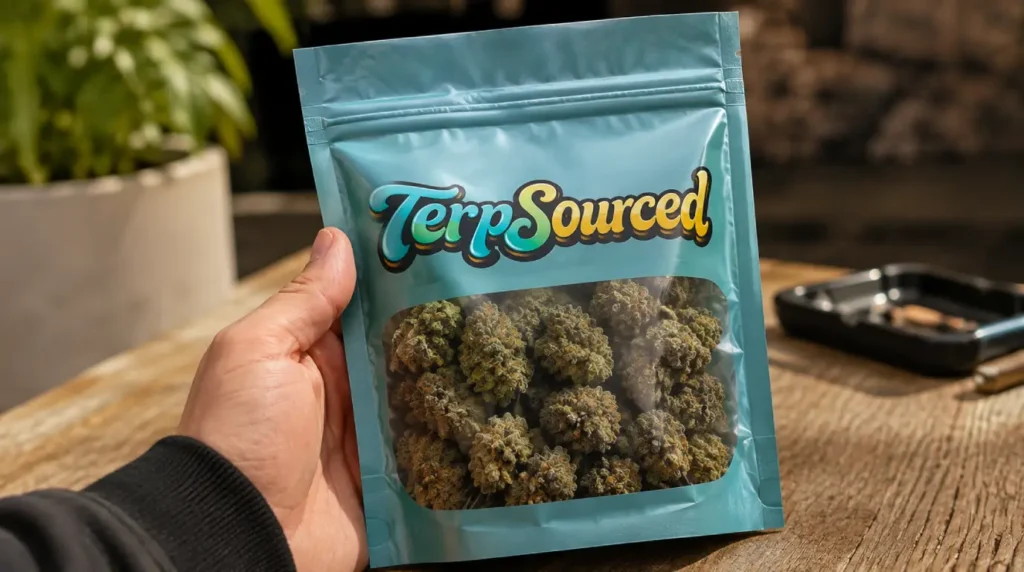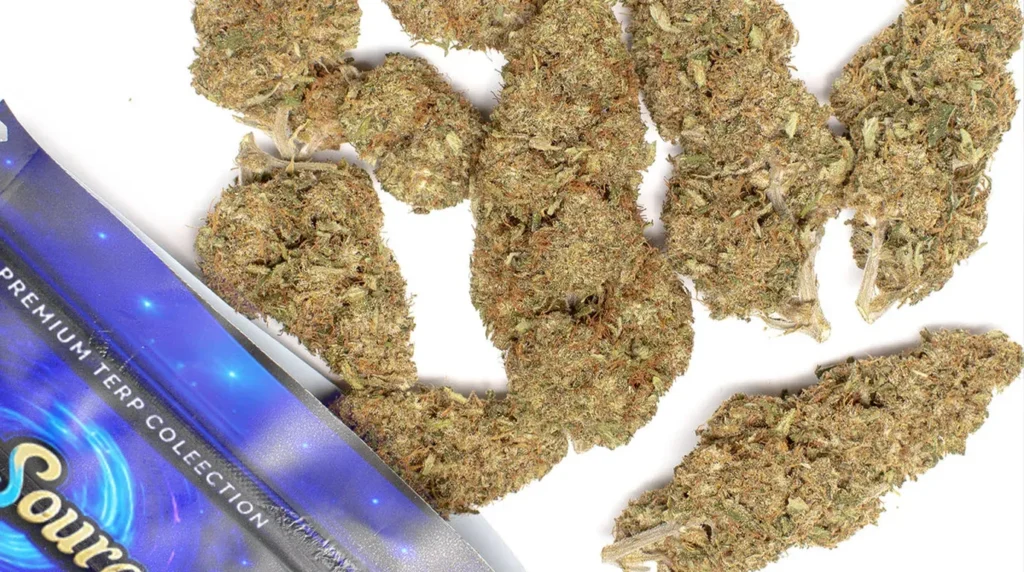

THCA shake is one of the most overlooked cannabis products on the market. While many people focus on whole flower, shake remains widely used for prerolls, extraction, and other cannabis products because it can provide strong cannabinoid content at a lower cost. For buyers focused on value, THCA shake often offers a way to access cannabinoid-rich material without paying premium flower prices.
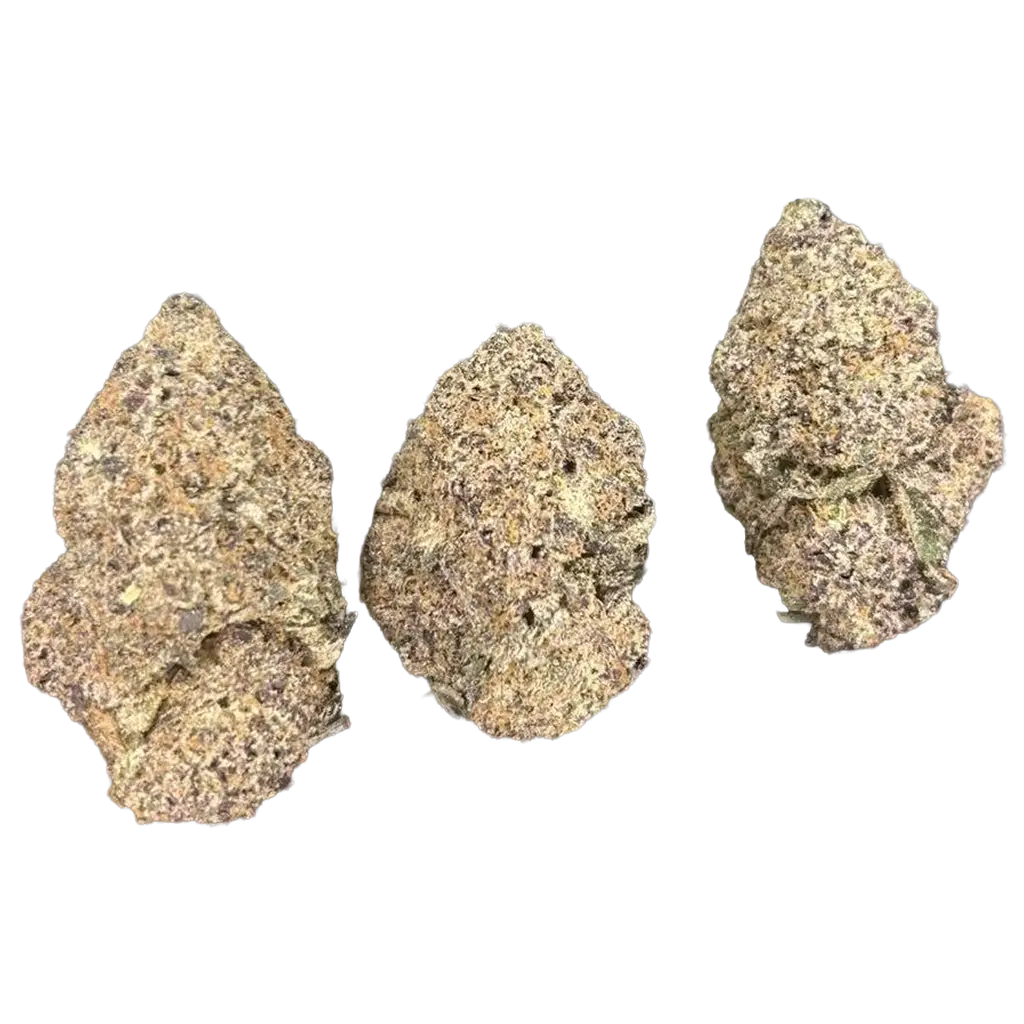
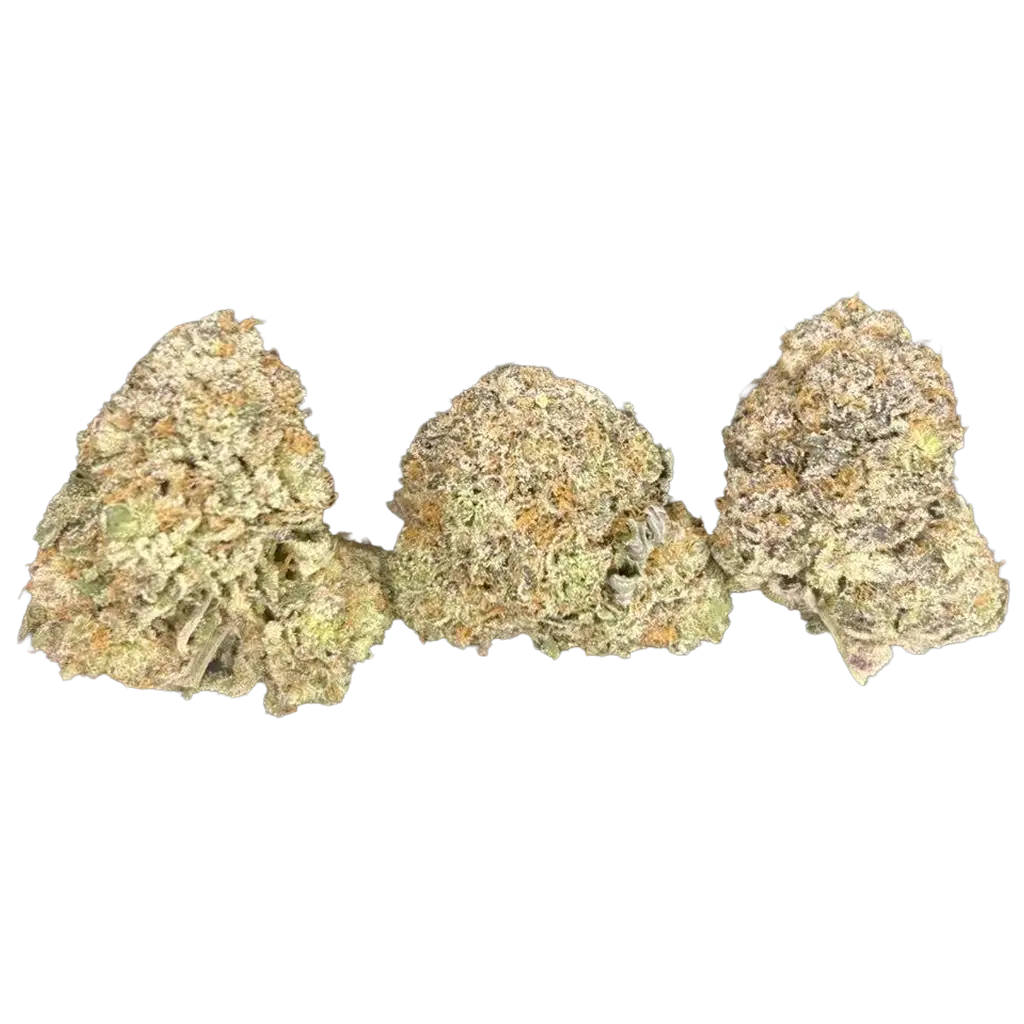
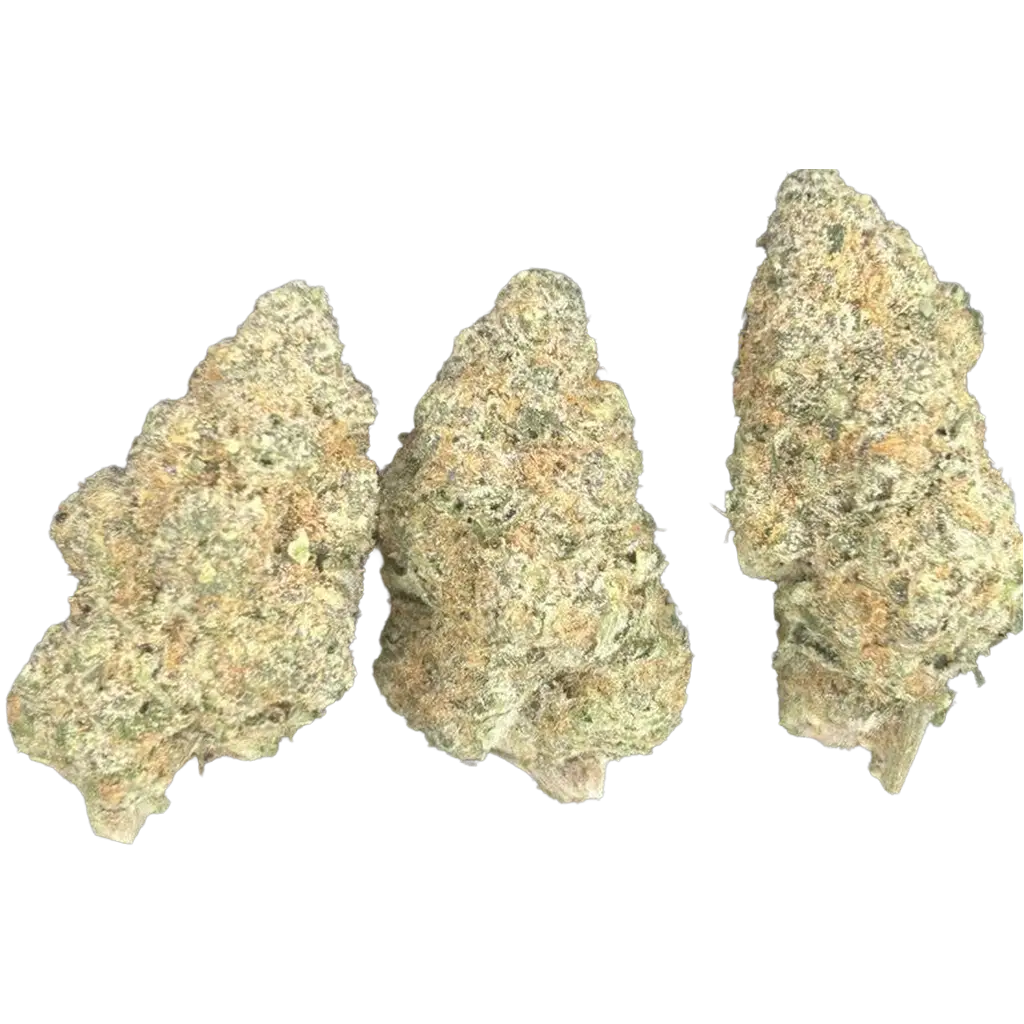
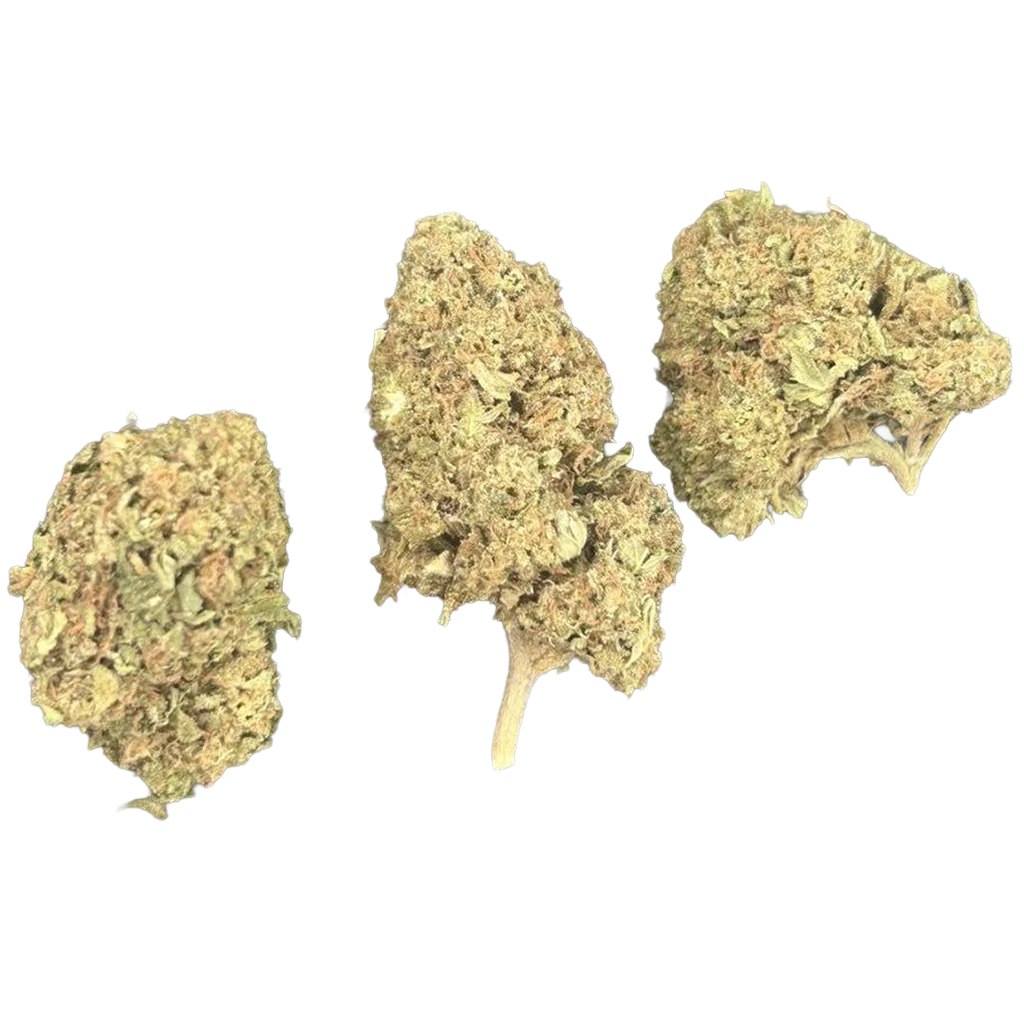
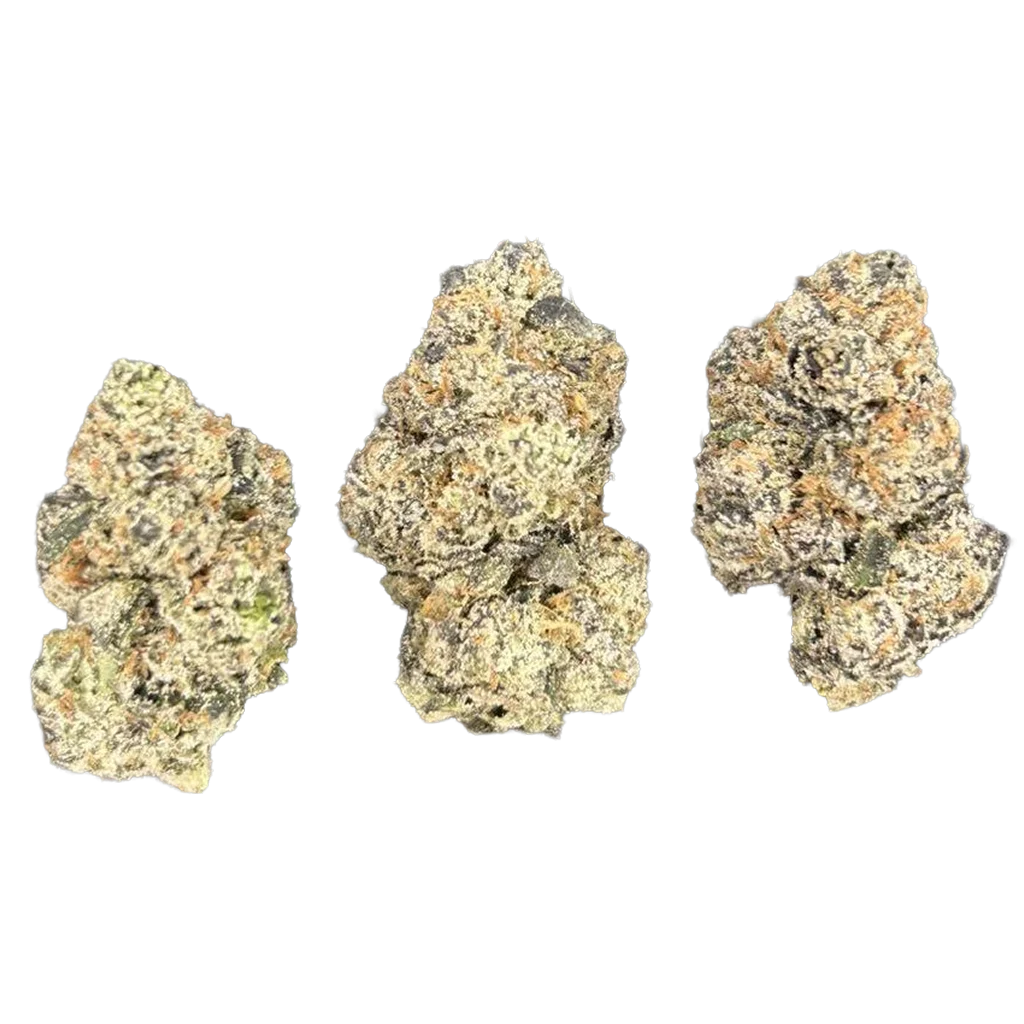
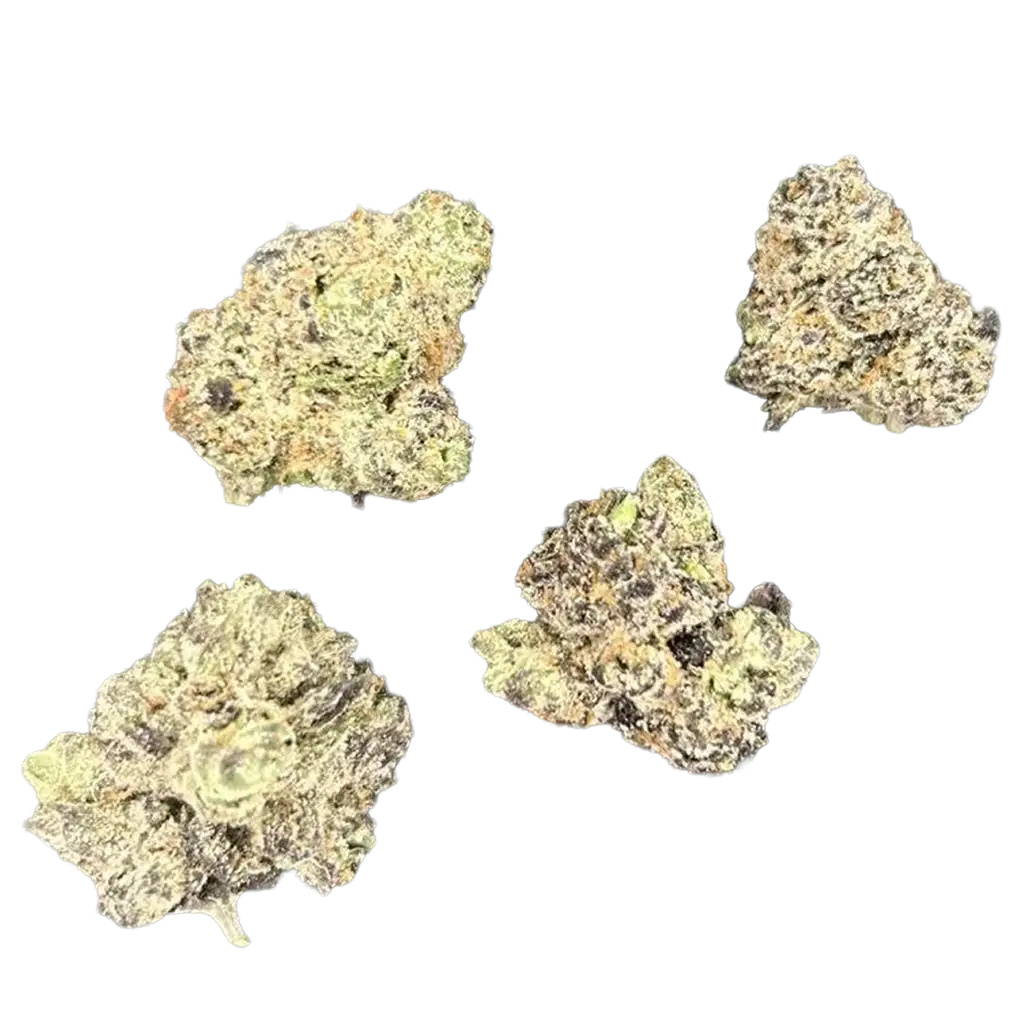
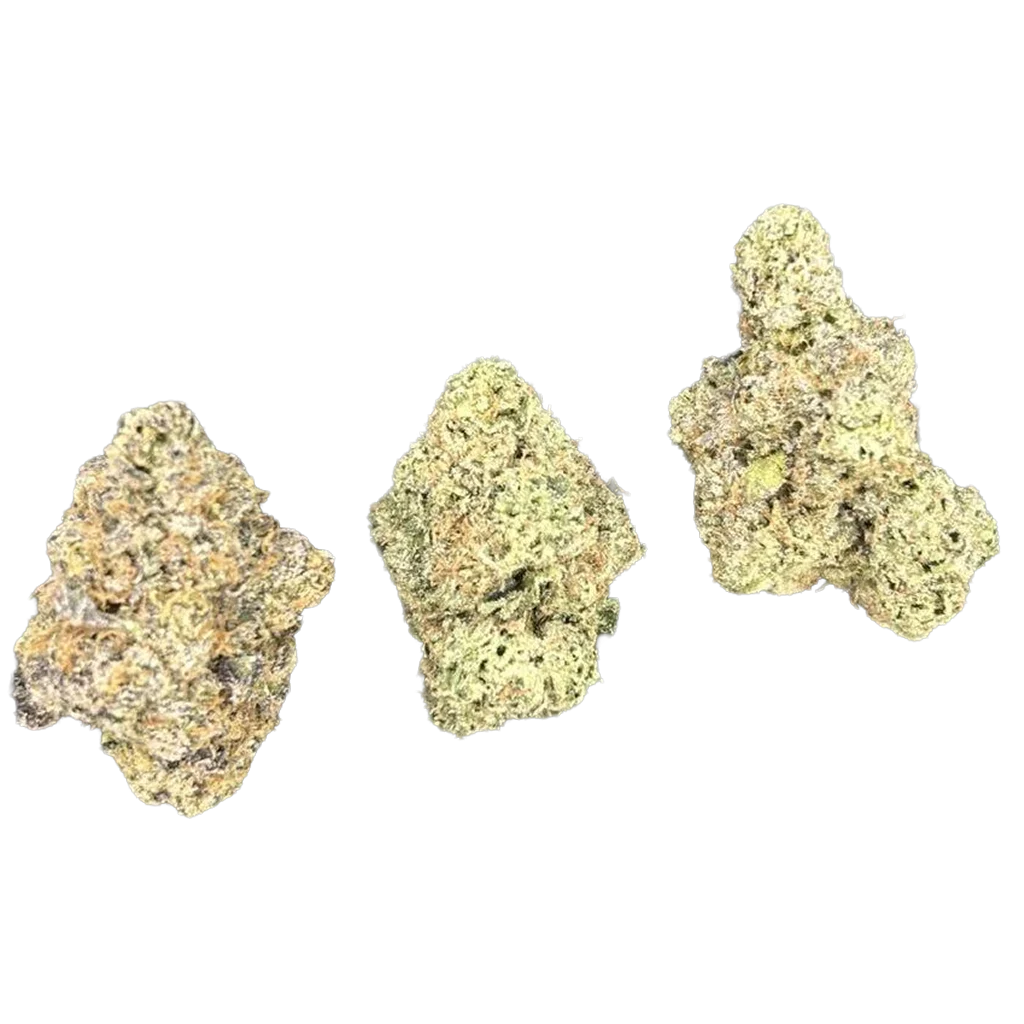
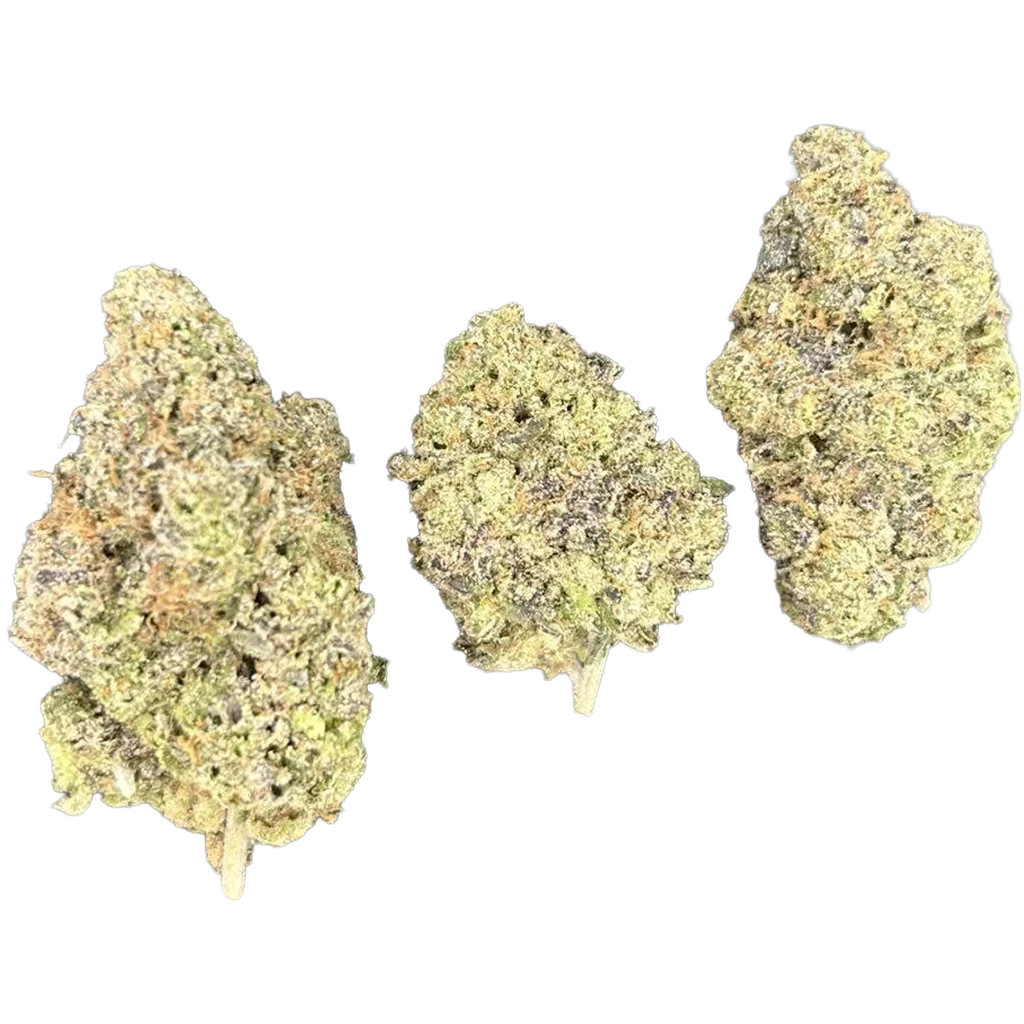
Not every shake lot performs the same way in production. Differences in cultivation practices, trichome retention, moisture levels, and post-harvest handling can significantly affect extraction yields, preroll consistency, and overall manufacturing value. Understanding those variables helps sourcing teams avoid costly purchasing mistakes.
THCA shake refers to the small flower fragments, trichomes, and cannabis material that naturally separate from larger buds during harvesting, trimming, packaging, and transportation. Although some people think of shake as leftover material, it can still contain flower fragments, trichomes, and cannabinoids that make it useful for a variety of cannabis products.
The quality of shake largely depends on the flower from which it originates, particularly when sourced from premium THCA Flower inventory. Shake generated from premium indoor flower generally contains more cannabinoid-rich fragments and trichome coverage than material produced from lower-grade cultivation lots. As a result, potency levels and processing performance can vary considerably between suppliers.
Many buyers are surprised by how much usable flower material can be found in high-quality shake. Some batches contain visible flower fragments and trichome-rich pieces that closely resemble finely broken buds.
In some premium lots, shake contains enough resin-rich material that cannabinoid percentages approach those of lower-grade flower. This is particularly common when the source material comes from dense indoor cultivars that experience minimal handling losses during processing.
Experienced procurement teams typically focus on laboratory results, moisture stability, and biomass composition rather than visual appearance. For many manufacturing applications, operational performance matters more than bag appeal. As cannabis production continues evolving, thca shake remains an important inventory category supporting prerolls, concentrates, infused products, and bulk cannabinoid processing.
Shake is created throughout several stages of cannabis production rather than during a single manufacturing process. Every time a flower is harvested, trimmed, sorted, packaged, or transported, small amounts of material naturally separate from larger buds.
The largest volume of shake is typically generated during trimming operations. During this stage, trichome-rich flower fragments and sugar leaves become separated from finished buds.
After harvest, growers and processors typically sort flowers into different categories based on size, appearance, and intended use. Smaller flower fragments may be separated and designated as THCA shake rather than sold as whole flower, similar to the material often used in THCA Pre-Rolls production.
Additional shake develops during packaging, storage, and transportation. Even premium flower naturally sheds small amounts of material as products move through distribution channels.
The final composition depends on cultivation quality, trimming practices, handling procedures, and post-harvest standards. This explains why two suppliers selling shake may offer dramatically different cannabinoid percentages and processing performance.
Although the terms are frequently grouped together, thca trim and shake are not the same product. Understanding the distinction helps buyers make more informed sourcing decisions and avoid overpaying for lower-value inventory.
| Category | THCA Shake | Cannabis Trim |
| Primary Material | Flower fragments | Sugar leaves |
| Trichome Content | Generally Higher | Generally Lower |
| Typical THCA Range | 12-24% | 5-15% |
| Extraction Suitability | High | Moderate |
| Preroll Usage | Common | Limited |
| Wholesale Value | Higher | Lower |
A quick visual inspection often reveals the difference. Quality shake usually contains small flower pieces and visible trichomes, while trim tends to contain more leaf material and fewer cannabinoid-rich fragments.
Shake primarily consists of flower pieces that break away from buds during processing. Because these fragments often contain trichomes and cannabinoid-rich material, they generally provide higher cannabinoid concentration and stronger extraction performance for products such as THCA Concentrates.
Trim consists mainly of sugar leaves removed during manicuring. While trim can still contain cannabinoids and terpenes, it usually offers lower cannabinoid density than shake. For that reason, commercial buyers frequently prioritize shake when sourcing material for cannabinoid-focused manufacturing.
Many buyers purchase THCA shake in bulk because appearance becomes much less important once the material is used for prerolls, extraction, or infused products. When flowers are destined for prerolls, extraction, or infused products, sourcing premium whole buds may not always be the most economical choice.
Wholesale buyers commonly use shake for:
One of the biggest advantages is price, although buyers also evaluate cannabinoid content and conversion potential, similar to factors discussed in thca vs thc. A thca shake pound typically costs significantly less than premium flower while still providing usable cannabinoid content for production. This allows operators to reduce costs while still maintaining access to cannabinoid-rich material.
Production facilities running repeated manufacturing batches often prioritize consistency over peak potency. A stable lot that repeatedly tests within the same cannabinoid range is generally easier to formulate around than inventory that fluctuates significantly between batches.
Cannabinoid percentages are among the most important factors buyers evaluate before purchasing thca shake for sale. However, potency can vary widely depending on cultivation methods, source material, handling practices, and trichome retention during processing.
Premium shake derived from high-quality flower, especially from premium Hybrid Strains, often tests between 18% and 28% THCA. Mid-grade inventory commonly falls within the 12% to 20% range, while lower-quality material may test below 10%. Potency is only part of the story. Two batches with similar THCA percentages can perform very differently if one contains better trichome preservation and stronger terpene retention.
| Inventory Type | Typical THCA Range |
| Premium Flower | 22-32% |
| Premium Shake | 15-25% |
| Standard Shake | 10-20% |
| Trim Material | 3-12% |
Buyers should also evaluate terpene retention, moisture levels, and laboratory testing results rather than relying solely on potency numbers. A slightly lower-testing batch with strong trichome preservation may deliver better manufacturing performance than a higher-testing material that has been poorly stored or heavily handled.
Most bulk inventory buyers review Certificates of Analysis before committing to larger purchases.
Not all shakes are created equally. The source material often determines cannabinoid content, terpene retention, and manufacturing relevance. Buyers evaluating the THCA shake for sale should understand the most common inventory categories available in today’s wholesale market.
Shake generated from premium indoor flower often contains a higher concentration of trichome-rich material, particularly when sourced from cultivars featured in the best exotic thca flowers. Indoor flowers typically benefit from tighter environmental control throughout cultivation. As a result, shake derived from premium indoor batches often contains more consistent trichome density and cannabinoid distribution.
Source Type: Indoor Flower
Typical THCA Range: 18–28%
Common Use: Prerolls, concentrates
Greenhouse shake often occupies the middle ground between premium indoor material and lower-cost outdoor biomass. Many manufacturers use it when balancing cannabinoid targets against production budgets.
Source Type: Greenhouse Flower
Typical THCA Range: 12–24%
Common Use: Bulk processing
Mixed-lot inventory may contain material from multiple cultivars and harvest batches. While often more affordable, consistency can vary depending on sourcing practices.
Source Type: Mixed Production Lots
Typical THCA Range: 10–22%
Common Use: Extraction feedstock
Not all shake inventory provides equal manufacturing value. Some low-grade lots contain excessive stem content, seed fragments, fan-leaf material, or other non-flower biomass that contributes little cannabinoid value. While these additions increase total weight, they can reduce extraction efficiency and create inconsistency during preroll production.
Not all shake inventory offers the same value. Price matters, but experienced buyers usually evaluate several quality factors before making a purchase.
Sourcing managers evaluate high-volume shake lots by auditing specific agricultural metrics rather than hunting for visual bag appeal:
Material that becomes excessively dry during storage often loses volatile terpene content before cannabinoid degradation becomes obvious. This is one reason two batches with similar laboratory potency results can perform differently during extraction or preroll manufacturing.
In commercial cannabis production, appearance rarely determines value. For extraction facilities, preroll manufacturers, and infused-product producers, cannabinoid efficiency and sourcing consistency often matter far more than whole-flower aesthetics. THCA shake continues to play an important role because it provides cannabinoid-rich material at a lower cost than premium flower.
The most successful sourcing decisions typically come from evaluating more than potency alone. Moisture stability, trichome preservation, biomass purity, and supplier consistency all contribute to how a lot performs once it enters production.
THCA shake consists of small flower fragments, trichomes, and cannabis material that naturally separate from larger buds during trimming, packaging, and handling. While it may not have the visual appeal of a whole flower, it often contains usable cannabinoids and terpenes that make it valuable for prerolls, extraction, and other cannabis manufacturing applications.
No. Shake primarily contains broken flower pieces and trichome-rich material, while trim consists mostly of sugar leaves removed during manicuring.
Potency varies depending on the source material. Premium shake tests commonly range between 15% and 25% THCA, although results vary depending on source material, handling practices, and trichome retention. Buyers should always review Certificates of Analysis because cannabinoid percentages can vary significantly between cultivars, harvests, and processing methods.
Bulk buyers often use THCA shake when cannabinoid content matters more than flower presentation. Extraction facilities, preroll manufacturers, and infused-product producers can frequently reduce raw-material costs without sacrificing production goals.
A thca shake pound is commonly used for preroll manufacturing, extraction feedstock, concentrate production, and bulk cannabinoid processing.
Not necessarily. Indoor shake may contain higher trichome concentrations and stronger cannabinoid percentages, but greenhouse shake can still provide excellent processing value. The actual quality depends on cultivation practices, source material, post-harvest handling, and overall trichome retention rather than cultivation method alone.
Review cannabinoid results, contaminant screening, moisture stability, and overall biomass composition. Excessive stems or poorly handled material can reduce manufacturing efficiency even when potency numbers appear attractive.
Yes. Many extraction facilities use shake because cannabinoid content is typically more important than flower appearance during processing.
Absolutely. THCA shake remains widely used across commercial cannabis manufacturing because it supports prerolls, extraction, infused products, and other cannabinoid-focused production channels. For many commercial operators, shake provides a cost-effective way to maintain cannabinoid inventory while improving production flexibility and flexibility across different cannabis products.