Some cannabis strains become popular for a limited time period, while other strains continue to gain recognition in growing facilities. Famous for its lemon-scented aroma, vigorous growth, and consistent yields, this award-winning strain keeps drawing interest from growers, dispensaries, and buyers looking for Premium THCA Flower. The sustained interest in this strain goes beyond the percentage of THC.
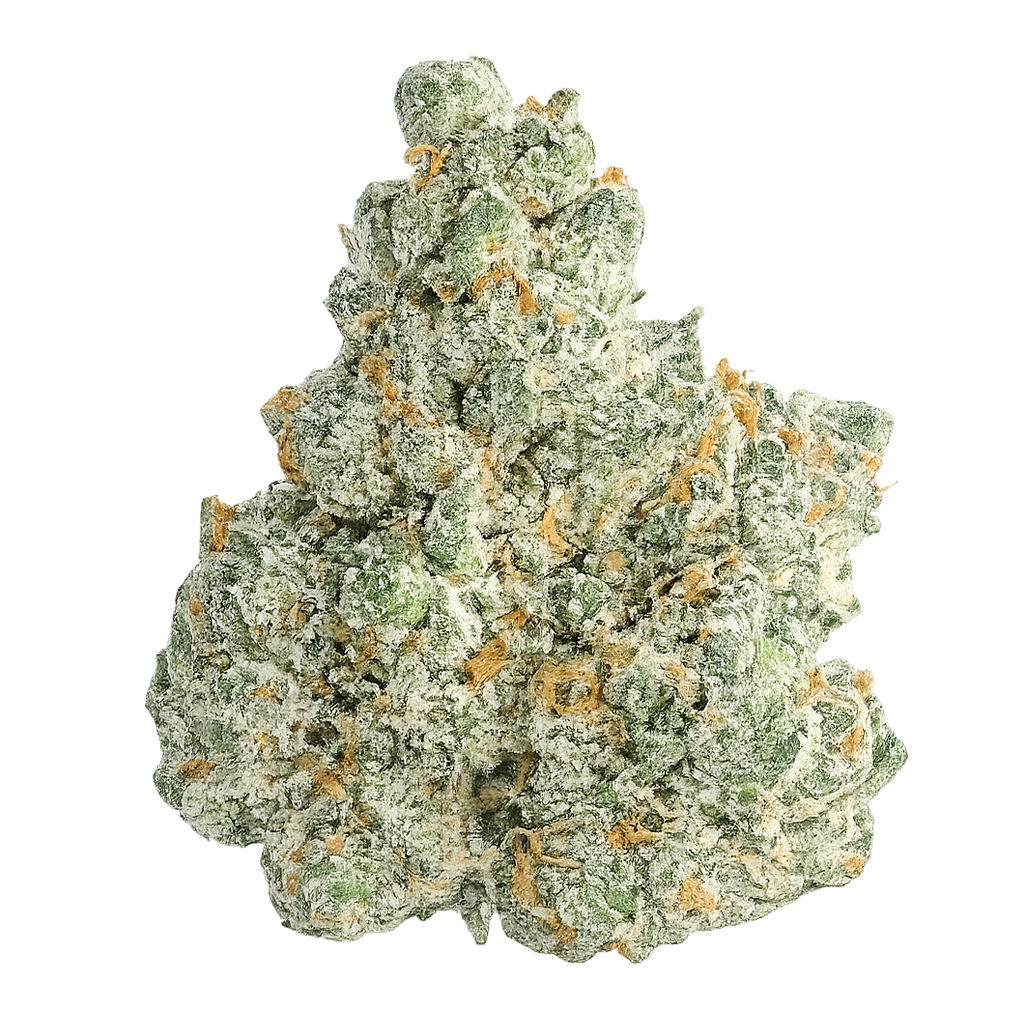
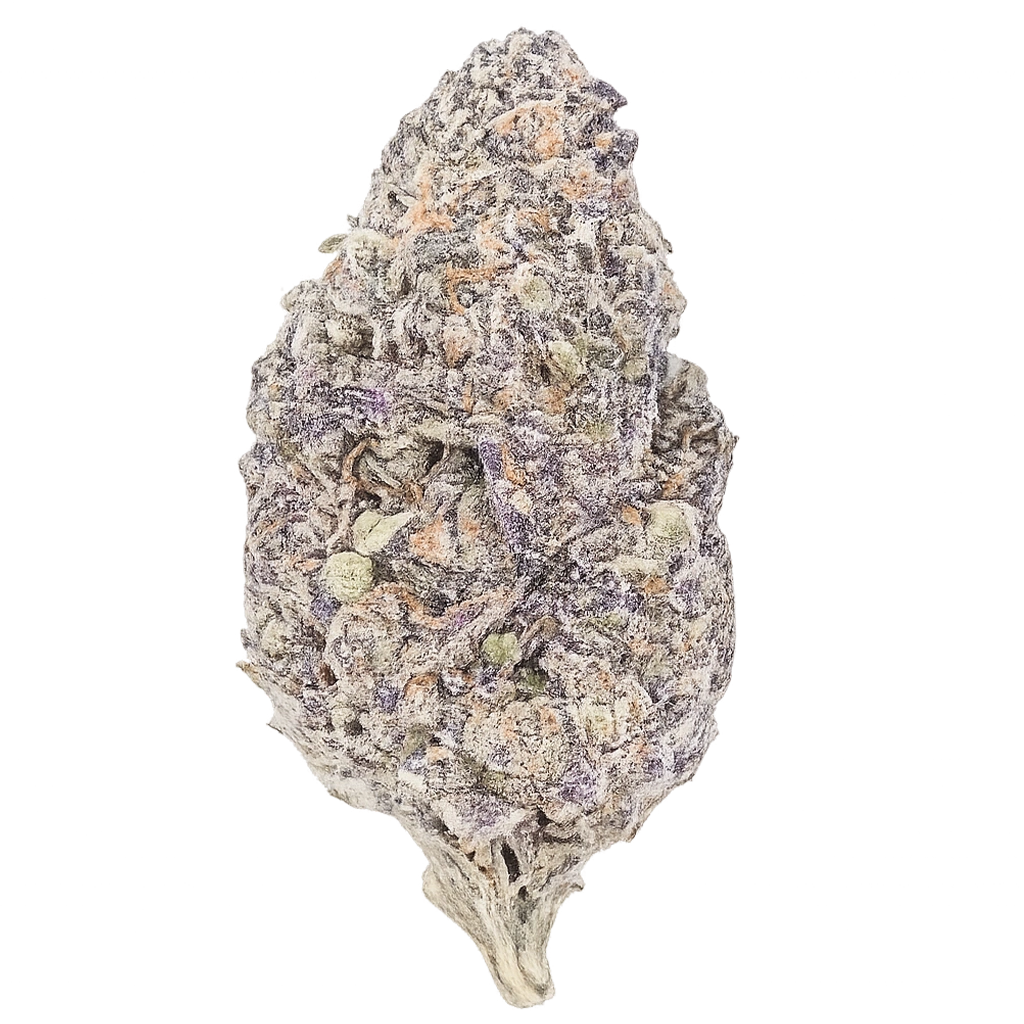
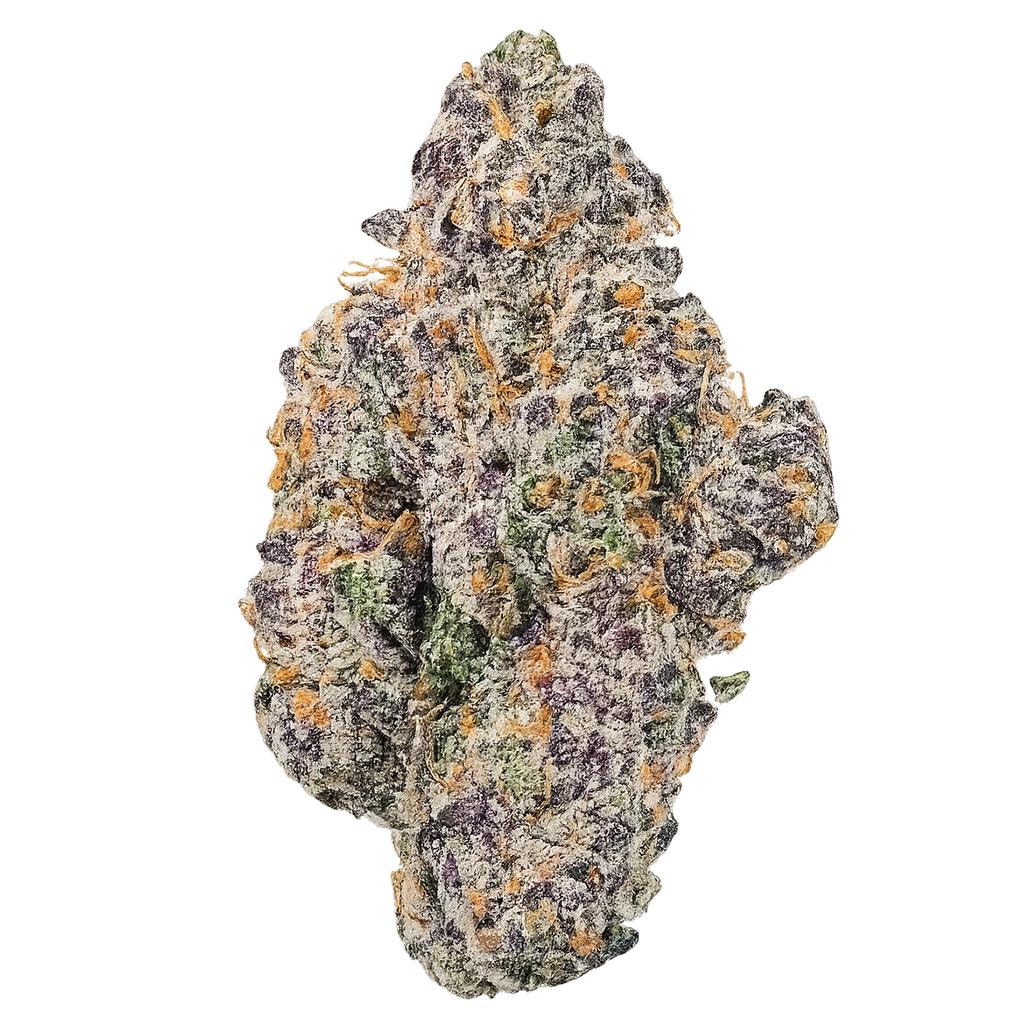
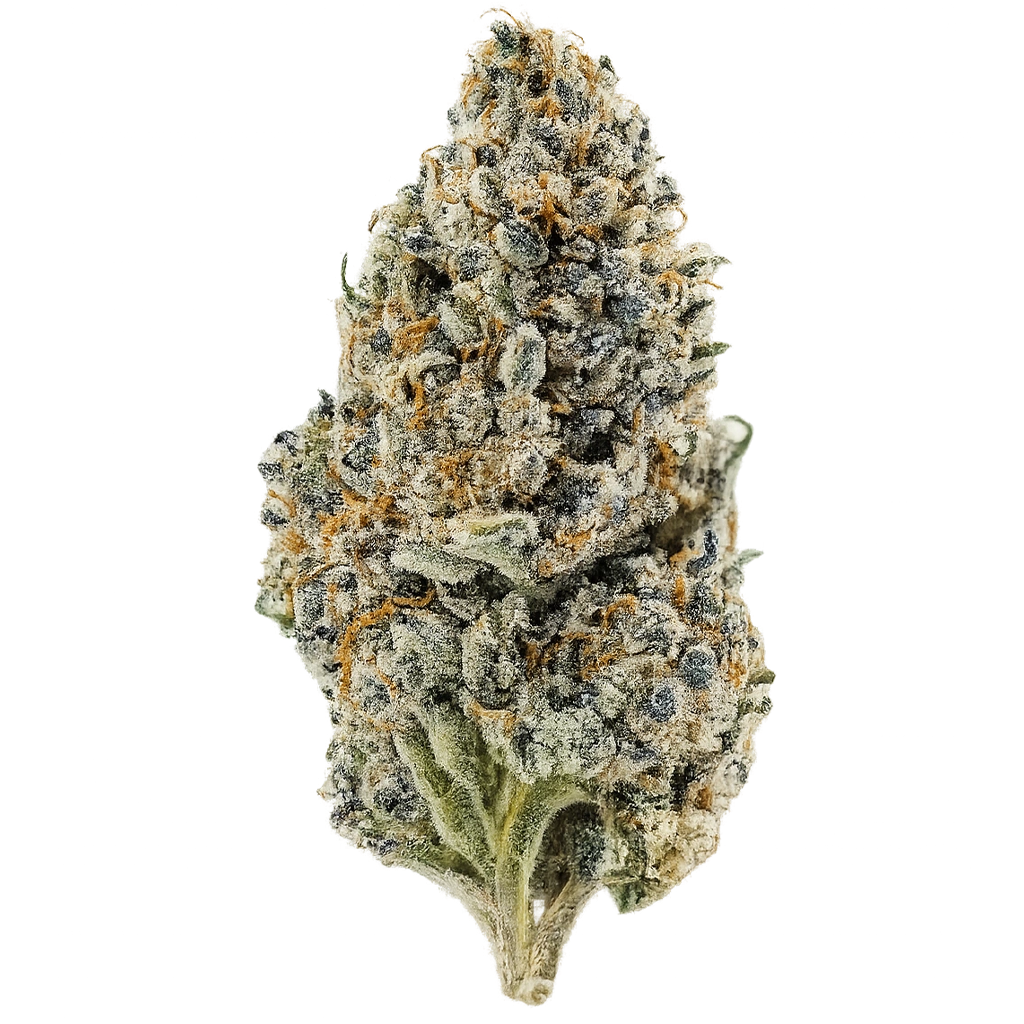
If you are conducting research on the Lemon Haze strain, whether to grow or source, you will gain greater clarity into its genetics, cannabinoids, terpenes, and growing traits.
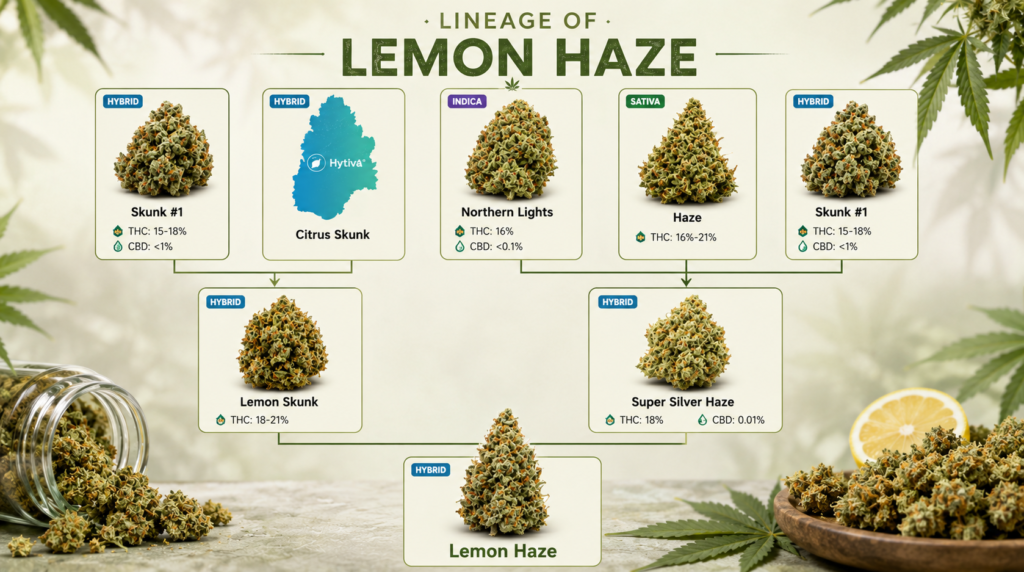
Super Lemon Haze cannabis strain is a hybrid variety made from the crossing of two strains – Lemon Skunk and Super Silver Haze, similar to how breeders develop cultivars such as MAC 1 Strain. Over time, the plant became one of the most popular citrus strains, receiving many awards and becoming highly reputable among both commercial breeders and regular users.
Popularity of the strain is determined by the high plant vigor, complex terpenes profile, and stable flower productivity. Contrary to many modern popular cultivars, which lose their appeal fast enough, the lemon haze strain stays relevant among commercial growers since it consistently produces visually appealing flowers with a characteristic smell and predictable harvest behavior.
Many commercial growers prefer using this strain due to its good adaptation to indoor and greenhouse conditions, especially when producing premium Hybrid Strains for retail flower. Despite the difference in phenotypes, almost all of them share a common citrus profile and stable flower-producing qualities, making them useful both for extraction and retail sales.
Before discussing how this strain is grown and which terpenes it contains, it is important to have knowledge about its general cultivation traits. Below you will find values that usually fall into the scope of what is commercially produced.
| Characteristic | Typical Range |
|---|---|
| Genetics | Lemon Skunk × Super Silver Haze |
| Type | Sativa-Dominant Hybrid (Approximately 70% Sativa / 30% Indica) |
| THC Content | 18%-25% (Some phenotypes may exceed 26%) |
| CBD Content | Usually below 1% |
| Flowering Time | 9-10 Weeks |
| Indoor Yield | 600-800 g/m² |
| Outdoor Yield | Up to 1,000-1,200 g per plant |
| Harvest Period | Mid to Late October |
| Growing Difficulty | Moderate |
| Primary Terpenes | Limonene, Terpinolene, β-Caryophyllene |
Instead of concentrating on THC ratios alone, many buyers also compare premium flower with THCA Concentrates when evaluating potency and terpene preservation. Such elements often carry more weight for retail sales success than the THC percentages alone.
Knowledge of the origin of the cultivar is usually responsible for explaining why the cultivar functions as it does in cultivation. The lemon haze cultivar has traits inherited from two respected cultivars, which contribute to its growth, odor, and formation of flowers.
The Lemon Skunk strain is responsible for that distinctive citrus smell and aggressive vegetation of the plant. Strains with more Lemon Skunk attributes tend to exhibit bright lemon aromas, complemented by the sweet, candy-like aroma.
The Super Silver Haze strain adds the classic Haze structure, fast growth, and flowering period. It also plays a role in the production of resins and layers of herbal flavors associated with the citrus smell.
When combined, these genetics produce a cultivar that not only produces well commercially but also expresses terpenes reliably. Such consistency in genetics is one of the reasons that the Super Lemon Haze strain keeps showing up in breeding programs all over the globe, alongside genetics such as the Sour Diesel Strain.
THC content is generally what gets all the focus, but experienced growers understand that the terpene profile is just as critical in terms of deciding aroma, taste, and the general quality of the flowers produced. Based on the breeding methods, growing techniques, and harvesting time, Super Lemon Haze plants tend to produce THC amounts between 18% and 25%.
Limonene
Limonene is the terpene that gives the unique aroma of fresh lemon peel to the cultivar. Commercial growers sometimes control the harvest time because the terpenes’ conservation impacts the flower’s quality.
Terpinolene
Terpinolene contributes herbal, floral, and slightly pine-like characteristics that give Haze cultivars their recognizable aromatic complexity.
β-Caryophyllene
This terpene introduces subtle peppery notes that balance the sweeter citrus profile and add depth to the overall aroma.
Instead of considering THC percentage only, many experienced buyers also compare cannabinoids with products like THCA Disposable Vapes when selecting cannabis products.
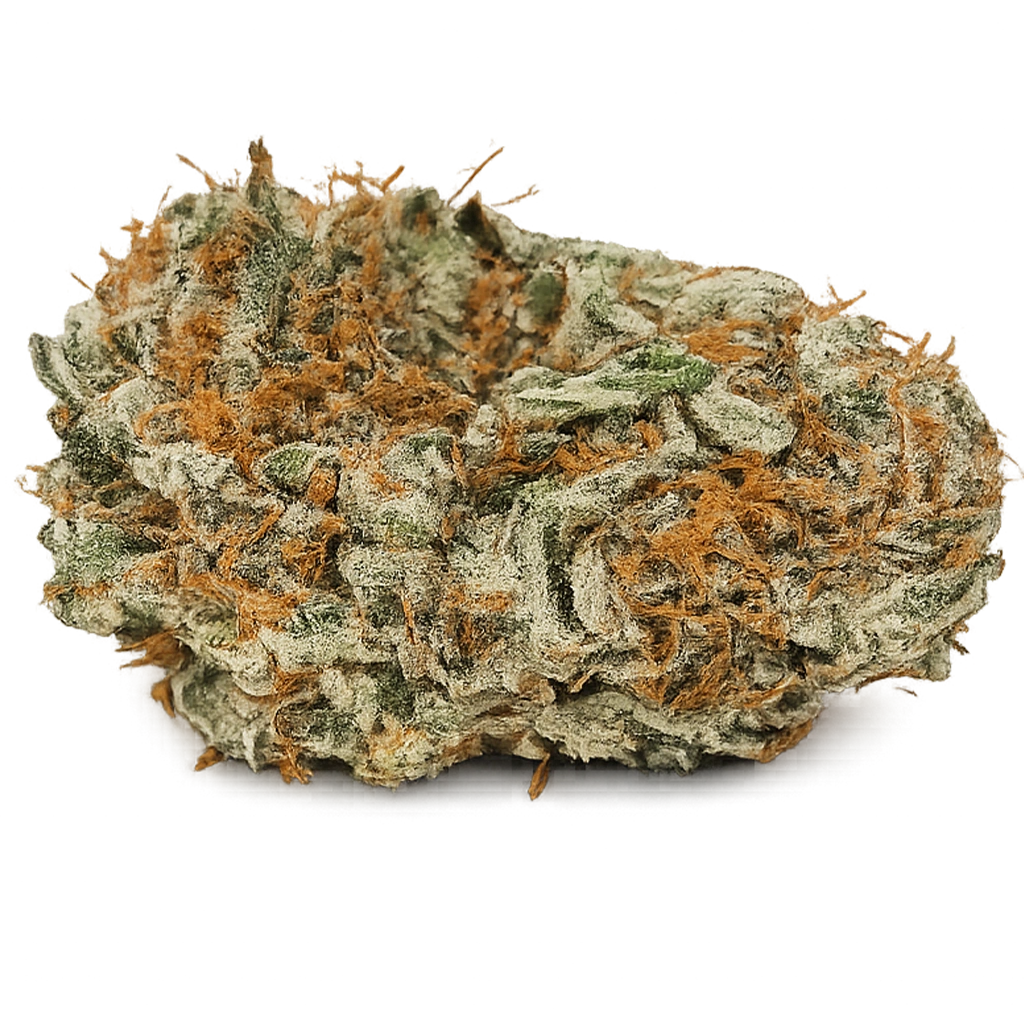
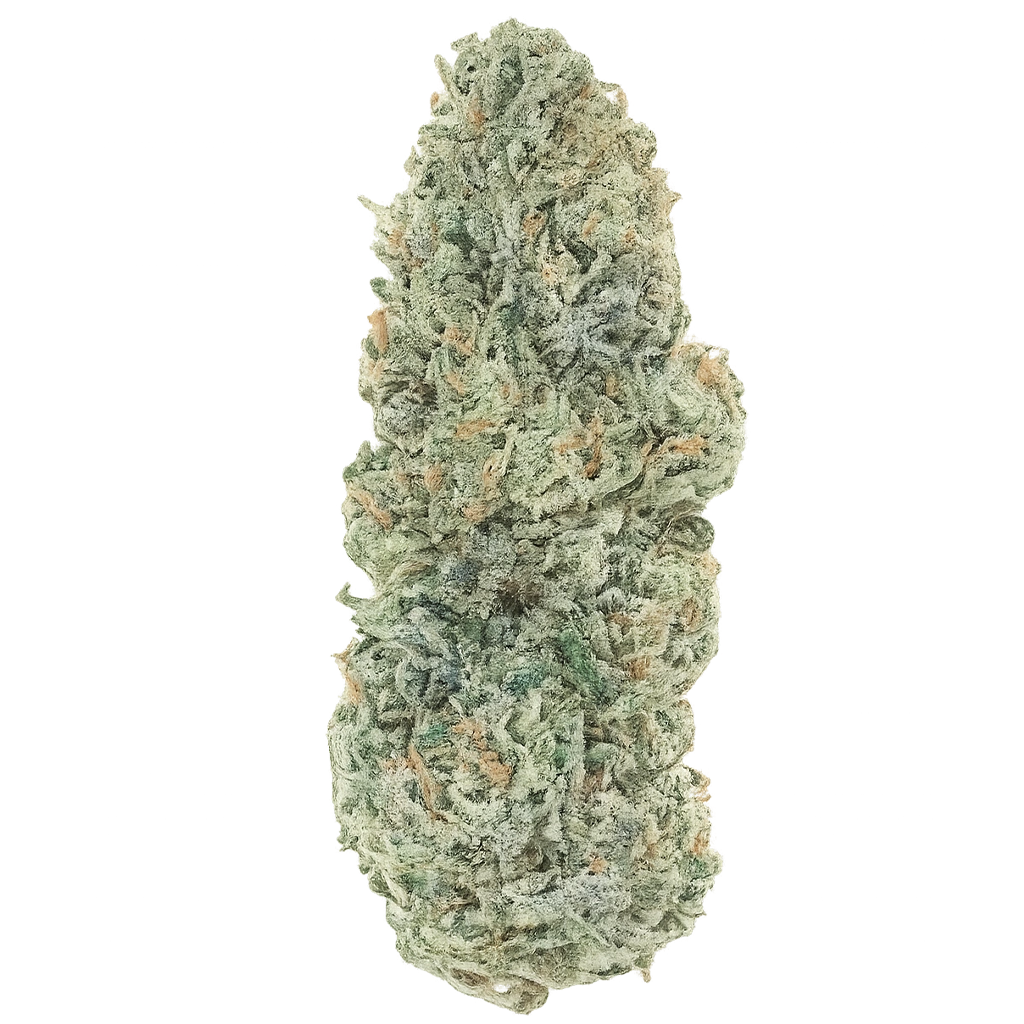
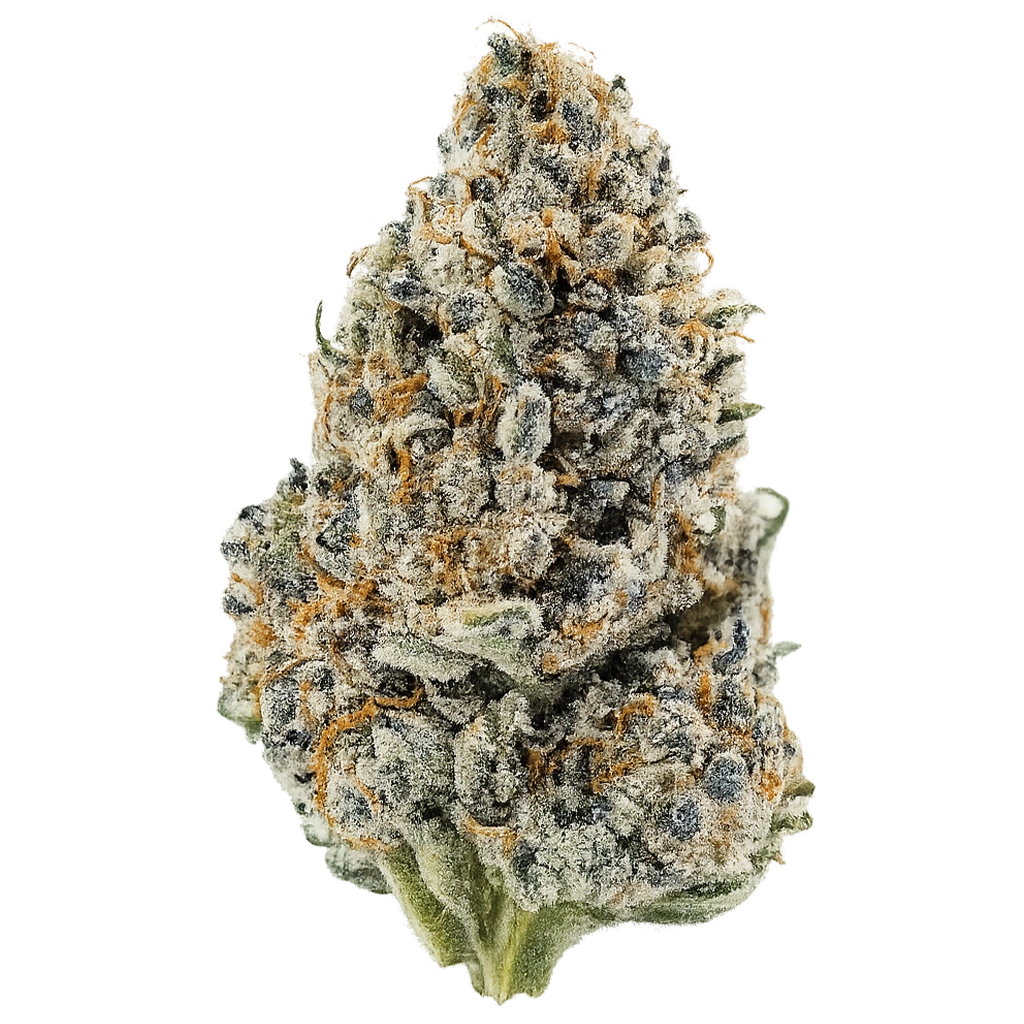
Another factor that has kept the Lemon Haze strain popular on the market is its unmistakable sensory profile. Long before anyone thinks about cannabinoids and terpenes, the consumer will see the visual and smell the scent of the flower first. These factors have played a key role in keeping this variety in high demand at dispensaries and alongside other Exotic THCA Flower selections.
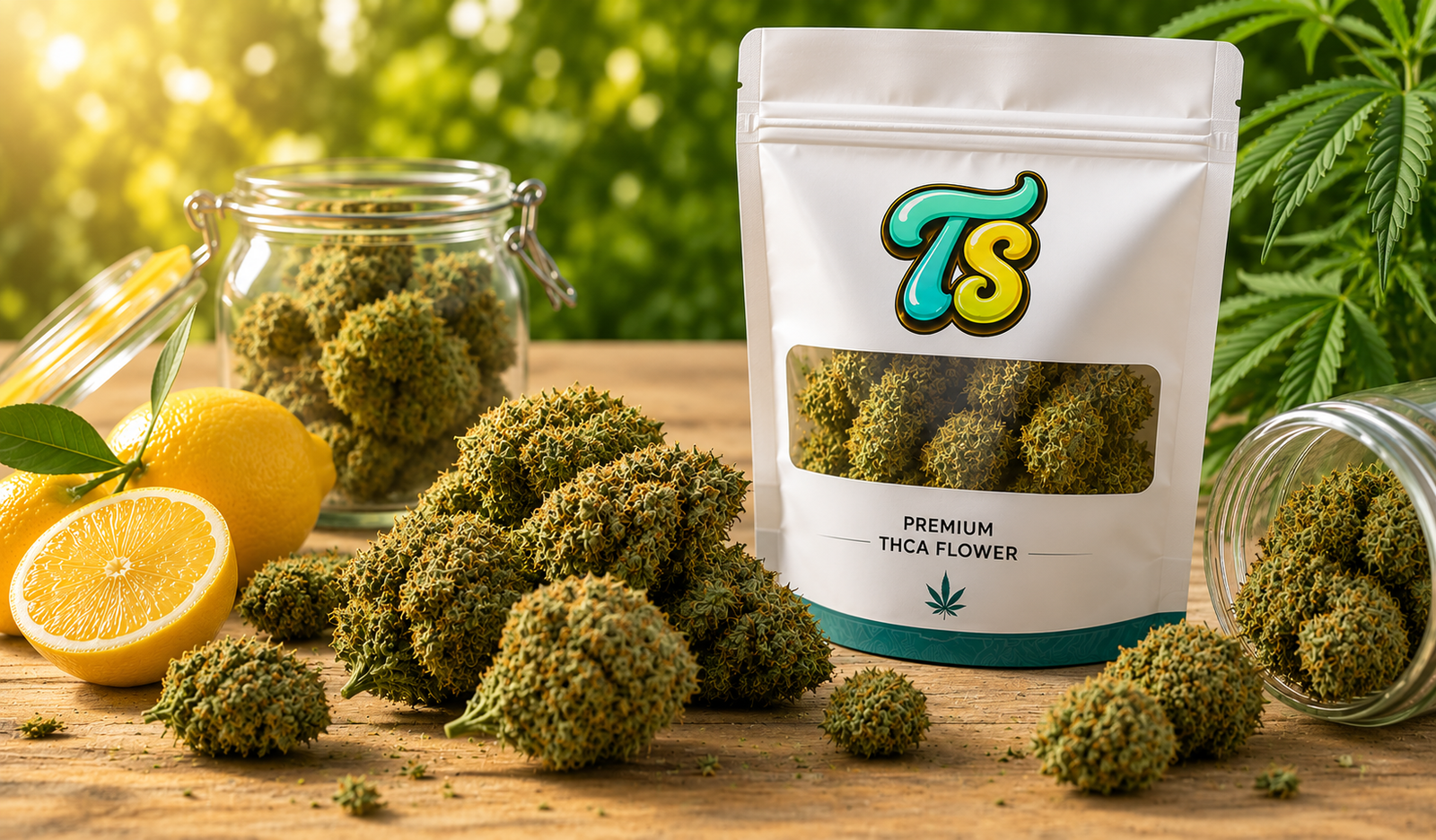
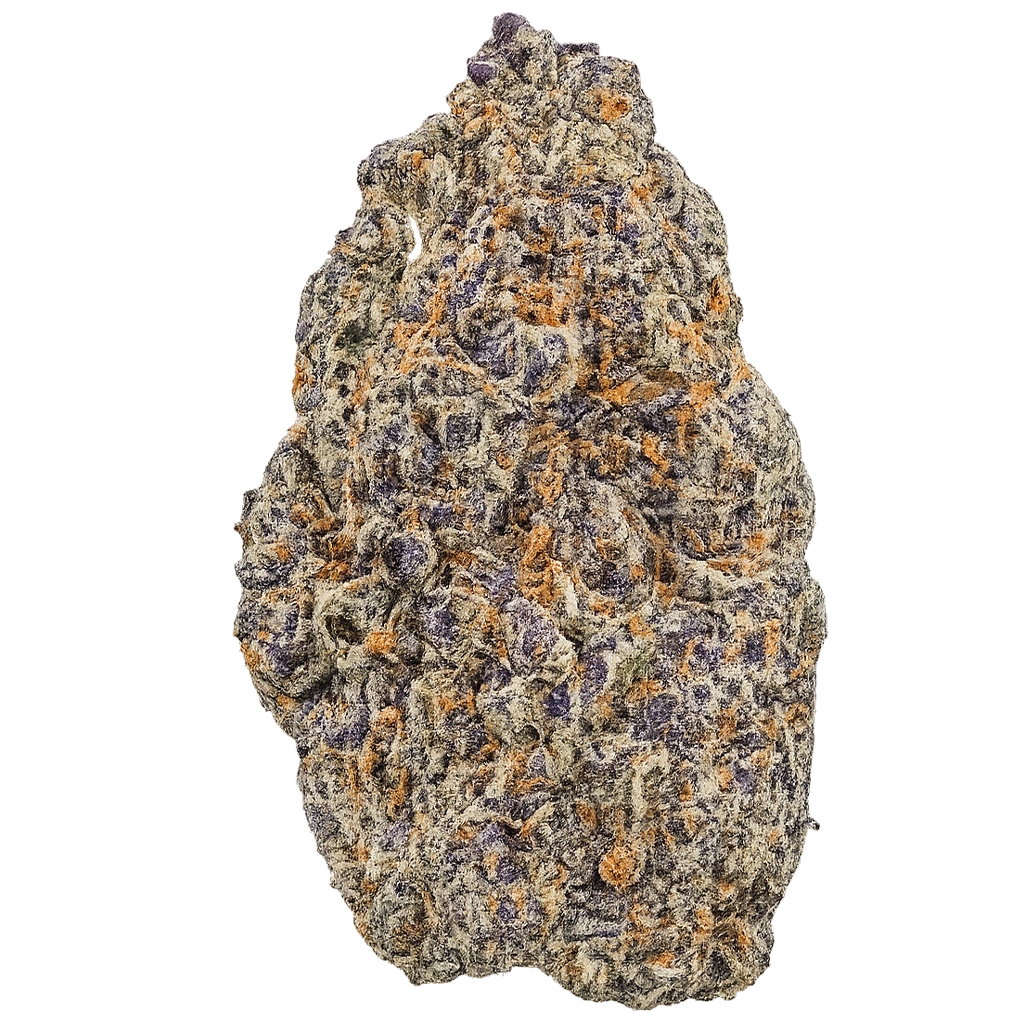
Fully mature flowers are usually quite big and elongated, have bright green colors, amber pistils, and are heavily covered in white trichomes. There is a chance that with certain phenotypes and environments, some of the plants will turn into lime green, while cooler climates will result in some of the cultivars acquiring purple colors, such as the purple lemon haze strain.
If you dry and cure the strain correctly, then the aromas will include fresh lemon, followed by sweet herbal tones, spices, and an earthy undertone. As for the flavor, it pretty much follows the same pattern.
The effects of the Super Lemon Haze strain are usually energetic, clearheaded, and mind-stimulating instead of sedative. Effects differ from person to person due to varying concentrations of cannabinoids and terpenes, but for most people, this particular cultivar is used during the day due to its uplifting effects.
This Haze strain differs from the heavy indica strains in that it is preferred by consumers who want an uplifting experience with their cannabis. It is this consistent positioning of the cultivar that makes it widely accepted and popular.
Consumers commonly describe the experience as:
Even though the issue of lemon haze strain effects is often debated on the topic of THC levels, it is common knowledge for seasoned users that the levels of terpenes and cannabinoids will also affect the overall effect. That is why even strains with comparable THC levels can have entirely distinct aromas.
Many commercial breeders prefer using Super Lemon Haze due to its combination of productivity and consistent flower quality, provided that the environment is controlled adequately. Although this cannabis is relatively difficult for beginners to grow, professional growers can produce high yields if the environment and post-harvesting process are handled well.
Optimal daytime temperature for this cultivar ranges from 22°C to 27°C, while optimal nighttime temperature ranges from 18°C to 21°C. Relative humidity levels during vegetative stages range from 60% to 70%, while at the end of flowering stages, humidity levels range from 45%-50%.
Because Super Lemon Haze develops vigorous vertical growth, many cultivators use techniques such as:
These methods help improve light penetration, airflow, and bud development while supporting more even canopy growth.
Excessive nitrogen is usually avoided by commercial producers in the flowering stage, since it may inhibit ripening and affect terpene production. Phosphorus and potassium balance become essential during flowering, while proper irrigation will help prevent any stress from the environment.
The selection of the type of environment for cultivation is determined by the objectives, facilities, and environmental conditions. Although the cultivar grows well in either environment, there are advantages to each cultivation method.
In the table below are shown some of the characteristics that growers usually consider while making their selection.
| Growing Factor | Indoor Cultivation | Outdoor Cultivation |
| Flowering Time | 9-10 Weeks | Harvest: Mid to Late October |
| Yield Potential | 600-800 g/m² | Up to 1,200 g per plant |
| Environmental Control | High | Weather Dependent |
| Pest Pressure | Lower | Moderate to High |
| Climate Consistency | Fully Controlled | Seasonal Variation |
| Recommended Experience | Intermediate | Intermediate to Advanced |
Cultivation indoors provides more control over the environment, as one can regulate the temperature, humidity, and light during the flowering phase. On the other hand, outdoor cultivation leads to a bigger plant size under suitable climatic conditions and adequate lighting.
Cannabis genetics evolve rapidly; however, there are a few cultivars that retain commercial significance over the years. The Super Lemon Haze cultivar has continued drawing growers due to its attributes that extend beyond the citrus-like smell. The predictable harvests, distinctive terpenes profile, and demand at dispensaries create a solid case for this cultivar from the standpoint of producing high-quality flower on a large scale.
While cultivars that follow trends tend to be less popular within a few growing seasons, Super Lemon Haze has continued proving its value indoors and in greenhouse cultivation. Commercial growers also favor the fact that the flower can be used for premium sales, making prerolls, and the extraction business if grown and cured properly.
Some of the reasons commercial producers continue growing this cultivar include:
Often, long-term commercial demand is about repeatability, not innovation. Cultivars that consistently yield high-quality flowers with identifiable traits generally maintain their value within wholesale cannabis markets.
While growers call this variety lemon haze, no two plants will exhibit the same traits. The phenomenon of phenotypic variations is frequent in cannabis genetics due to the work of different breeders, seed selections, and methods of cultivation that affect cannabinoid production, terpene content, plant structure, and blooming.
Thus, for instance, while one phenotype has a THC percentage close to 20%, another one has a percentage higher than 25%. It is possible to experience such variation in aroma as well, with one type of cannabis having more pronounced traits of lemon zest and another having more floral notes of the Haze strain.
It explains why strains like lemon og haze strain and Blueberry Lemon Haze strain have distinct flavors despite using partially the same genetics. Cultivators prefer to clone outstanding phenotypes as the stability of the flower is a priority rather than maximizing the percentage of cannabinoids.
Knowing about such variations can help growers choose appropriate strategies in cultivation and teach consumers to consider other factors besides laboratory test results when purchasing cannabis.
Super Lemon Haze is still one of the well-known cannabis strains since it always features good productivity, a rich citrus terpene profile, and good flower quality. Instead of being popular due to high THC percentage, Super Lemon Haze became popular due to genetics, cultivation qualities, and good retail properties among premium cannabis strains.
When it comes to the research of cultivation or evaluation of flowers to use in retail, it is better to know more about cannabinoid content, terpenes, environment management, and phenotypes to understand the value of this particular cultivar. In TerpSourced, we think that an informed buyer and cultivator always makes good decisions, considering all the qualities of cannabis, not only the potency.
Commercial strains of the Super Lemon Haze strain usually contain between 18 and 25 percent THC content, but sometimes, there are exceptions that have a little bit more THC content. The laboratory test results will differ according to genetics and growing conditions.
Lemon Haze is usually considered a sativa-dominant hybrid, with most breeders putting its percentage at around 70% sativa and 30% indica. Genetic make-up might be different from one breeder to another and even with various phenotypes.
Limonene, terpinolene, and β-caryophyllene are commonly the dominant terpenes found in this cultivar. Together, they create the citrus-forward aroma, herbal complexity, and subtle peppery finish that make the strain easily recognizable.
The number of weeks of flowering for most indoor grow cycles is around 9 to 10 weeks before harvesting. Harvesting occurs between mid-October and late October in outdoor growing environments.
Despite being highly productive, this particular cultivar is still classified as moderately difficult due to its vigorous nature. While it can be grown by even beginners, those who have some experience growing cannabis cultivars tend to be more successful at it.
THC content differs depending on such factors as phenotype selection, genetics of breeders, environment, nutrients, and harvest timing. Two plants cultivated using different seed strains will have significantly different lab results, although they bear the same name.
Yes. Commercial growers manage to grow this strain in indoor setups as well as outdoors. Growing indoors offers greater control over the environment, but growing outdoors may result in larger yields if the climate is favorable.
The lemon haze’s distinct scent, genetic stability, abundant yields, and high dispensary demand are some of the factors that have kept this strain popular in commercial cannabis farming for many years now.
THC is only one part of the overall flower quality. Experienced buyers also evaluate terpene composition, trichome coverage, moisture consistency, curing quality, aroma retention, and visual presentation before selecting premium cannabis inventory for retail or wholesale distribution.