
Some cannabis strains become popular because of marketing, while others earn a loyal following through consistent quality. The jet fuel strain belongs to the second group, recognized for its pungent diesel aroma, high cannabinoid content, and energetic character that has kept it relevant in premium cannabis markets for years.
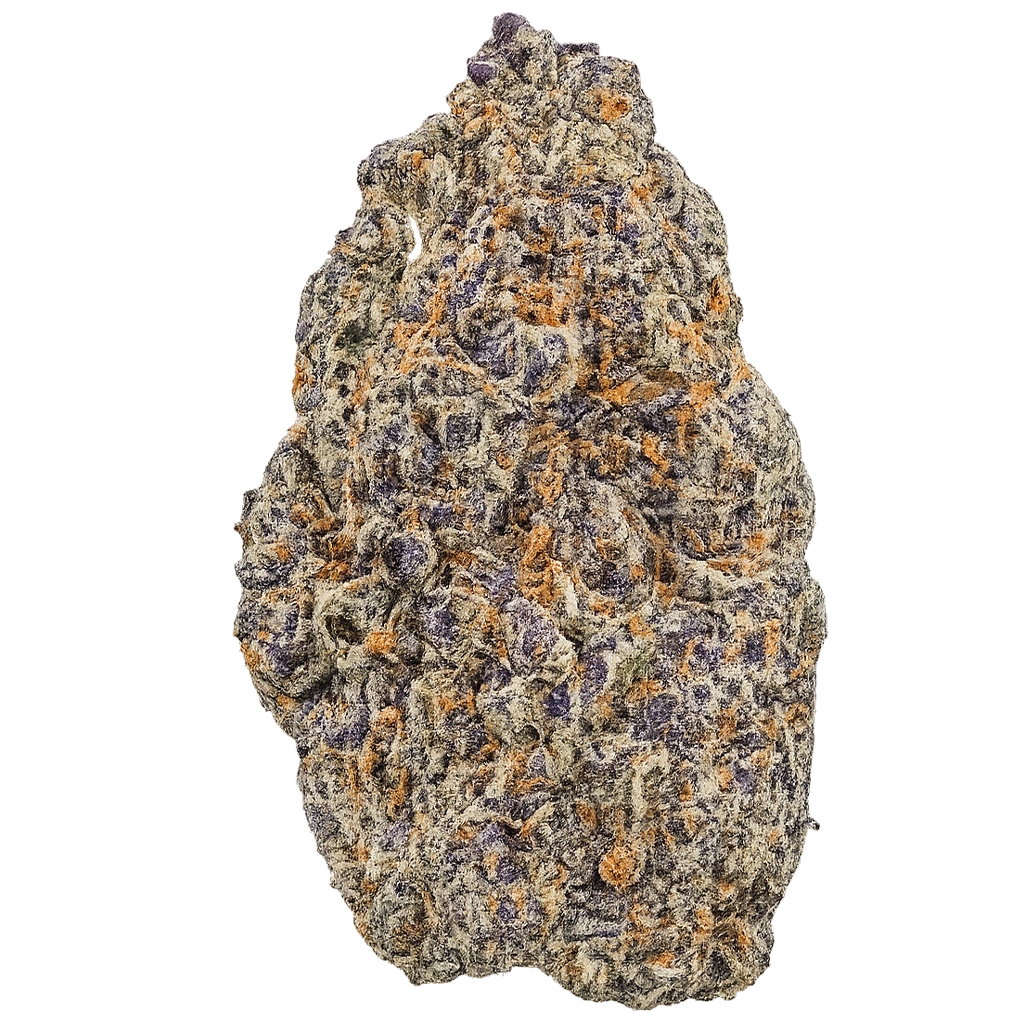
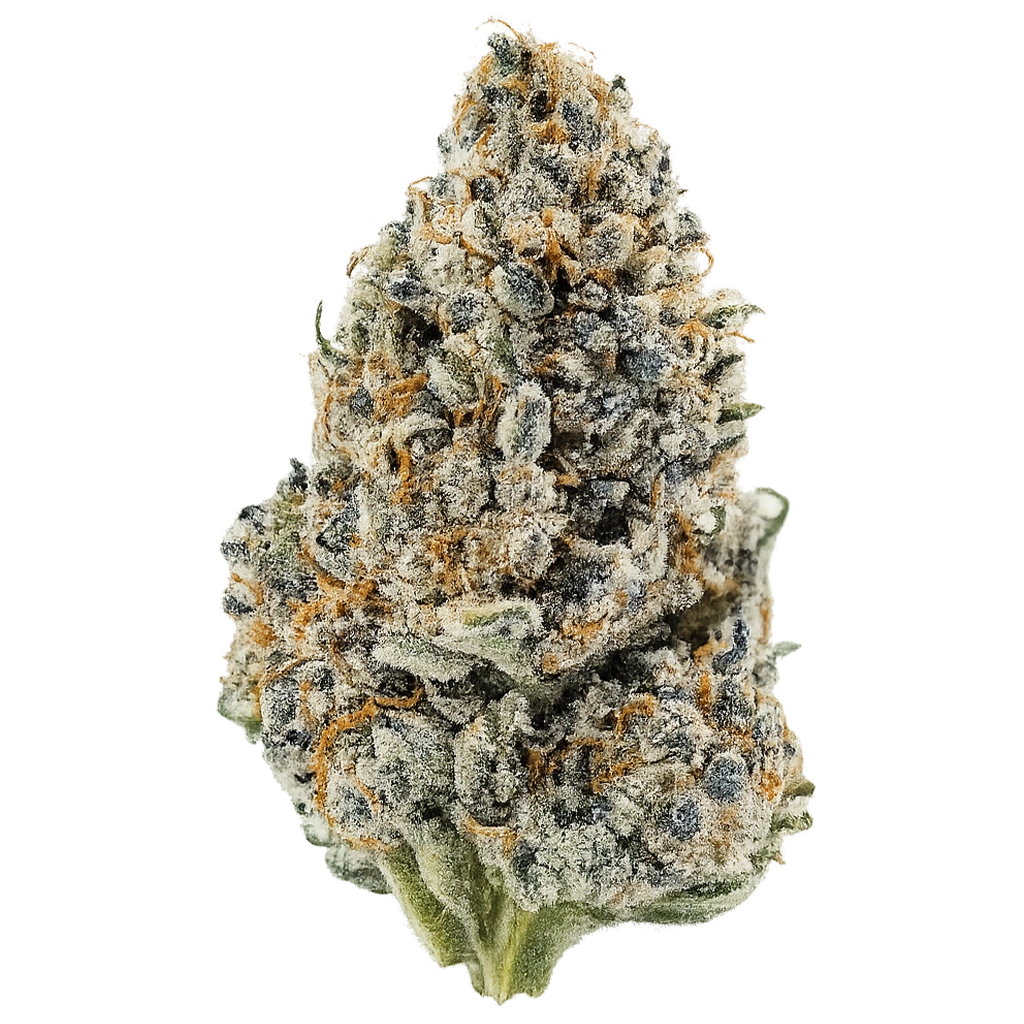
Known by many growers and consumers as the jet fuel weed strain or G6, this cultivar continues appearing on dispensary shelves because it combines recognizable genetics with reliable flower quality, making it a popular choice among buyers looking for Premium THCA Flower. Understanding its potency, terpene profile, and cultivation characteristics helps buyers make more informed decisions before adding it to their collection.
The jet fuel strain is a sativa-dominant (70% Sativa / 30% Indica) hybrid created by crossing Aspen OG with High Country Diesel. It later gained popularity under the name G6 because of its fast-rising cerebral effects and unmistakable fuel-like aroma. Although individual phenotypes may vary slightly between cultivators, most commercial batches maintain the same characteristics that have helped establish the strain as a staple among today’s premium cannabis flower selections, especially alongside other Hybrid Strains.
Beyond its reputation among consumers, the strain has also become attractive to commercial growers and wholesale buyers. Dense bud formation, healthy trichome coverage, and a consistent terpene profile allow it to perform well across retail flower menus while supporting premium positioning. When cultivated under controlled conditions and properly cured, Jet Fuel typically delivers a combination of visual appeal and aroma consistency that many distributors value.
The table below summarizes the primary cultivation and cannabinoid characteristics commonly associated with commercially grown Jet Fuel flower.
| Characteristic | Typical Information |
| Lineage | Aspen OG × High Country Diesel |
| Classification | Approximately 70% Sativa / 30% Indica |
| Also Known As | G6, Jet Fuel OG (select markets) |
| Typical THCA Range | 24-30%* |
| CBD Content | Usually below 1% |
| Indoor Flowering Time | 8-9 weeks |
| Growing Difficulty | Moderate |
| Best Environment | Indoor or controlled greenhouse |
*Cannabinoid percentages vary depending on genetics, cultivation methods, harvest timing, and laboratory testing.
One reason the jet fuel cannabis strain has remained commercially relevant is its ability to maintain recognizable flower quality across different cultivation environments. While environmental conditions influence cannabinoid levels and terpene expression, experienced cultivators often select stable phenotypes that consistently deliver dense buds, heavy resin production, and the distinctive diesel-forward aroma buyers expect.
The simple answer is that the jet fuel weed strain is considered a high-potency cultivar. Most professionally grown batches test between 24% and 30% THCA, although some exceptional harvests may exceed this range depending on genetics and cultivation practices. Even with these numbers, potency should never be judged by cannabinoid content alone, since cannabinoid percentages tell only part of the story about overall flower quality.
Buyers comparing high-potency cultivars can also benefit from understanding THCA vs THC before evaluating laboratory results.
Experienced buyers usually look beyond laboratory percentages because flower quality depends on several factors working together. Trichome maturity, terpene preservation, moisture consistency, and post-harvest handling all influence how the flower performs after curing. A well-grown batch with balanced cannabinoid and terpene development often delivers a better overall experience than a flower that simply reports an unusually high THCA percentage.
Commercial buyers commonly evaluate:
The table below shows the cannabinoid profile typically reported for commercial Jet Fuel flower. Values represent commonly observed laboratory ranges rather than fixed numbers.
| Cannabinoid | Typical Commercial Range |
| THCA | 24-30% |
| CBD | Less than 1% |
| CBG | Trace-1% |
| Total Cannabinoids | 25-31%* |
*Total cannabinoid content varies by phenotype, cultivation method, and laboratory analysis.
For wholesale buyers, consistency often matters more than chasing the highest percentage. Reliable cannabinoid testing across multiple harvests helps maintain predictable inventory quality, making the strain a dependable option for premium flower programs as well as carefully selected THCA Concentrates.
The aroma is one of the defining characteristics of the jet fuel marijuana strain. Freshly opened buds usually release an unmistakable diesel scent before citrus, earthy, and slightly pine-like notes begin to develop. Breaking apart the flower often intensifies these aromas because additional terpene compounds are released from the trichome-rich interior of the buds.
Much of this profile comes from a combination of naturally occurring terpenes. Limonene contributes bright citrus notes, β-caryophyllene adds peppery spice, and myrcene introduces earthy depth. Smaller amounts of pinene or humulene may also appear depending on the phenotype, cultivation environment, and curing process.
Flavor generally follows the same pattern as the aroma, which is why many buyers also compare it with other fuel-forward cultivars like Sour Diesel. Most users notice diesel on the inhale, followed by citrus and earthy notes on the exhale. Well-cured flowers often produce a smoother finish, while proper post-harvest handling helps preserve the terpene profile throughout storage.
The recognizable aroma is one reason the jet fuel g6 strain continues appearing in premium flower menus. Even when grown by different cultivators, carefully selected phenotypes often retain the bold fuel-forward character that has made this cultivar one of the more recognizable diesel-inspired cannabis strains available today.
The jet fuel strain effects are often described as fast-acting, mentally stimulating, and gradually relaxing, making the cultivar stand out among many sativa-dominant hybrids. While individual experiences vary depending on tolerance, dosage, and cannabinoid sensitivity, commercial descriptions consistently associate Jet Fuel with an energetic cerebral onset followed by a smoother body relaxation as the experience progresses.
Unlike cultivars that transition quickly into heavy physical effects, Jet Fuel typically maintains mental clarity for a longer period before the more calming characteristics become noticeable. This balanced progression is one reason the strain continues attracting attention among experienced cannabis consumers looking for a potent daytime or early evening option, particularly those already familiar with Sativa Strains.
Many consumers report that the first noticeable effects include:
These characteristics are often associated with the cultivar’s sativa-dominant lineage, although the exact experience varies between phenotypes and cannabinoid profiles.
As the session continues, many users notice a gradual shift toward:
Because potency frequently exceeds 24% THCA, buyers unfamiliar with high-potency flower should first understand Does THCA Get You High? before trying cultivars like Jet Fuel.
Beyond consumer popularity, the jet fuel cannabis strain continues performing well in wholesale flower programs because it consistently combines recognizable aroma, attractive flower structure, and competitive cannabinoid content. Commercial buyers often evaluate much more than potency when selecting inventory, and Jet Fuel checks several important quality indicators.
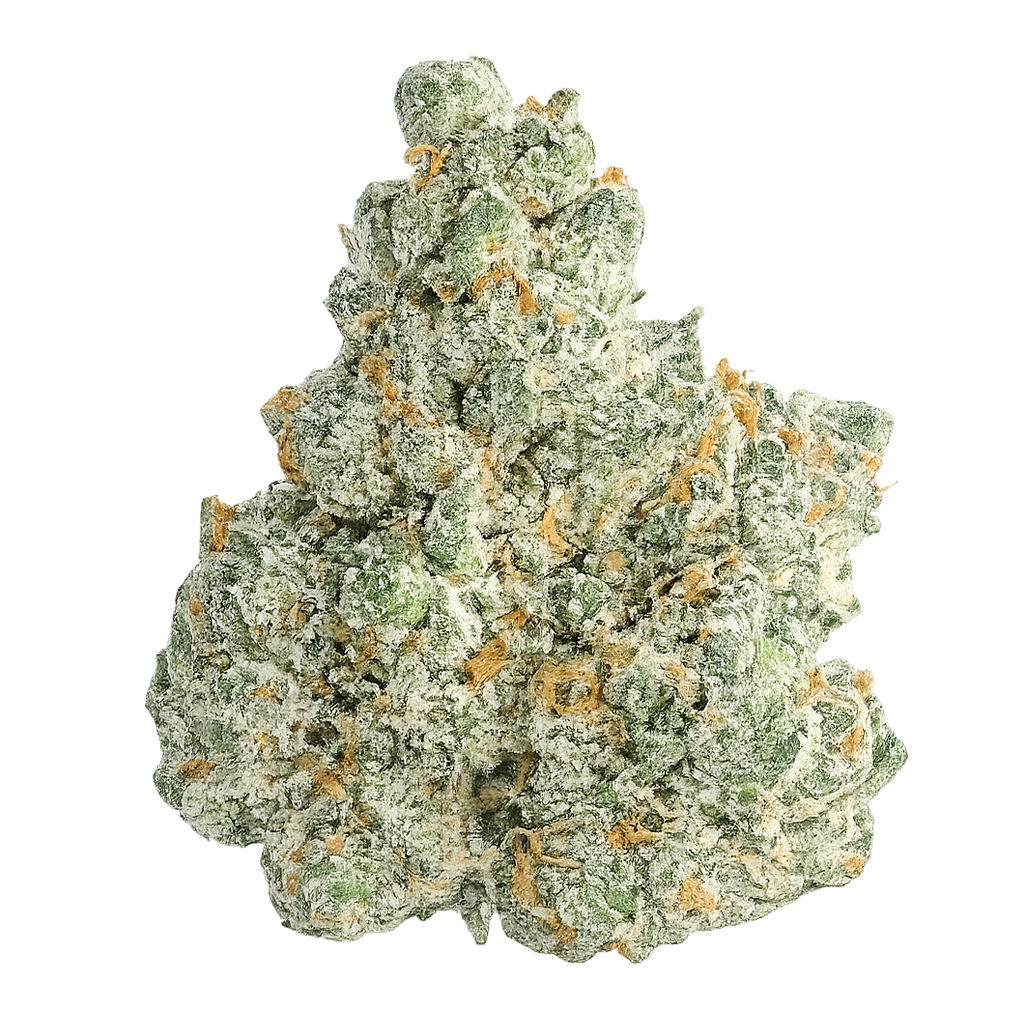
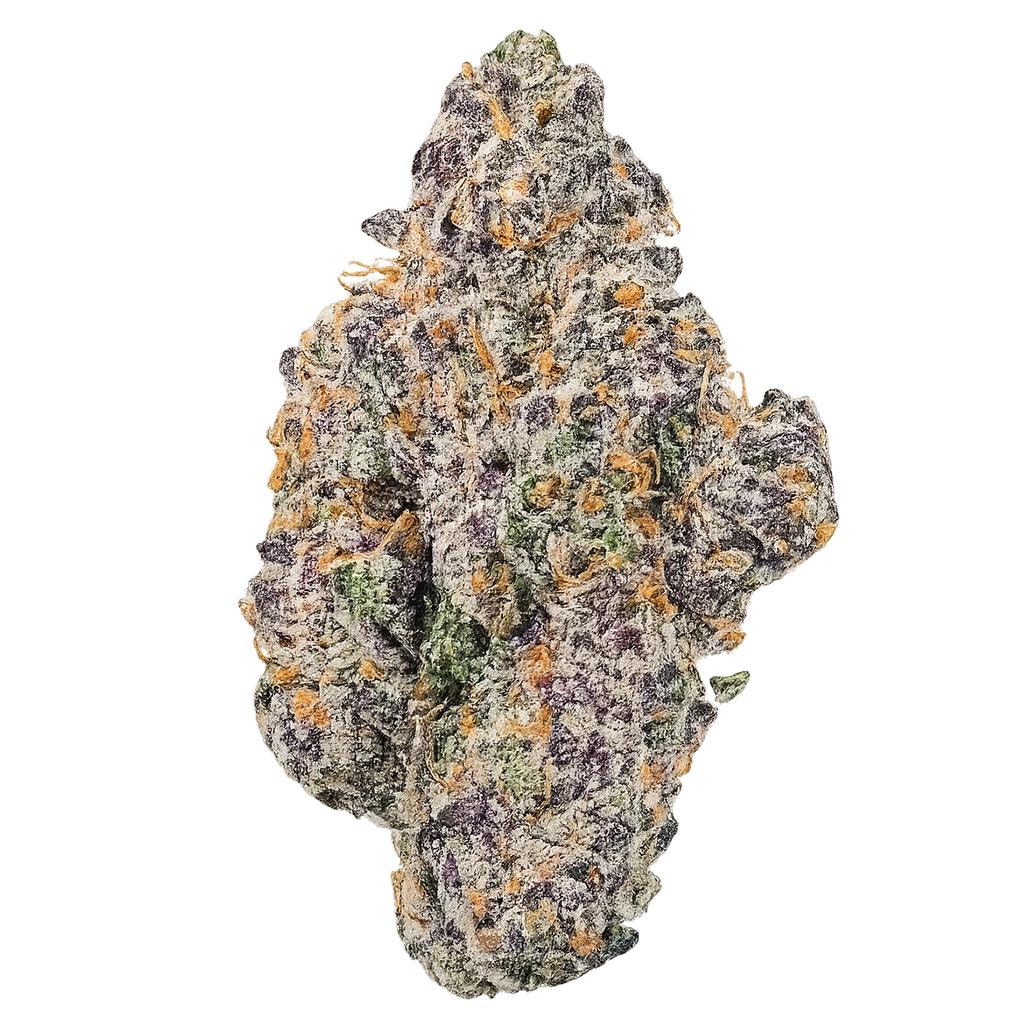
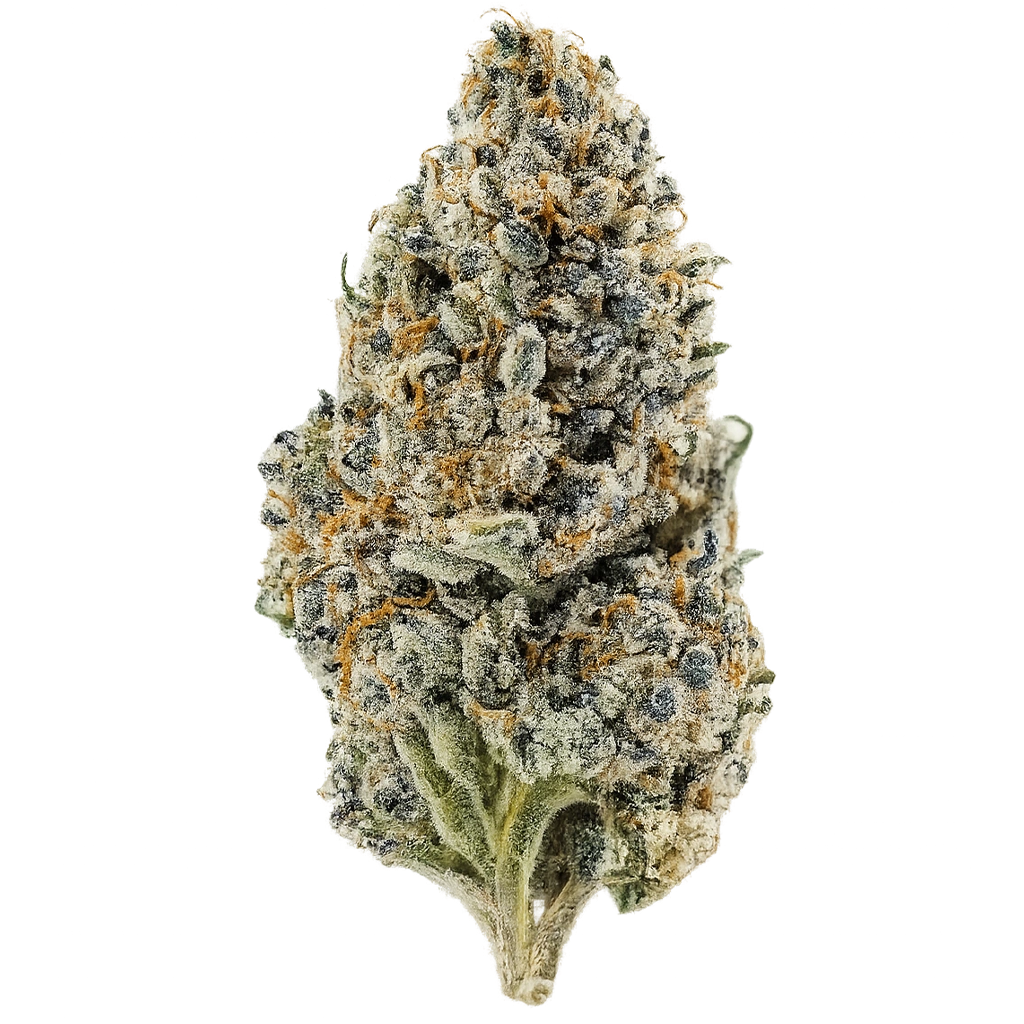
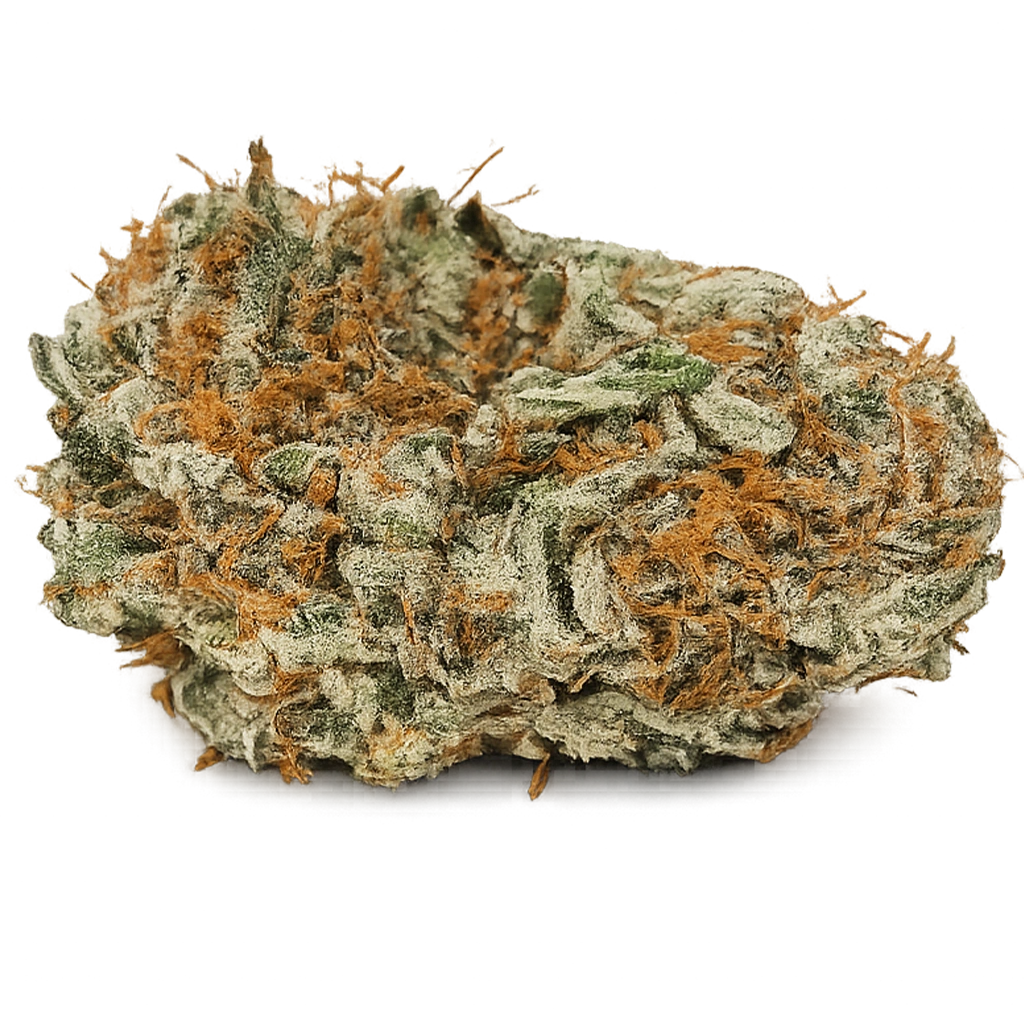
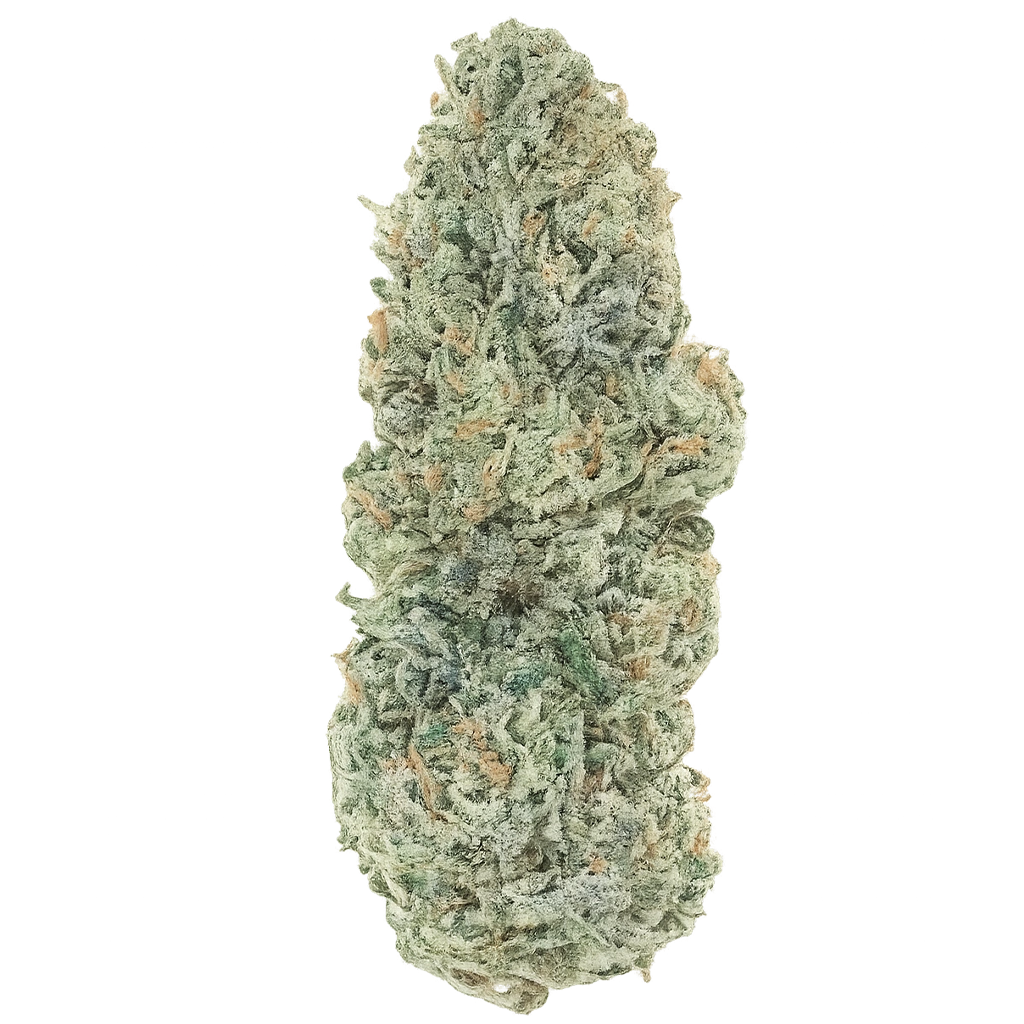
Well-grown batches commonly display dense, medium-to-large buds with bright green coloration, orange pistils, and a thick layer of mature trichomes. Proper drying and curing also help preserve the cultivar’s characteristic diesel aroma, allowing the flower to maintain its identity throughout packaging and distribution.
Several characteristics contribute to its commercial appeal:
These qualities also make the cultivar suitable for multiple product categories beyond packaged flowers. Commercial producers frequently evaluate strains like Jet Fuel for prerolls and extraction because stable cannabinoid content and terpene preservation remain valuable across different manufacturing applications.
Rather than relying on exceptionally high potency alone, commercial buyers often prioritize consistency from one harvest to the next. Reliable flower quality, stable laboratory results, and recognizable aroma frequently provide more long-term value than isolated high-testing batches.
The jet fuel weed strain is generally considered a moderate-difficulty cultivar. While it can adapt to different cultivation environments, growers usually achieve the most consistent results when environmental conditions remain stable throughout both vegetative growth and flowering. Indoor cultivation provides tighter control over temperature, humidity, lighting, and airflow, while greenhouse production can also produce high-quality flowers when managed correctly.
Like many resin-rich cultivars, Jet Fuel benefits from careful canopy management because improved airflow reduces moisture buildup around developing flowers. Maintaining stable environmental conditions also helps protect terpene expression and encourages more even trichome development before harvest.
Commercial cultivators often focus on the following production practices:
The work does not end after harvest. Drying and curing play a significant role in preserving the aroma profile that makes Jet Fuel recognizable. Proper moisture management, controlled drying conditions, and patient curing help protect terpene content while supporting long-term shelf quality.
Whether grown indoors or in controlled greenhouse environments, experienced cultivators generally focus on producing consistent flower quality rather than simply chasing the highest laboratory potency. That approach often results in stronger commercial performance and more reliable inventory for wholesale cannabis buyers.
The jet fuel strain appeals to a wide range of cannabis consumers, but it is particularly popular among people looking for a cultivar that combines noticeable potency with a lively terpene profile. Its balanced progression makes it suitable for experienced users who enjoy mentally uplifting cultivars without immediately transitioning into heavy body effects.
For commercial buyers, the strain offers another advantage: consistent market recognition. Consumers are already familiar with its name, aroma, and reputation, making it easier for dispensaries to position the flower within premium cannabis menus.
Depending on cultivation quality and phenotype selection, Jet Fuel may appeal to:
Although potency is one reason for its popularity, most experienced buyers evaluate the complete flower profile. Aroma preservation, trichome density, moisture consistency, and visual presentation often influence purchasing decisions just as much as laboratory cannabinoid percentages.
The jet fuel weed strain continues earning its reputation because it delivers more than just high cannabinoid content. Its combination of diesel-forward aroma, dense trichome coverage, balanced sativa-dominant genetics, and consistent flower quality has helped it remain relevant across both retail dispensaries and wholesale cannabis markets. While potency commonly falls within the higher THCA ranges, overall quality still depends on cultivation practices, phenotype selection, and careful post-harvest handling.
For buyers looking beyond laboratory numbers, Jet Fuel offers a well-rounded profile that combines recognizable flavor, reliable commercial performance, and strong shelf appeal. At TerpSourced, premium cannabis starts with carefully selected cultivars that meet high standards for quality, consistency, and terpene preservation, helping customers shop with confidence.
The Jet Fuel strain is generally considered a high-potency cultivar, with commercial flower commonly testing between 24% and 30% THCA. However, the overall experience depends on terpene content, curing quality, and individual tolerance, not cannabinoid percentages alone.
Jet Fuel is typically classified as a sativa-dominant hybrid, often reported at around 70% sativa and 30% indica. Its effects usually begin with an uplifting cerebral experience before gradually transitioning into a more relaxed physical sensation.
The strain is widely recognized for its bold diesel aroma complemented by citrus, earthy herbs, pine, and light peppery notes. Proper drying and curing help preserve this terpene profile, allowing the flower to maintain its characteristic scent throughout storage and packaging.
Many growers and dispensaries refer to the cultivar as G6 because that was one of its original commercial names. Today, both Jet Fuel and G6 are commonly used, although naming conventions may vary slightly between breeders and regional cannabis markets.
Limonene, β-caryophyllene, and myrcene are generally considered the dominant terpenes found in Jet Fuel. Together, they contribute to the cultivar’s recognizable combination of citrus brightness, peppery spice, earthy depth, and fuel-forward aroma that many cannabis enthusiasts appreciate.
Jet Fuel is usually considered a moderate-difficulty cultivar. It responds well to stable environmental conditions, proper airflow, balanced nutrition, and careful humidity management throughout flowering. Consistent drying and curing also play an important role in preserving flower quality after harvest.
Yes. When cultivated under controlled conditions, Jet Fuel commonly develops dense flowers with generous trichome coverage and bright orange pistils. Commercial growers often value these visual characteristics because they contribute to stronger shelf presentation and premium flower grading.
Indoor cultivation generally reaches maturity within approximately eight to nine weeks, although flowering time varies slightly depending on phenotype, environmental conditions, and cultivation techniques. Outdoor harvest schedules depend on regional climate and seasonal growing conditions.
Beyond its potency, Jet Fuel remains popular because it combines recognizable aroma, attractive flower structure, stable laboratory results, and dependable commercial demand. These characteristics make it a reliable option for premium flower programs while also supporting prerolls, extraction, and other cannabis product categories.