Every year, various new strains of cannabis come up, yet very few of them gain permanent popularity among people. The strain named “Mimosa” is one such strain, because of its unique features like the citrusy smell, resinous buds, and excellent genetic quality.
While most strains depend upon their cannabinoid level for their effectiveness, Mimosa is different from all other strains. This blog examines its genetics, taste, effects, growing traits, and reasons behind its continued popularity.
Mimosa is a hybrid of the sativa kind obtained by crossing the Clementine and Purple Punch strains. This particular strain has an exceptional taste of citrus, together with resinous and dense Premium THCA flower buds. This strain was developed by Symbiotic Genetics and became widely known very quickly because of the presence of a lot of cannabinoids and nice terpenes, similar to other modern cultivars like Runtz.
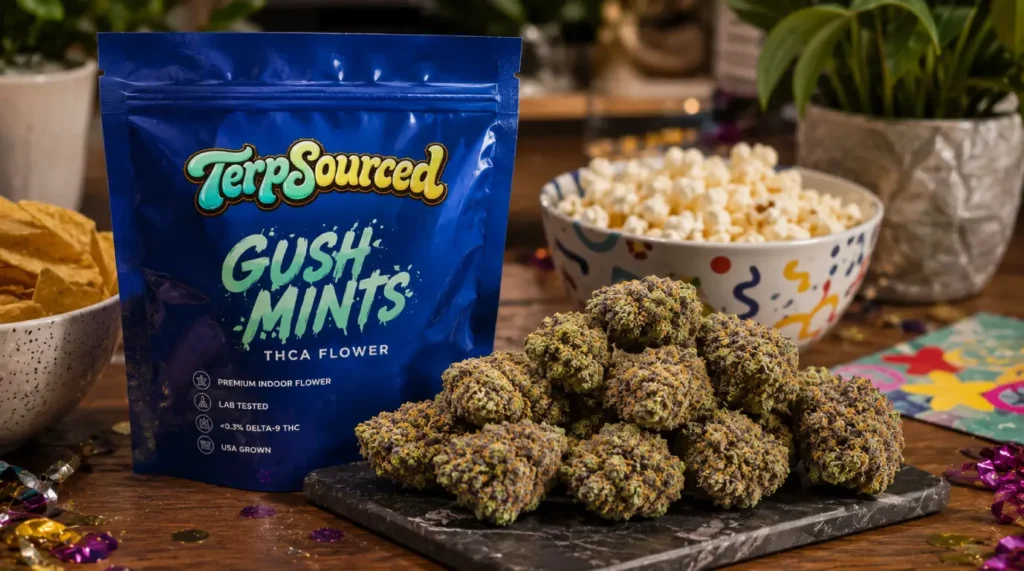
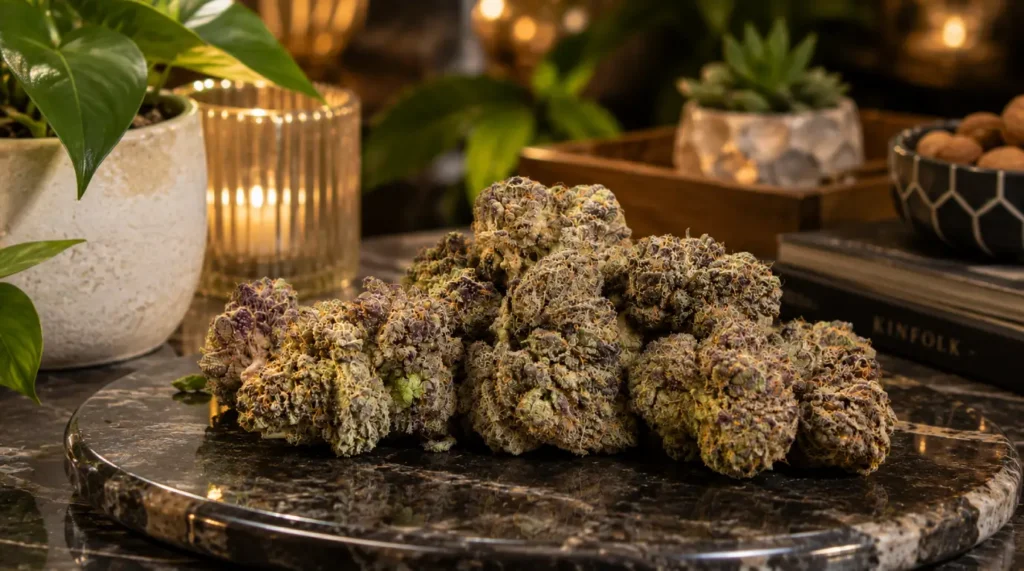
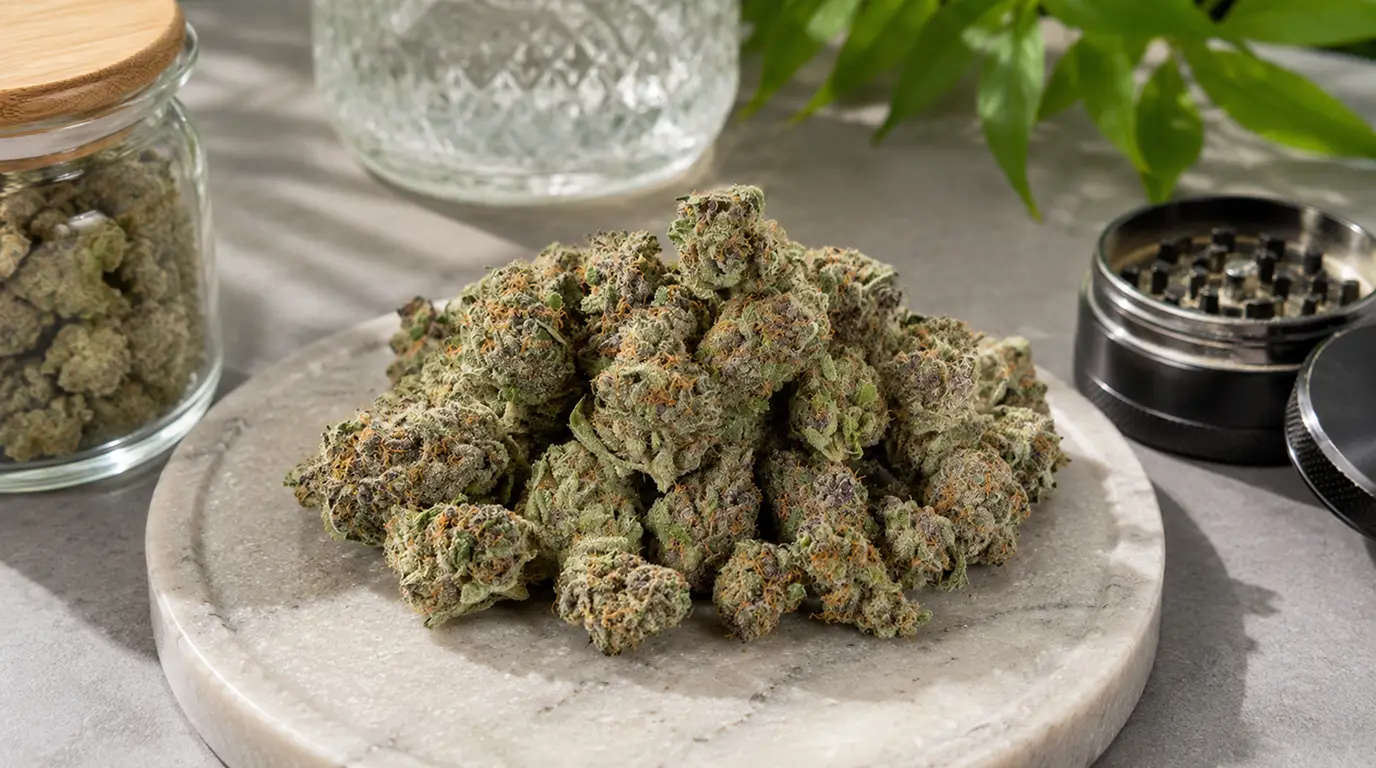
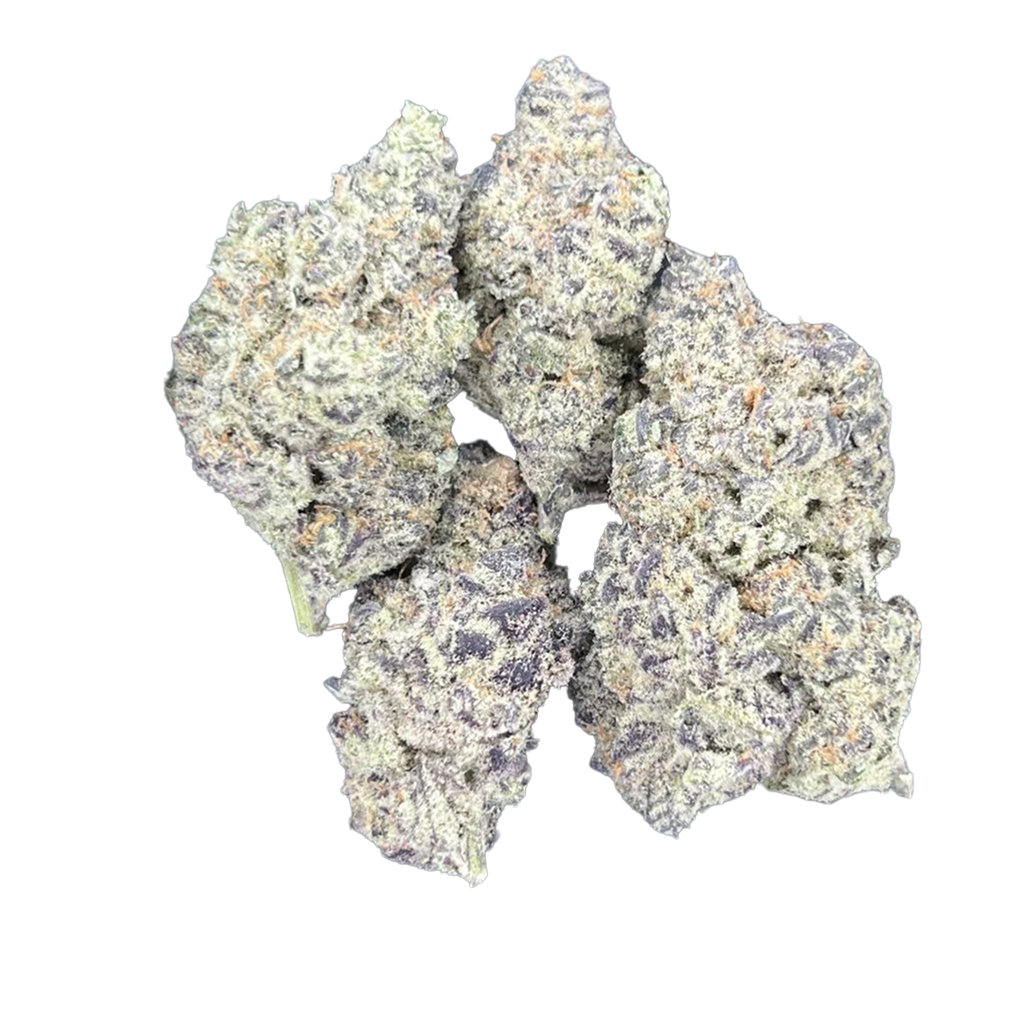
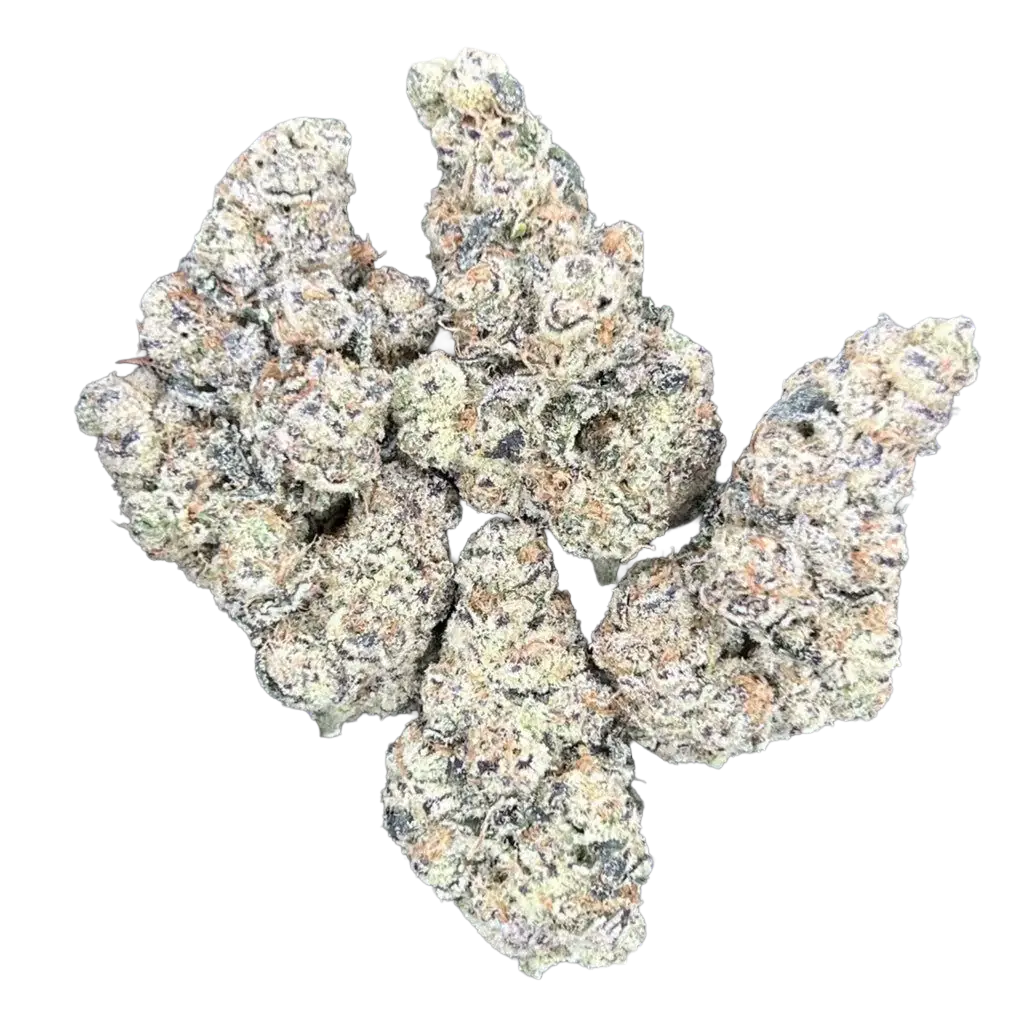
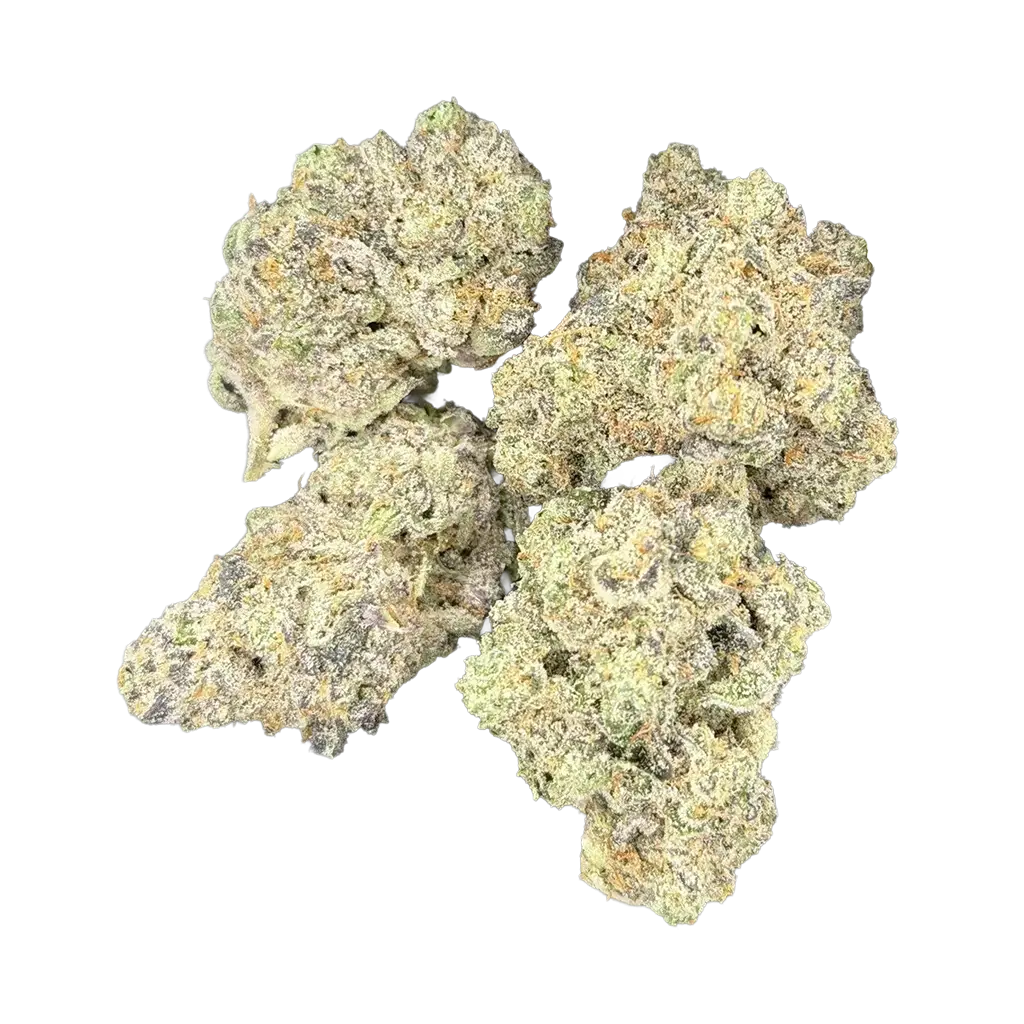
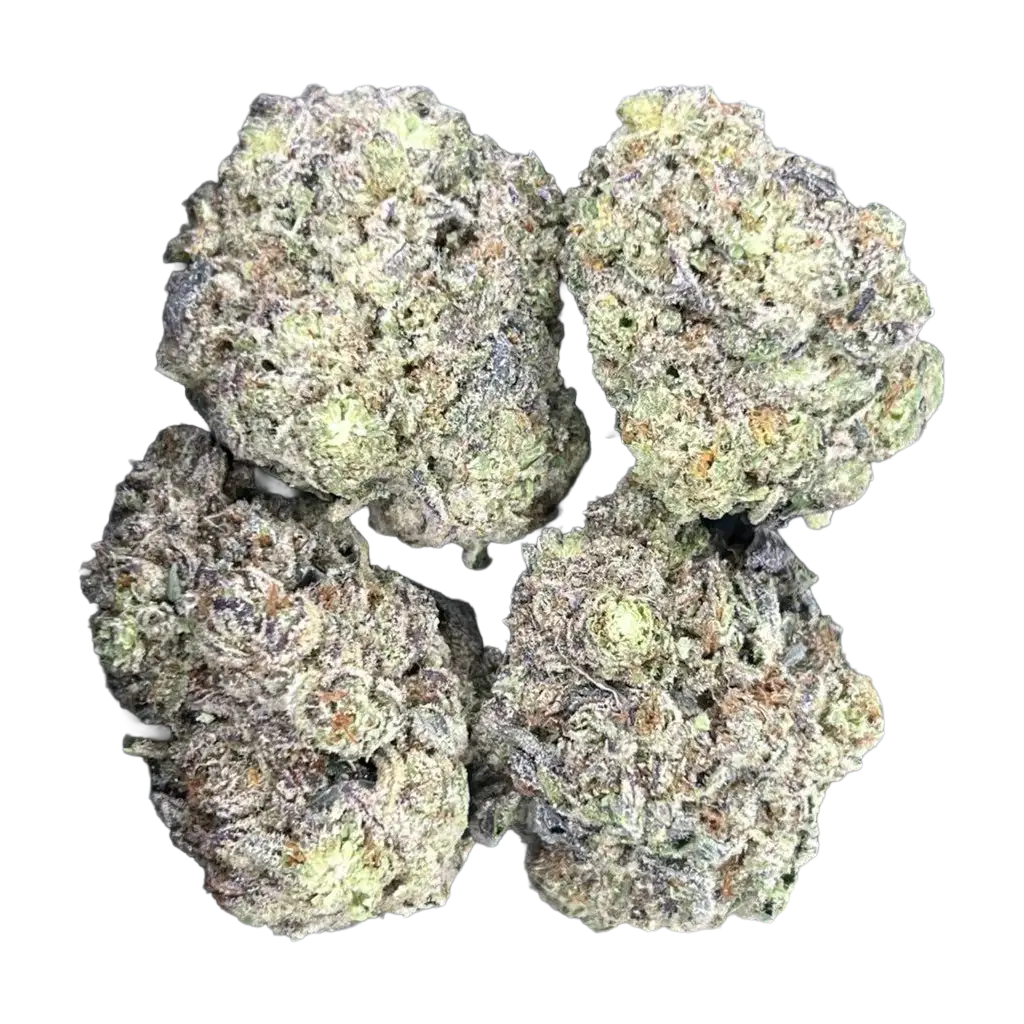
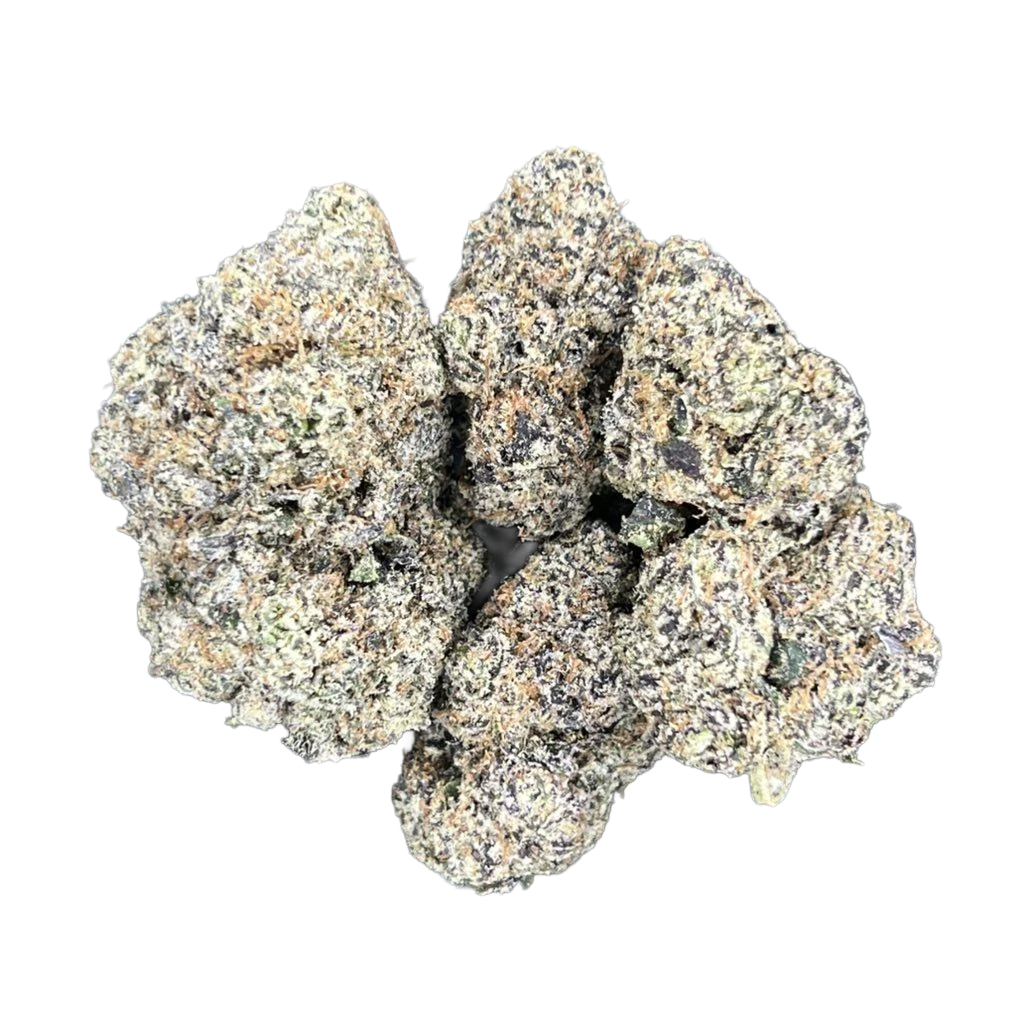
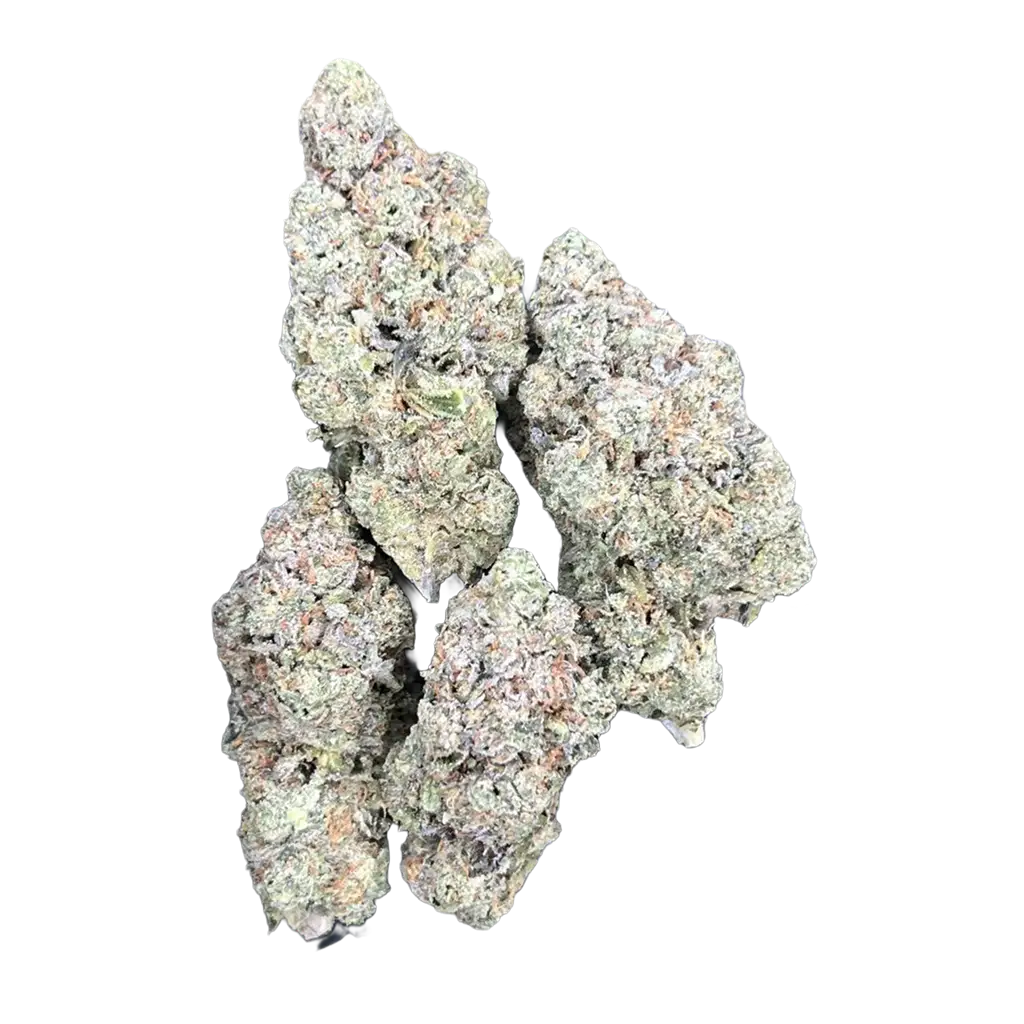
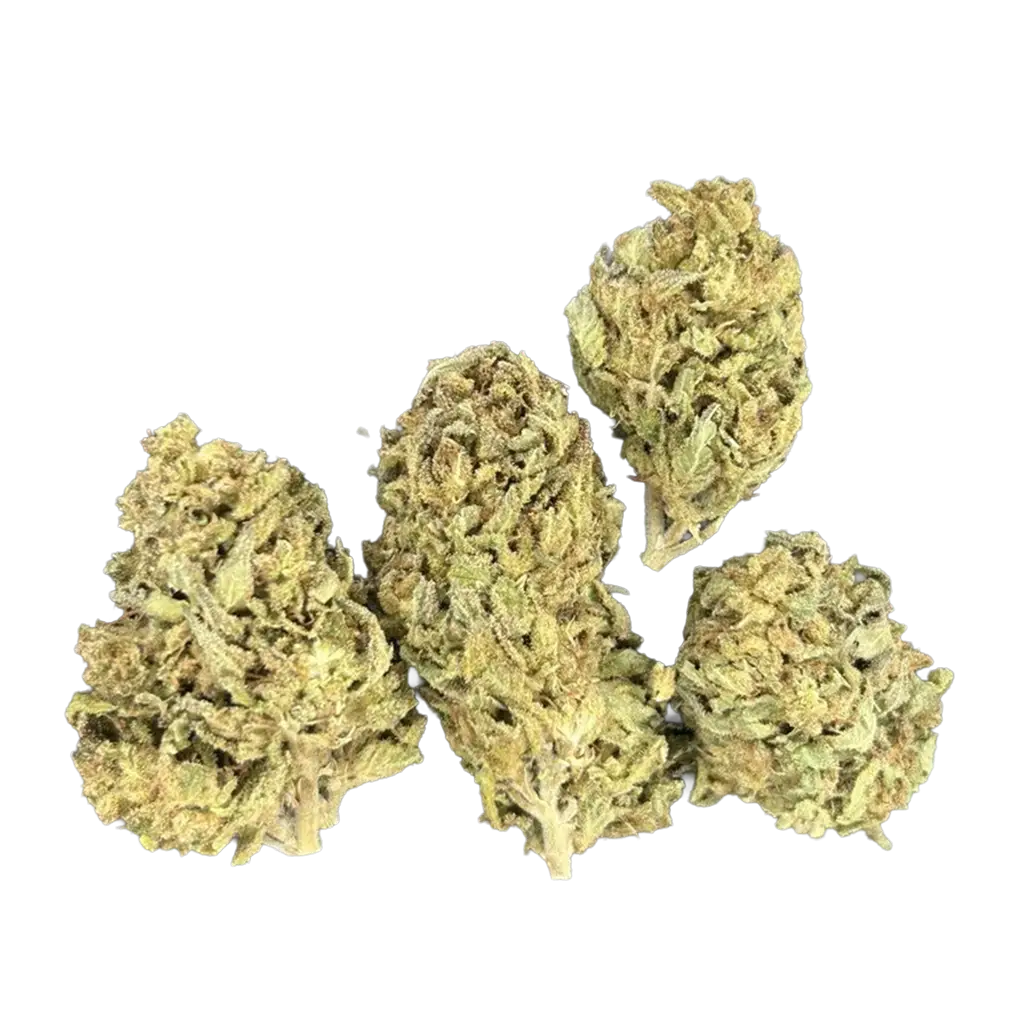
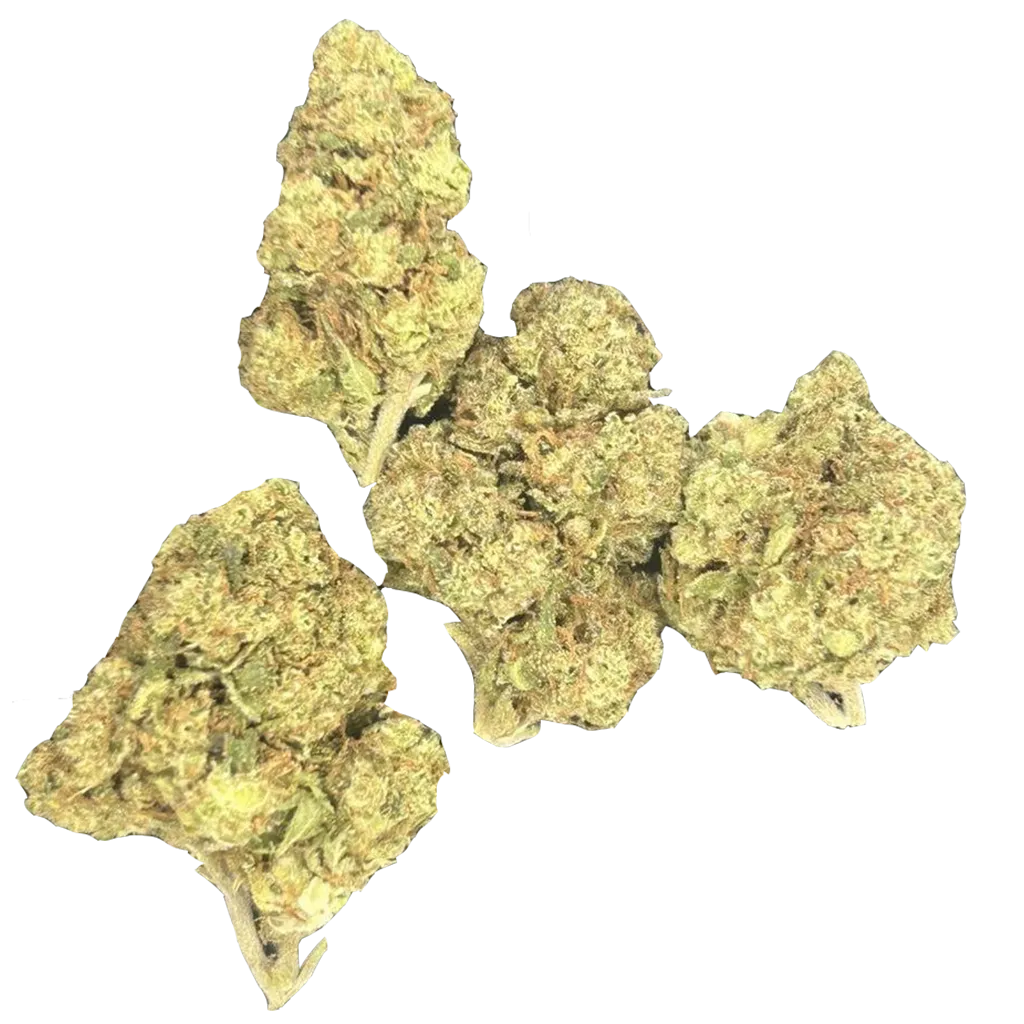
It produces small and sticky flowers in shades of forest green mixed with purple color and orange pistils. In accordance with phenotype and growing conditions, specific specimens may vary in appearance, smell, and even in cannabinoid content, but they all have distinctive traits that make up this particular cultivar.
Currently, the Mimosa weed strain is grown indoors, in greenhouses, and light deprivation facilities similar to other hybrid cultivars due to its stable flowering period, excellent bag appeal, and good commercial qualities.
Cannabinoid content and plant structure can vary between growers, but several characteristics remain consistent across most Mimosa phenotypes. The following table highlights the cultivar’s commonly reported cultivation and chemical profile.
| Characteristic | Typical Range / Information |
| Genetics | Clementine × Purple Punch |
| Type | Sativa-leaning Hybrid |
| THCA | 22-30% (varies by phenotype) |
| CBD | Usually below 1% |
| Dominant Terpenes | Limonene, β-Caryophyllene, Myrcene |
| Flowering Time | 8-10 weeks |
| Indoor Height | 90-140 cm (3-4.5 ft) |
| Outdoor Height | Up to 180 cm (6 ft) |
Though the figures provided are helpful, it must be understood that there are factors that may influence the percentage of cannabinoids. The cultivation process indoors will give you very consistent percentages of cannabinoids in terms of lighting, temperature, and humidity control.
Greenhouses, on the other hand, will have varying percentages based on the season. Instead of relying only on THC or THCA percentages, savvy growers look at their terpenes and trichomes as well.
Another characteristic feature of the Mimosa weed strain is the special and unique scent that includes the mixture of the sweet and fruity scent with citrus notes and the earthy scent in the background.
Fragrances of orange, tangerine, and grapefruit, comparable to other citrus-forward cultivars like Sour Diesel, are usually the main scents you can smell once you unpack the weed. The main terpene in this weed strain is terpene limonene.
Together with the citrus smell, some phenotypes of this strain may also contain the smell of tropical fruits, berries, or stone fruits.
Gentle earth and herbal smells are typical of mature buds. These terpenes include caryophyllene and myrcene, which cause the smell.
Because of its smell characteristics, this strain gained immense popularity among THCA flower consumers.
Effects associated with the mimosa strain are generally considered uplifting initially, then gradually relaxing physically without being overly heavy. Every individual batch of this strain will have a slightly different chemical profile depending on levels of cannabinoids and terpenes, so there is going to be some variation between experiences. The type of consumption and the user’s own physiology will play a role in shaping the experience of consuming this strain.
Instead of using only THC concentration, savvy consumers of marijuana or disposables consider terpenes and the flowering maturity of the strain.
Commercial growers prefer the mimosa weed strain due to its reliable blooming period, aesthetically pleasing looks, and capability to yield premium-grade flowers in varied cultivation settings. Even though indoor growing allows growers to have the most regulated environment possible, the use of greenhouse and light deprivation setups is also common in order to minimize production costs.
Usually, indoor growing gives the opportunity for keeping the temperature at around 70-80°F (21-27°C) during the day, humidity at about 45-55% during the flowering stage, and a regulated light schedule. Such conditions are known for inducing dense bud formation, trichome cover, and cannabinoid formation. The average time required for completing flowering indoors is 8-10 weeks.
Greenhouse cultivation utilizes both sunlight and environmental regulation, which helps to lower production costs and provides commercial flower production. No matter which cultivation setup is chosen by the grower, the process of drying and curing still remains an important one because proper post-harvest processing largely affects terpenes content and flower quality.
With the development of new cultivars by breeders, a number of varieties inspired by Mimosa have been created with unique flavors and genetics. While having common origins, each unique phenotypic form brings its own set of flavors, cannabinoid profile, and growing properties.
The comparison below highlights some of the most recognized Mimosa variations available in today’s cannabis market.
| Cultivar | Primary Difference | Typical Flavor Profile | Typical THCA Range* |
| Mimosa | Balanced citrus hybrid | Orange, tropical fruit | 22-30% |
| Strawberry Mimosa strain | Sweeter fruit-forward phenotype | Strawberry, citrus | 20-28% |
| Pineapple Mimosa strain | Tropical aroma expression | Pineapple, citrus | 21-29% |
| Blue Mimosa strain | Berry-dominant profile | Blueberry, citrus | 20-27% |
| Mimosa Kush Mints strain | Mint and fuel characteristics | Mint, citrus, earthy | 24-31% |
Cannabinoid percentages vary depending on genetics, cultivation practices, and laboratory testing.
While all these strains have descended from the Mimosa strain, the choice is usually made based on market needs. There are those that produce better fruit smells, some that concentrate on producing more cannabinoids, and some that aim at producing more terpenes.
The cannabis industry is constantly changing, but the Mimosa strain remains highly popular on dispensary menu boards and in top-shelf flower strains. The reason for this popularity is not a unique trait, but a number of factors such as recognizable smell, appealing bud appearance, and successful growing results.
This variety keeps attracting commercial breeders due to its several useful features:
Citrus-based smell that attracts the attention of consumers.
These qualities have helped Mimosa remain relevant despite the introduction of countless new hybrids. Instead of just focusing on the cannabinoid percentage that is high, the combination of flavors, looks, and consistency of growing still helps to meet the demand in retail and wholesale cannabis markets.
Mimosa has made a name for itself based on its citrus flavor profile, reliable growth traits, and beautiful flowers. With its balanced genetics, unique terpenes, and reliable growth, this is a cultivar that can satisfy any grower, retailer, and cannabis consumer. Though each phenotype will differ slightly in terms of cannabinoid content and smell, the basic traits of the cultivar are well-known among today’s cannabis industry.
From both a business perspective and a consumer perspective, it is important to consider not only the genetics of a cultivar, its terpene profile, how it is grown, and the quality of its post-harvesting products, but also the percentage of THC. In the changing landscape of premium cannabis production, consistent and appealing cultivars are still of great value. At TerpSourced, cultivar selection and quality control contribute to high-quality cannabis production.
Mimosa Strain belongs to sativa-dominant strains. This Mimosa strain is a combination of two strains. Namely, it includes the positive effect of the Clementine strain and the negative effect of the Purple Punch strain. Consequently, this strain is recommended for use during daytime and early evening hours.
According to the available data, Mimosa flower usually contains 22-30% of THCA. Nevertheless, laboratory studies indicate that this value differs depending on the cultivator or the phenotype of the weed plant. Seasoned cannabis consumers do not estimate the potency solely based on the cannabinoid percentage; they take into account terpene concentration and the maturity of the flower.
Typically, limonene prevails in the terpene spectrum of this strain, providing its aroma. Limonene is usually combined with terpenes of β-caryophyllene and myrcene. Sometimes, pinene and linalool terpenes can be found in this strain as well.
One of the most distinctive features of the Mimosa strain is its very powerful citrus taste. It can be defined as the taste of sweet oranges, grapefruits, or other exotic fruits. However, sometimes this strain gets a whole new taste of berries, herbs, soil, and pepper due to the curing process.
No, these are different strains. The strawberry mimosa strain comes from the Mimosa strain, but the creators have decided to cultivate a new strain with the taste of berries without altering the citrus taste of the strain.
This marijuana strain is known for its fruity scent and citrus taste of the Mimosa strain. It should be noted that there can be small differences concerning cannabinoids and terpenes composition, flowering time, etc.
The Mimosa Kush Mint is a strain that combines the taste of Mimosa and the mint flavor of Kush Mints, as well as the fuel taste of Kush Mints. Due to this, the strain not only has a better taste, but also more cannabinoids in some phenotypes.
Yes. Similar to many other strains, the blue mimosa strain may yield different percentages of cannabinoids depending on various factors. These include genetic makeup, growing conditions, harvesting and curing methods, etc. Lab tests will provide the most precise results compared to general data that may be found in publications.
The reason behind the continued popularity of Mimosa is the fact that it has more to offer than high cannabinoid content. The characteristic citrus flavor, great trichome coverage, predictable blooming cycle, and consumer recognition all contribute to its appeal in terms of selling high-quality flowers in regulated cannabis markets.