Rainbow Belts can be found on nearly all menus featuring candy-leaning flowers without any version number or origins info attached. It is an actual cultivar with a named breeder, three versions available, and a terpene profile that distinguishes between the legitimate strain and imitations.
This article will discuss the genetics of Rainbow Belts, whether it is more sativa or indica, how the terpenes work, and the THCa concentration.
The Rainbow Belts is an indica-based candy hybrid developed by the Archive Seed Bank of Oregon, a breeding company established by ThaDocta. It is made through the crossing of Zkittlez and Moonbow varieties, the very name of which suggests the sour rainbow candy that the cannabis variety is made to taste like.
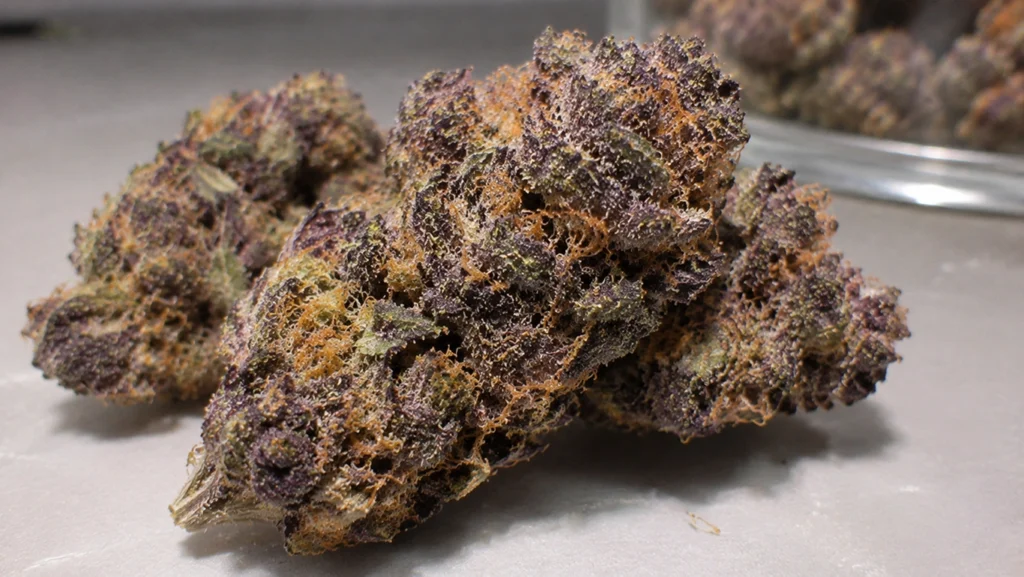
This hybrid emerged amid a new generation of fruit-flavored strains that appeared after Zkittlez, but in contrast to other strains of its time, it has remained on the market thanks to the proper structure. Rainbow Belts produces densely packed buds covered with resins and featuring a purple phenotype in cold rooms, which makes it photogenic, jar-friendly, and aromatic enough even weeks after harvest.
As a part of the hemp industry, the same genetics are cultivated and distributed as THCa flower. The plant remains the same; what is changing is the harvest and testing process in order to keep the Delta-9 THC level below 0.3% and to keep THCa levels high.
Rainbow Belts is an indica-dominant hybrid. Although the Archive Seed Bank has never specified the precise indica-sativa ratio of Rainbow Belts, both of its parents have indica characteristics, and the effects felt by the consumers also coincide with this classification.
It should be noted that in this case, the name does not matter as much as in most cases. Rainbow Belts has genetics from both of them, and how exactly the particular batch will function will depend more on the selected phenotype and terpene profile, not the ratio written on the package of seeds.
The only thing that is stable with different phenotypes is the direction of the effect. It starts with a boost of energy and finishes with a sedative effect. When describing Rainbow Belts, users often pay attention to the second half of the experience.
So, from the practical perspective, the recommendation is clear – sell it only for evening use. Consumers who purchase Rainbow Belts for their stimulating effects are unlikely to return for them.
Original Rainbow Belts combines Zkittlez with Moonbow #75. It may seem like an odd combination, but that’s because the Moonbow itself is the product of the Zkittlez and Do-Si-Dos cross, which means the strain gets its genes from the same parent on both sides.
It’s this duplication of Zkittlez that gives the strain its taste. Usually, a candy hybrid derives its flavor from just one parent while losing it in the cross due to the influence of another. With Rainbow Belts, candy is duplicated, allowing it to make it into the final product instead of being toned down.
The heaviest element in Rainbow Belts comes from Do-Si-Dos itself. Do-Si-Dos’ lineage includes such strains as OGKB and Face Off OG, which are famous for having high levels of resin and gas.
The result? Candy on the top and gas below. The contrast between sweet inhalation and gas-like exhale creates complexity.
Archive released three iterations, and they are not interchangeable. Each one re-crosses a selected Rainbow Belts plant back toward the Moonbow side, which pulls the profile further from candy and closer to gas with every version.
| Version | Cross | Direction of the profile |
| Rainbow Belts 1.0 | Zkittlez × Moonbow #75 | Sweetest of the three, brightest fruit, most recognizable candy nose |
| Rainbow Belts 2.0 | Selected Rainbow Belts line, further stabilized | Candy intact, firmer bud structure, and heavier resin |
| Rainbow Belts 3.0 | Rainbow Belts #20 × Moonbow 112 F2 #60 | Herbaceous lime, gas forward, candy pushed to the background |
The Rainbow Belts 3.0 strain surprises people. Growers who expect sweet open the jar and find something closer to cheese and fuel, with the Zkittlez showing up on the exhale rather than the smell.
If a listing says only “Rainbow Belts,” assume nothing about which of the three is in the bag.
The three terpenes that define this strain are found in varying ratios that make up its signature.
Humulene, myrcene, pinene, and ocimene serve as the back-end terpenes. The terpene content of well-cultivated flowers ranges from 1% to 2%.
The important pair of terpenes is limonene and linalool. It is rare for a strong indica cross to have florals and citrus components leading the way. This is the very reason why Rainbow Belts avoid becoming one-dimensional, sweet citrus. If not for the linalool, the strain will just be sweet citrus.
When properly cured, Rainbow Belts THCa flower will measure around 20% to 30% THCa, with most commercial strains falling into the low-twenties. Numbers quoted from laboratory results for the recreational version of the strain fall around 18% to 26%, and are comparable when one accounts for the conversion.
Conversion should be explained. THCa is not psychoactive in itself. It loses a carbon-carboxyl group when heated, turning into Delta-9 THC, and the conversion takes about 12% of the weight. Thus, 25% THCa converts to about 22% Delta-9 THC upon combustion, not 25%.
Potency is also the least useful number provided by any lab result. Two batches with equal amounts of THCa can burn entirely differently based on how they were cured, their terpene preservation, and post-harvest care. People return to Rainbow Belts because of the taste, not the number.
The effects of Rainbow Belts are euphoric at the beginning and heavy at the end. Consumers usually mention a feeling of euphoria in the initial stage, followed by heaviness behind the eyes and through the shoulders in just twenty minutes.
The effects are the fun bit about the strain. The limonene-dominant opening creates such an uplifting feeling that Rainbow Belts seems like a sativa until the Do-Si-Dos comes in. This is why many people mistakenly purchase it as a daytime strain.
Some common effects:
If the dose is high, sedation becomes the dominating effect rather than a side effect.
Good strain to consume in the evenings and to help you wind down, especially if one has built up some tolerance. It comes out as more powerful than expected for new users because of the nice ten-minute ride at the beginning.
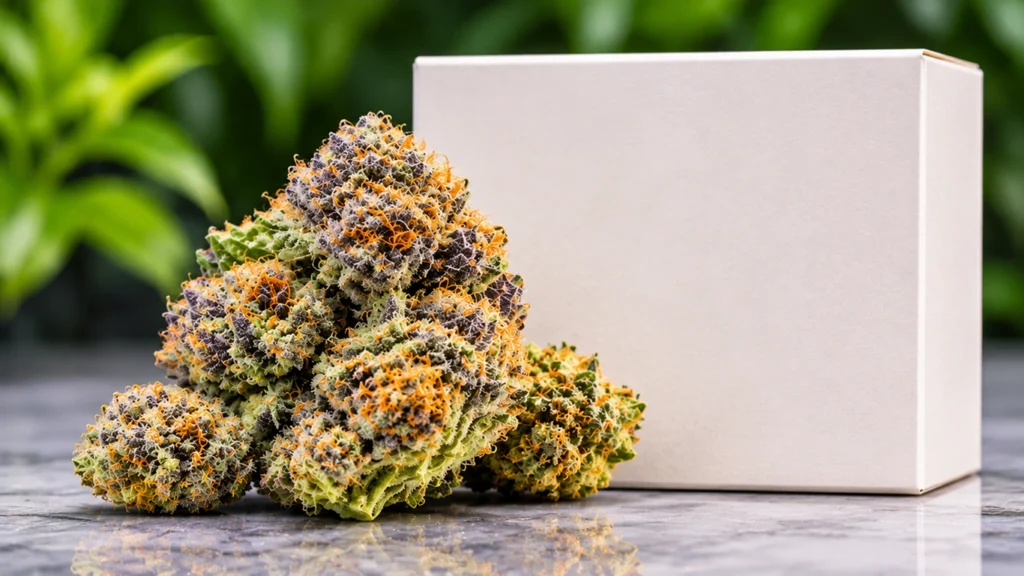
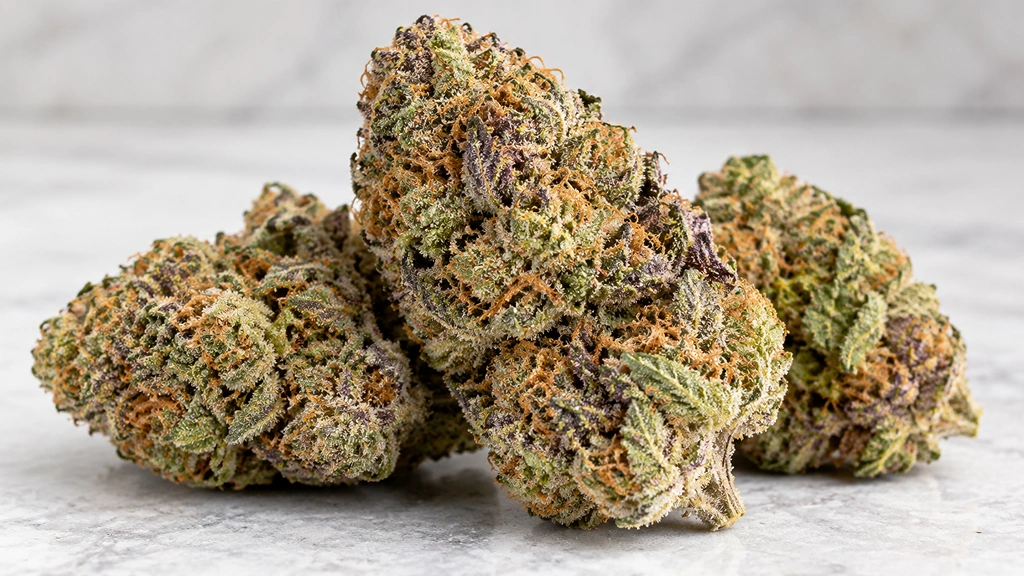
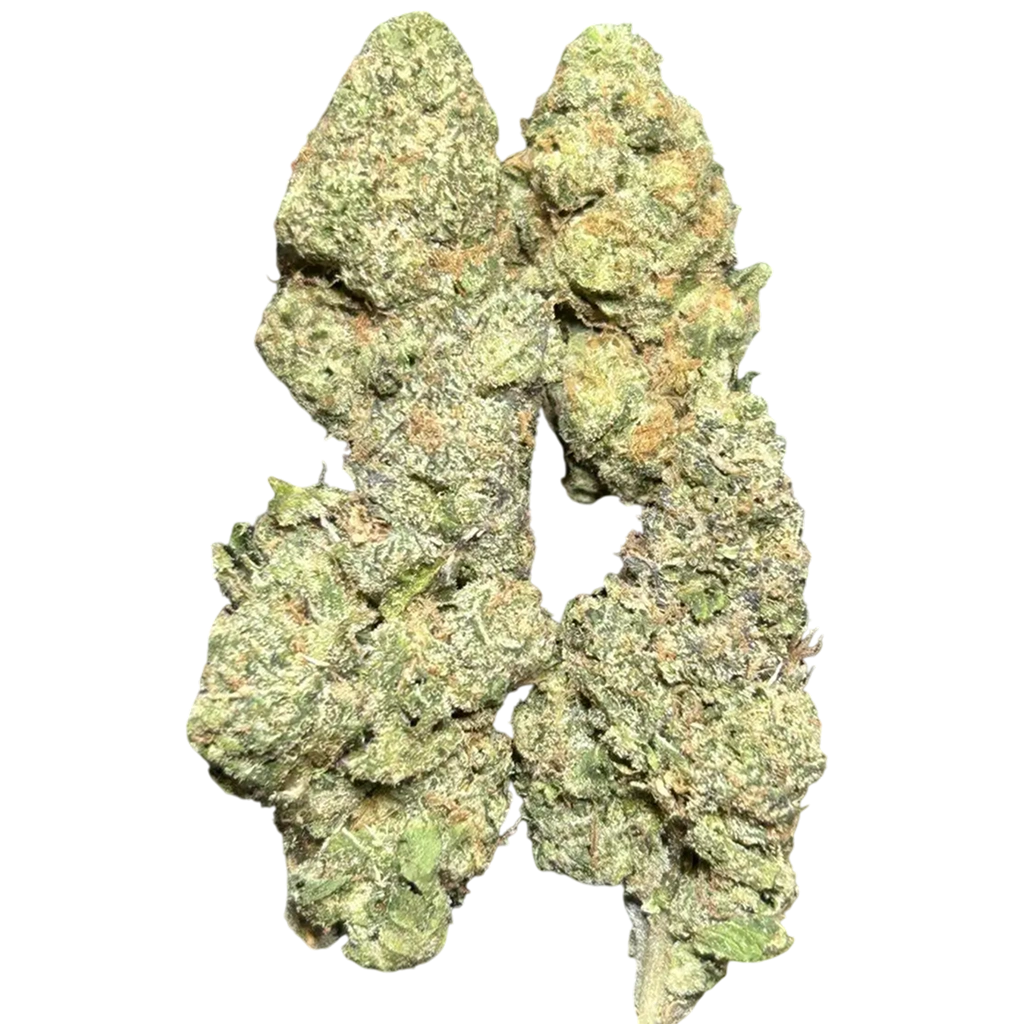
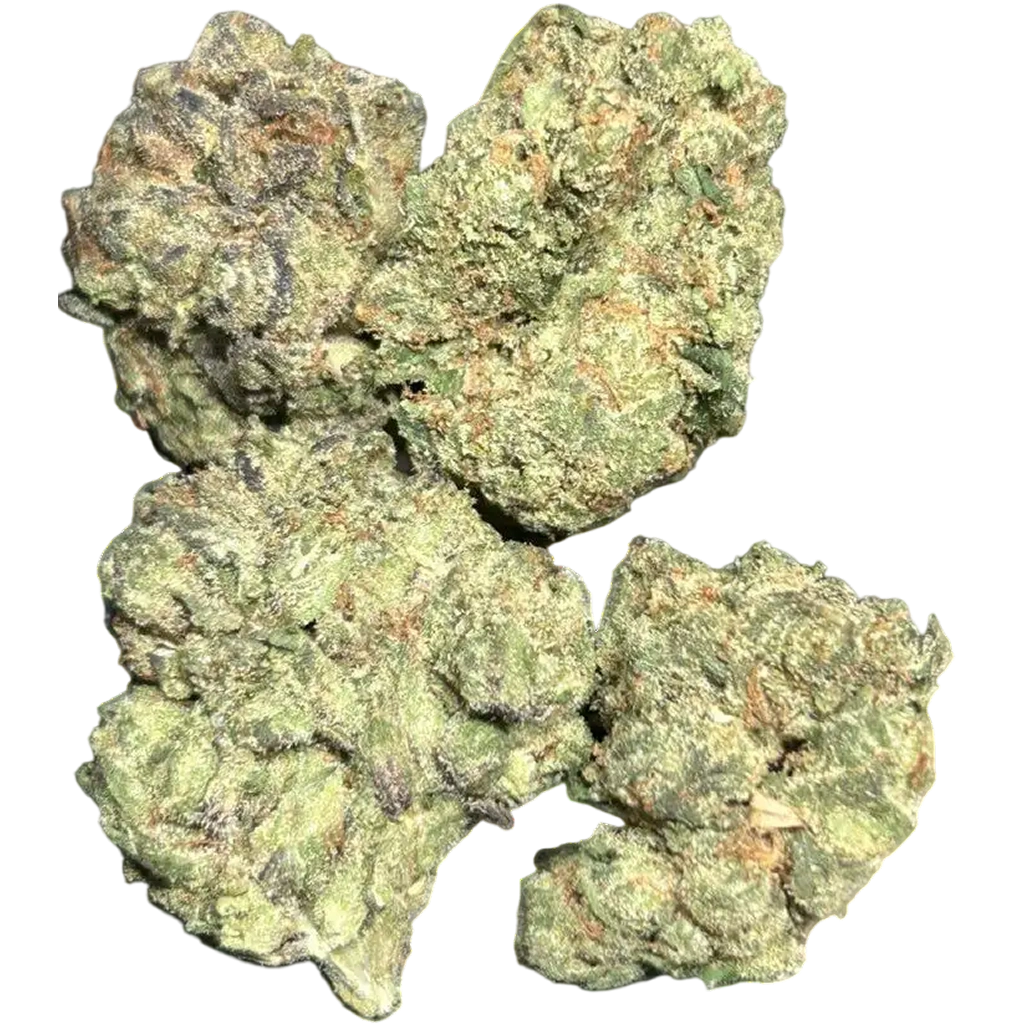
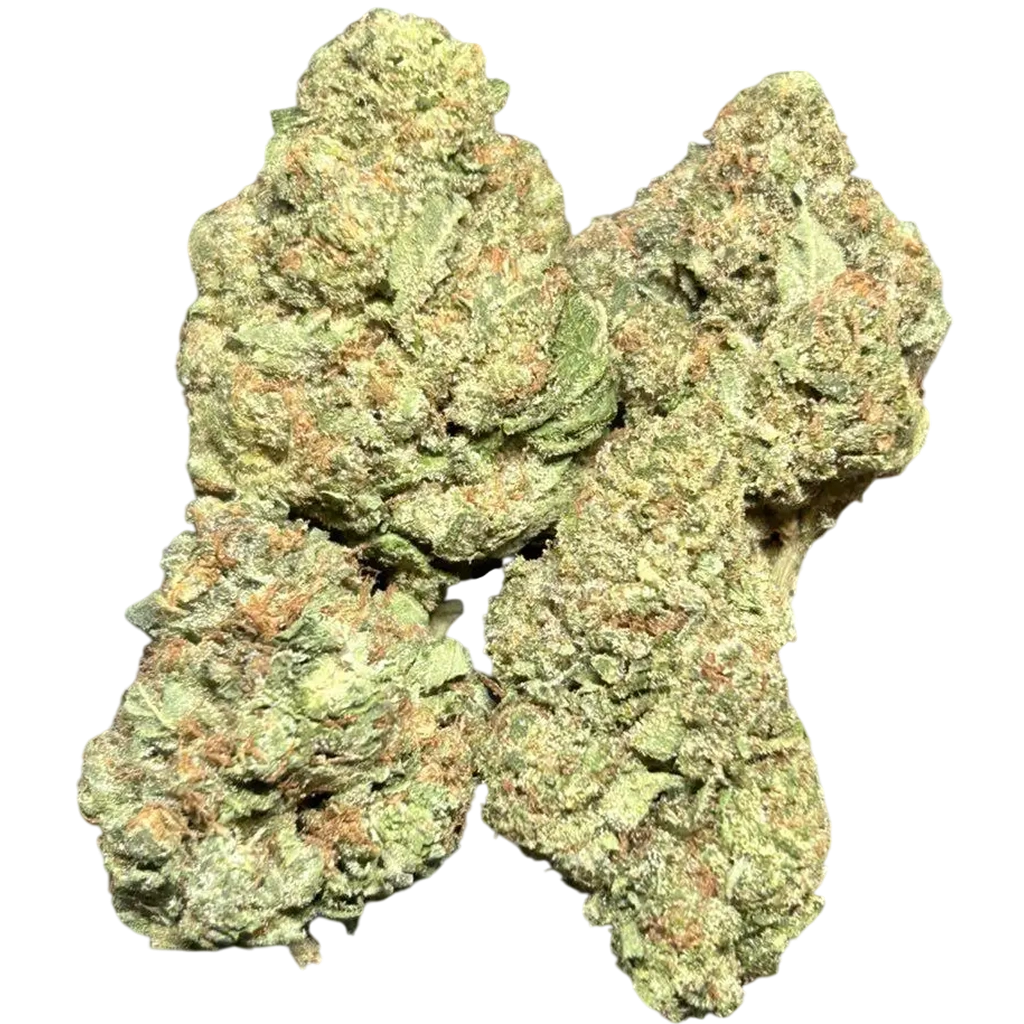
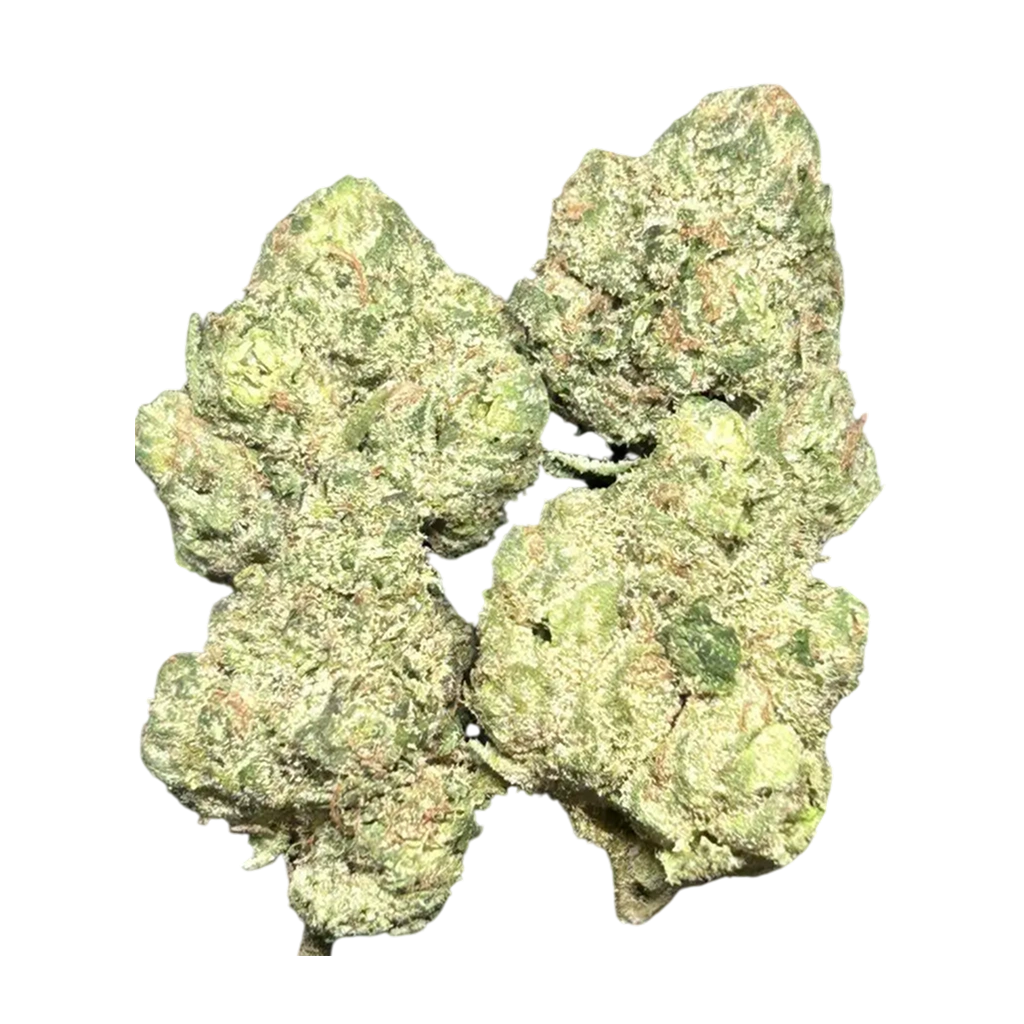
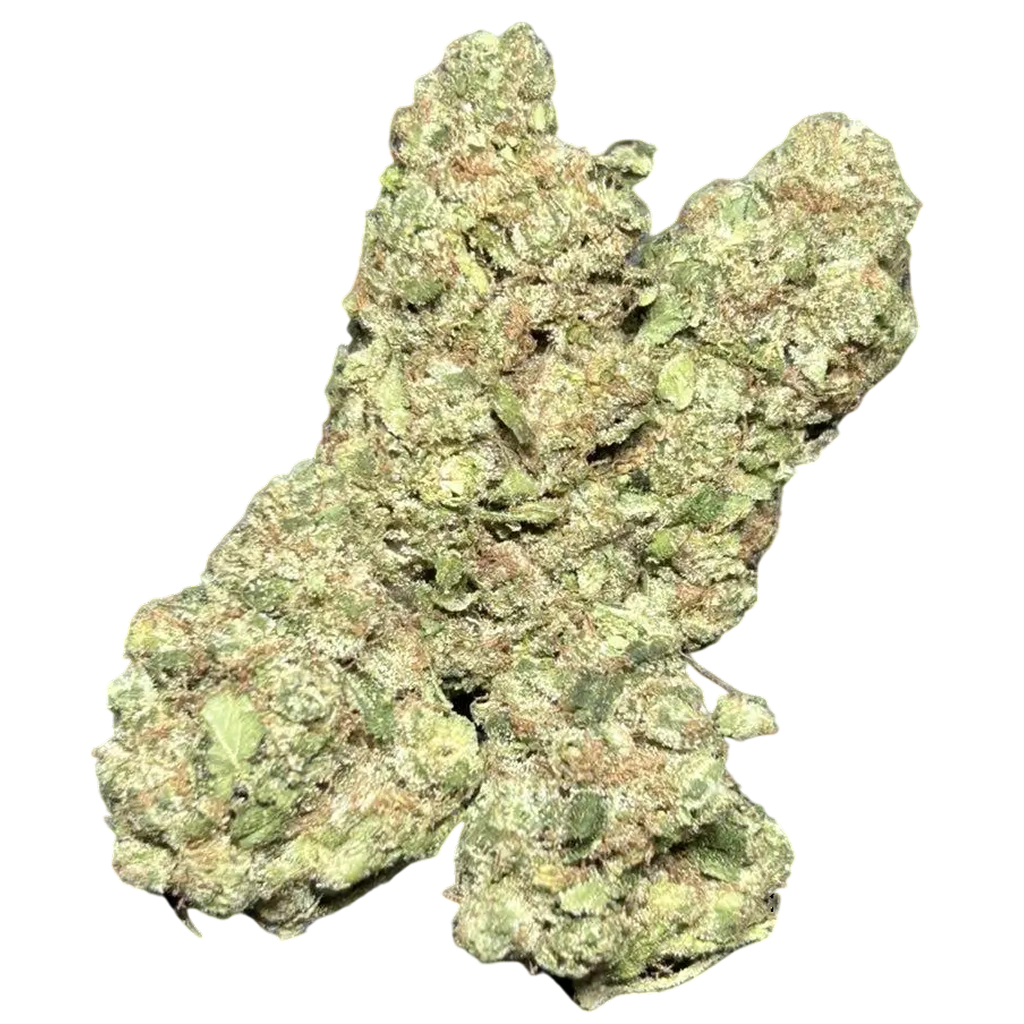
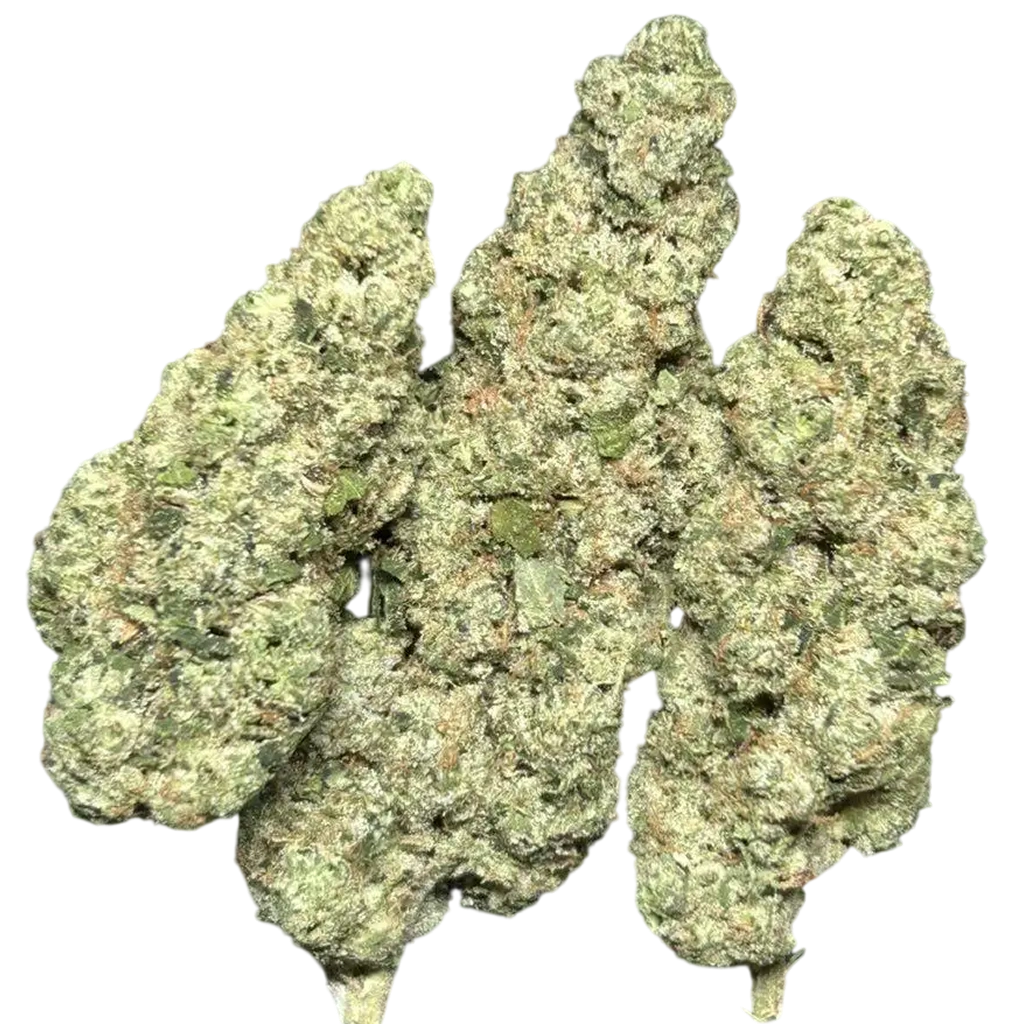
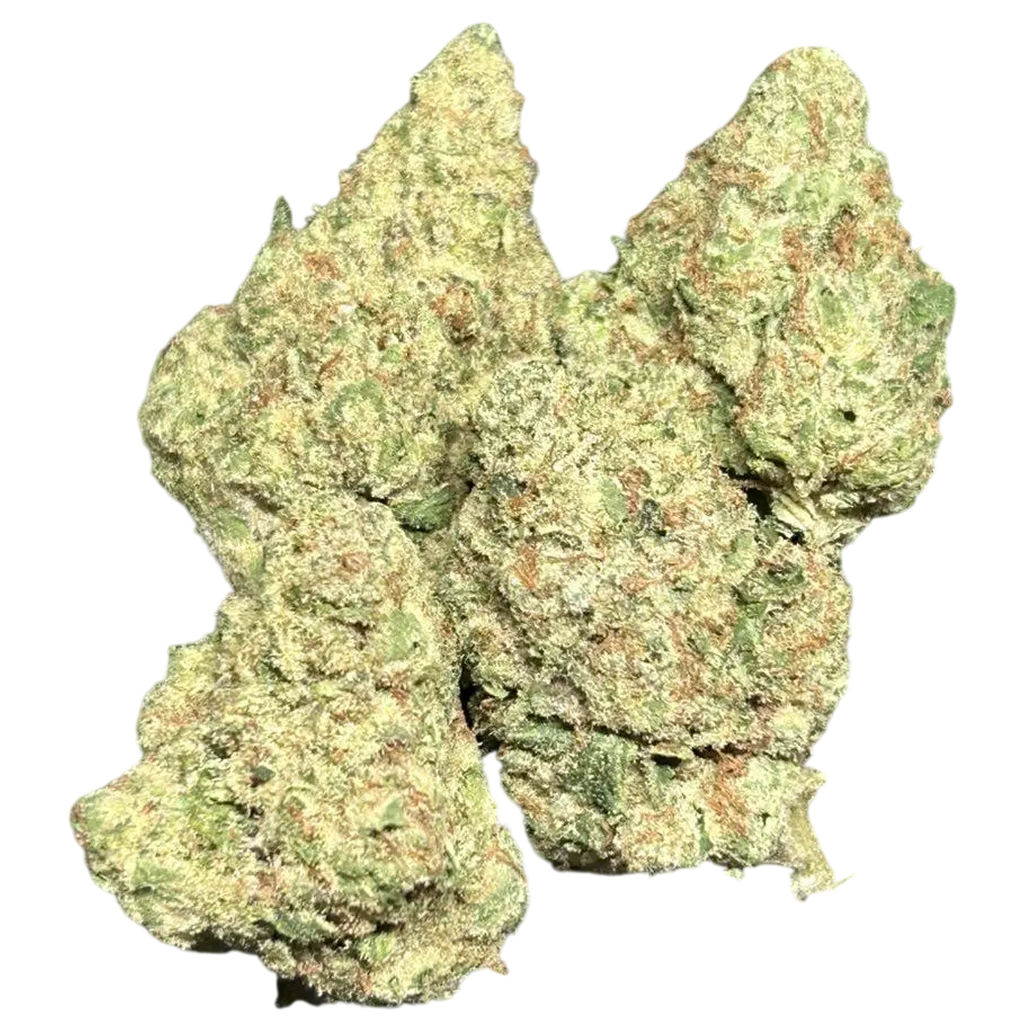
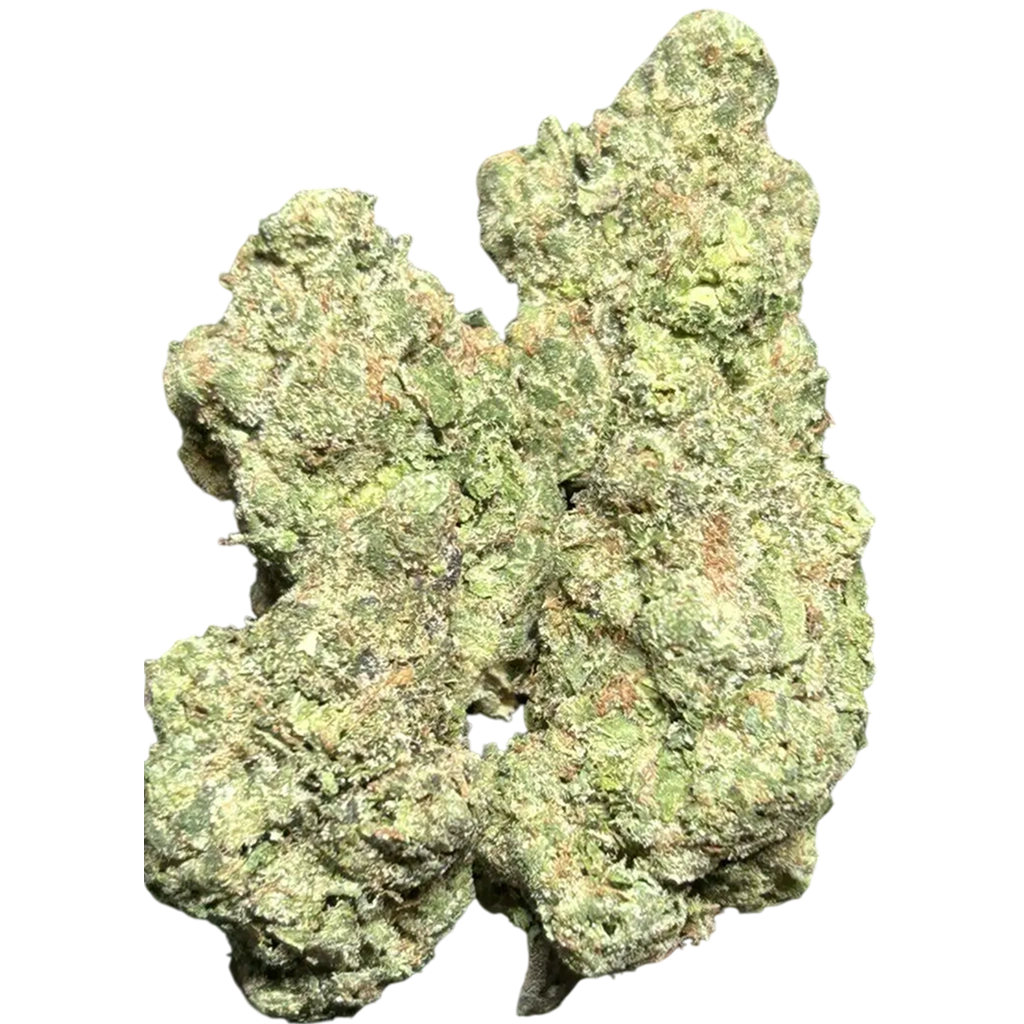
The buds for Rainbow Belts are dense, tightly formed, and heavily frosty, usually purple through the whole bud with bright orange pistils sitting on lime green leaves. In colder finishing rooms, the purple gets more intense, and it is one of the reasons this strain photographs so well.
The aroma does not live up to the strain’s name quite the way people think it should. The top layer is sweet fruit, while underneath, there is something that smells a bit sour and almost fermented, with a slight gas quality that becomes more apparent once the bud is cracked open. When grinding, the pepper and pine become evident thanks to caryophyllene and humulene.
The flavor pattern remains the same: sour candies and citrus on inhaling, creamy flowers in the middle, and kush and spice when exhaling.
In retail, this is the strain that sells itself. The customers get the jar due to the color and purchase the strain after smelling the lid.
Starting with flower, then moving on to solventless, and ending with distillate. The benefit of the strain comes from its terpenes, meaning the further it remains close to whole flower form, the more value is retained.
Check out the terpene profile on the COA before you even consider reading the potency number. Rainbow Belts is among the most misrepresented strains by far in bulk THCa flower, and the only way the truth gets told is through the lab report.
Four things to verify:
Match up with the current Delta-9 compliance data.
Rainbow Belts secured its reputation not because of its candy name but because of what it stands for. The hybridization with the double Zkittlez parent ensures candy flavors in the final product, while the Do-Si-Dos side provides the density of the bud that keeps bringing customers back once the initial interest fades away.
Specifics:
When buying Rainbow Belts wholesale, you need to check the COA to see which type you will be buying. If the supplier is able to provide it with the correct name, buy from them again.
TerpSourced supplies wholesale THCa flower in bulk to smoke shops, distributors, and emerging brands, with third-party COAs on every batch and the version of every cut on record.
Rainbow Belts is a mostly indica hybrid. The exact ratio has not been provided by the Archive Seed Bank, but the two strains are primarily indica, and the effects line up. The initial high will be uplifting and euphoric, and become sedative shortly thereafter.
Rainbow Belts is a hybrid between Zkittlez and Moonbow #75. Since the Moonbow strain is a result of crossing Zkittlez and Do-Si-Dos, Zkittlez appears twice in its genetic background, explaining the dominance of its sweet taste.
In the case of Rainbow Belts 3.0, the breeders crossed the chosen Rainbow Belts strain with Moonbow 112, thus creating a more gassy and limey strain with candy being in the background. The Rainbow Belts 2.0 strain retains the original sweet aroma better.
Most Rainbow Belts of THCa flower on the market range from 20% to 30%, with most being found in the mid-to-low 20s. When these THC acids are decarboxylated, about 88% of the THCa becomes Delta-9 THC.
Beta-caryophyllene, limonene, and linalool. Beta caryophyllene content is usually from 0.4% to 0.9%, limonene 0.3% to 0.8%, and linalool 0.1% to 0.4%. Humulene, myrcene, and pinene are found in very small amounts in lab results.
A sour flavor when inhaling, combined with something floral and creamy, followed by kush and pepper upon exhaling. The nose tastes a bit sweeter compared to the smoke, which also carries an aroma that is a bit gassy.
Euphoric feelings and laughter, then body-based relaxation and lethargy. Dry mouth and dry eyes are typically noted side effects. Increased dosage leads to a highly sedative effect, which makes it more appropriate for nighttime rather than daytime usage.
Cannabis with no more than 0.3% Delta-9 THC by dry weight is federally legal according to the 2018 Farm Bill. Regulations vary depending on the state, and some states have prohibited or limited the use of THCa products.
Examine the COA terpene profile. If genuine, there will be limonene and linalool along with caryophyllene, leader or equal. Little or no linalool and very high isolated limonene are typically indicative of the generic candy flower known as Rainbow Belts.