Although many cannabis users tend to enjoy exploring various genetics, only a handful of strains are able to stay popular well after their release into the market. The Carbon Fiber strain is one such example, having set itself apart from the rest owing to its delicious flavor, ample resin content, and potent effects, making it a popular choice among buyers looking for high-quality THCA flower.
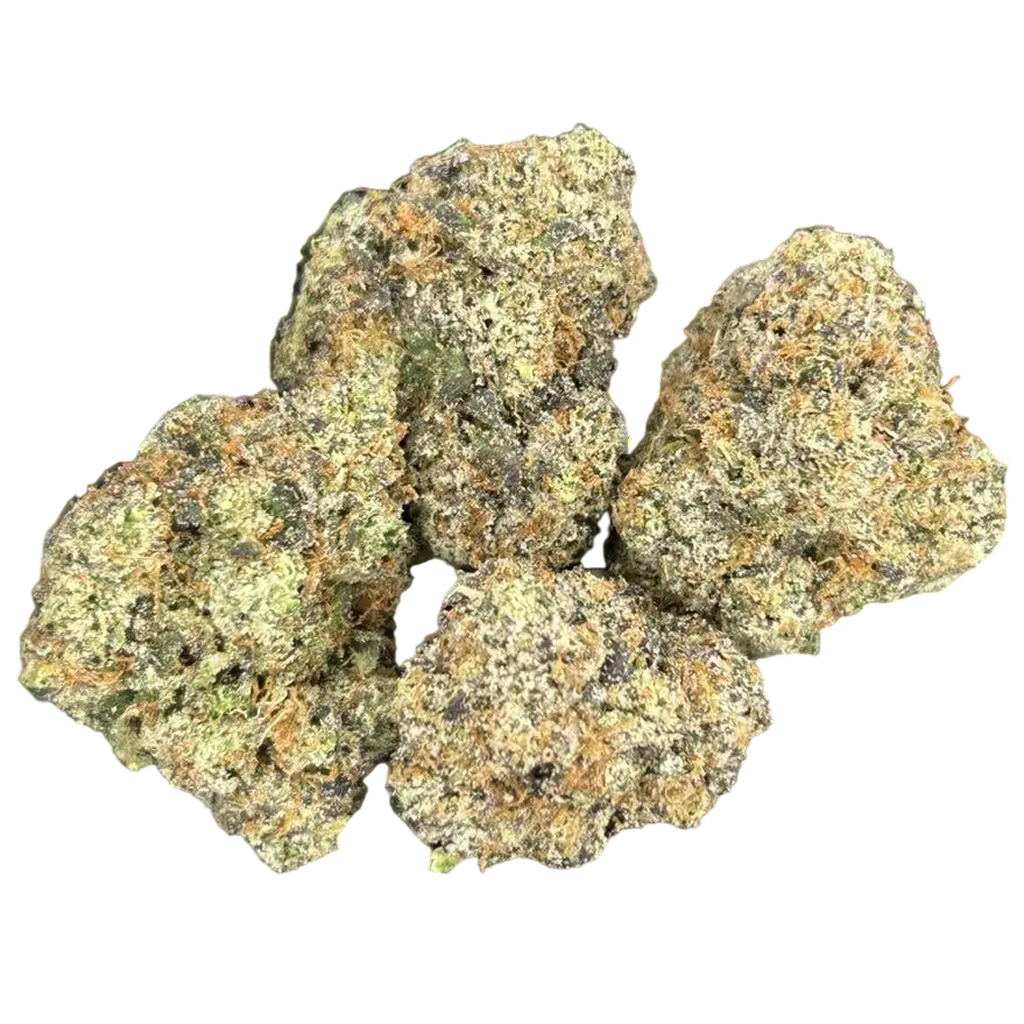
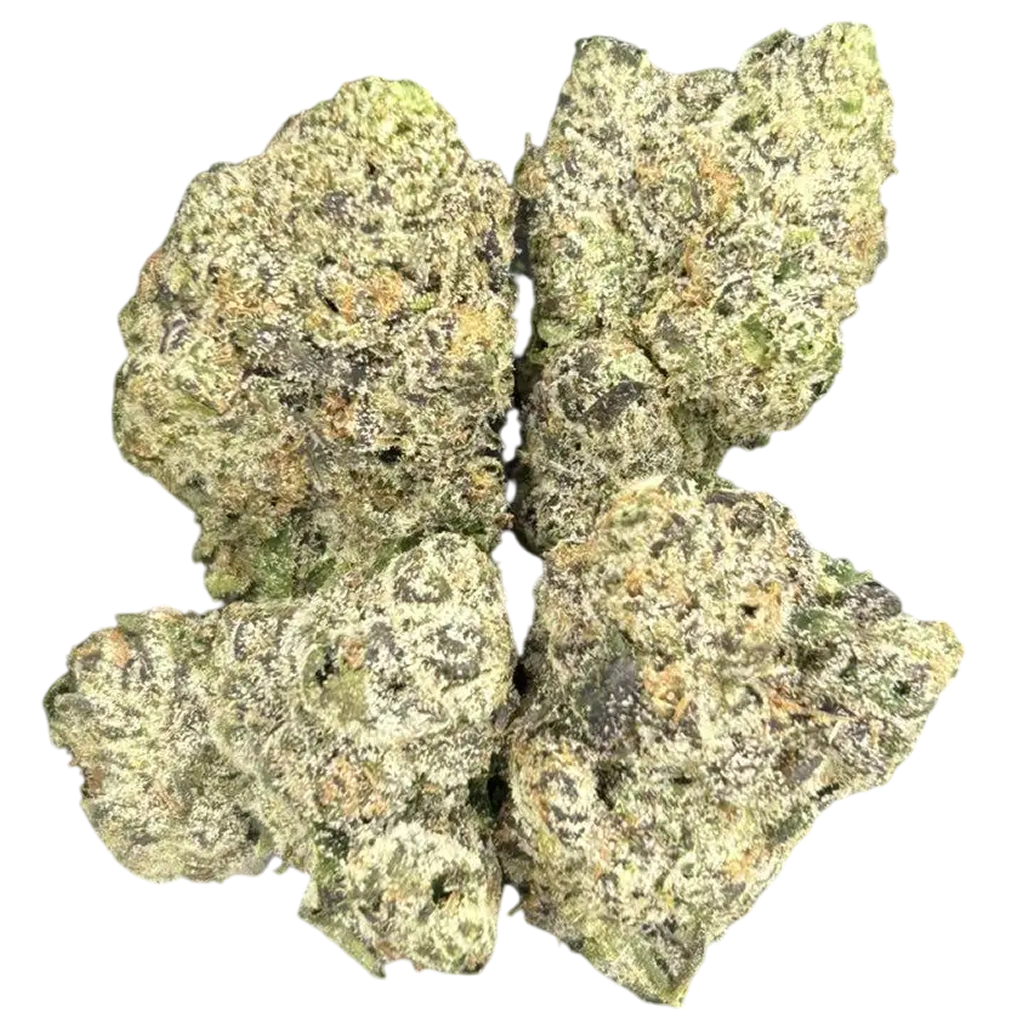
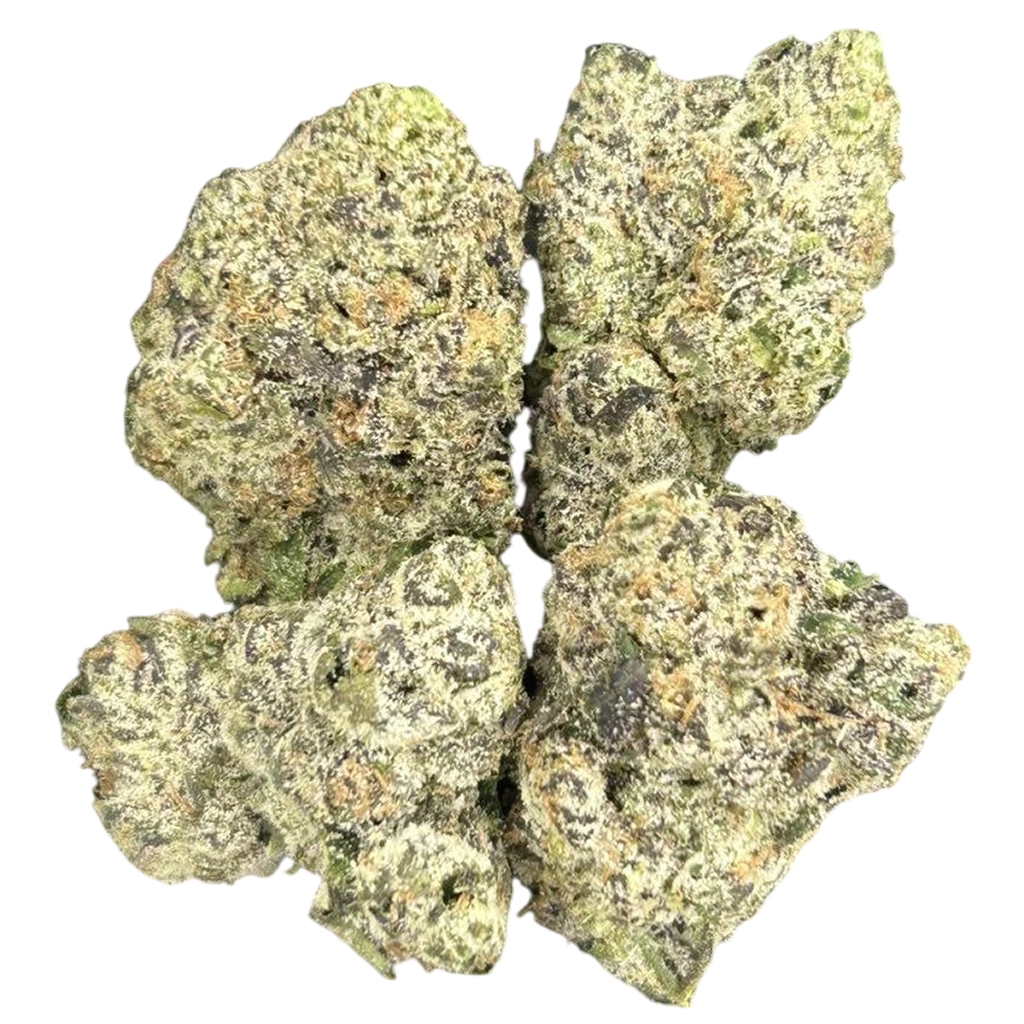
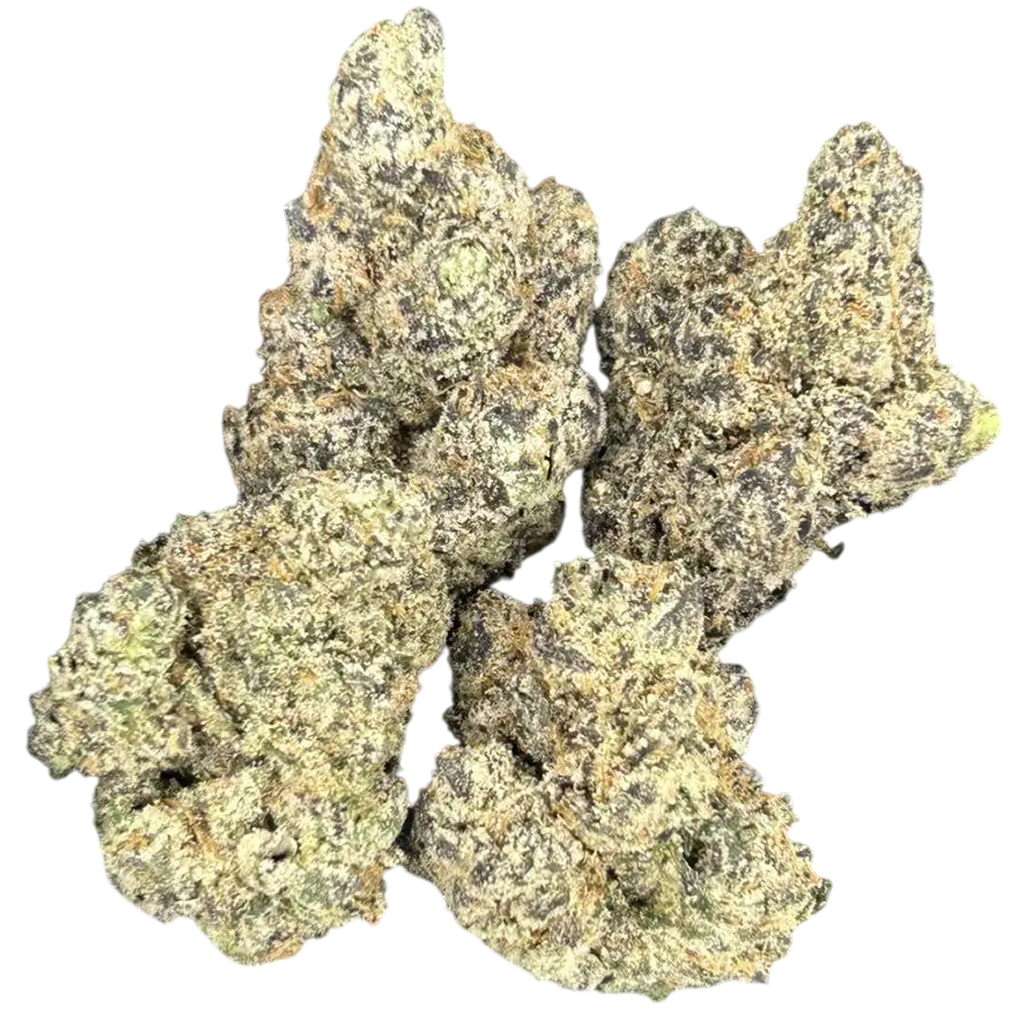
If you find yourself weighing whether or not to sample this strain, then you will do well by knowing a little about its properties.
Carbon Fiber is a powerful hybrid cannabis strain bred using the combination of Grape Pie, Biscotti, and Cookies and Cream strains to produce dense and THC-enriched flowers, which give out delicious and sweet flavor notes. The strain is similar to other modern hybrid cultivars discussed in Gelato 41 genetics. Although it is considered an indica-dominant hybrid, it may have varying effects in accordance with the growth conditions, harvesting, and particular phenotype used.
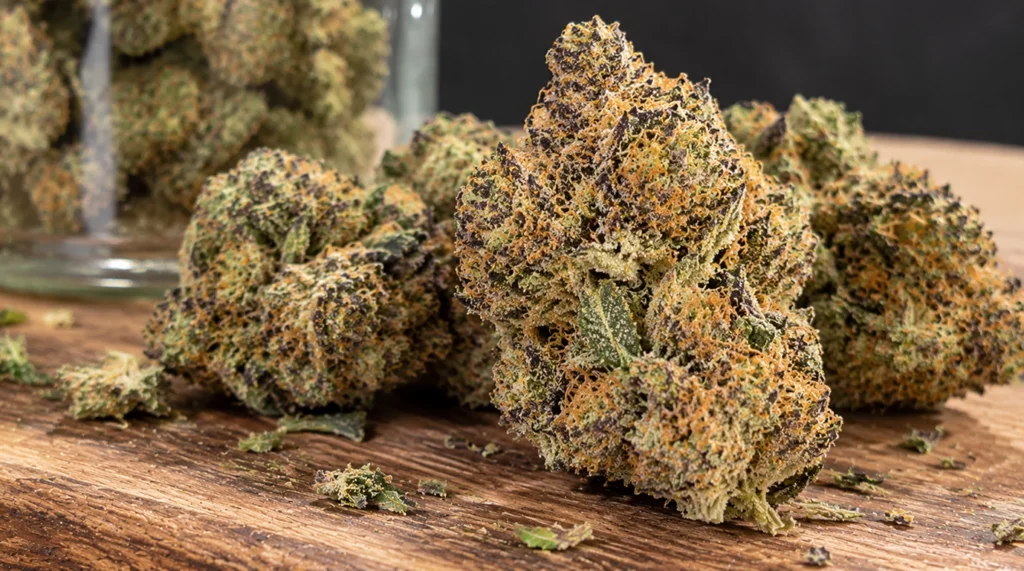
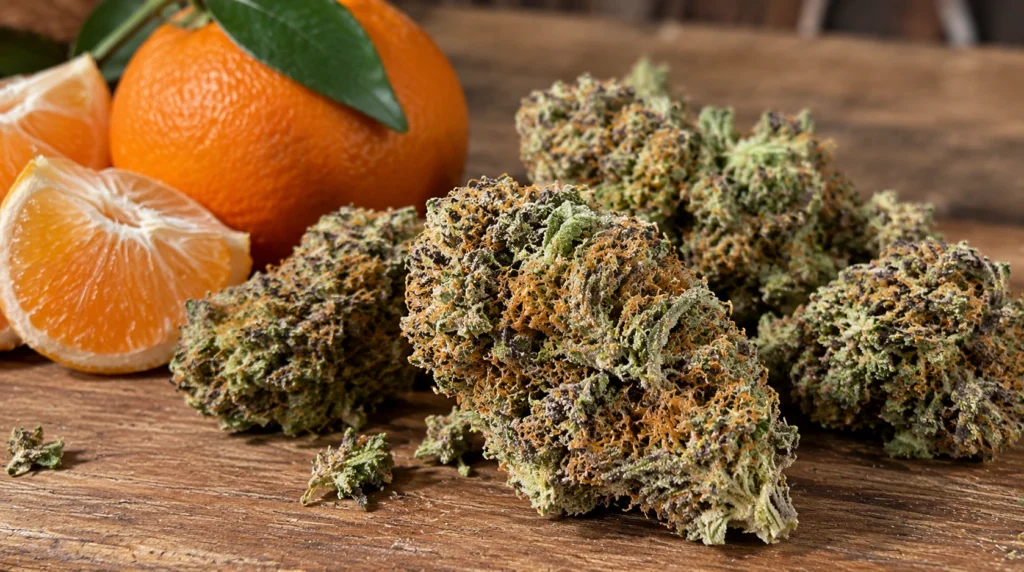
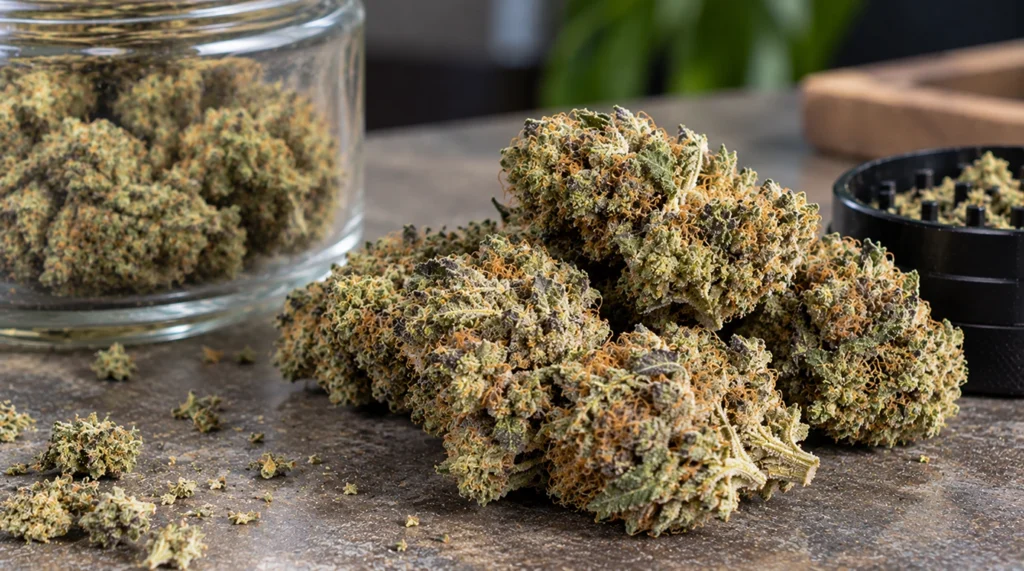
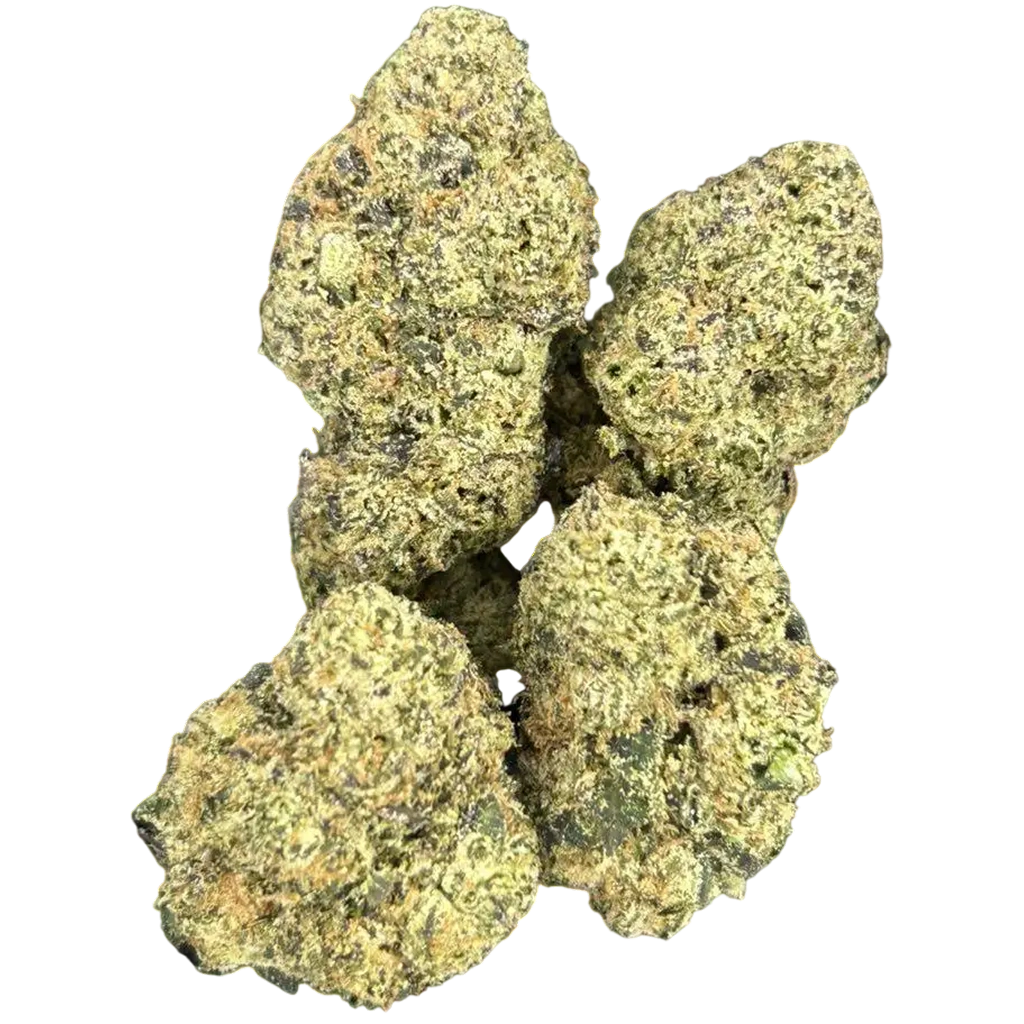
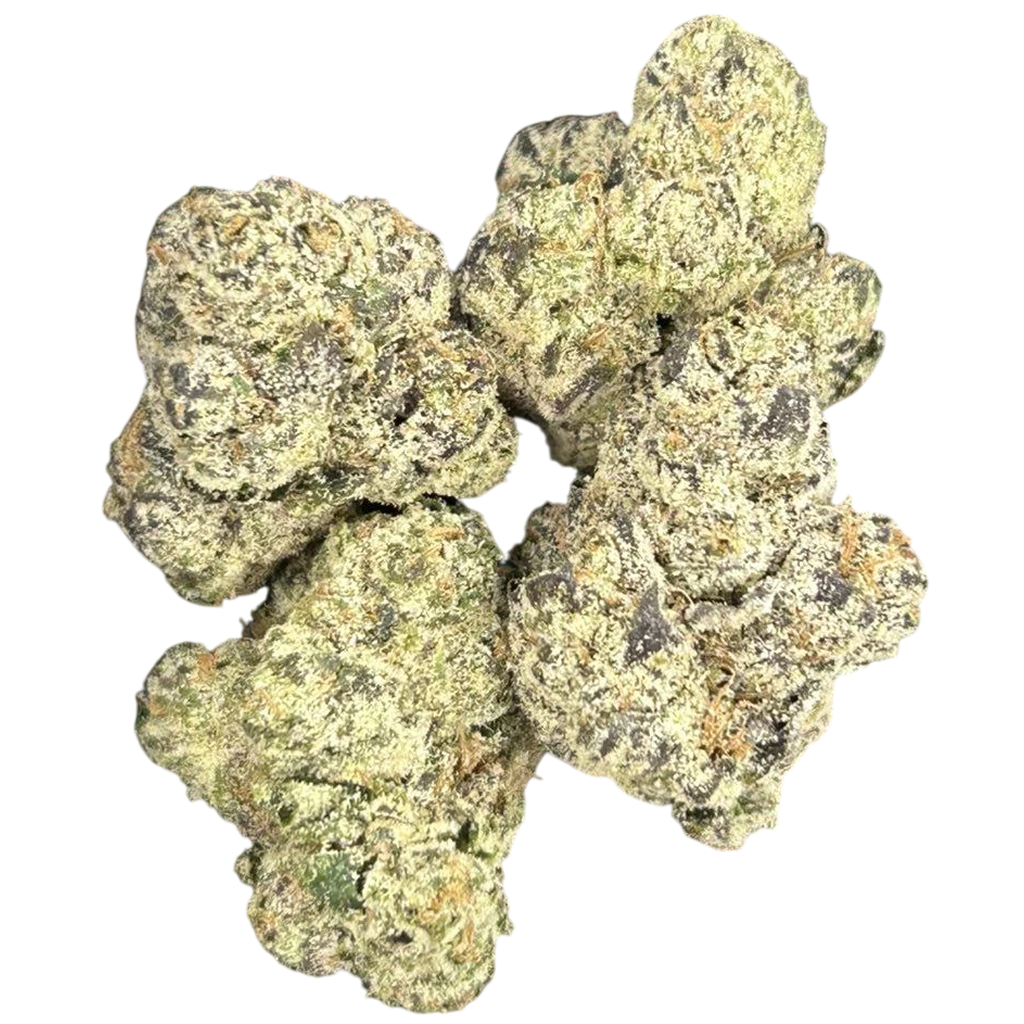
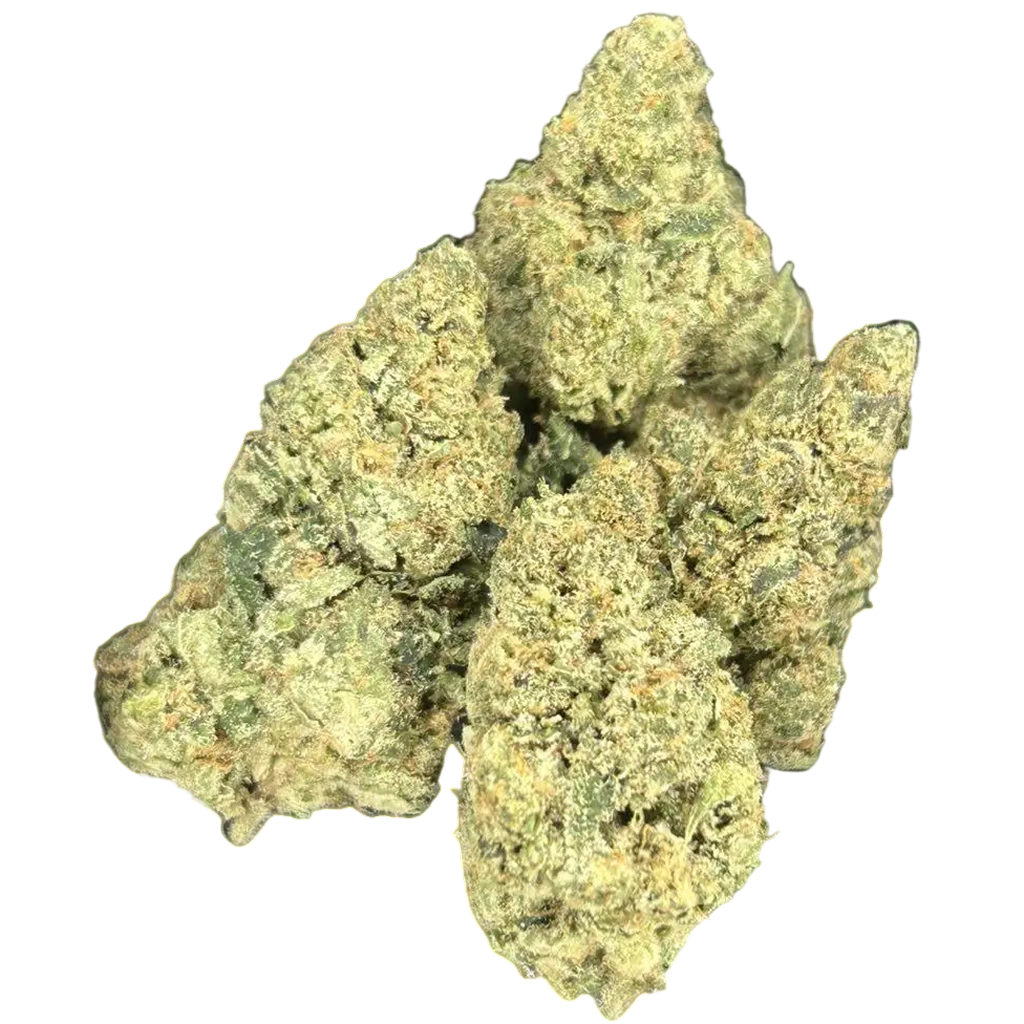
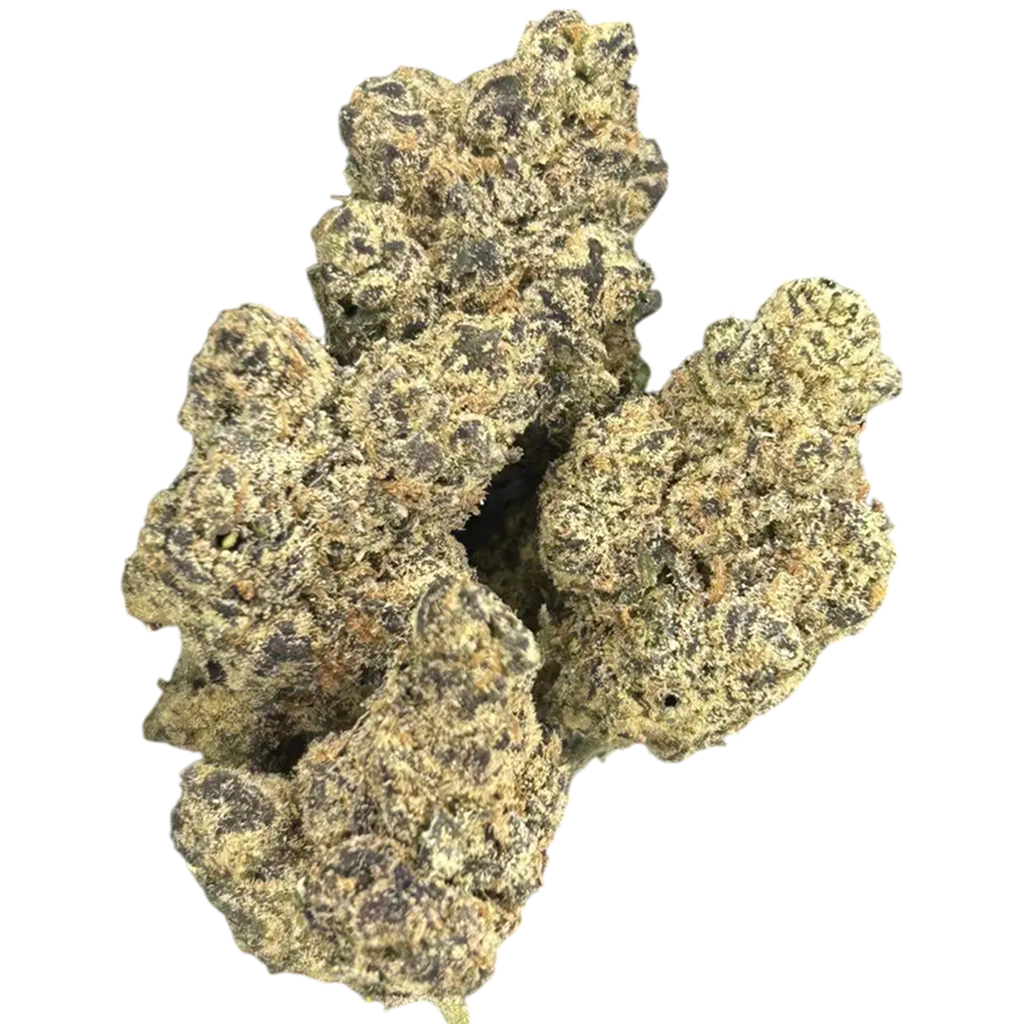
Its popularity is mainly due to its beautiful appearance, along with high potency levels. The mature flowers have a dark green color with the presence of purple accents and bright orange pistils, as well as being covered with frosty trichomes. As per laboratory analysis, THC contents range from 22% to 28%, whereas CBD does not exceed 1%. Due to such properties, it is more preferable to be consumed by more experienced users rather than beginners.
The history of Carbon Fiber starts with a thoughtfully chosen heritage. The cross between Grape Pie, Biscotti, and Cookies and Cream brings such qualities as fruity flavors, dessert undertones, and high resin output commonly found in premium hybrid strains. Unlike having the same attributes in each growing cycle, various phenotypes of the plant could accentuate different aromas or colors while still keeping the strain distinctive.
To better know the basic traits of the strain, it is worth considering them together. The following table represents the most frequently mentioned features of Carbon Fiber growing and cannabinoids.
| Characteristic | Typical Range / Information |
| Genetics | Grape Pie × Biscotti × Cookies and Cream |
| Plant Type | Hybrid (often slightly indica-leaning) |
| THC | 22-28% |
| CBD | Usually below 1% |
| Dominant Terpenes | Caryophyllene, Limonene, Pinene |
| Flowering Time | Approximately 8-9 weeks |
| Bud Structure | Dense, resin-coated flowers |
| Common Aroma | Sweet berries, cookies, earth, spice |
Although these attributes are often associated with Carbon Fiber, there can be slight differences in the cannabinoid level, terpenes, and appearance according to the breeder, growing environment, and particular phenotype.
Carbon Fiber provides for an experience that offers a perfect balance of a mental high combined with a slow, but consistent physical low. The impact will certainly depend on tolerance, dosage, and the cannabinoids present; nonetheless, many people have reported that the strain works great for relaxing after work without falling asleep straight away. The terpenes are also a factor in the effects of the strain, much like the cannabinoid interactions explained in THCA vs THC.
The Carbon Fiber strain has a complex smell, which can be described by using such words as berries, tasty cookies, spicy smell, and even citrus, characteristics often associated with exotic THCA flower. This is due to the combination of terpenes and cannabinoids, which gives this strain its taste. However, there may be some slight changes between different phenotypes concerning their smell, but nothing drastic will change.
The following table represents the list of compounds found in Carbon Fiber.
| Compound | Typical Presence | Contribution |
| THC | 22-28% | Delivers the strain’s high potency |
| CBD | Below 1% | Present in minimal amounts |
| Caryophyllene | Dominant | Adds peppery, earthy spice |
| Limonene | Moderate | Contributes citrus brightness |
| Pinene | Secondary | Provides fresh herbal and pine notes |
| Minor Cannabinoids (CBG, CBC) | Trace amounts | Add to the overall cannabinoid profile |
As terpenes and cannabinoids vary by phenotype and growing methods, buyers interested in aromatic extracts may also explore THCA concentrates.
The Carbon Fiber Strain can be termed as an indica-dominant hybrid strain, but the experience one will get from it may incorporate both the indica and sativa effects. This is because the strain cannot be classified as either an indica or a sativa strain since the experience one will get from the cannabis is dependent on the composition of the cannabis.
Some phenotypes may offer a mood-lifting and cerebral experience during the first stage, similar to the differences explained in Hybrid vs Indica. That is why the lab results of cannabinoid and terpene contents are considered to be very important for people who know about their preferences regarding strains. No matter whether grown outdoors or in a greenhouse setting, Carbon Fiber remains true to itself and keeps its famous power and taste, whether enjoyed as a flower or through THCA disposables.
Carbon Fiber is regarded by numerous cultivators as an ideal strain, owing to its combination of good bag appeal and dependable resin production. Although the outcome of growing this marijuana will be dependent on the environment and grower’s experience, there are certain traits that always remain true regarding successful harvests.
Carbon Fiber remains popular not only because of its impressive THC levels but also due to other factors. Many users enjoy its unique taste, and growers appreciate the fact that Carbon Fiber produces stable resin levels. The appearance of this variety can be an advantage for dispensaries because of its attractive appearance. It is hard to find other hybrids that combine all of the characteristics mentioned above.
This cannabis strain is also popular owing to the shift in the consumers’ tastes from regular hybrids to more dessert-like genetics with complicated terpenes profiles. Many experienced users evaluate aroma, trichomes, and freshness of the strains when choosing one or another cannabis product instead of only evaluating THC levels. The same can be said about Carbon Fiber; thus, the release of new varieties does not affect its popularity negatively.
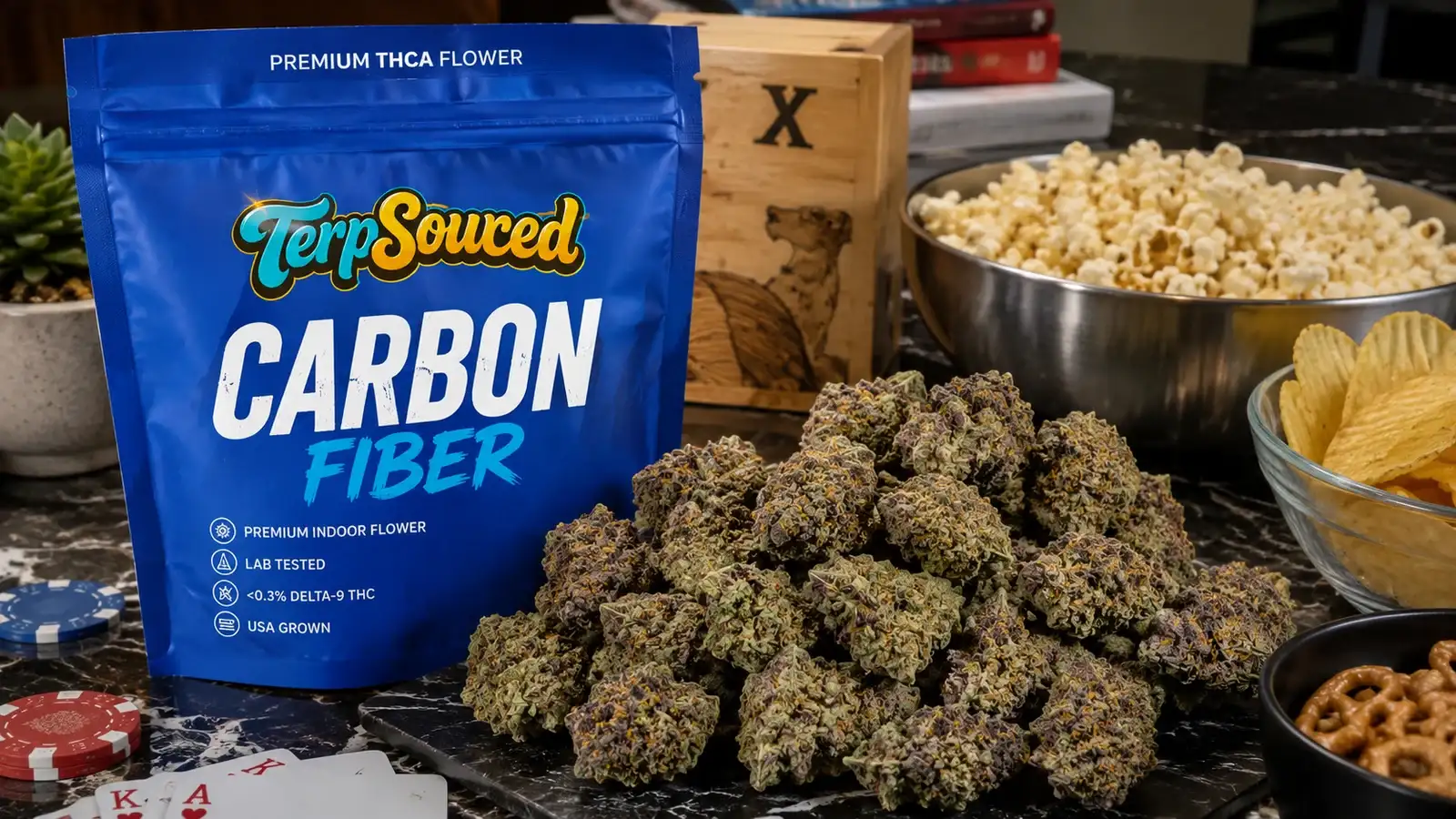
The Carbon Fiber strain deserves the name because it unites all these characteristics, such as incredible strength, good taste, and growing stability within a single hybrid. Starting from genetics and cannabinoid composition through to the strong smell and resinous buds, everything that relates to the properties of the strain can be enjoyed not only by experienced consumers but also by cannabis enthusiasts searching for premium genetics. Despite the fact that the effect will vary according to the phenotype and growing conditions, the general stability of the strain makes it popular compared to many other modern strains of cannabis. If you are searching for information about premium cannabis strains, TerpSourced is a great source to visit.
Carbon Fiber strain is a highly evolved type of cannabis created through breeding of three other types, namely, Grape Pie, Biscotti, and Cookies and Cream. This strain is very popular due to its high level of THC, highly resinous buds, and aromatic qualities. Some minor variations may be noted in flavors, colors, and effects of this strain.
Despite some similarities to indicas in effects, the strain is usually categorized as an indica-leaning hybrid but not a pure indica or sativa one. Most people feel an uplifting effect first and then a slowly relaxing body. However, the common experience depends on the presence of cannabinoids, terpenes, dosage, and tolerance of the user.
The common THC percentage that appears from laboratory testing is between 22% and 28%. These numbers may be different because of the influence of such factors as growth conditions, harvest and curing process, and phenotype. Because of the strong effect, users recommend using a small dosage.
The taste of Carbon Fiber includes the flavors of sweet berries, cookies, spicy notes, and even some citrus elements. Thanks to such terpenes as caryophyllene, limonene, and pinene, this cannabis variety has an evenly developed taste that is created during the whole session and does not have one dominant taste but a variety of tastes at once.
Users of Carbon Fiber strain usually experience such effects as relaxation, uplift, happiness, and mental calmness. Some people feel the state of temporary creative focus before they become physically relaxed. But, of course, all experiences depend on a person’s individual level of tolerance, the dose, as well as the percentage of cannabinoids and terpenes contained in the plant.
Terpenes in Carbon Fiber include, first of all, such terpenes as caryophyllene, limonene, and pinene. Due to them, you can distinguish such tastes as spicy herbs, citrus, and herbal aroma.
Typically, the time during which Carbon Fiber blossoms amounts to 8-9 weeks under indoor conditions. As we can see from the example above, such environmental factors as light, nutrients, temperature, and humidity not only affect the period of time taken by plants to blossom but also their quality.
Carbon Fiber has more than 22% THC in it; therefore, it could be a good choice for those individuals who have had some experience in consuming marijuana. However, for the newbies, it is recommended to try high-potency strains in smaller amounts.
The explanation for why Carbon Fiber is a premium strain can be attributed to the dense trichomes, beautiful appearance, high THC content, and abundant terpenes of this strain.