The cannabis industry features numerous cultivars with fruity characteristics, but none seem to have attained the reputation that the blueberry muffin has. Not only is the cultivar famed for its dessert-like aroma and balanced resin production, but it is also noted for its cultivation performance.
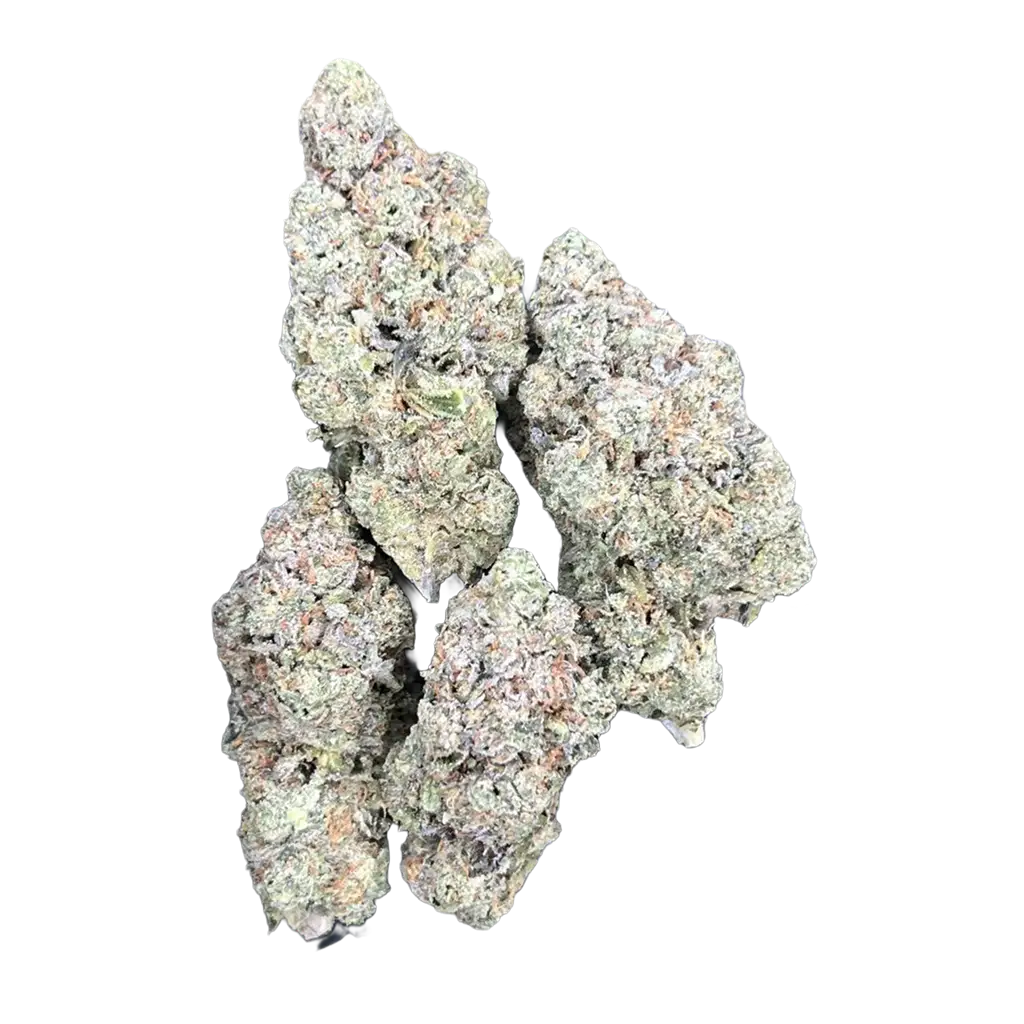
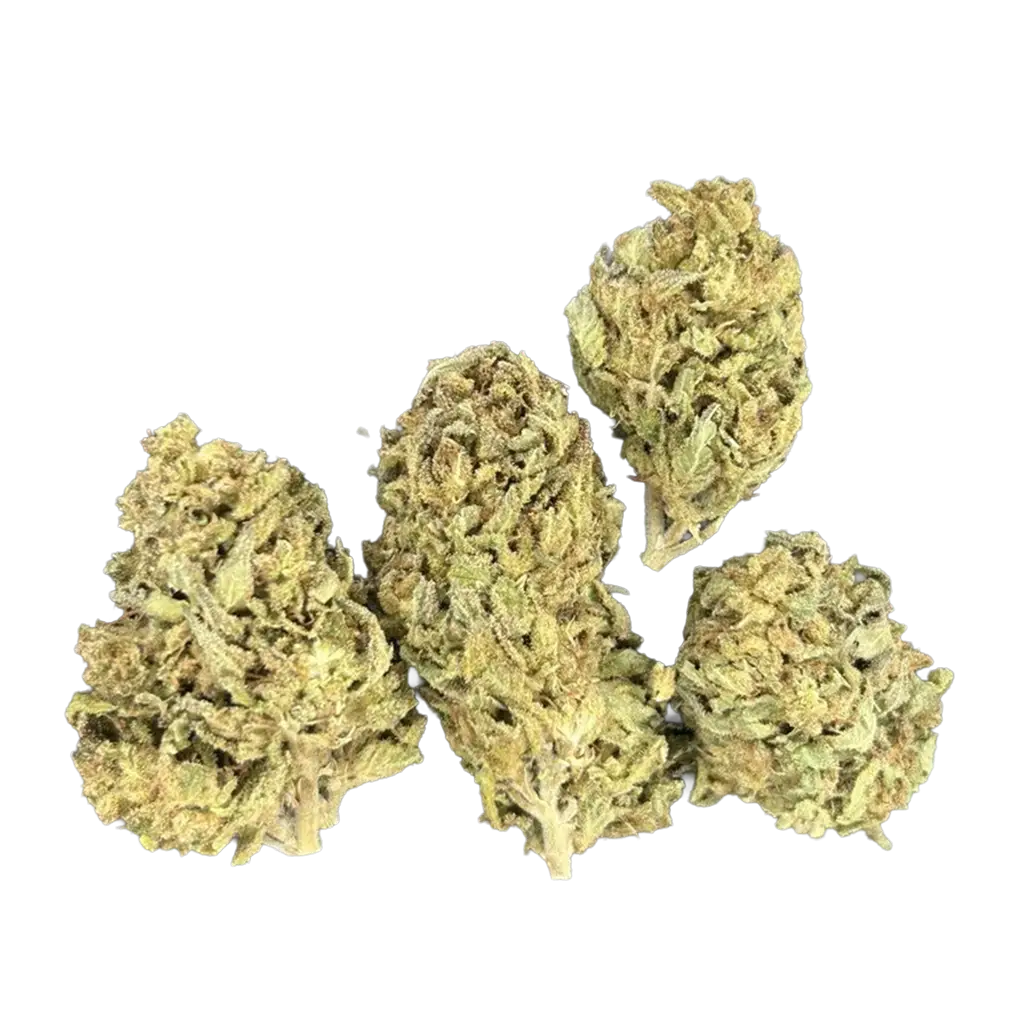
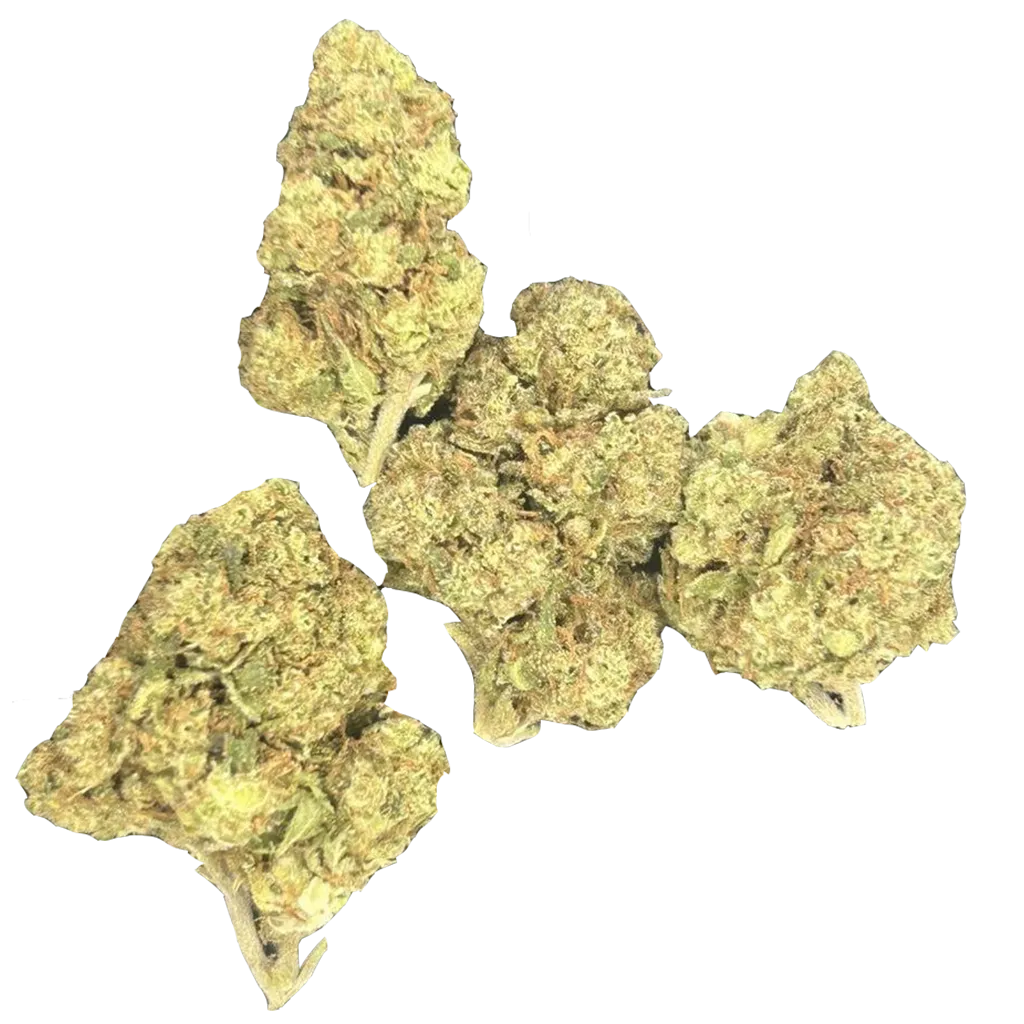
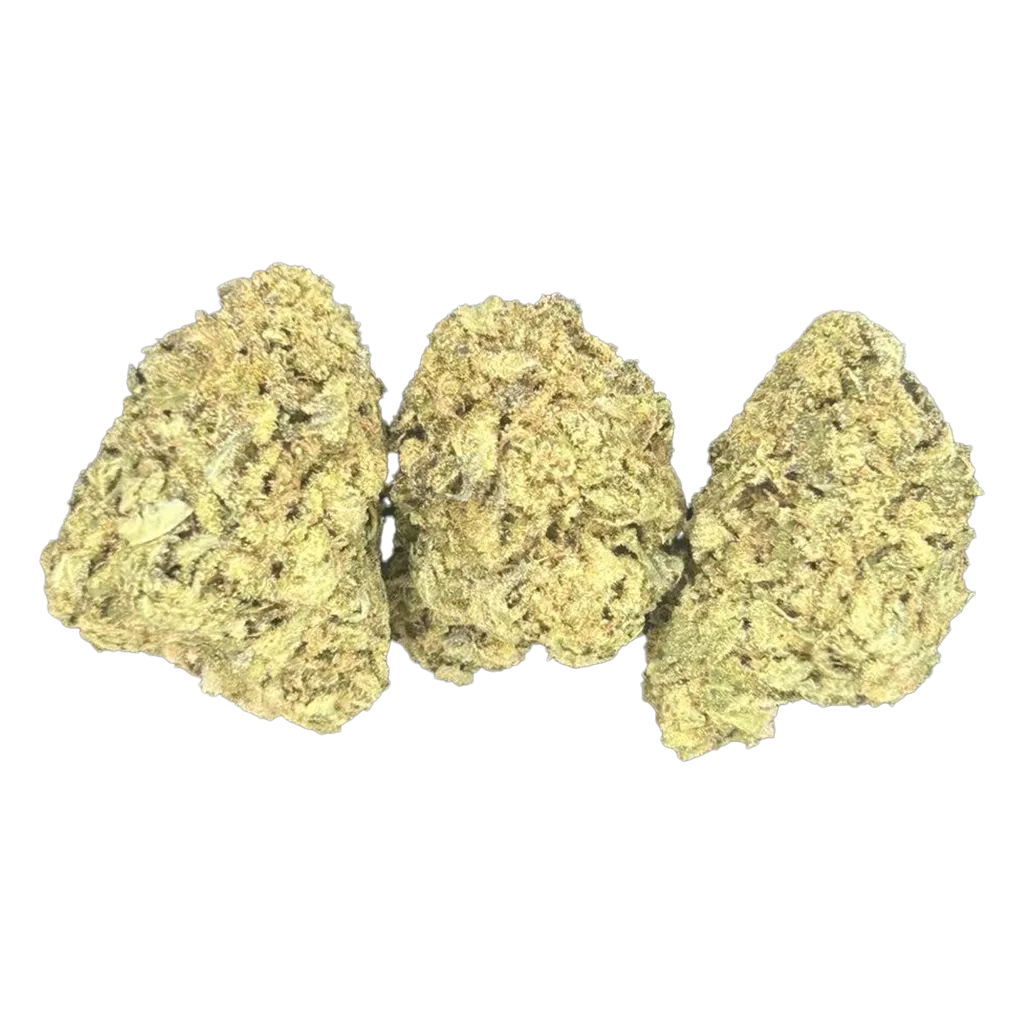
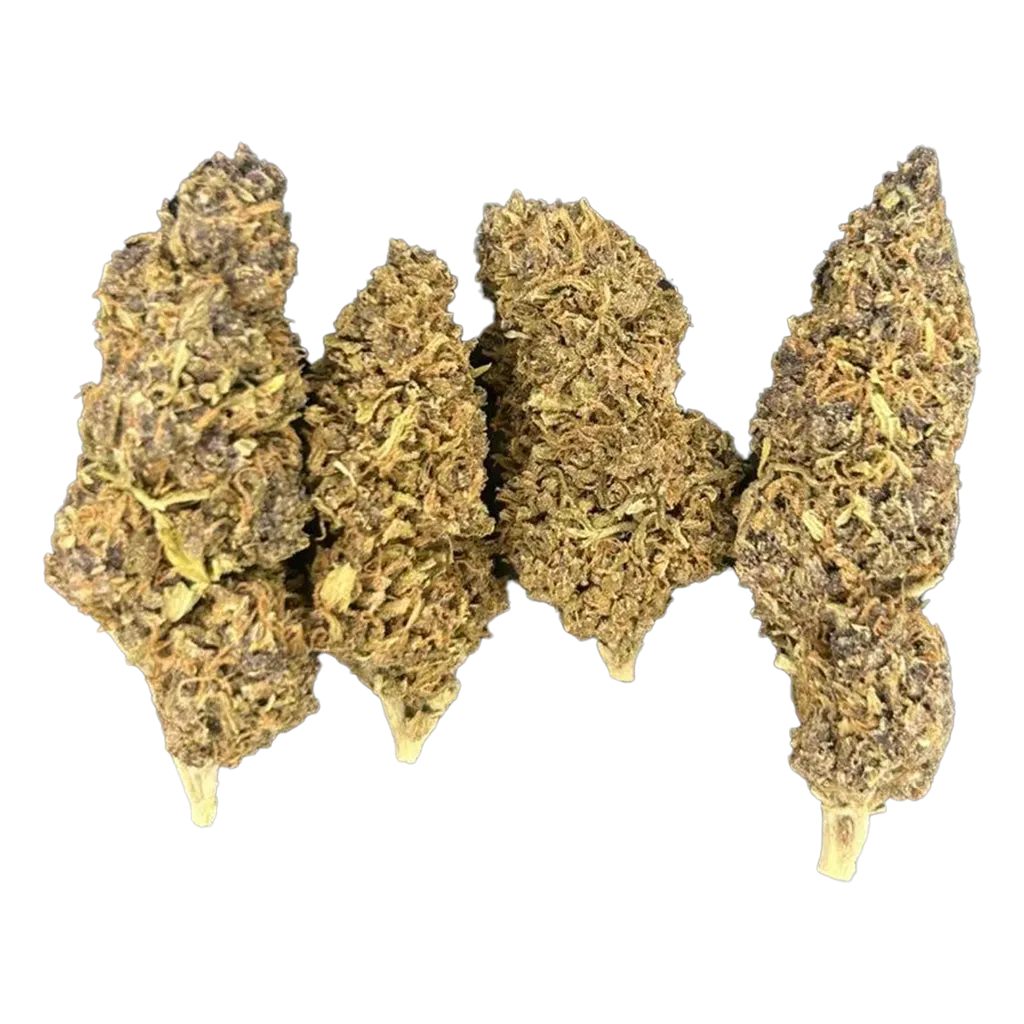
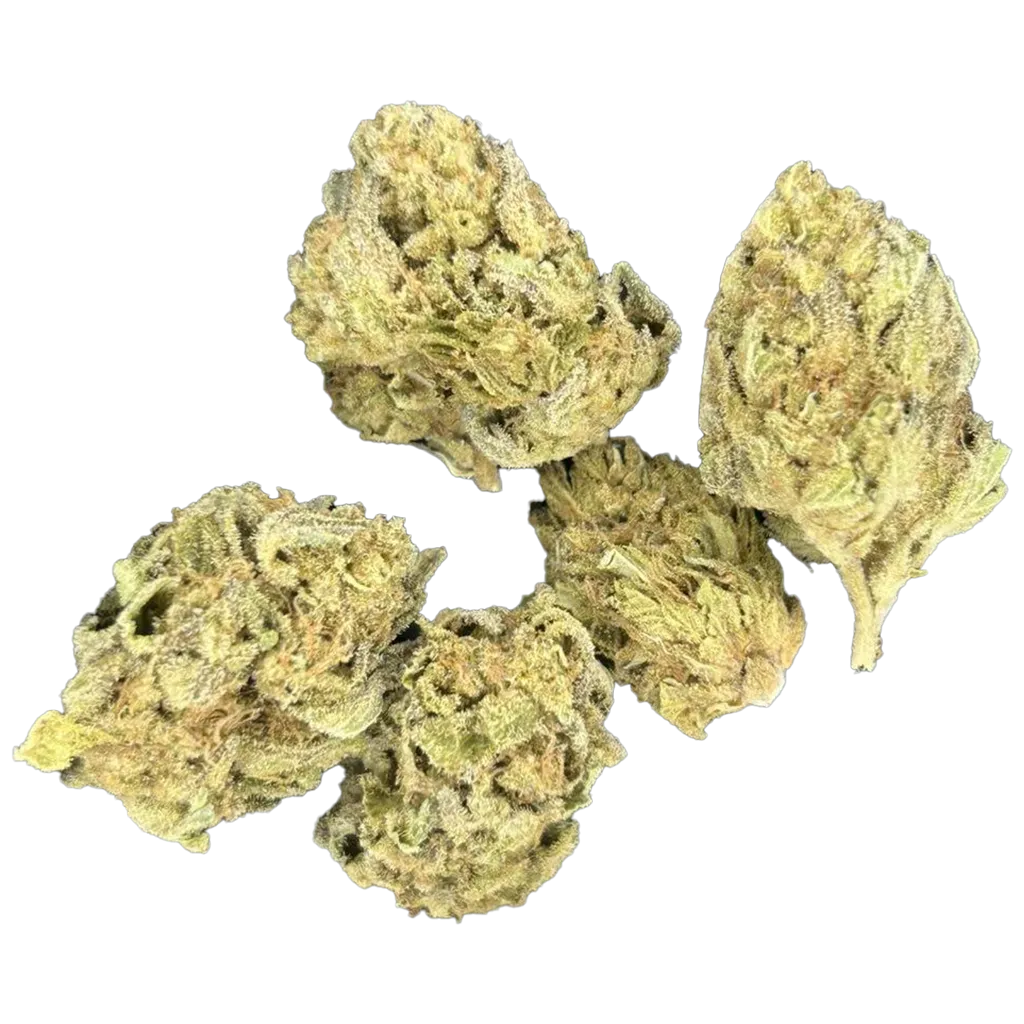
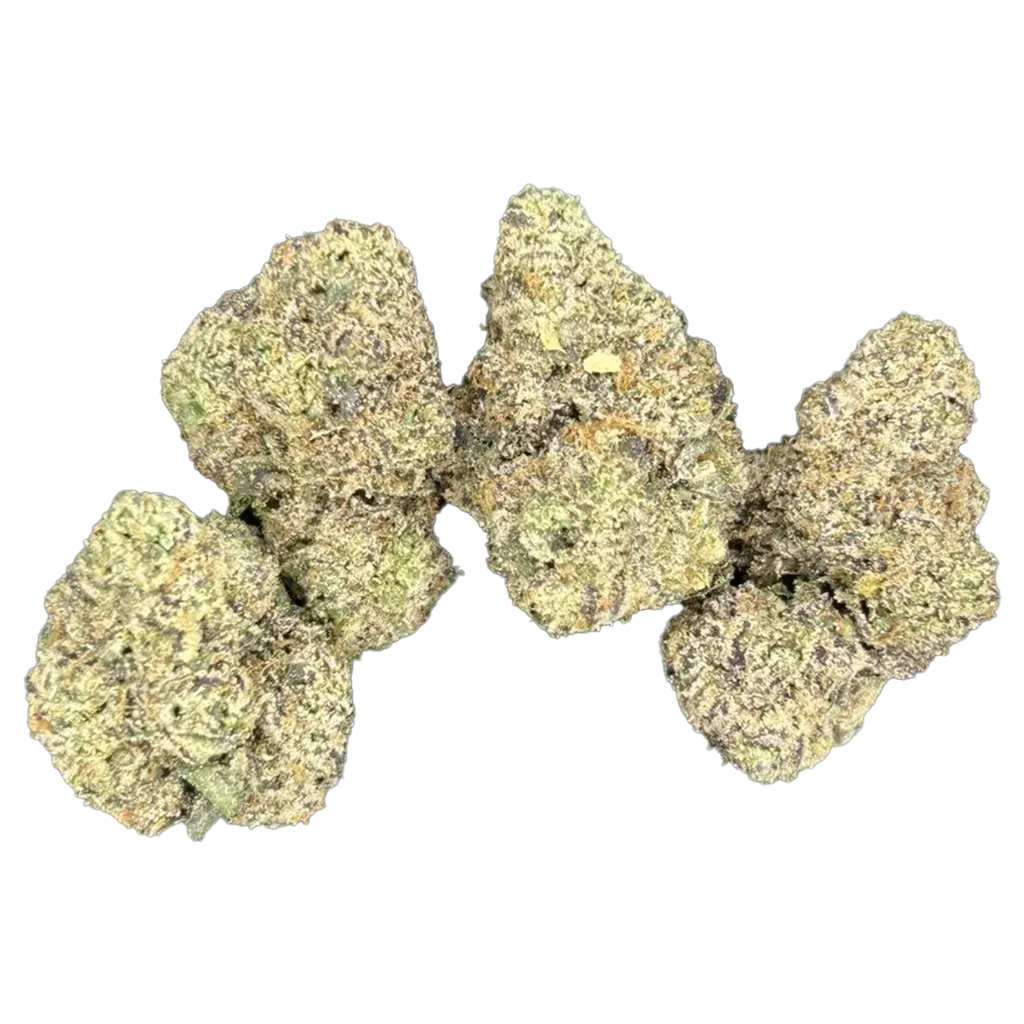
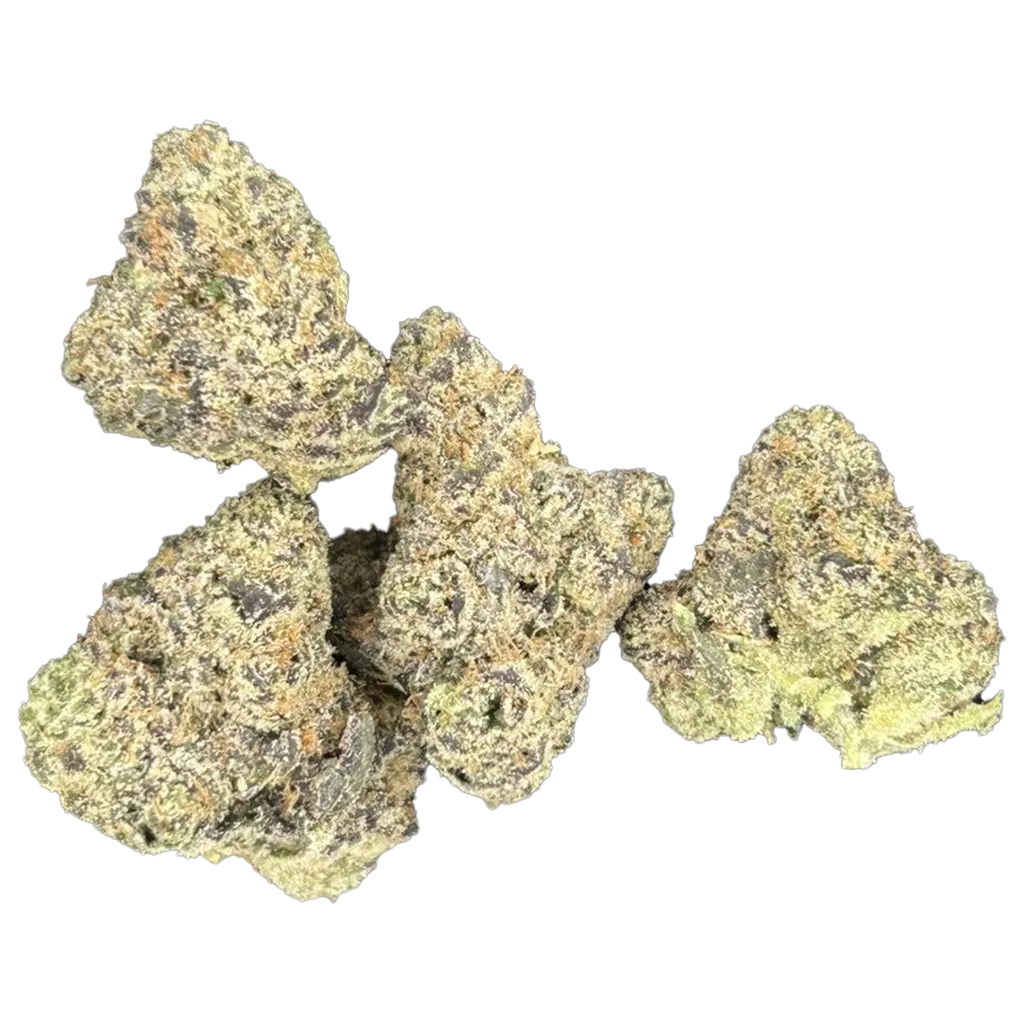
While taste is what gets the headlines, the fact that it is commercially consistent, has a relatively short flowering period, and is highly baggable among today’s Premium THCA Flower selections, is among the reasons why it is popular in the current cannabis market.
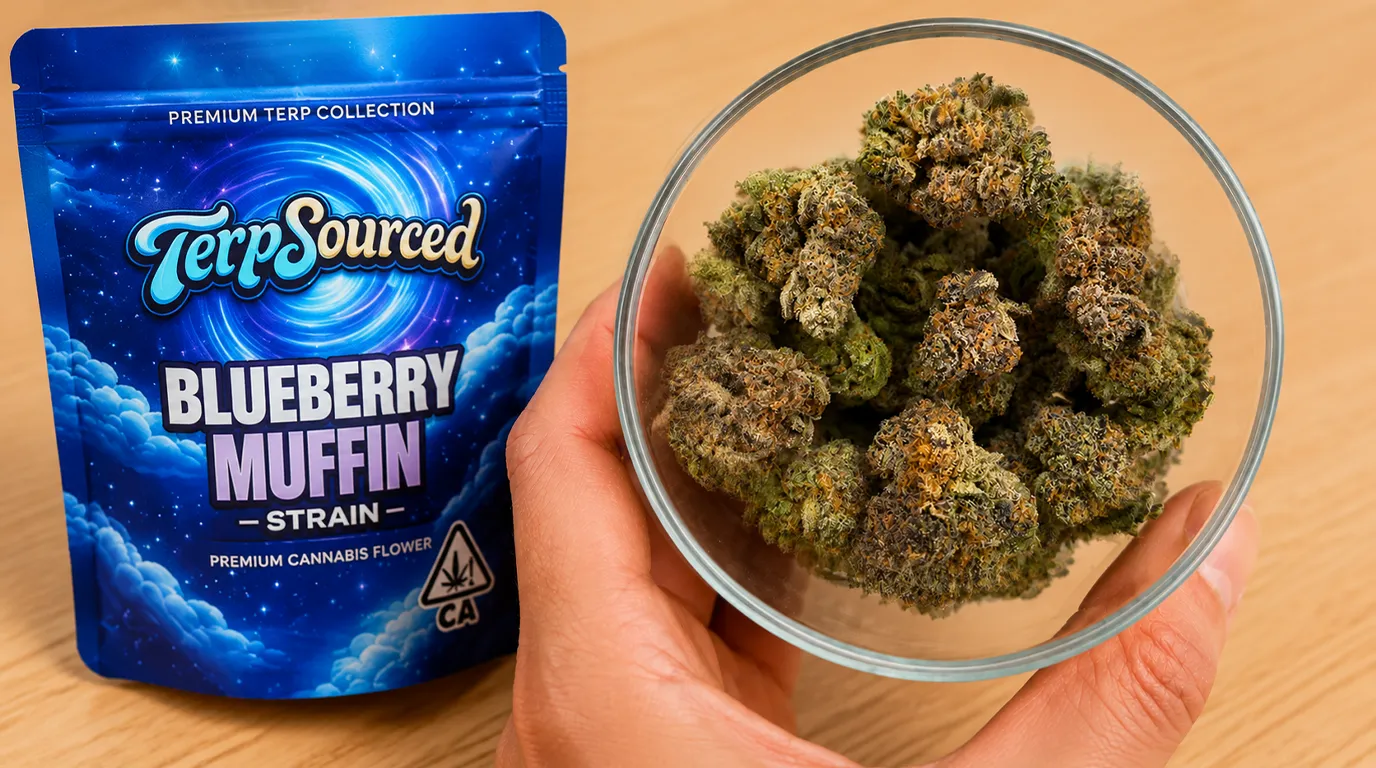
The blueberry muffin strain represents a contemporary cultivar of cannabis that was bred using dessert-focused genetic material that highlights aromatic qualities, resin content, and flowers themselves. This strain is distinguished by dense buds that offer a sweet bakery-like taste, combining fresh berries and vanilla notes as well as other baked desserts. Contrary to fruit-based strains, which usually depend only on aroma to distinguish themselves, the blueberry muffin strain has made a name for itself due to its good flower structure and solid grow performance.
From the commercial perspective, most producers refer to the blueberry muffin weed strain as an indica hybrid, a classification discussed in our guide on Hybrid vs Indica. Despite the slight variations in specific phenotypes depending on the breeder, this strain often demonstrates indica-like growing habits, including shorter internode distance, broad leaves, and relatively fast flowering in comparison with many hybrids.
As far as the wholesale market is concerned, the cultivar is suitable for several niches, especially among premium Hybrid Strains. For example, premium flower sellers find value in its visual appearance, whereas extraction businesses appreciate its resin content and rich terpene profile. Thus, the strain remains relevant commercially regardless of its consumer value.
The table below summarizes the basic characteristics of the cultivar in terms of production.
| Characteristic | Typical Range / Profile |
| Genetic Type | Indica-dominant hybrid |
| Flowering Time | 45-55 days (common phenotype range) |
| Typical THCA Potential | 22%-30%* |
| Dominant Aroma | Blueberry, vanilla, baked pastry |
| Resin Production | Medium to High |
| Commercial Uses | Premium flower, prerolls, extracts |
| Grow Difficulty | Moderate |
*Actual cannabinoid percentages vary depending on phenotype, cultivation practices, and laboratory testing.
This is a very simple response – this particular strain would be categorized as an indica-dominant hybrid. Though there may be some variation in the phenotype due to the differences between growers, the general trend for this particular plant would be towards Indicas – compactness, shortened flowering time, and dense flowers, among other properties.
That being said, there are many aspects that could change the way this particular plant grows, such as the growing techniques used, the environment the plant is in, and the choice of phenotype. In practice, commercial cultivators care less about the exact type of the plant and more about whether or not it is stable from harvest to harvest, much like other premium cultivars such as MAC 1 Strain.
Due to its reliable growth cycle and easy-to-control production process, many commercial growers tend to view this variety as a viable choice for flower production and not merely as a strain that is primarily indica dominant.
While many cultivars with dessert traits have great aromas, few can maintain their commercial relevance during growth, harvest, and even retail display. The blueberry muffin cannabis strain remains popular because it offers a unique combination of recognizable scent with high-quality flowers and consistent genetics.
One of its most distinguishing traits lies in its terpene composition. Laboratory tests performed on plants grown by various breeders usually reveal dominant terpenes, including β-Caryophyllene, Limonene, and Humulene, with some phenotypes producing noticeable amounts of Myrcene. Instead of a simple fruity aroma, this unique mixture of terpenes produces a characteristic aroma reminiscent of fresh blueberry muffins with hints of vanilla and creaminess.
Commercial buyers also value the strain for qualities that extend beyond aroma.
The combination of production attributes makes it successful in Premium THCA Flower, preroll production, and extraction inventory, thus providing versatility in the competitive market of cannabis.
Premium cannabis production involves more than just good genetics. Environmental management, nutrient delivery, watering procedures, and post-harvest practices affect the final product. Even with the forgiving nature of the blueberry muffin strain, commercial cultivators aim at ensuring optimal growing environments to facilitate cannabinoid production, terpenes retention, and compact budding.
Indoor farming is the preferred method of growing premium flowers due to the level of precision in controlling temperature, humidity, light, and ventilation. Yet, there have been successful harvests from greenhouses using light deprivation methods, similar to the cultivation approach explained in our Light Dep vs Indoor THCA guide.
The table below illustrates some cultivation standards that many commercial growers experience. Note that actual performance may differ based on genetics, growing practices, and growing environments.
| Cultivation Factor | Commercial Benchmark |
| Indoor Temperature | 70-80°F (21-27°C) |
| Flowering Humidity | 45-50% RH |
| Flowering Period | 45-55 Days |
| Indoor Yield | 400-500 g/m² (typical range) |
| Outdoor Yield | 500-700 g per plant (favorable conditions) |
| Preferred Growing Method | Indoor or Light Dep Greenhouse |
| Cultivation Difficulty | Moderate |
| Trichome Production | Medium to High |
Stable environmental conditions are also important for commercial cultivators towards the end of the flowering stage. Humidity and air flow play an important role in the development of resin, terpenes, and the appearance of the flower. Proper drying and curing processes are also important since they define the aroma, appearance, and price of the final product.
Blueberry Muffin strain effects may differ due to the influence of various factors such as cannabinoids, terpenes, individual sensitivity, and the mode of drug intake. Instead of THC or THCA percentages, the most advanced users and even buyers usually concentrate on the whole spectrum of cannabinoids and terpenes for a better understanding of how a specific cultivar will work.
Most indicas have earned a reputation for causing a relaxing and physical effect without affecting one’s mind too much. It is possible to enjoy a high level of mental clarity during daytime or nighttime use due to proper dosing. Today’s market is based not on marketing but on laboratory analysis, terpene expression, and premium THCA Disposable products that preserve cultivar-specific profiles.
Since many elements during cultivation and post-harvest affect the final outcome, the wholesaler would prefer to use laboratory data, as well as sensory qualities, over percentages of cannabinoids.
However, not every popular cannabis strain has longevity on the wholesale level. There are strains that become popular due to their taste but fail to offer consistent growth. There are also strains that grow in big yields yet lack the appeal that a retailer expects. The blueberry muffin weed strain remains popular with wholesale buyers as it is capable of combining commercial farming and high-quality flower.
Wholesalers usually seek the strains that are able to consistently meet the buyer’s needs regardless of when the harvest was produced. High density, good coloration, stable terpenes, and quality after curing are some factors that increase the chances of a strain becoming popular in retail.
On the other hand, extractors and processors require strains that have enough resin and aroma.
Consistent Bag Appeal: Dense flower structure, visible trichome coverage, and uniform bud size help improve shelf presentation across premium retail categories.
Reliable Terpene Retention: Stable curing practices help preserve the cultivar’s signature blueberry and baked-dessert aroma, making it attractive for both flower and preroll products.
Versatile Commercial Applications: Beyond premium flower, the cultivar can support prerolls, concentrate production, and other value-added cannabis products depending on harvest quality.
Predictable Production Performance: Commercial growers appreciate cultivars that deliver repeatable results, helping maintain inventory consistency and simplify production planning throughout multiple harvest cycles.
These characteristics explain why the cultivar continues earning attention from growers, distributors, and retailers looking for dependable premium cannabis inventory rather than short-term market trends.
The viability of the cultivar goes beyond the measure of popularity alone. In commercial grow settings, the evaluation of efficiencies in production, the quality of the flowers, consistency of harvests, and market demand is usually done before allocating limited canopy space to a specific strain. The blueberry muffin cannabis strain remains popular due to its good performance in a number of the above factors.
From an indoor production standpoint, the blueberry muffin strain has a relatively manageable flowering period and grows well under regulated conditions. Greenhouse producers have found that the strain has predictable performance as long as temperature, humidity, and ventilation are consistent during the flowering stage.
Prior to introducing a new cultivar to the production process, growers take into consideration the following factors:
For growers looking for a cannabis variety that promises commercial viability along with good market appeal, Blueberry Muffin still remains a competitive choice in the premium cannabis market.
One reason the blueberry muffin strain remains relevant is that it offers more than just an appealing dessert-like aroma. The consistency of its performance when cultivated, its density, terpenes profile stability, and commercial applications make the strain one of value for any segment of the current cannabis industry. When it comes to growing or wholesale purchase of high-quality cannabis strains, people prefer those that produce great results and help them work efficiently.
As consumers keep demanding cannabis that is rich with terpenes and looks appealing, the blueberry muffin weed strain will continue to do well on the market. If you want to source premium cannabis strains or learn more about the industry, then TerpSourced provides the best opportunity to do that.
The blueberry muffin strain is an indica-dominant hybrid recognized for its sweet blueberry pastry aroma, dense flower structure, and strong trichome production. Its balanced cultivation performance and premium bag appeal have made it a popular choice for both commercial growers and dispensaries.
The strain blueberry muffin, whether sativa or indica, is typically described as being an indica hybrid. While the phenotypes may be slightly different, most will have the characteristics of indica plants, which include tight growth, quick flowering, and dense buds.
The blueberry muffin strain’s high is influenced by several factors, including the amount of cannabinoids and terpenes present, one’s tolerance level, and the way of consumption. Instead of basing the effects only on the THC content, many users assess the full cannabinoid and terpene profile.
Most lab tests show that the main terpenes in the strain are Caryophyllene, Limonene, Humulene, and Myrcene. These terpenes collectively impart the distinct blueberry pastry flavor characteristic of this particular strain.
When the growing environment is constant indoors, many phenotypes take around 45-55 days to complete their flowering period. The actual flowering period will vary depending on genetics, cultivation techniques, and environment.
Yes. The blueberry muffin weed strain is often selected for commercial production because it combines dependable flower quality, stable terpene expression, manageable flowering times, and strong market demand across premium flower and preroll categories.
Besides premium flower, this cultivar is commonly used in prerolls, concentrate production, and other value-added cannabis products. Its resin production and terpene-rich profile make it suitable for multiple commercial applications depending on harvest quality.
Unlike many dessert-inspired cultivars that rely mainly on aroma, the blueberry muffin cannabis strain also delivers dependable cultivation performance, attractive flower structure, stable terpene retention, and consistent retail presentation, making it valuable throughout the commercial supply chain.
Wholesale buyers often prioritize cultivars that offer reliable production, attractive shelf presentation, stable post-harvest quality, and repeatable performance across multiple harvests. Those characteristics help the blueberry muffin strain remain competitive in premium cannabis markets.